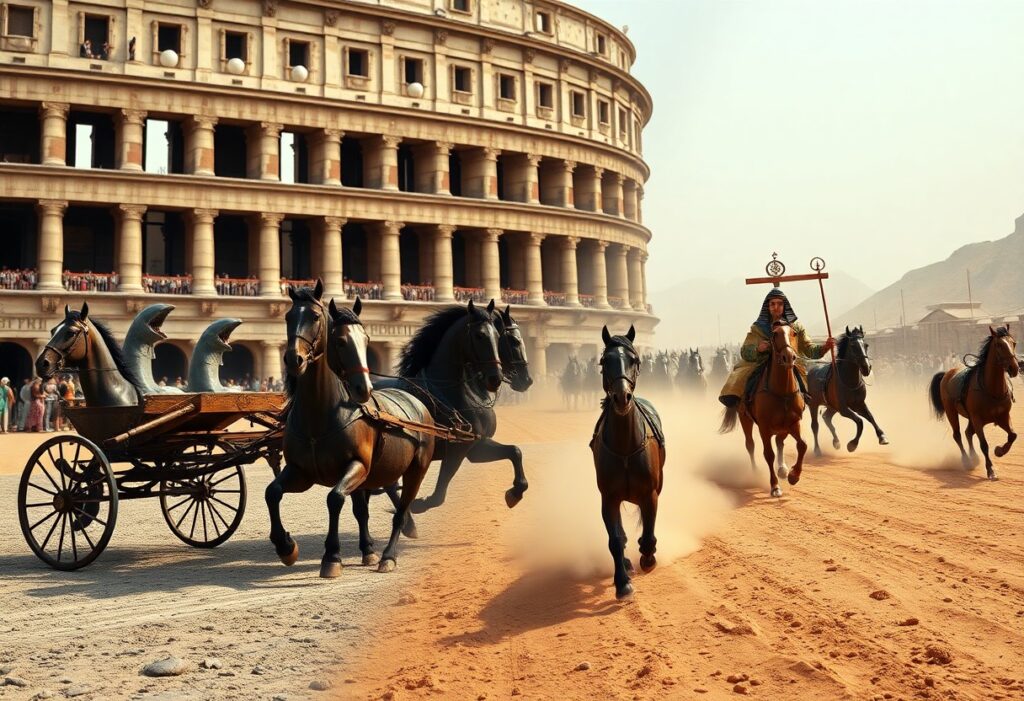
You learn how Romans measured race speed with lap markers and water clocks while Egyptians judged strides and time by stables, where raw speed drove deadly chariot risks and elite glory for victors.
The Evolution of the Elite Equine
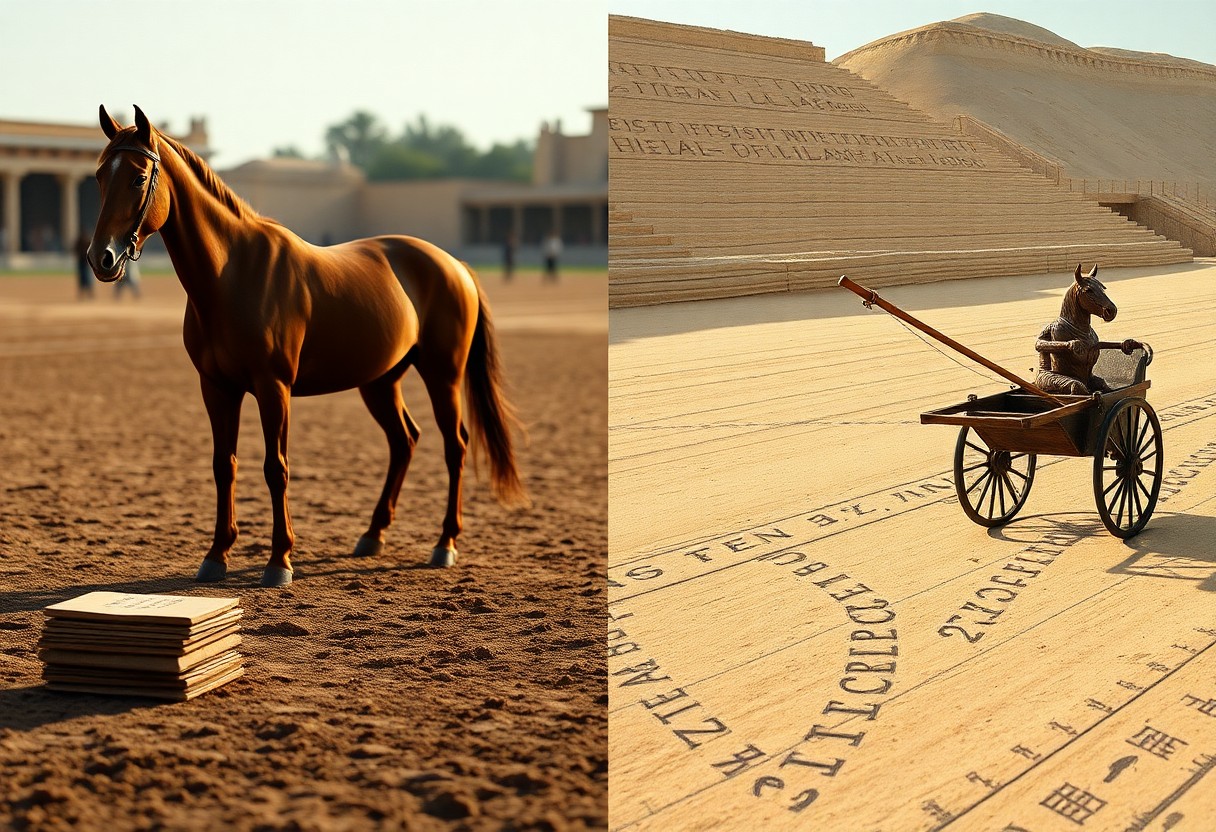
You witness the rise of the elite equine as breeders select for speed and stamina, pairing lines for record performance. You track how specialized training, diet, and the horse’s prestige in society transform ordinary stock into prized racers and warhorses valued for both competition and danger on campaign.
Selective Breeding and Pedigree Tracking in the Roman Empire
When you examine Roman stables you see methodical selective breeding, stud lists, and naming that establish pedigrees for speed and endurance. You encounter official records used by elites, plus risks like disease and fraud that could undo generations of careful pairing.
The Introduction and Refinement of the Horse in Pharaonic Egypt
In Pharaonic Egypt you note foreign imports of powerful horses, breeding focused on agility for chariot use, and selective refinement under royal stables. You observe how chariot warfare transformed breeding priorities while animals gained status as symbols of power and speed.
Evidence in tomb art and remains helps you trace where Egyptian horses came from and how they were refined: reliefs show lean, high-stepping mounts imported from the Near East, while harness fragments and bridles reveal chariot technology that demanded speed and agility. You see royal stables described in texts as early stud programs, importing sires to improve bloodlines, even as intensive use exposed animals to disease and harsh conditions that shaped breeding choices.
Engineering for Velocity: Chariot Mechanics
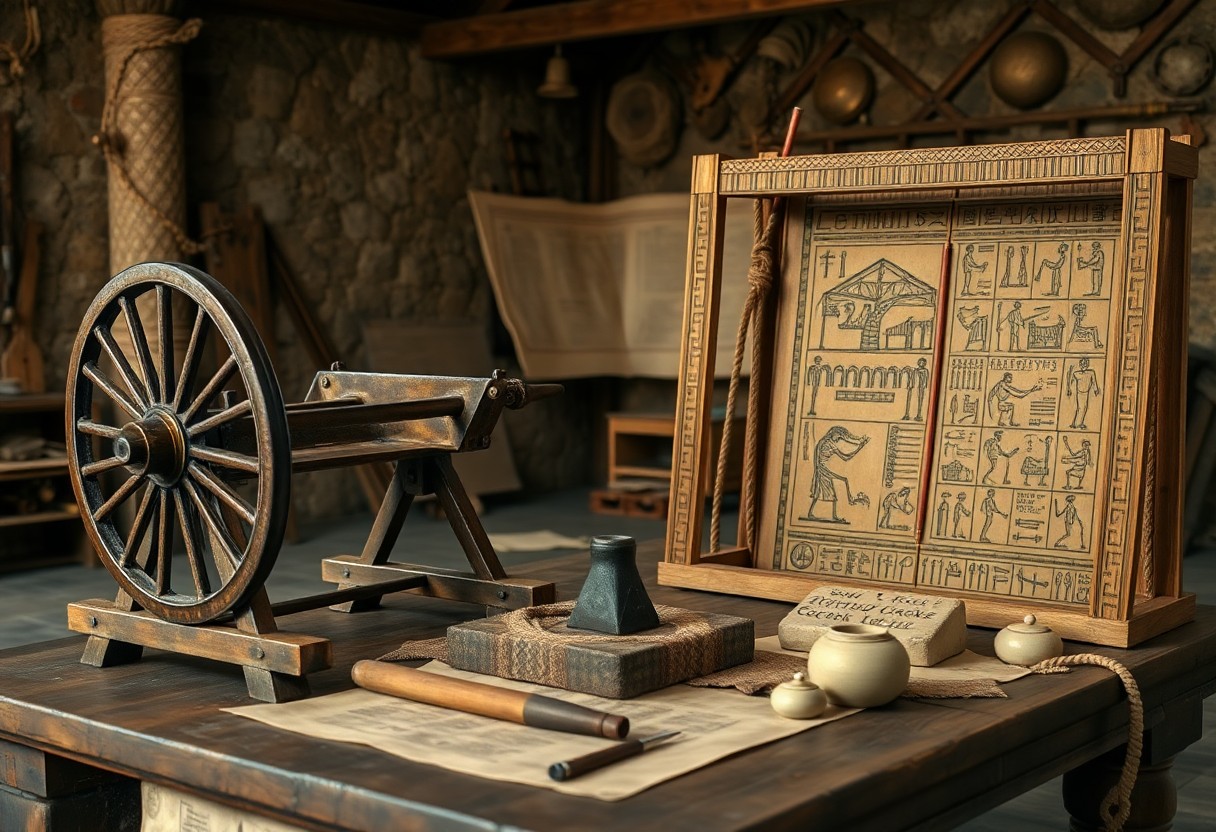
Chariots forced you to balance lightness and strength, using narrow axles and sprung fittings so racers could corner fast; engineers prioritized minimal weight while guarding against wheel failure that could be fatal.
Aerodynamic Advancements in Roman Racing Vehicles
Roman craftsmen refined body shapes and low cowls so you sliced wind, adding narrow wheel profiles and tight harnesses to achieve higher speeds while increasing the risk of tumble-offs.
The Structural Integrity of Egyptian Lightweight Chariots
Egyptian teams laminated thin timbers and bound bronze fittings so you kept frames light without giving up strength, creating durable agility for racing across shifting sands.
You can trace Egyptian success to layered acacia or sycamore planks glued and lashed, thin spokes that cut weight, and bronze-socketed axles that reduced shear; builders balanced flexibility to absorb shocks with strategic braces to prevent collapse, and you relied on constant maintenance between heats-producing remarkable speed at the cost of increased wheel wear and catastrophic failure risk on hard ground or sharp turns.
Quantitative Metrics of Ancient Racing
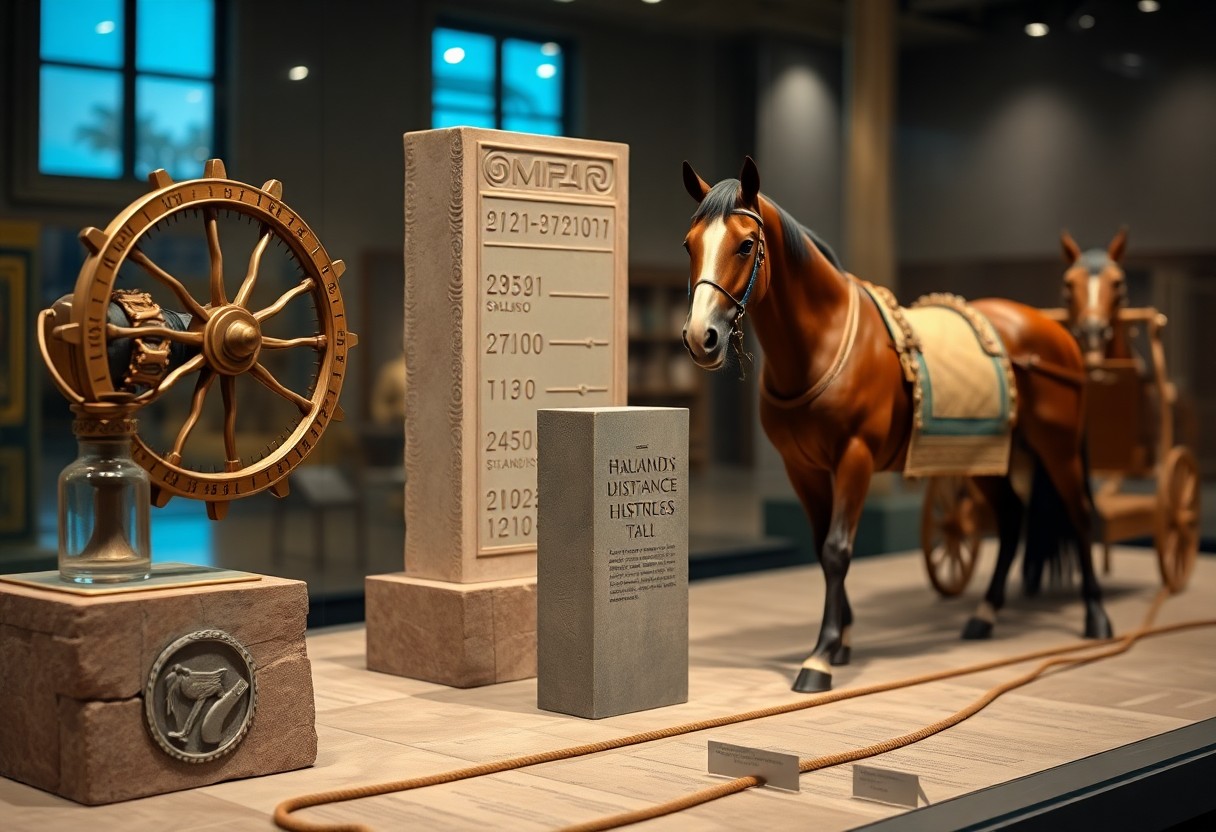
Romans counted laps and timed events so you could compare horses across days; reliance on the canonical stadium length and lap counts provided a repeatable metric despite uneven surfaces and local rule variations.
Defining the Roman Stadium and Lap Standards
Stadium measurements fixed a lap so you could calculate average speeds; officials marked turns and used markers, yet crowd interference and inconsistent track maintenance often skewed official results.
Egyptian Surveying Techniques and Distance Calibration
Surveyors used ropes, poles, and sighting tools so you could calibrate race distances; the combination delivered remarkable precision on flat Nile plains, though shifting sand required frequent re-measurement.
Using knotted cords and the standardized royal cubit, rope-stretchers (harpedonaptae) helped you set repeatable distances; sighting with a merkhet and stellar alignments ensured long straight runs, yet you constantly faced shifting dunes that forced re-surveys and cautious timing comparisons.
Temporal Measurement and Record Keeping
Records kept by clerks and priests let you compare performances across seasons, pairing mechanical timing with stone inscriptions to preserve victories and expose the risk of measurement error.
Utilization of Water Clocks and Sundials for Performance Tracking
You watched water clocks and sundials mark heats, using hourly divisions to judge speed; their precision fluctuated with weather and handling, yielding useful splits but also a danger of inconsistent results.
Epigraphic Documentation of Race Results and Winning Times
Scribes carved winning names and times on stelae and racehouse plaques so you could verify claims later; these public records conferred prestige and helped check against fraud.
Inscriptions on stone, bronze, and pottery recorded victors, owners, race length, and occasionally lap counts or times so you could confirm performance claims across seasons and cities. Local magistrates, temple scribes, and wealthy patrons placed slabs at racetracks, sanctuaries, and public fora, turning each inscription into an enduring record that enhanced reputation and supported fair wagers. Weathering, vandalism, and selective erasure posed a persistent danger, so you relied on cross-referencing inscriptions with archival rolls, witness lists, and preserved schedules to rebuild reliable chronologies.
The Topography of the Track
Track contours shaped ancient races, forcing you to adapt to banked turns, variable lengths, and hidden hazards; the tightened spina and uneven surfaces dictated speed more than raw strength.
Architectural Dynamics of the Circus Maximus
Romans engineered the Circus Maximus with wide tiers and a long spina so you could draft along straights, but narrowed turns increased collision risk and favored agile horses.
Natural Terrain and Desert Course Specifications in Egypt
Egyptian tracks used compacted sand and straight stretches where you measured speed by distance markers, while shifting dunes posed serious hazards that reduced consistent pace.
Courses on Nile banks were marked by stone posts and sightlines so you timed runs by distance and simple water clocks; changeable wind and soft sand altered grip, making blinding sandstorms and worn hooves common hazards while straight, level stretches allowed you to reach peak speeds.
The Cultural Legacy of the Ancient Steed
Legacy of ancient racehorses reaches into your modern festivals, art, and idioms; you trace enduring prestige in equestrian imagery and civic ceremonies that once celebrated speed and status.
The Horse as a Symbol of Imperial and Divine Power
Emperors mounted chargers to project authority; you witness equine statues and coins where horses signify divine sanction and military prestige, warning visitors of rulers’ swift reach.
Economic Foundations of the Ancient Racing Industry
Markets thrived on breeding, training, and betting; you could find entire neighborhoods dependent on stables, workshops, and lucrative trade in horses, fodder, and gambling stakes.
Breeders focused on selective bloodlines while you tracked pedigrees; trainers, farriers, and chariot-makers formed interdependent trades. Taxes, sponsorships, and public games funneled revenue; huge profits lured investors, but epidemics, poor seasons, and gambler debt created severe financial risk for owners and city treasuries.
Final Words
Conclusively, you recognize that Roman and Egyptian methods for measuring racehorse speed relied on fixed distances, timing markers, and expert observation, so you grasp how precision and cultural priorities shaped ancient performance assessment.
FAQ
Q: How did ancient Romans measure horse speed during chariot races?
A: Roman organizers measured performance primarily by finishing order and lap count rather than by a standardized speed unit. Chariot races took place in circuses such as the Circus Maximus, a fixed-length oval track whose dimensions determined lap distance. Officials used the spina, the central barrier, to mount lap counters-ornamental devices like dolphins and eggs-that indicated completed circuits. Starting gates called carceres synchronized departures, and timekeepers sometimes used water clocks (clepsydrae) at large spectacles to register durations. Modern scholars reconstruct likely speeds by combining track dimensions, chariot types (biga, quadriga), and experimental archaeology; those reconstructions suggest short high-speed bursts for horses and lower sustained speeds when pulling chariots, but no surviving Roman formula converted distance and time into a formal speed unit.
Q: What instruments and units did ancient Egyptians use to estimate speed in races or military exercises?
A: Egyptian measurement systems relied on units such as the cubit for short distances and larger multiples for longer stretches, with time recorded via shadow clocks, the merkhet (astronomical timepiece), and water clocks in administrative contexts. Royal and military activities were recorded in inscriptions and papyri that note distances covered or time intervals rather than explicit speed figures. Scribes and surveyors combined measured distances with elapsed time when needed for logistics, training, or reporting, producing practical estimates of pace. Tomb and temple iconography shows staged races and training runs, and archaeological finds such as wheel and chariot fittings help researchers model likely velocities, but no standardized ancient Egyptian speed unit survives comparable to modern km/h.
Q: What archaeological and textual evidence supports these measurement methods, and how accurate were they?
A: Evidence comes from Roman literary accounts, administrative records, papyri, tomb and temple reliefs, and the physical remains of circuses, carceres, and chariot parts. Roman sources describe lap counters and starting arrangements, while Egyptian papyri and inscriptions preserve distance measures and references to timekeeping instruments. Accuracy depended on context: spectator races emphasized rank and spectacle, producing reliable placings but imprecise absolute speeds. Military and engineering needs demanded more consistent timing and distance accounting, so clerks achieved useful accuracy for march rates and supply planning. Modern experimental archaeology, biomechanical analysis, and simulations produce best-available speed estimates, yet uncertainties about horse breeds, harness efficiency, and surface conditions mean ancient speed figures remain approximate rather than exact.