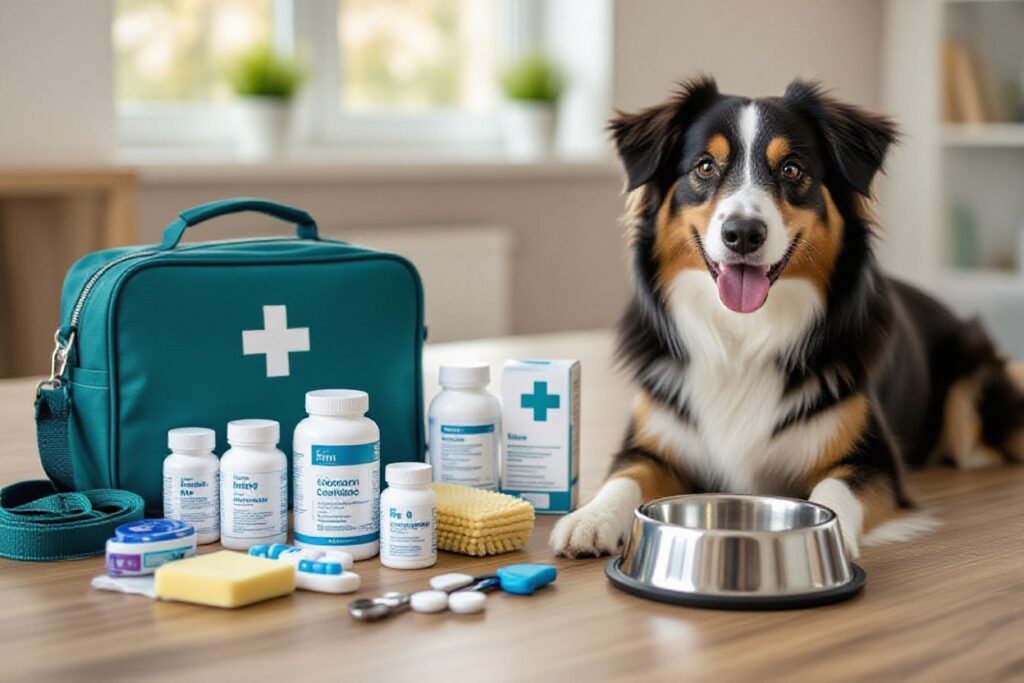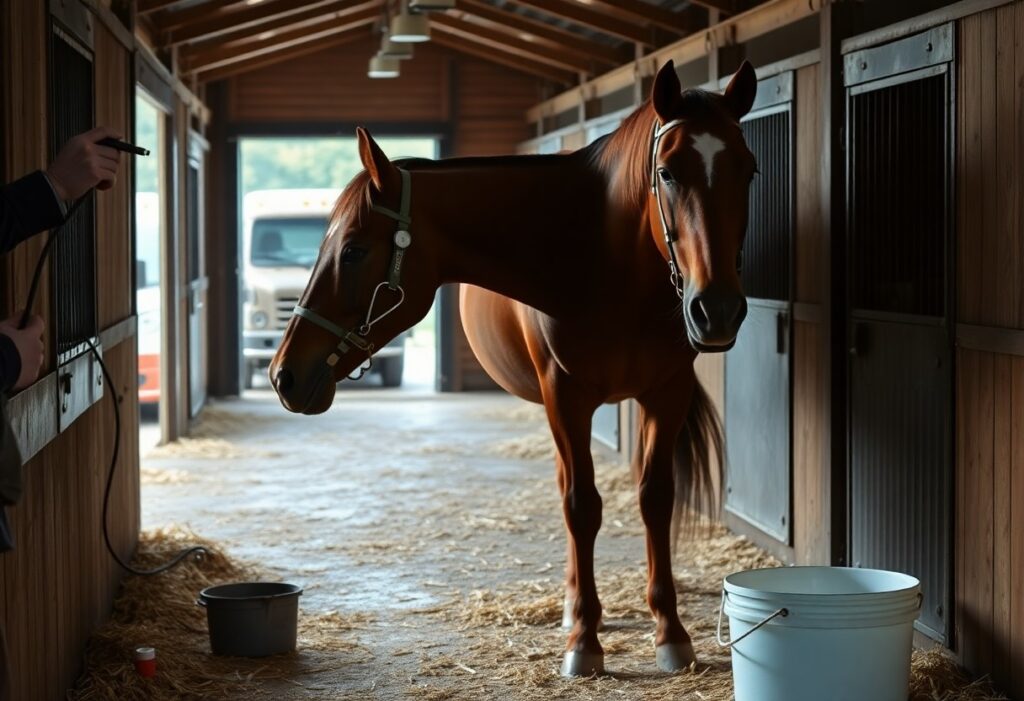
Colic demands quick, calm action: call your vet, note severe pain, repeated rolling, bloating, keep your horse walking slowly if safe, remove feed and water, monitor temperature and pulse, and relay observations; these steps lower risk while you await professional care.
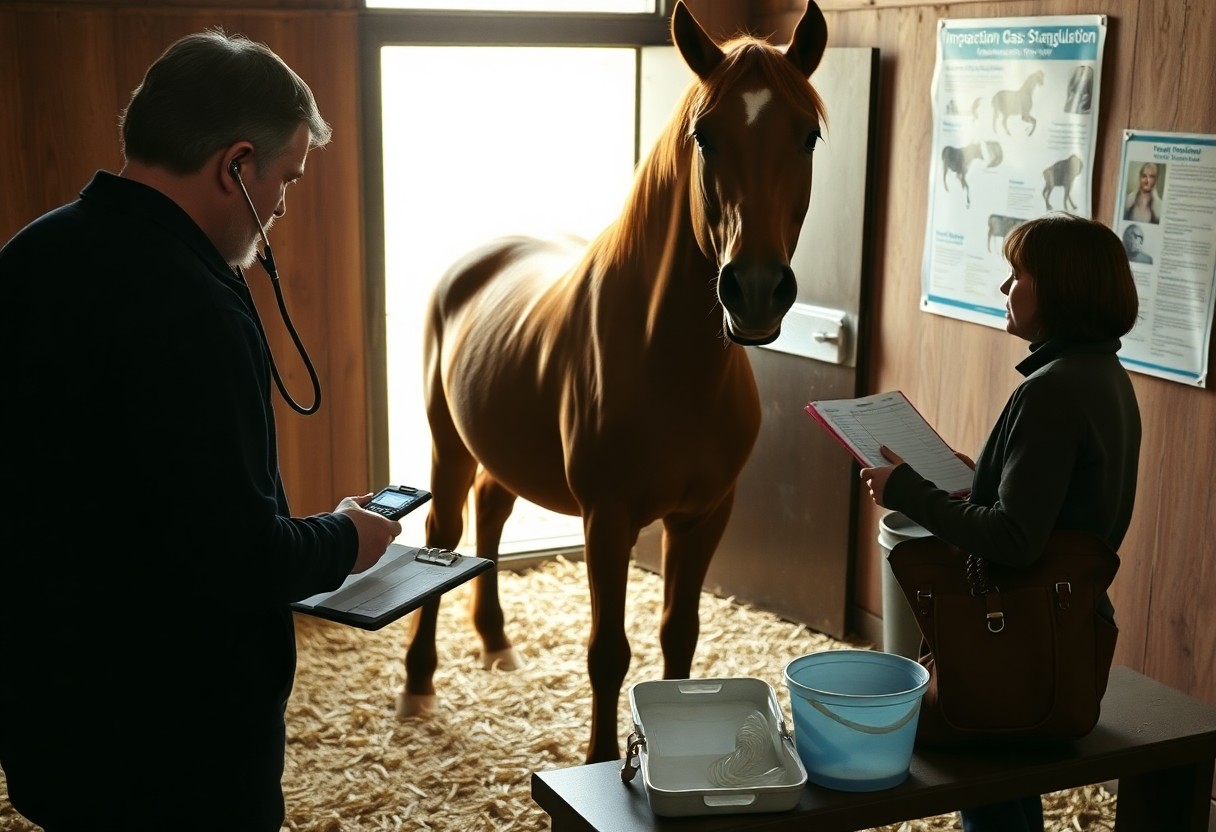
Classifying the Crisis: Common Colic Types
Classifying your horse’s episode focuses on signs of colic-rolling, flank‑watching, and altered gut sounds-to separate spasmodic/gas events from impaction or displacement, and to determine risk and response. This helps you prioritize signs and call the vet without delay.
- Spasmodic/Gas
- Impaction
- Displacement/Torsion
- Inflammatory/Enteritis
- Strangulation/Obstruction
| Type | Key signs / immediate actions |
| Spasmodic / Gas | Intermittent pain, loud gut sounds; walk calmly, monitor vitals, withhold feed |
| Impaction | Reduced manure, dull pain; keep horse standing, withhold feed, prepare to assist vet |
| Displacement / Torsion | Severe, escalating pain, distension; call vet urgently, minimize movement |
| Inflammatory | Diarrhea, fever; isolate, monitor hydration, inform vet of systemic signs |
Spasmodic and Gas-Related Variations
Spasmodic episodes often cause mild, intermittent pain and active gut sounds; you may see pawing or restlessness while the horse still grazes. You should walk calmly, check pulse and respiration, and hold feed while monitoring until the vet arrives, as many resolve but some worsen.
Impaction and Displacement Issues
Impaction typically shows reduced or absent manure and dull pain, while displacement can produce severe, escalating pain and abdominal distension; you must keep the horse calm and call the vet immediately if pain intensifies or droppings stop.
Displacement cases-especially torsions-can progress quickly to strangulation with shock and compromised blood flow; you should limit the horse’s activity, monitor mucous membranes and capillary refill, record temperatures and heart rate for the vet, and avoid oral fluids if severe pain or distension is present to reduce risk while transport or treatment is arranged.
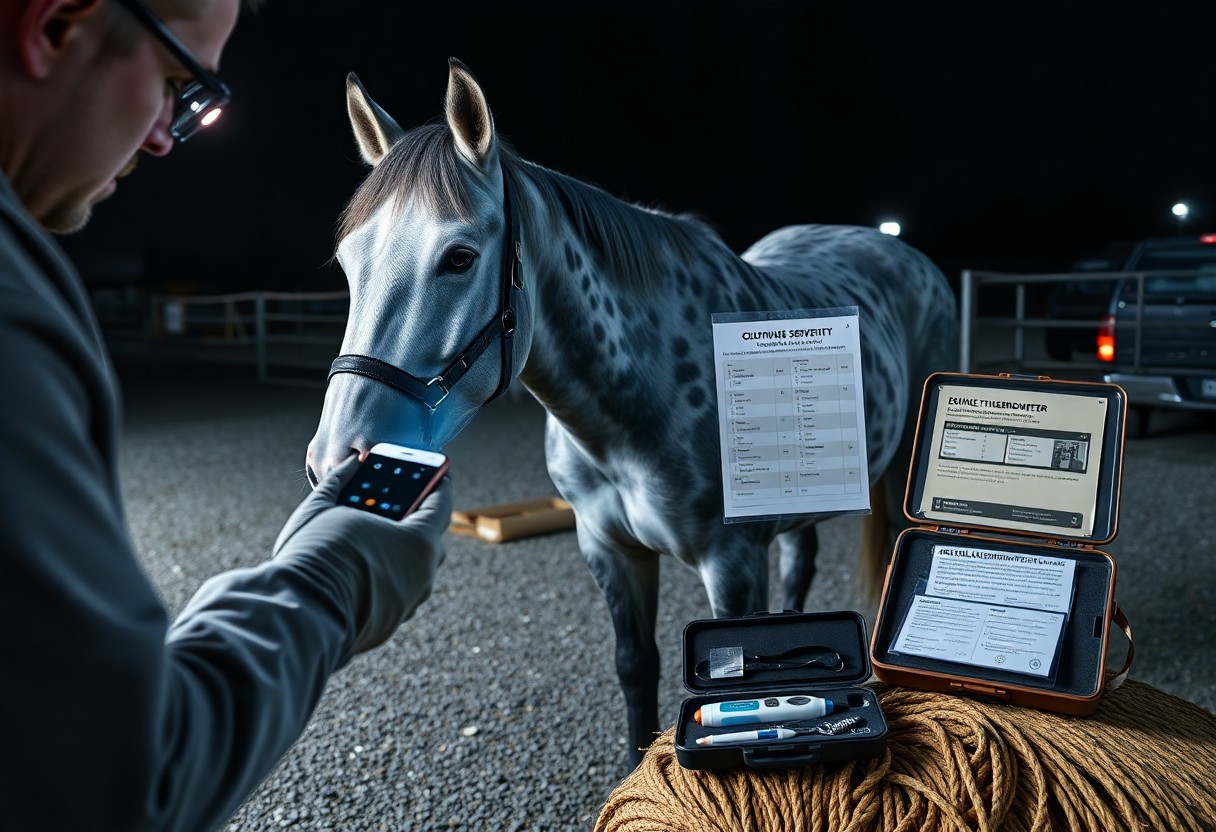
Risk Assessment: Factors Determining Severity
Assess the severity of the colic by noting pain level, duration, manure output and mobility. Check vital signs, prior history and recent feed or access changes. Thou must relay these specifics clearly to the vet.
- Duration of signs
- Pain level and behavior
- Manure output and consistency
- Heart rate and mucous membranes
- Recent diet or environmental changes
- Previous colic or surgery
Environmental and Dietary Triggers
Scan the stable and pasture for sudden dietary changes, lush grass access, grain overload or sand; these triggers often provoke colic. Mark feeding times, recent treats and water availability to report to your vet.
Vital Signs and Behavioral Indicators
Watch for elevated heart rate, rapid respiration, pale or brick-red gums, reduced gut sounds, rolling, pawing or flank-watching as indicators you must report immediately.
If you note a heart rate over 60-70 bpm, absent gut sounds, severe sweating, persistent rolling or a distended abdomen you should call the vet and avoid forceful movement; keep the horse calm, offer small sips of water only if standing comfortably, and record times of observed changes to share with your vet.
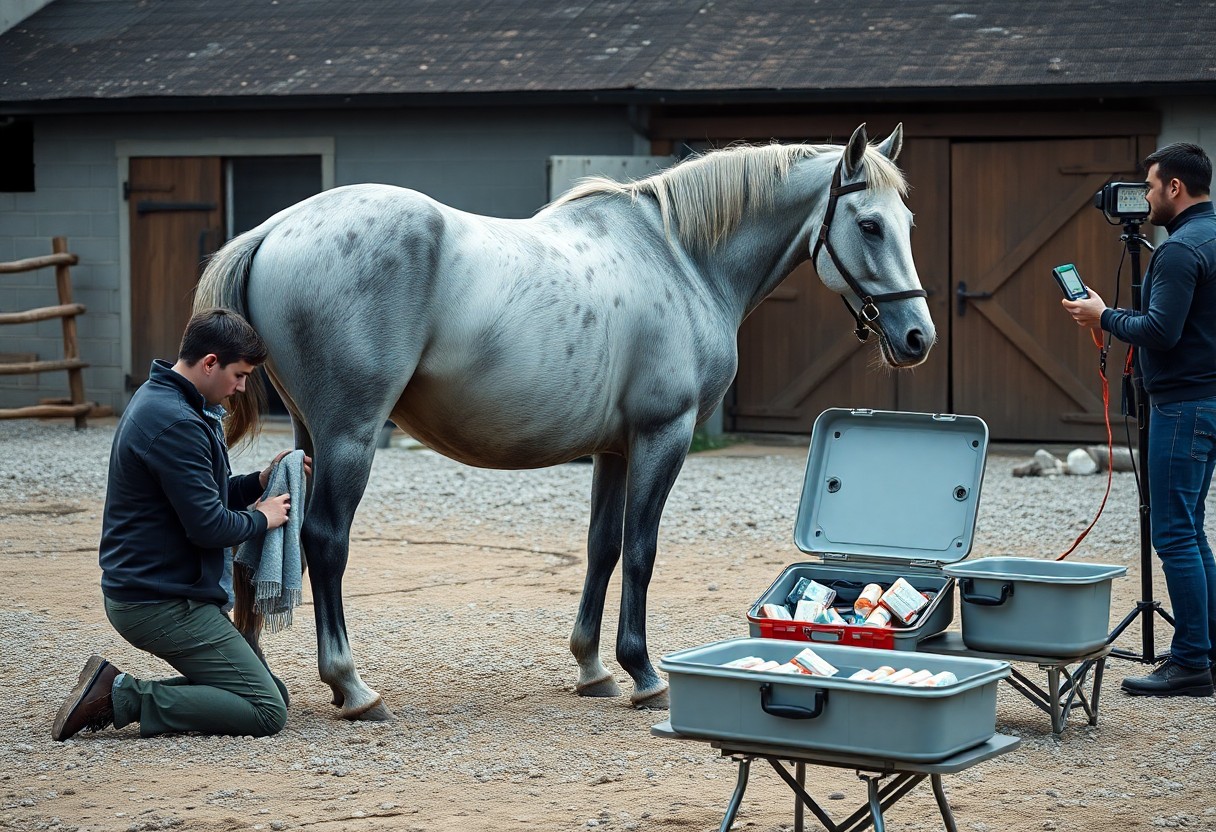
Immediate Action: Step-by-Step Emergency Protocol
Act quickly: you must stabilize the horse, call your vet, and monitor vital signs. Keep the animal calm, remove feed immediately, and prepare to walk gently only if the horse is willing. Note any abnormal behaviors and timings to report to the veterinarian.
| Immediate Action Checklist | |
|---|---|
| Call Vet | Describe signs, onset, and ETA |
| Remove Feed | Take away hay/grain and avoid eating |
| Monitor | Check pulse, respiration, temperature |
| Prepare | Clear area and have halter/lead ready |
Securing the Environment and Removing Feed
Secure the area by moving curious animals and people away; you should remove all feed immediately, close doors and block access to prevent re-ingestion, and provide fresh water only if the vet approves.
Controlled Walking and Movement Guidelines
Lead the horse on a loose lead; you should walk calmly for short periods, avoiding forced movement if the horse resists and stopping if signs worsen. Use safe handlers only and avoid tight circles or trotting.
Monitor gait, respiration, and behavior while walking on firm, level ground for 10-20 minutes; you must stop immediately if you see rolling, repeated pawing, severe sweating, or a distended belly. Keep one handler at the head and, if possible, another at the rear, and relay any changes to your vet.
Handler Safety: Tips for Managing Distressed Horses
Stay calm and control the horse’s space so you keep a clear exit; keep your head away from hindquarters and use a halter only if trained. Recognizing escalating aggression and the severity of horse colic helps you prioritize handler safety when managing distressed horses.
- Keep a clear exit and well-lit area for the horse colic case
- Avoid standing behind the animal; protect against kicks
- Use trained assistants and calm, consistent cues for handler safety
Handling Recumbent or Agitated Animals
If the horse is recumbent, keep it down unless breathing is compromised, monitor respiration and gut sounds, keep it warm, and only reposition with an experienced helper; avoid sudden moves that further stress distressed horses.
Personal Safety Precautions for the Caretaker
Wear a helmet, sturdy boots, and gloves, keep an escape path clear, and position yourself at the shoulder or neck to reduce risk of being struck; communicate actions loudly so others support handler safety.
Maintain awareness of footing and bystanders, remove trip hazards, and keep children and pets away. Keep a lead rope and a spare halter handy, avoid wrapping hands or limbs around the horse, and when repositioning always have an experienced helper at the head and tail to reduce the risk of kicks or crushing injuries.
Medication Decisions: Pros and Cons of Early Intervention
Medication choices you make before the vet arrives can change outcomes; balance early pain relief against the risk of obscuring signs and altering vitals so the vet can still judge surgical need.
| Pros | Cons |
|---|---|
| Rapid pain reduction | Hidden deterioration |
| Easier handling and safer restraint | Masked surgical signs delaying referral |
| Lowered stress and reduced self-injury | Altered heart and respiratory rates |
| Stabilizes behavior for assessment | Suppressed gut motility (ileus risk) |
| Buys time for transport | NSAID-related GI or renal effects |
| Facilitates initial care by you | Dosing errors and drug interactions |
Benefits of Immediate Analgesic Relief
Analgesic administration can quickly lessen pain, making you safer while handling the horse and reducing the risk of self-trauma; reduced pain often calms the patient for assessment.
Risks of Masking Critical Clinical Symptoms
Masking symptoms with analgesics or sedatives can conceal signs you and the vet need to determine severity; hidden deterioration may delay lifesaving interventions.
If you give analgesics before exam, note the drug, dose and time and tell the vet; NSAIDs can hide fever, opioids or alpha‑2 agonists may cause reduced gut motility, and sedatives can produce altered vital signs, all of which risk masking surgical colic and delaying definitive care.
Clinical Preparation: Gathering Data for the Veterinarian
Gather basic measurements, observations, and a clear timeline for the vet; flag continuous rolling, violent pawing, or inability to stand as emergency behaviors to report immediately.
Recording Temperature, Pulse, and Respiration
Measure temperature, pulse, and respiration every 15-30 minutes, recording values and time; report pulse over 60 bpm, fever, or laboured breathing at once.
Quick TPR Guide
| Temperature | Normal 99-101.5°F (37.2-38.6°C); fever or hypothermia = alert vet |
| Pulse | Normal 28-44 bpm; >60 bpm suggests serious distress |
| Respiration | Normal 8-16 breaths/min; laboured or >20 is concerning |
Documenting Recent Changes in Routine and Diet
Note recent feed, turnout, medication, water access, and handling changes; mark sudden feed switches and recent anthelmintic dosing.
List exact timings, quantities, and any new feeds or supplements, plus pasture changes and stressors; include stool consistency, last manure passage, and any behavioral shifts so the vet can assess for obstruction, gas, or post-treatment reactions quickly.
To wrap up
You act quickly to monitor signs, keep the horse calm, withhold feed, manage pain only as advised, and stay communicative with your veterinarian until professional care arrives to improve chances of a successful outcome.
FAQ
Q: What are the immediate signs of colic and how should I assess my horse?
A: Common early signs include pawing, looking at the flank, kicking at the belly, repeated attempts to roll, sweating, lack of interest in food, reduced or absent manure, and increased restlessness. Check vital signs: heart rate normally 28-44 bpm for adults (a sustained rate above 60-70 bpm indicates severe pain or shock), respiratory rate normally 8-16 breaths/min, rectal temperature normally 99-101.5°F (37.2-38.6°C). Assess mucous membrane color and capillary refill time (normal <2 seconds). Perform a brief abdominal auscultation with a stethoscope if available; absent or hyperactive gut sounds are abnormal. Record the time signs began and any recent changes in feed, water, turnout, or medications.
Q: What steps should I take immediately while waiting for the veterinarian?
A: Call the vet right away and describe the signs, vitals, and time of onset. Remove all feed and grain, but allow small sips of water only if the horse is standing calmly and not nauseated. Keep the horse calm and under observation in a safe, flat area free of hazards; move the horse to a small paddock or stall with soft footing if rolling is a risk. Walk the horse slowly if it is colicky but alert and willing to move; stop walking if pain worsens or the horse becomes weaker. Prevent violent rolling by removing nearby objects and having handlers ready to intervene safely; do not tie the horse or attempt forceful restraint that could increase injury. Monitor and log vitals every 10-15 minutes, noting trends. Do not administer painkillers, mineral oil, laxatives, or perform a nasogastric tube unless the veterinarian instructs you; some medications and treatments can mask symptoms or worsen surgical problems. Keep handlers safe by maintaining a clear escape route and using calm, quiet handling.
Q: What information and preparations should I have ready for the vet, and when is emergency transport required?
A: Prepare horse ID, age, weight estimate, recent feed/water intake, time signs began, pasture turnout history, last deworming and vaccinations, current medications, prior colic episodes and treatments, and any observed manure changes. Gather recent videos or photos showing behavior and abdominal contour. Provide current vitals and a log of trends. Emergency transport or immediate surgical evaluation is indicated for sustained heart rate >60-70 bpm, severe or uncontrollable pain despite walking, repeated violent rolling, progressive abdominal distension, signs of shock (pale or very dark reddened gums, prolonged capillary refill >2 seconds, weak pulse), bloody or no feces, or collapse/unresponsiveness. Prepare a trailer, clear access to loading areas, and enlist experienced help if the vet advises transport; move the horse only under the veterinarian’s direction.