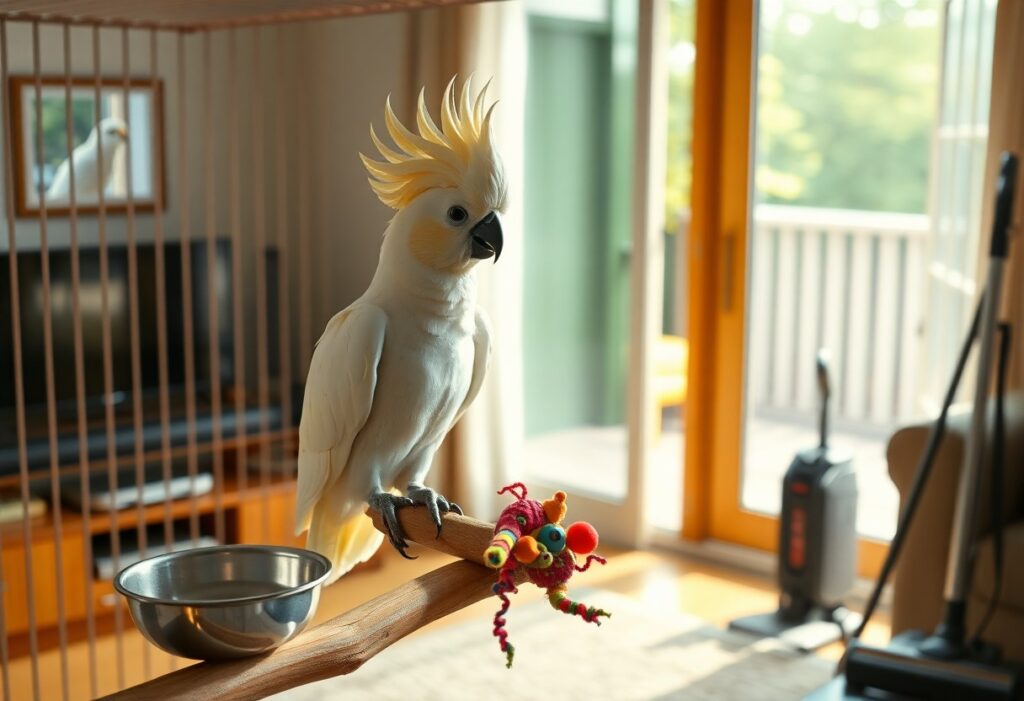
Screaming signals distress; you must identify five hidden triggers-boredom, illness, fear, attention-seeking, environmental noise-and act to reduce stress, prevent injury, and restore calm. This guide shows you practical fixes to create a quieter, safer home for your bird.
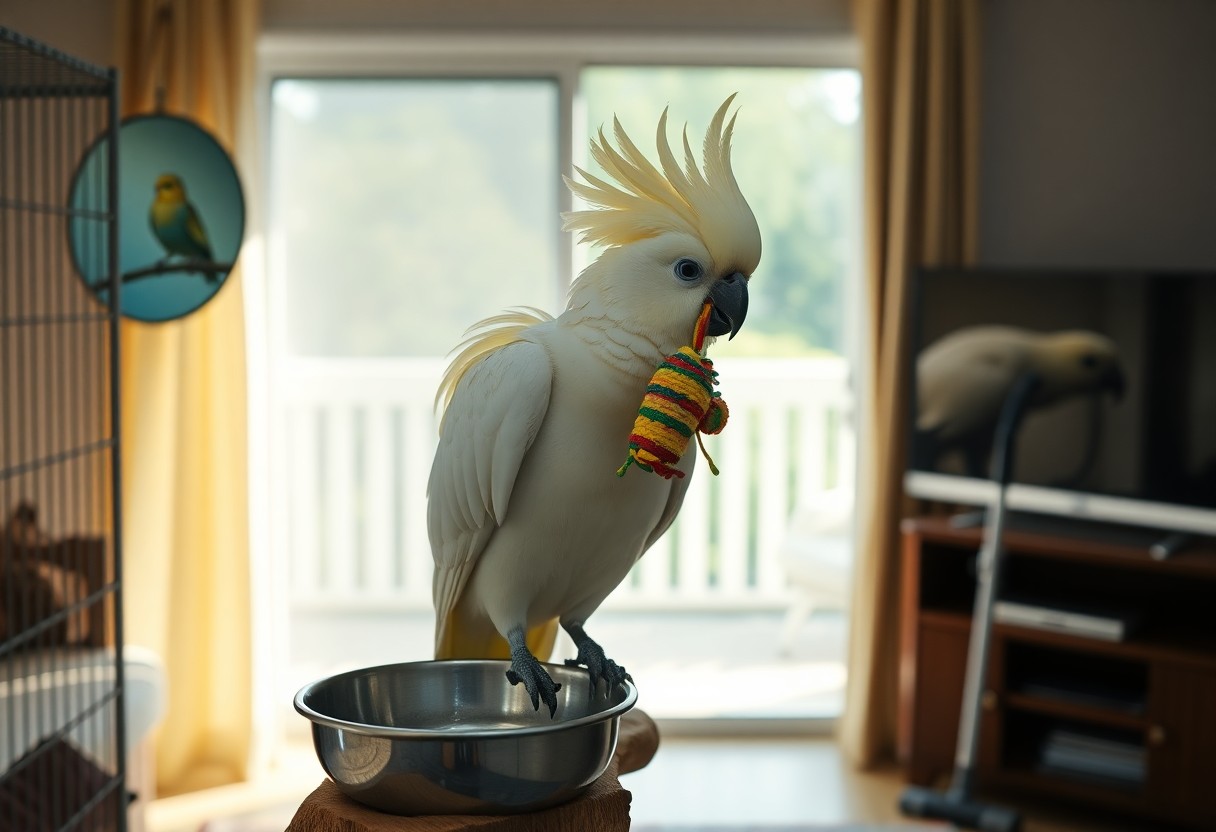
Distinguishing Natural Calls from Problem Screaming
You can tell natural calls from problem screaming by context: brief, rhythmic noises during social cues are normal, while prolonged, high-pitched, or sudden bouts with distress signals and posture changes indicate trouble.
Environmental factors influencing vocal cycles
Ambient noises, lighting shifts and routine changes alter your bird’s vocal cycles. Thou should stabilize daily cues, reduce sudden sounds, and control room brightness to lower triggers.
- Noise spikes (traffic, TV)
- Lighting changes (daylight, lamps)
- Routine shifts (feeding, visitors)
- Temperature swings
Recognizing attention-seeking vs. distress signals
Signs like rhythmic chirps or brief calls usually mean attention-seeking, while frantic, nonstop screaming with fluffed feathers signals distress or possible health issues you must address.
Observe your bird’s posture, eye pinning, and breathing; if screaming persists despite your redirection or includes aggressive lunging, it’s more likely distress or a health problem. You can test responses by offering attention or a favored toy – attention-seeking noise will abate, while ongoing screaming requires vet assessment and consistent training to restore calm.
Five Hidden Triggers Behind Excessive Noise
Hidden issues often drive looping screams: environmental noise, medical changes, social needs, hormonal cycles, and dietary shortfalls. You should scan for sudden changes and medical warning signs like lethargy or feather damage; early detection prevents escalation and restores quieter routines.
Hormonal shifts and dietary imbalances
Hormonal shifts and poor diets can spike vocal behavior; you may see increased aggression, mating calls, or persistent screams. Watch for behavioral changes and consult an avian vet if appetite, droppings, or feathers alter, since untreated issues can become severe.
Lack of mental enrichment and foraging opportunities
Boredom from few toys and predictable routines drives repetitive screaming; you must increase cognitive play and foraging opportunities. Small changes like puzzle feeders, rotated toys, and short training sessions reduce stress and noise quickly.
Offer varied, daily challenges: hide treats in foraging toys, create shredded-paper nests to search, and introduce timed puzzle feeders. Rotate items weekly and use short training sessions so you keep engagement high. Watch for feather plucking or appetite shifts; persistent screaming warrants vet or behaviorist evaluation to exclude underlying illness.
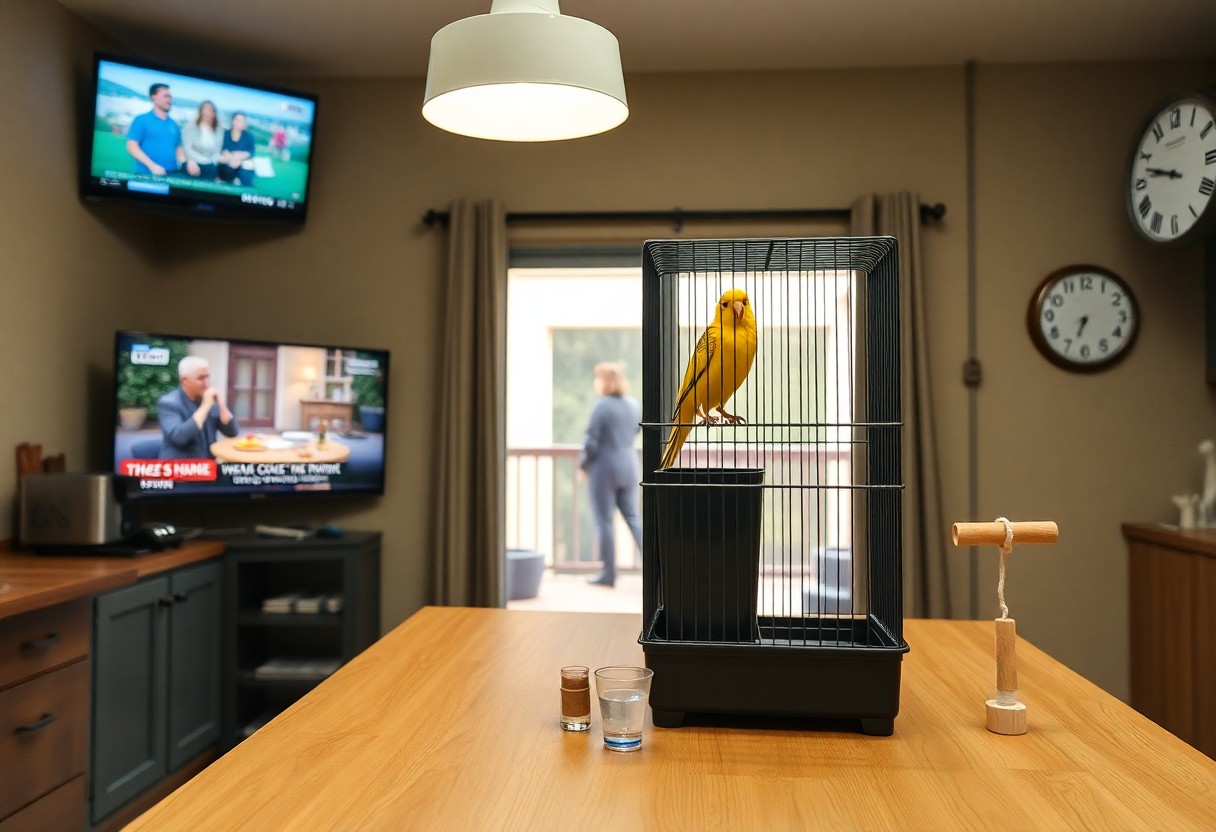
How to Optimize the Home Environment for Quiet
Your home’s routines and layout shape vocal behavior; create consistent cues, cut daytime chaos, and provide a dark, quiet sleep area so your bird learns when noise won’t be rewarded.
Adjusting light cycles and sleep schedules
Set consistent light cycles: give your bird 10-12 hours dark, use a timer and a sleep cover to prevent nighttime disturbances and reduce dawn screaming.
Strategic cage placement to reduce anxiety
Place your bird’s cage where you can see it without constant interruptions; avoid kitchens, busy doorways, and windows facing predators; a stable, elevated spot lowers stress and repetitive calls.
Observe daily triggers near the cage: sudden noises, direct sun, drafts, or constant passerby attention can spike alarm calling; you can shift the cage a few feet, add a partially covered side, position perches away from the busiest angles, and create a predictable refuge that calms your bird and cuts repeated screaming.
Training Tips for Positive Reinforcement
Practice short, consistent sessions where you reward quiet behavior with positive reinforcement, treats, and attention. Use cues to replace the scream with desired sounds. Knowing which triggers to reward helps you reduce noise quickly.
- Reward quiet immediately
- Ignore the scream
- Teach a contact call
How to reward the “contact call” instead of the scream
Teach your bird a short contact call by immediately rewarding it with a treat and attention when it calls quietly; ignore the scream. Use a cue word and reward only the calm sound to reinforce the replacement behavior.
Techniques for ignoring unwanted vocalizations
Ignore attention-seeking screams by withholding eye contact, treats, and play; exit the room calmly until quiet returns. Consistency teaches your bird that noisy behavior does not get rewards, shortening habit cycles.
Patience and consistency matter: meet your bird’s basic needs before ignoring, check for health issues, then calmly remove attention when it screams. Time-outs should be brief and safe; reward quiet with praise or a treat so the desired behavior strengthens over time.
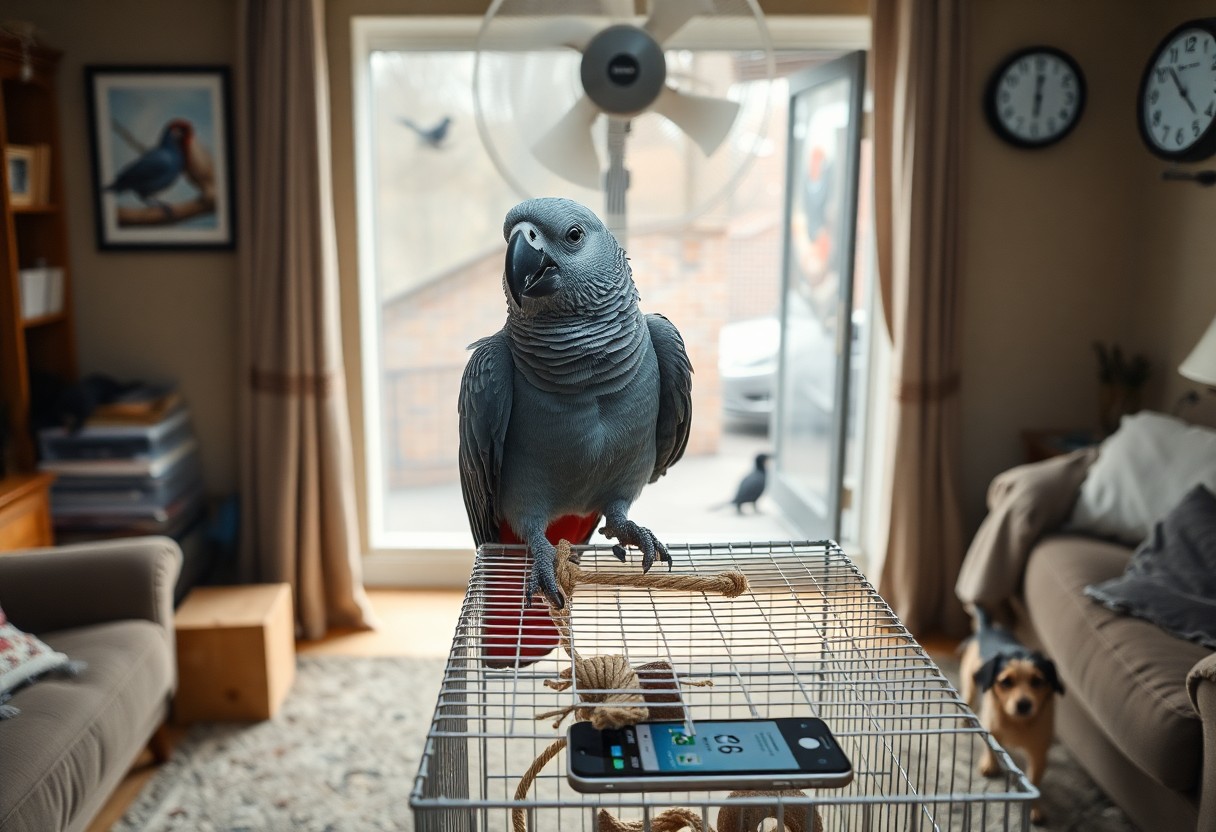
Essential Factors for Long-Term Behavioral Success
Stable daily routines, clear rules and consistent responses reduce undesired screaming. You must pair physical outlets and mental work with predictable interactions so your bird learns acceptable ways to get attention. After you maintain these elements, long-term improvement becomes far more likely.
- Consistency
- Physical outlets
- Predictable routine
- Shared household rules
- Enrichment and training
Consistency across all household members
Household members must respond the same to screaming so your bird learns expectations quickly. You and others should align feeding, attention and consequences; mixed reactions teach the bird to exploit gaps. Consistent responses stop accidental reinforcement of noisy behavior.
Providing appropriate outlets for physical energy
Offer daily flight or supervised out-of-cage time, chewable toys and short training sessions so your bird burns energy instead of screaming. Rotate items and include supervised play to prevent boredom and unsafe behaviors. You should schedule these outlets at consistent times.
Provide structured daily outlets like short flight sessions, target training, puzzle feeders and supervised foraging that mimic natural behaviors and satisfy your bird’s need to move and think. Monitor for signs of fatigue, panic or feather damage and remove hazards such as ceiling fans, open windows and toxic plants. Use varied rotations and brief, frequent sessions with positive reinforcement to reduce noisy frustration and keep your bird engaged.
How to Rule Out Underlying Medical Issues
Check for sudden behavior changes, poor feather condition, drooping wings, appetite loss, or noisy breathing; these can signal illness. If you spot labored breathing, severe lethargy, bleeding, or seizures, treat as an emergency and seek immediate veterinary care.
Identifying physical signs of pain or discomfort
Observe fluffed feathers, reduced activity, favoring a limb, or nonstop calling; these often indicate discomfort. You must watch for open wounds, swelling, breathing difficulty, or sudden weight loss, which warrant prompt veterinary attention.
When to schedule a professional avian exam
Consider an exam if screaming coincides with appetite change, persistent discharge, or recurring injuries. If signs persist beyond 48 hours or you notice labored breathing, severe bleeding, or disorientation, arrange a vet visit immediately.
Bring your bird to an avian vet when symptoms are persistent or severe. The vet will perform a physical exam, crop and beak check, fecal and blood tests, and imaging if needed. You should expect diagnostics to identify infections, parasites, or organ issues; urgent signs like seizures or gasping require immediate emergency care.
Conclusion
The guide helps you identify five hidden triggers for repetitive screaming and gives practical steps to reduce noise, improve your bird’s wellbeing, and restore calm to your home.
FAQ
Q: What are the five hidden triggers that make my bird scream over and over?
A: Five hidden triggers are attention-seeking, boredom and lack of enrichment, hormonal/seasonal changes, environmental alarms, and pain or illness. Attention-seeking: Many birds learn that loud calling gets immediate human reaction; stop reinforcing by using planned ignoring and reward quiet moments with treats or interaction. Boredom and lack of enrichment: Repetitive screaming fills idle time; provide daily foraging toys, supervised out-of-cage play, and a toy rotation so stimulation stays novel. Hormonal and seasonal changes: Longer daylight or sexual maturity increases vocalizations; reduce light exposure to a stable 10-12 hour dark period, avoid mating cues (no cradle sleeping, no excessive petting on the back), and offer extra mental work instead of physical contact. Environmental alarms: Reflections, outside birds, sirens, or neighborhood noise can trigger territorial calls; move the cage away from windows, add visual barriers, or use white noise to mask sudden sounds. Pain or illness: Unexplained, persistent screaming can signal discomfort; watch for changes in appetite, droppings, posture, or breathing and schedule a veterinary exam if any medical signs appear.
Q: How can I quiet my home without harming the bird or suppressing natural behavior?
A: Start with a consistent training and environment plan: assess the trigger pattern, then use scheduled routines, enrichment, and targeted training. Set predictable timing for sleep, meals, and play so the bird feels secure; aim for 10-12 hours of dark, uninterrupted sleep. Replace attention gained by screams with earned rewards: ignore loud calls (no eye contact, no talking) and immediately reward quiet with a small treat, click, or short play session. Increase physical and mental exercise with foraging puzzles, shreddable toys, and daily supervised out-of-cage time; aim for at least one hour of active engagement per day for many parrots. Alter the environment to reduce external stimuli by moving the cage away from windows, adding a partial cover during peak noisy hours, and using soft background sound to dampen sudden noises. Teach a “quiet” cue by reinforcing brief quiet periods and gradually extending them; keep training sessions short and consistent. Seek an avian behaviorist if screaming persists despite these changes or if the bird shows stress or aggression when you attempt to ignore calls.
Q: When is screaming an emergency and what should I do immediately?
A: Seek immediate veterinary care if screaming is accompanied by sudden lethargy, labored breathing, bloody or abnormal droppings, visible injury, severe fluffed feathers, head tilt, seizures, or refusal to eat. On the way to the clinic, keep the bird warm and quiet in a secure carrier, minimize handling to avoid stress, and do not force food or water unless instructed by a vet. For non-life-threatening but concerning changes in behavior-sudden increase in vocalization paired with appetite loss or discharge-contact an avian vet promptly for guidance and possible same-day examination.