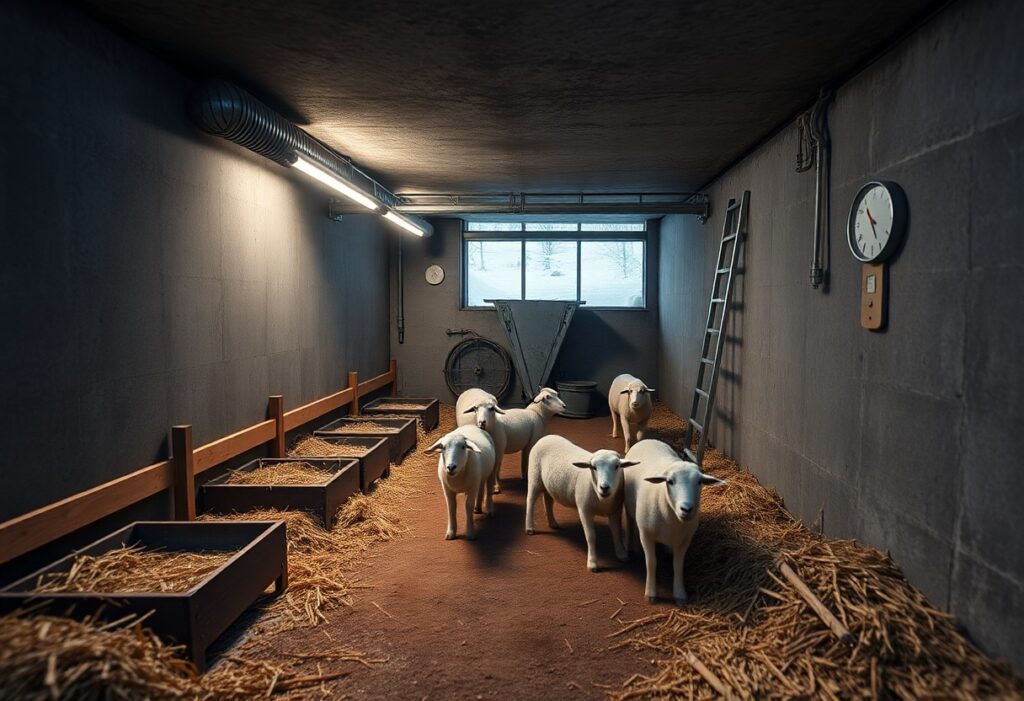
Many small-scale operations use underground shelters to shelter your animals from extreme weather; you should prioritize ventilation, drainage and secure, easy access to prevent flooding, suffocation, and collapse while improving temperature stability and survival rates.
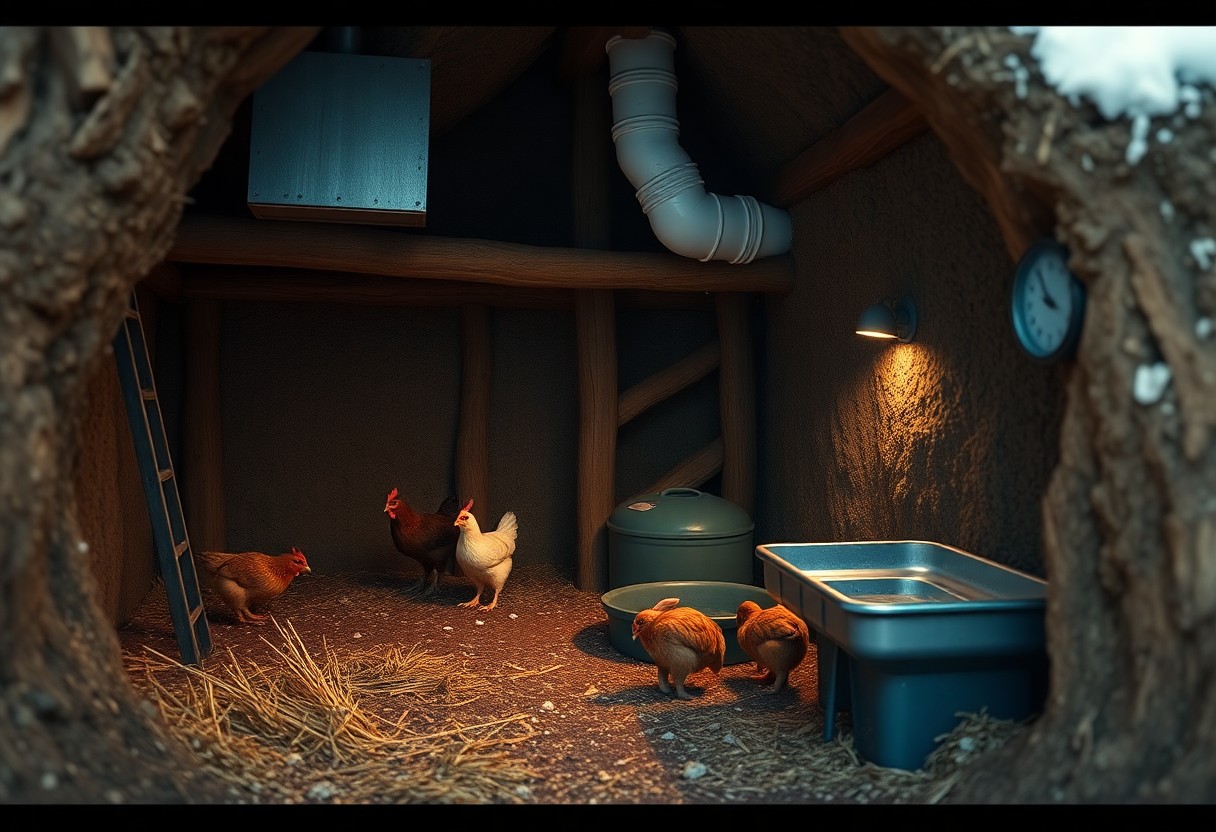
Advantages of Subterranean Thermal Regulation
Subterranean thermal buffering keeps soil-stable temperatures around your animals, protecting them from extreme heat and freezing nights while reducing supplemental heating or cooling needs.
Natural Insulation Against Extreme Temperature Fluctuations
Soil mass stabilizes temperature swings so your herd experiences consistent warmth in winter and cooler summers, lowering heat stress and cutting energy expenses.
Insulation Benefits vs. Animal Impacts
| Thermal inertia | Reduced daily swings; calmer, healthier animals for you |
| Energy savings | Less reliance on heaters/fans; lower operational costs |
| Moisture buffering | Drier bedding longer; fewer respiratory problems |
Structural Resilience During High-Wind and Storm Events
Buried shelters resist uplift and deflect flying debris, keeping your animals safe from roof collapse and high-wind projectiles during storms.
Engineered underground shelters use compacted soil, reinforced concrete, and anchored slabs so you avoid uplift and lateral loads that cause life-threatening collapse. Proper drainage and graded entrances prevent erosion and water pressure that undermine foundations. You should include reinforced access points, internal bracing, and emergency ventilation to ensure rapid evacuation and ongoing animal safety.
Site Selection and Geotechnical Assessment
Choose a site with stable slopes, good drainage, and easy access; you should avoid low-lying areas prone to flooding or erosion. Obtain geotechnical reports to confirm bearing capacity and flag sensitive zones before construction.
Evaluating Soil Composition and Load-Bearing Capacity
Test soil texture, density, and depth to bedrock; you must verify load-bearing capacity, susceptibility to settling and the need for reinforcement. Use probe pits and lab tests to determine whether you can build shallow or need deep foundations.
Analyzing Hydrology and Groundwater Table Risks
Assess surface drainage, runoff paths, and seasonal water tables; you should avoid sites where high groundwater or perched water risks can cause saturated soil and infiltration into shelters. You must design drainage and waterproofing accordingly.
Plan to install monitoring wells and take seasonal readings so you know peak water levels relative to shelter floors. If you detect high groundwater or fluctuating perched layers, design perimeter swales, French drains, and gravel drainfields to divert flow; add sump pumps and sealed membranes to prevent infiltration, flooding, and structural undermining. Consider raised floors, inspection ports, and access for dewatering equipment.
Structural Design and Reinforcement Requirements
Structures must resist soil pressure and heavy snow while protecting animals; you should specify engineered load-bearing walls, adequate roof spans, and corrosion-protected reinforcement. Inspect foundations for settlement and provide tied connections to prevent collapse during extreme events.
Selecting Durable Materials for Earth-Sheltered Walls
Choose materials that resist moisture and load: reinforced concrete, masonry with damp-proofing, or galvanized steel tiebacks. Avoid untreated timber where rot or pest damage can cause structural failure. Factor local soil acidity and frost when specifying mixes and coatings.
Implementing Effective Waterproofing and Drainage Systems
Install continuous membranes, drainage blankets, and perimeter drains to channel water away; you must include access for cleaning and a sump pump where groundwater is high. Left unchecked, water infiltration erodes backfill and undermines foundations.
Maintain a layered approach: primary membrane (self-adhesive or bentonite), a protective board, a drainage layer of clean gravel or engineered drainage mat, and a perforated collector pipe wrapped in geotextile. You should protect membranes during backfill and grade slopes to shed surface water. Install accessible inspection ports and a sump with pump and battery or generator backup where water tables rise. Regularly clear gutters and inlet drains; neglected blockages cause hydrostatic pressure that can crack walls and force water into the shelter.
Environmental Control and Ventilation Systems
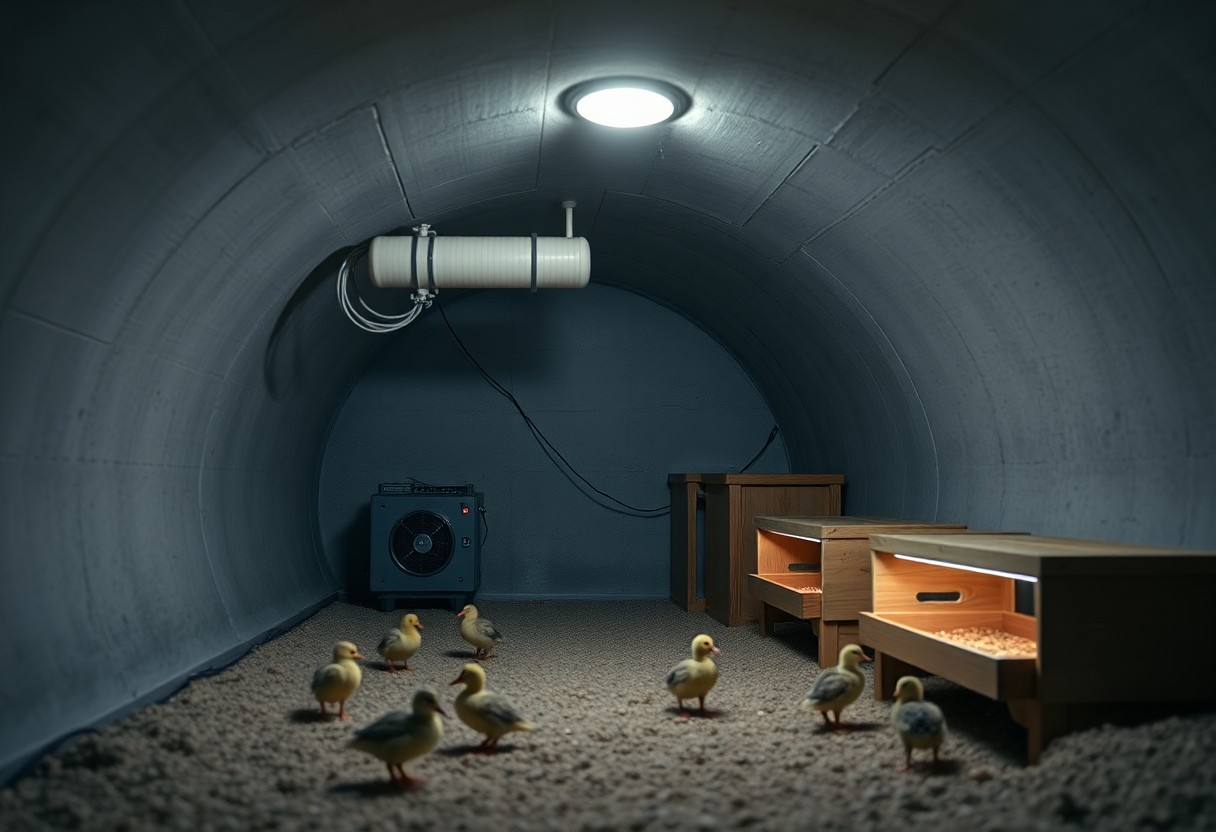
Ventilation in your underground shelter balances temperature, humidity and gas removal so your animals stay healthy. Use passive air paths plus controlled fans and sensors to prevent ammonia buildup and oxygen depletion. Maintain drainage, insulation, and emergency ventilation tied to power backups to protect stock during storms.
Designing Passive and Active Air Exchange Cycles
Designing dual passive stacks and timed fans lets you tailor air changes by season; you should size inlets and exhausts for target exchange rates. Integrate CO2 and NH3 sensors with thermostats and a backup power plan so fresh air continues during outages.
Managing Internal Humidity and Ammonia Concentrations
Monitoring humidity and waste gases prevents respiratory stress; you should keep relative humidity around 50-65% to limit pathogen growth. Use bedding management, drainage and targeted ventilation to reduce ammonia spikes that cause respiratory issues in small stock.
Control humidity and ammonia by installing reliable NH3 and RH sensors and alarms so you get immediate readings. If ammonia exceeds 10 ppm, increase ventilation, remove soiled bedding, and apply bedding acidifiers or manage manure off-site. Use dehumidifiers, improved drainage, and periodic scraping to keep surfaces dry; consider biofilters or scrubbers for persistent emissions. Keep stocking density low and test sensors regularly; sensor-driven ventilation with manual override lets you balance air quality and energy use.
Species-Specific Habitat Modifications
You tailor modifications by species: adjust ventilation, thermal mass, drainage and flooring to suit burrowing or flighted animals, and implement predator-proofing plus escape routes; these measures reduce stress, injury and disease during extreme weather.
Underground Housing Requirements for Poultry and Rabbits
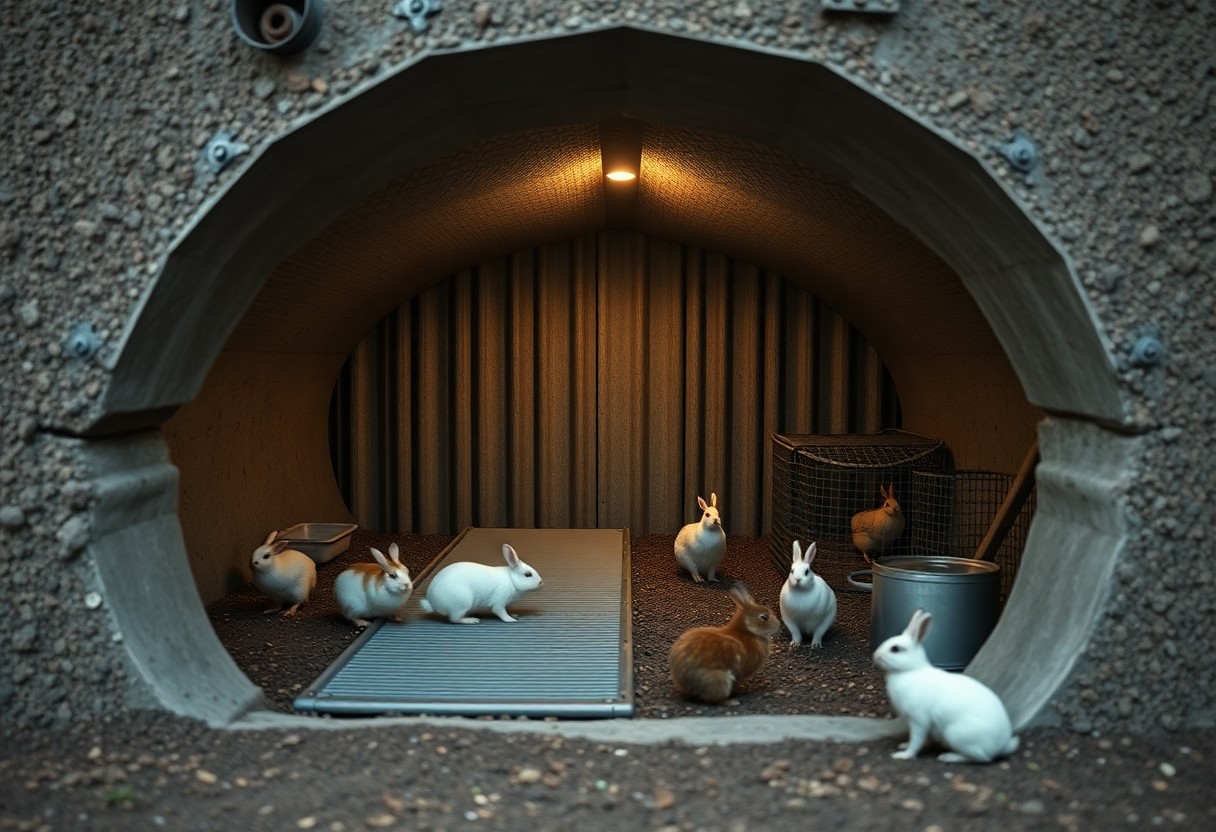
Poultry and rabbits require dry, well-ventilated pits where you control ammonia levels, provide raised nesting or platforms, and seal entries against predators; without adequate drainage you risk flooding and respiratory illness.
Adapting Subsurface Spaces for Small Ruminants
Goats and sheep need reinforced flooring and roomy access ramps so you avoid collapse and hoof issues; install ventilation and dry bedding to prevent respiratory and foot disease.
When you modify subsurface areas for small ruminants, prioritize structural support, non-slip ramps, and layered drainage trenches that divert water away from sleeping zones. You should separate kidding or lambing areas with gentle slopes and provide easy exit routes for frightened animals. Monitor humidity and ammonia; maintain dry bedding and routine checks to prevent hypothermia, lameness and collapse.
Long-Term Maintenance and Safety Protocols
Maintain a strict schedule of inspections, repairs, and equipment servicing so you catch early signs of wear, prevent structural failures, and ensure backup power and ventilation remain reliable; keep clear logs and trained personnel on duty for long-term safety.
Routine Structural Inspections and Moisture Monitoring
Inspect beams, joints, and liners monthly, log moisture readings, and act on any rising humidity to halt mold growth and rot; you should seal leaks immediately and schedule professional repairs when readings exceed safe thresholds.
Emergency Egress Design and Fire Prevention Measures
Design multiple exits sized for animals and handlers, keep routes unobstructed, and install emergency lighting and smoke detectors; you must run regular evacuation drills so animals move quickly with minimal panic.
Ensure fire suppression systems and portable extinguishers are accessible, store hay and fuels apart from shelters, label exits clearly, and give you and any helpers clear roles during drills to prevent trapped animals and reduce fire spread.
Summing up
You can protect small farm animals by installing well-drained, insulated underground shelters with secure ventilation, easy access, and emergency supplies. Regular maintenance and clear evacuation plans reduce morbidity and loss during extreme weather, ensuring animal welfare and operational continuity.
FAQ
Q: Are underground shelters safe for small farm animals during extreme weather?
A: Properly designed underground shelters offer reliable protection from wind, hail, extreme heat and cold by using earth’s thermal mass to stabilize temperature and by providing overhead cover from flying debris. Flood risk and poor air quality present the main hazards; placing shelters above the local water table, installing perimeter drainage, and including a sump or raised sleeping platforms prevents water buildup. Mechanical or passive ventilation and continuous monitoring for ammonia and carbon monoxide keep air safe for animals and handlers. Species-specific features such as elevated perches for poultry, chew-resistant surfaces for rabbits, and non-slip flooring for goats and pigs improve welfare and reduce injuries.
Q: What design elements should I include for ventilation, drainage, and animal comfort?
A: Provide a sloped concrete floor with an exterior French drain or perforated pipe and a sump pump to move water away from the shelter. Install intake and exhaust ducts to promote cross-flow ventilation; combine passive vents with a variable-speed fan for control during high stocking density or extreme temperatures. Size the shelter to allow recommended floor space per animal (example: 2-4 sq ft per laying hen, 10-15 sq ft per goat or sheep depending on age and breed) and give headroom for handlers and animal movement. Use vapor barriers and rigid insulation on walls and ceiling to reduce condensation, and provide dry bedding that can be rotated to manage moisture and ammonia. Include secure, lockable doors with an internal latch and an emergency escape hatch large enough for animals or a handler if evacuation is required.
Q: What emergency preparations and maintenance routines keep an underground shelter reliable year-round?
A: Maintain a regular inspection schedule for drains, floor slopes, seals and ventilation inlets; clear debris and test sump pumps monthly during wet seasons. Keep backup power (battery or generator) for fans, pumps and lighting, and store spare parts for pumps and ventilation fans on-site. Install continuous air-quality monitors with audible alarms and place firefighting and first-aid supplies nearby. Create an evacuation plan with clear animal-handling roles, practiced routes and contingency feed/water caches for multi-day isolation. Follow local building codes and animal-welfare regulations, document maintenance and inspection records, and consult a structural engineer or agricultural extension service during planning and after any major weather event.