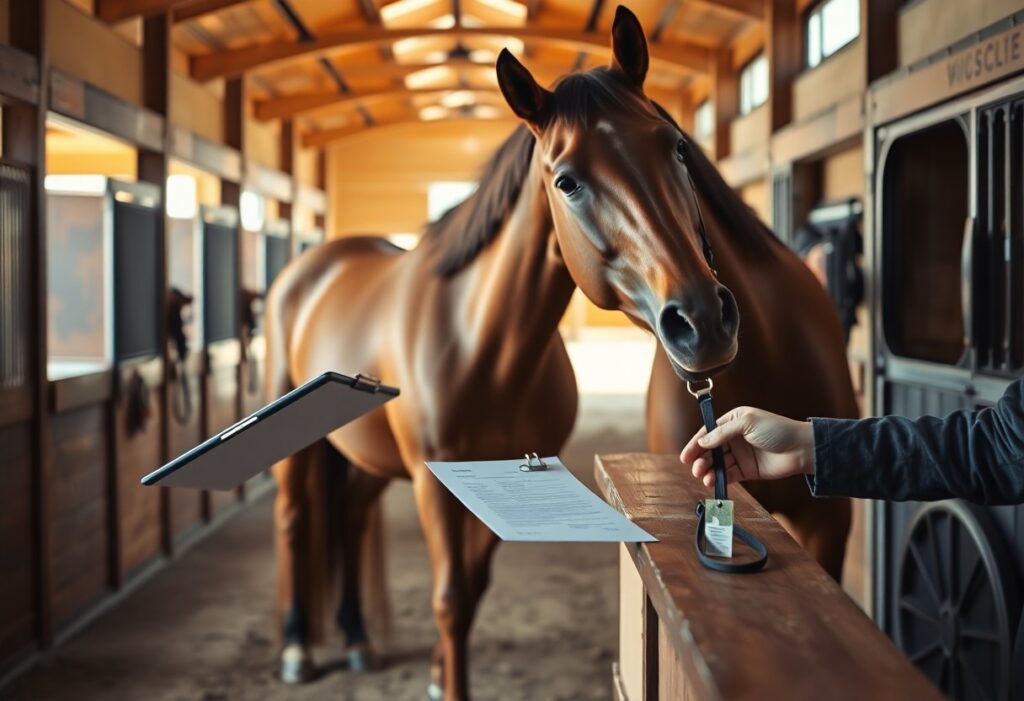
It’s risky to flip horses, and you must weigh high risk of injury and hidden vet bills against real profit potential when you master bloodlines, training and ethics before you decide if buying and reselling horses suits you.
The Economics of Horse Flipping
Margins can be thin and unpredictable when you buy and sell horses; you must account for purchase price, repair, training, and the risk of unsellable animals. High vet bills and low resale demand can erase gains, while some rare profit potential remains if you find the right horse.
Initial Capital Requirements and Acquisition Costs
Upfront money you need covers purchase, transport, inspection, and initial training; budgets of a few thousand to tens of thousands apply depending on quality. Unexpected purchase flaws and transport accidents can spike costs, so factor in a contingency buffer.
Ongoing Operational Expenses: Board, Training, and Veterinary Care
Monthly board, farrier, feed, and routine training typically dominate holding costs; you must budget for vet emergencies and prolonged rehab, which can erase months of projected profit.
Expect variable monthly totals: full-service boarding ranges with location, while training invoices climb if you pursue show-ready conditioning. You should track vaccinations, dentistry, and lameness work carefully. A single colic surgery or extended rehab can cost five-figure sums, turning a profitable flip into a loss, so maintain cash reserves and clear exit timelines.
Identifying High-Potential Prospects
Spotting prospects requires you to prioritize soundness, trainability, age and market demand; avoid horses with unsoundness or behavioral red flags and seek those with high resale value and clear records.
Assessing Conformation, Pedigree, and Temperament
Examine conformation for structural faults, check pedigree for performance lines, and assess temperament under saddle and in-hand so you can price confidently; flag lameness or aggression as deal-breakers.
Sourcing Undervalued Horses in Niche Markets
Explore niche markets-gaited breeds, therapy programs, youth mounts-where you can find underpriced potential; always vet for hidden health issues and verify demand before buying.
Target auctions, breed-specific sales, and online community listings to uncover overlooked horses; use trusted contacts, monitor seasonal demand, and compare recent sale prices to estimate upside. Always perform a thorough PPE and trial ride to avoid costly hidden defects. With planned minor training and conservative budgeting you can turn niche bargains into reliable flips by controlling rehab and resale timing.
Value-Add Strategies for Maximum Return
Value-Add work converts average mounts into sale-ready prospects: you use targeted training, comprehensive vet checks, and quality grooming to justify price increases. Hidden health issues and the risk of injury can erase profits, so weigh expenses against projected higher resale value.
Professional Training Milestones and Skill Development
Training plans emphasize measurable milestones so you can show buyers clear progress. You pay for consistent sessions, exposure work, and discipline under saddle; marketable skills like reliability and manners raise offers, while unresolved behavioral issues can collapse value and create safety liabilities.
Strategic Marketing and High-Quality Presentation
Presentation sells the story: you invest in professional photos, honest video, and polished listings to command better offers. Eye-catching ads and accurate descriptions boost buyer confidence, but overcapitalization on aesthetics without addressing soundness can leave you holding a loss.
Marketing should target ideal buyers by combining targeted ads, trainer networks, and clear documentation you provide – including vaccination records, recent vet reports, and performance logs. You test channels and price points, stage honest videos, and disclose issues; honesty reduces buyer disputes, while misleading listings risk reputational and legal exposure.
Risk Management and Liability
Risk in horse flipping comes from injury, misrepresentation and market swings; you must set aside reserves, carry insurance and vet thoroughly to limit financial and legal exposure.
Mitigating Losses from Injury and Market Volatility
Insure every purchase with a thorough pre-purchase exam and liability coverage so you can absorb medical bills and manage resale delays when injury or market dips occur.
Legal Protections and Transparent Sales Disclosures
Document all vet findings, training records and known issues so you give buyers clear disclosures and limit your exposure to lawsuits over undisclosed defects.
Contracts should include explicit bill-of-sale language, recorded disclosures and buyer acknowledgments of health and behavior issues; you should offer written, limited warranties only, use escrow for high-value deals and consult an equine attorney to draft clauses that reduce fraud risk and strengthen your legal defenses.
Ethical Considerations in Equine Reselling
Ethical practice requires you to prioritize horse welfare over quick gains, refusing to flip horses with untreated injuries or dangerous behaviors, and ensuring proper aftercare before resale.
Prioritizing Horse Welfare Over Profit Margins
Welfare decisions require you to fund vet checks, rest, and rehabilitation even if margins shrink, because the horse’s health must come first before any sale.
Maintaining Integrity and Transparency with Buyers
Transparency obliges you to disclose medical history, training challenges, and prior incidents; hiding facts can lead to legal liability and endanger the horse.
Buyers rely on you to provide complete documentation-vet records, X‑rays, training logs-and honest answers about temperament; offering a written disclosure and a fair trial or return period builds trust. If you misrepresent a horse, you expose yourself to legal action, reputational damage, and risk of serious injury, so use clear contracts and keep communication documented.
Evaluating Investment Viability
Evaluating a horse’s health, training, and market demand helps you estimate profit potential while exposing financial risk and health liabilities. Use vet checks, resale trends, and realistic budgets to decide if flipping fits your goals.
Comparing Equine Assets to Traditional Investments
Markets for horses are less liquid and more subjective than stocks, so you must accept higher transaction costs, variable resale windows, and greater skill-based influence on value.
Side-by-side comparison
| Equine Assets | Traditional Investments |
|---|---|
| Low liquidity, subjective valuation | High liquidity, market pricing |
| High upkeep costs, vet risk | Lower maintenance, predictable fees |
| Skill affects resale value | Performance driven by market data |
Success Factors for Long-Term Financial Sustainability
Cost control, reliable veterinary screening, and realistic timelines increase your chance of profit; poor health or overstretching budgets create dangerous losses. This requires disciplined record-keeping and conservative pricing assumptions.
- vet checks
- training costs
- market timing
Training quality and ethical sourcing often determine buyer trust and resale value, so you should prioritize transparency and long-term welfare to protect reputation and returns. This demands strict welfare standards and documented performance history.
- training quality
- ethical sourcing
- welfare standards
To wrap up
With these considerations you can weigh risks, costs, and ethical responsibilities to decide if horse flipping fits your goals; careful vetting, experience, and humane practices reduce risk, but the market and welfare obligations mean you must treat it as a specialized, uncertain venture rather than a safe, passive investment.
FAQ
Q: What is horse flipping and is it legal and ethical?
A: Horse flipping means buying horses with the intention of reselling them quickly for a profit. Legal status depends on local laws related to animal sales, welfare, and fraud; commercial sellers may need licenses and must follow animal transport and slaughter regulations. Ethical concerns arise when horses are rushed into sale without proper care, rehabilitation, or disclosure of health and behavior issues. Buyers and sellers lower ethical risk by performing full veterinary exams, documenting history, disclosing known problems, and committing to humane treatment while holding or preparing a horse for sale.
Q: What financial risks and potential returns should I expect from buying and reselling horses?
A: Profit margins in horse flipping are highly variable and often small after costs. Purchase price is only one component; ongoing expenses include vet bills, dentistry, farrier, feed, training, stabling, transport, insurance, and sales commissions or advertising. Market demand and timing affect resale price, and health or behavioral problems can erase profits or create losses. Many casual flippers underestimate time and cash flow needed to prepare a horse for sale, and inexperienced flippers face higher risk of undervaluing repairs or misrepresenting an animal.
Q: How can I reduce financial and welfare risks if I consider horse flipping?
A: Require a comprehensive pre-purchase veterinary exam and, when possible, a behavioral assessment by an experienced trainer. Maintain transparent sales contracts that include disclosures, return policies, and timelines for liability transfer. Budget for realistic holding costs and set a maximum acceptable loss before buying. Keep detailed records of veterinary care, training, and expenses to support accurate pricing and legal protection. Work with reputable professionals for transport, prep, and sales, and choose horses with clear soundness and suitable temperaments for the target market.