Over time you will learn your hamster‘s preferences, but start by offering a balanced diet based on high-quality pellets, constant access to clean water, and measured amounts of fresh vegetables for variety.
Use a reliable pellet or block as the staple of your hamster‘s meals; pellets provide uniform nutrition and prevent selective feeding that occurs with seed-only mixes. Offer a small daily portion-about a tablespoon for most Syrian hamsters and slightly less for dwarf species-adjusted for age and weight.
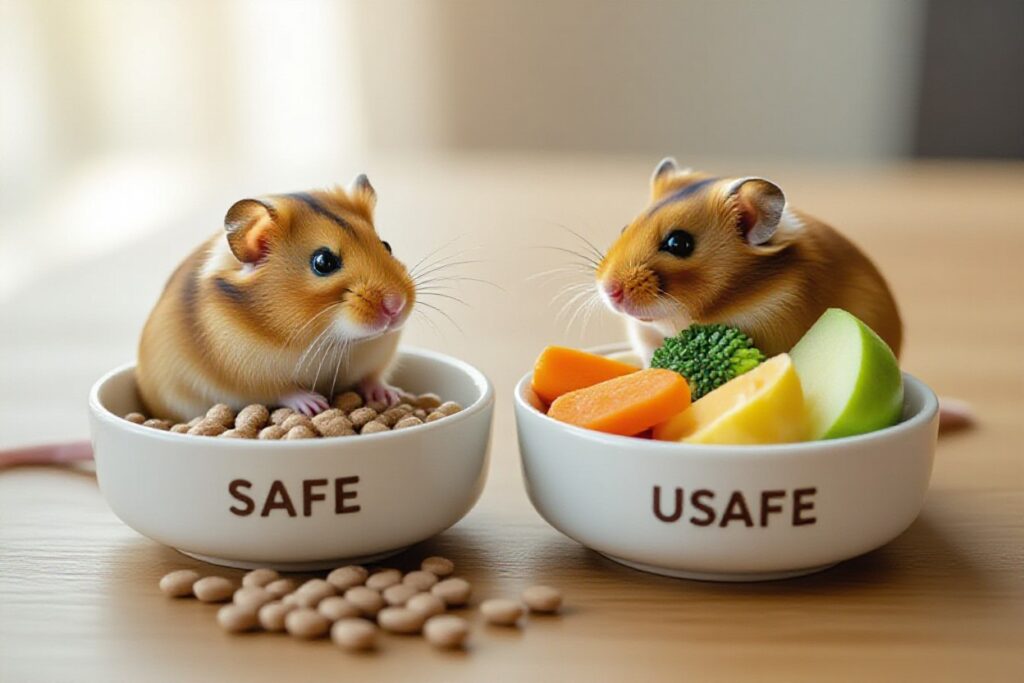
Supplement the pellets with limited seed mixes and occasional fresh vegetables such as carrot, cucumber, and small amounts of leafy greens. Give fruit sparingly because of high sugar; a small slice once or twice a week is enough. Avoid toxic items like onion, garlic, raw potato, and chocolate.
Control treats: seeds, nuts, and commercial sugary snacks are high in fat and calories. Use them for training in tiny pieces. Watch your hamster‘s body condition-if the waistline blurs, reduce treats and increase activity.
Consider species and life stage: young, pregnant, and nursing hamsters need more protein and calories; older animals may require softer foods. If your hamster has health issues, consult a veterinarian before changing the diet.
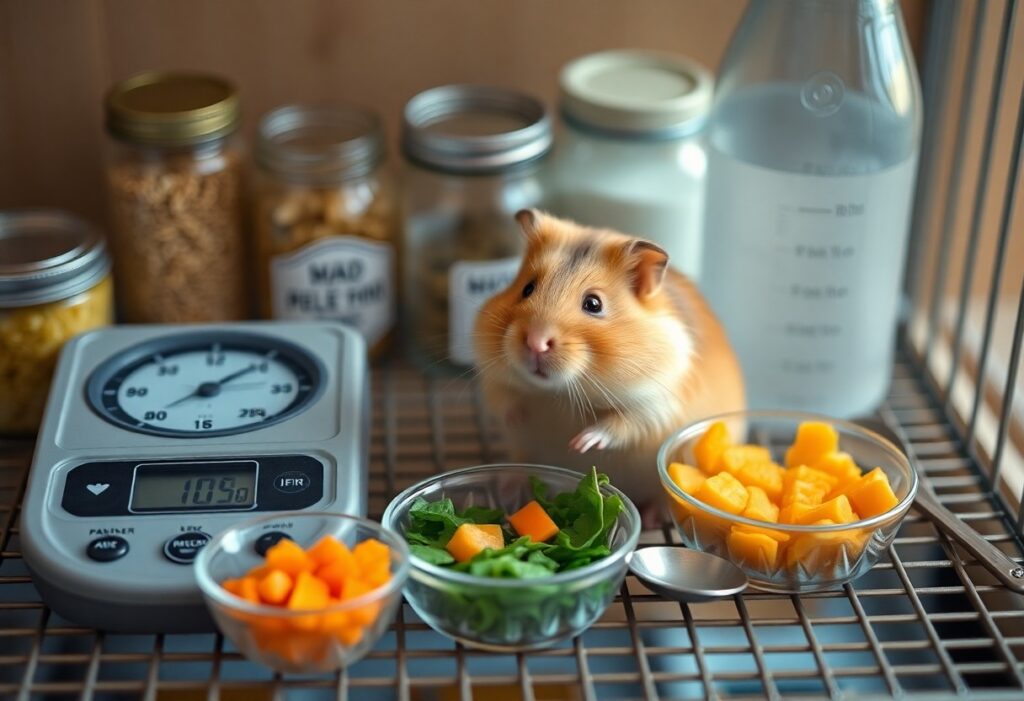
Introduce new foods gradually to avoid digestive upset and remove uneaten perishables within a few hours to prevent spoilage. Provide constant access to fresh water in a bottle or sturdy bowl. Monitor eating habits daily and weigh your hamster weekly to ensure the diet supports a healthy, active life.