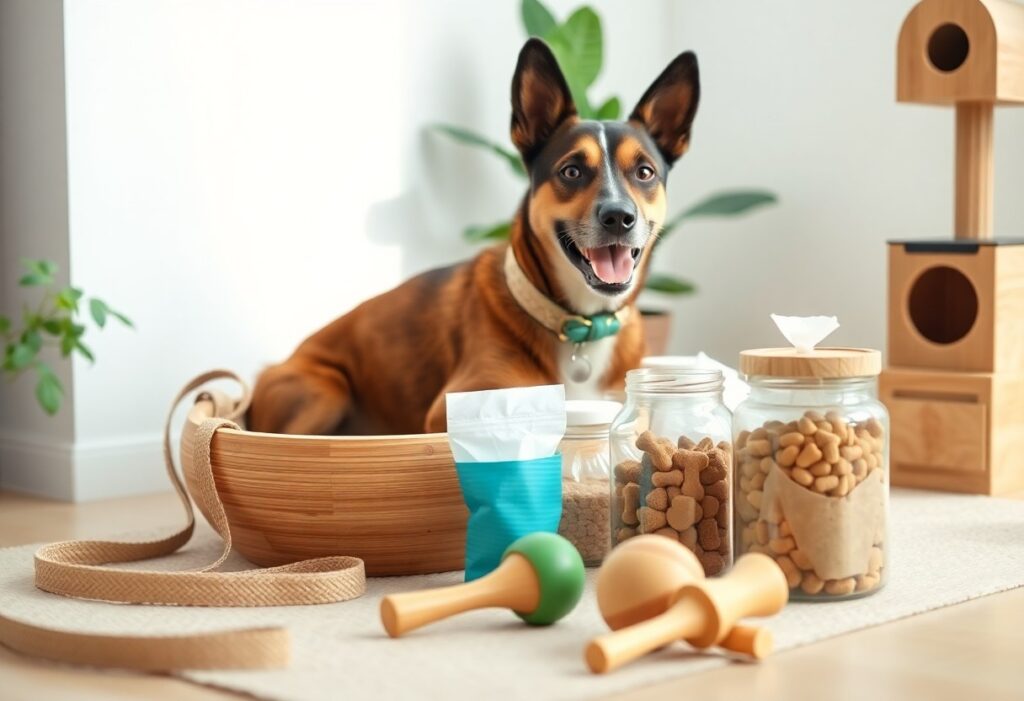
It’s smart to prioritize eco-friendly pet products so you can reduce your household’s environmental footprint while safeguarding your pet’s health. When you choose toys, bedding, and grooming items made from biodegradable or recycled materials and avoid products containing harmful chemicals or microplastics, you cut waste and exposure. Opting for durable, non-toxic alternatives saves money, lowers carbon emissions, and supports brands committed to sustainability.
Understanding Eco-Friendly Pet Products
Definition and Importance
You should view eco-friendly pet products as items made from recycled, renewable, or biodegradable materials, like toys from recycled PET, hemp or organic-cotton leashes, and natural rubber chews. Many compostable options use PLA, which requires industrial composting at roughly 55-60°C to break down properly. Choosing these alternatives reduces landfill mass, lowers your pet’s exposure to synthetic additives, and supports manufacturers that report lower lifecycle emissions compared with virgin-plastic goods.
Environmental Impact of Traditional Pet Products
You likely generate more plastic waste than you think: the U.S. alone uses an estimated over 10 billion single-use plastic poop bags each year, and conventional plastics can persist for hundreds of years in landfills. Synthetic toys, polyester bedding and PVC collars also shed microplastics into waterways and can contain plasticizers such as phthalates associated with endocrine effects, increasing environmental and health risk.
More specifically, multi-layer wet-food pouches and mixed-material packaging are frequently non-recyclable, pushing millions of packaging units into landfills or incineration annually. You should know that compostable bags will not degrade in anaerobic landfill conditions, so access to industrial composting matters; otherwise packaging and single-use items continue to emit greenhouse gases and microplastic pollution throughout their lifecycle.
Sustainable Materials in Pet Products
You’ll find sustainable pet gear made from recycled PET, bamboo, cork, natural rubber and organic fibers; for example, rPET beds divert plastic bottles while bamboo grows back in 3-5 years and offers natural antimicrobial properties. Manufacturers like West Paw reuse post-consumer plastics for durable toys, and cork collars provide water resistance without synthetic coatings. When you choose materials, weigh longevity against end-of-life impact so your pet’s gear lasts and doesn’t become avoidable waste.
Biodegradable and Recyclable Options
Many poop bags and liners use PLA, PBAT or starch blends marketed as compostable, but industrial composting is often required (temperatures above 55°C) for full breakdown; brands such as EarthRated and BioBag specify compostability on labels. You can also select recyclable items-rPET bowls and beds-but check local recycling rules, since mixed materials or textile blends often aren’t accepted and must be separated before processing.
Organic and Natural Materials
Organic cotton, hemp, wool and untreated cork reduce your pet’s exposure to synthetic chemicals and pesticides; seek GOTS or OEKO‑TEX certified textiles to ensure low-toxicity processing. Hemp delivers strong fiber that softens with use, wool offers natural temperature regulation and antimicrobial traits, and cork provides a lightweight, water-resistant alternative for collars and tags-each choice lowers chemical load in your home and landfill impact.
GOTS certification requires products labeled “organic” to contain at least 95% certified organic fibers (and a 70% threshold for “made with” claims), so you can verify supply-chain standards; Burt’s Bees for Pets is an example brand using certified organic cotton in toys and beds. You’ll extend product life by choosing reinforced stitching and removable, washable covers-natural fibers can biodegrade faster than synthetics, so maintenance and repair are key to minimizing overall environmental impact.
Eco-Friendly Pet Food Choices
When choosing sustainable options, prioritize ingredients that cut your pet’s environmental footprint: insect protein can produce up to 90% less greenhouse gases than beef, and plant-forward recipes often use 30-50% less land than traditional meats. You can reduce your pet’s overall impact-one study linked pet food to roughly 25% of a pet’s environmental footprint-by opting for certified, upcycled, or algal-sourced omega-3 options.
Sustainable Sourcing Practices
Demand transparency: check labels for MSC, ASC or Upcycled Pet Food Alliance membership and ask brands for batch-level traceability. Choose proteins from local or regenerative farms using rotational grazing or cover crops, and prefer insect farms that use vertical, low-water systems. Beware of ingredients tied to overfishing or deforestation; you should favor suppliers that publish sourcing audits and third-party verification.
Nutritional Benefits of Eco-Friendly Pet Foods
Insect meals, like black soldier fly larvae, often contain around 40% protein and deliver important amino acids, while algal oils supply EPA/DHA without fish stock pressure. You may see fewer food sensitivities when switching proteins, and many plant-forward formulas boost fiber and gut health. Verify the product meets your region’s nutrient profiles so your pet gets complete, balanced nutrition without sacrificing sustainability.
Check for an AAFCO feeding trial or a nutritional adequacy statement; brands that pass trials demonstrate your pet receives required calories and micronutrients. Clinical studies indicate insect-based diets can offer digestibility comparable to poultry, and algal-sourced omega-3s match fish oil levels of EPA/DHA. Transition slowly over 7-10 days, monitor stool, and consult your vet if your pet has special needs or weight-management goals.

Sustainable Pet Supplies
Across your pet needs-bowls, leashes, litter and toys-you cut waste by choosing recycled or rapidly renewable materials. For example, bowls in bamboo fiber or stainless steel avoid single-use plastics, and beds made from recycled PET often reuse dozens of plastic bottles. Prioritize durability and repairability; disposable, chemically treated products increase waste and exposure to toxins, while durable options lower long‑term environmental and health impacts.
Toys and Accessories
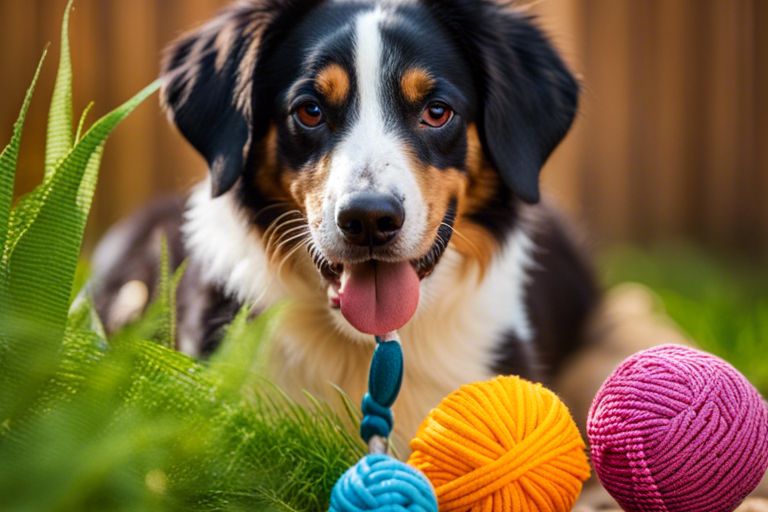
Hemp rope, jute tug toys, natural rubber chew toys, and balls made from 100% recycled PET are practical options you can rely on. Many textile standards like GOTS and Oeko‑Tex verify low‑toxicity materials, and suppliers that offer repair kits extend lifespan. Avoid toys with small detachable pieces-choking hazards-and prioritize durable designs that reduce turnover and waste.
Bedding and Grooming Supplies
When selecting bedding, you can choose organic cotton, hemp, kapok, or recycled PET fills; several brands now reclaim plastic bottles into durable stuffing. Grooming tools such as bamboo‑handled brushes and stainless‑steel combs cut single‑use plastic, while solid shampoo bars and refillable conditioner pouches reduce packaging. Watch for chemical flame retardants and microfiber fills that shed microplastics when washed.
Kapok is a lightweight, biodegradable plant fiber with natural water resistance, and buckwheat hulls offer firm, compostable support-both alternatives to synthetic foams that resist recycling. You should favor beds with removable, machine‑washable covers and refillable inserts; some manufacturers repurpose 10-30 recycled bottles per cushion, keeping plastic out of landfills. For grooming, choose refill stations, biodegradable wipes, and shampoo bars to substantially cut plastic waste and extend product life.

The Role of Pet Owners in Sustainable Living
With about 70% of U.S. households owning a pet and the pet industry topping $100 billion annually, your purchasing and care habits have measurable environmental impact. You can shift demand by choosing durable toys, low-impact food sources, and products that minimize packaging. Small changes-opting for refillable kibble, donating or repairing toys, and selecting sustainably sourced ingredients-add up across millions of households to reduce waste, emissions, and pressure on supply chains.
Responsible Consumer Choices
You should prioritize brands with transparent supply chains and recognized certifications like B Corp or FSC, and prefer materials such as recycled plastic, natural rubber, or bamboo over virgin plastics. Buying in bulk or from refill stations cuts packaging, while choosing durable toys and replaceable parts extends product life. For example, brands like West Paw and Earth Rated offer items that lower landfill contributions compared with single-use alternatives.
Reducing Waste and Carbon Footprint
You can cut your household’s pet-related footprint by switching to compostable poop bags, paper- or wood-based cat litters, and concentrate or freeze-dried food that reduces transport weight. Municipal composting programs often accept certain pet-related materials, and using refill hubs for food and treats reduces packaging volume. Prioritizing local, seasonal ingredients in pet diets also lowers transport emissions compared with imported specialty diets.
Take practical steps at home: segregate recyclable packaging, store bulk food in airtight containers to avoid spoilage, and choose toys designed for repair or recycling. Be cautious with waste streams-do not compost cat feces for vegetable gardens because pathogens like Toxoplasma gondii can persist in soil for months; instead use municipal disposal or certified composting services that process pet waste safely. These measures lower landfill input and reduce microplastic and pathogen risks.
FAQs about Eco-Friendly Pet Products
Common Misconceptions
You may think sustainable pet gear means flimsy or expensive items, but many options-like recycled PET toys and stainless-steel bowls-last longer and cut lifetime cost; compostable litters can break down in months under proper conditions versus clay that persists, and choosing non-toxic formulas reduces chemical exposure for your pet. Brands such as West Paw and EarthRated blend durability with low impact. After comparing replacement frequency and waste, you’ll likely shift what you buy.
- biodegradable litter
- recycled PET toys
- non-toxic grooming
- durable bowls
Tips for Transitioning to Eco-Friendly Products
You should phase changes so your pet adapts: swap one item per month-start with high-waste items like litter or poop bags-and test single items first; many owners report successful transitions within 3-6 weeks per product. Look for clear labels, ingredient lists free of phthalates and parabens, and trial sizes to avoid waste. After testing a product on a small scale, commit or keep the old item as a fallback.
- phase swaps
- trial sizes
- ingredient checks
- certifications
You can prioritize swaps that yield the biggest waste reduction: change litter to a compostable formula, switch to recycled waste bags, then move to long-lasting toys and bedding; if your cat is picky, mix new litter with old over 7-10 days, and when changing treats introduce one per week to monitor reactions. Manufacturers often publish lifecycle data-choose products with clear percent-recycled content or biodegradability claims. After following a phased plan and tracking replacement rates, you’ll notice lower waste and often lower annual costs.
- compostable litter
- recycled waste bags
- long-lasting toys
- ingredient transparency
To wrap up
To wrap up, adopting eco-friendly pet products lets you reduce your environmental footprint while protecting your pet’s health; prioritize durable, non-toxic, and biodegradable materials, check sourcing and certifications, favor brands with transparent supply chains, and opt for reusable or recyclable options-your consistent choices support sustainable living and set a positive example for others.