Pet exercise plans should start with your animal’s breed, age, and health profile in mind; by setting a consistent schedule and progressive goals you control fitness and behavior. You must watch for signs of overexertion and the risk of heatstroke or joint injury, and adjust intensity as your vet advises. A balanced mix of cardio, strength, and play delivers improved weight, mood, and longevity, and clear tracking helps you sustain results.
Understanding Your Pet’s Exercise Needs
You should match activity to your pet’s species, breed, age and health: many dogs need 30-120 minutes daily (working breeds at the high end), cats thrive on 10-20 minutes of interactive play twice daily, rabbits benefit from 3-5 hours of supervised free-roam, and most birds need 1-4 hours out-of-cage time. Watch weight and mobility closely-obesity raises risk of diabetes and joint disease, while adequate play supports mental health and reduces behavior problems.
Factors Influencing Exercise Requirements
You evaluate age, breed, health and temperament to set daily targets; for example, a Border Collie often needs 90-120 minutes while a bulldog may need 20-40 minutes with low-impact activity. After assessing these factors, you should design sessions that balance cardio, strength and mental stimulation, and adapt if your pet shows signs of pain or overexertion.
- Age
- Breed
- Health status
- Temperament
- Environment
Different Types of Pets and Their Activity Levels
Dogs vary widely: toy breeds may do well with 20-40 minutes daily while working breeds need 60-120 minutes; cats typically need short, intense sessions (10-20 minutes) twice daily; rabbits require several hours of supervised roaming; parrots and corvids often need 1-4 hours of flight or foraging; small rodents need 30-60 minutes out-of-habitat with enrichment. Knowing how your pet’s species-level needs translate to your routine helps prevent obesity and boredom.
- Dogs
- Cats
- Rabbits
- Birds
- Rodents
| Dog (by type) | 20-120 min/day (toy to working); include walks, runs, and training |
| Cat | 10-20 min sessions, 1-2 times/day of interactive play and hunting games |
| Rabbit | 3-5 hours supervised free-roam plus hiding/foraging enrichment |
| Bird | 1-4 hours out-of-cage time or flight, plus puzzle and toy stimulation |
| Rodent (guinea pig/hamster) | 30-60 min supervised exploration and wheel or tunnel exercise |
You can refine plans by tracking intensity and recovery: use a collar activity monitor for dogs, time play sessions for cats, and log mobility changes for seniors; a study of 200 dogs showed consistent daily walks reduced weight gain by 25% over 6 months. Knowing baseline metrics lets you progress safely and spot injury or fatigue early.
- Tracking
- Progression
- Recovery
- Monitoring
- Safety
| Metric | Practical target or tool |
| Duration | Minutes per day by species/breed; adjust every 2-4 weeks |
| Intensity | Low-impact for arthritis, interval play for fitness |
| Frequency | Multiple short sessions for cats, longer single sessions for many dogs |
| Signs | Monitor gait, appetite, and behavior for warning signs |
Setting Realistic Goals for Your Pet
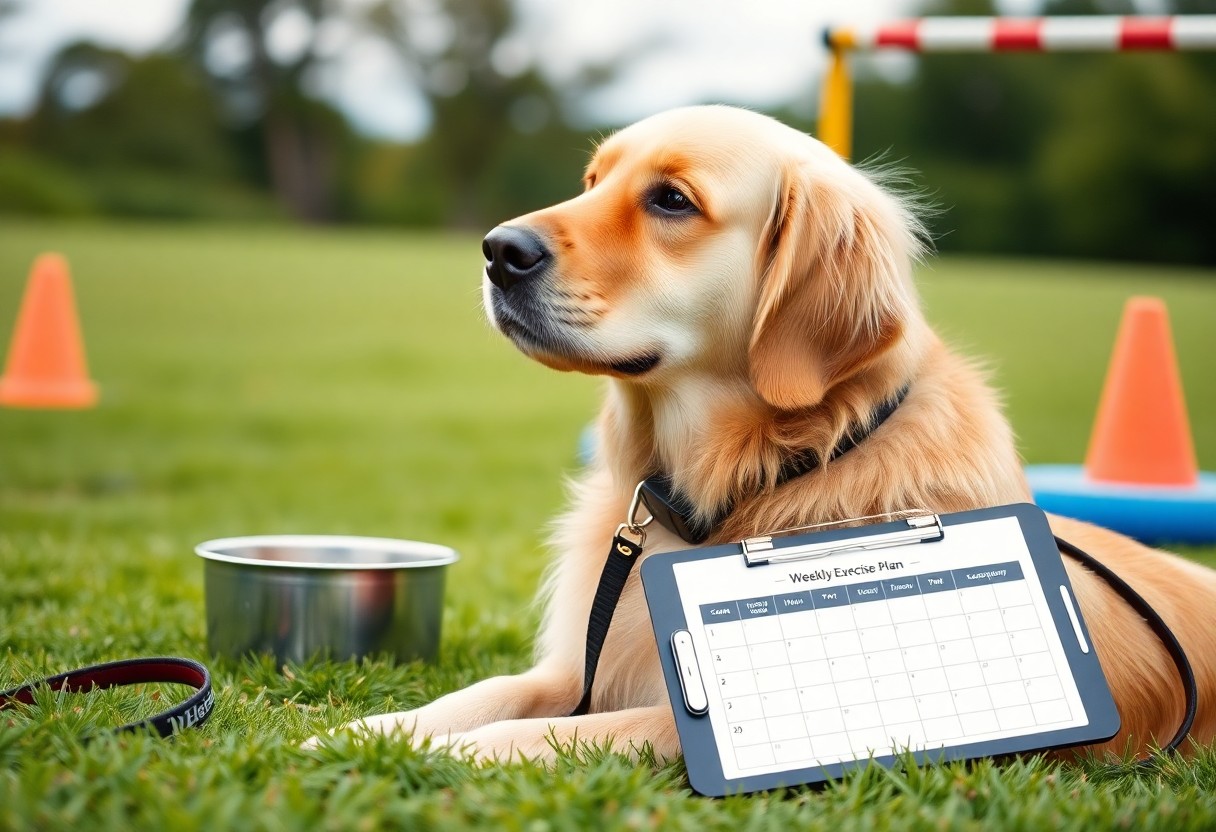
You should set measurable, time-bound targets like increasing active minutes by 10% per week until you reach a maintenance level-many adult dogs benefit from 30-60 minutes/day, high-energy breeds 60-120 minutes, and cats respond to 10-20 minute play sessions 2-3 times daily; when ramping up, avoid sudden jumps in intensity to prevent injury and consult your vet if your pet has heart, joint, or respiratory issues.
Assessing Current Fitness Levels
You can establish baselines with a simple 6-minute walk test (record distance) and a resting respiratory rate (healthy dogs often 10-30 breaths/min); note how far or how long your pet walks before slowing, count stair climbs or jumps, and log activity for two weeks-stop and seek veterinary advice if you see excessive panting, persistent limping, collapse, or lethargy.
Tailoring Goals Based on Breed and Age
You must adapt goals by energy profile and growth stage: use the common puppy guideline of ~5 minutes per month of age, twice daily, delay high-impact exercise for large breeds until 12-18 months, give working/herding breeds longer, more intense sessions, and provide seniors shorter, low-impact activities like swimming or controlled leash walks to protect joints and mobility.
If you have a 2-year-old Border Collie, aim for 90-120 minutes/day including sprint play and mental tasks; an 8-year-old Labrador with arthritis should target ~30 minutes low-impact walking plus 15-minute pool sessions 2-3 times weekly to reduce joint stress; for a 5-month-old Great Dane puppy follow the 5-min-per-month rule, avoid long runs and stairs, and reassess monthly with your vet to adjust goals safely.
Developing a Structured Exercise Plan
You can create a weekly blueprint that balances intensity, rest, and progression: aim for a baseline of 30-60 minutes daily for most adult dogs and 10-20 minutes two to three times daily for cats, then adjust by breed, age, and health. Schedule at least one longer session (60-90 minutes hike or play) and two lighter days for recovery. Use a simple log to track activity, weight, and behavior; sudden decline in energy or mobility is a warning sign.
Determining Duration and Frequency of Exercise
Base sessions on age and breed: puppies generally get about 5 minutes per month of age per session (twice daily), high-energy breeds like Border Collies need 60-120 minutes daily, while brachycephalic breeds often do best with 20-30 minutes low-intensity work. Divide total time into shorter bursts to prevent fatigue; for example, three 20-minute walks or five 10-minute play sessions. Watch for excessive panting, limping, or collapse as signs to stop immediately.
Incorporating Variety to Keep Your Pet Engaged
Rotate activity types-structured walks, scent games, fetch, training drills, swimming, and puzzle feeders-to engage different muscles and mental centers; try a 10-minute sprint interval (30s sprint/90s walk) for high-energy dogs and 5-10 minute chase-play for cats, repeated 2-3 times. Variety reduces boredom, lowers destructive behavior, and builds overall fitness; mix three different activities per week to maintain interest and progress.
For deeper variety, design a weekly plan: Monday fetch 30 minutes, Tuesday scent-trail 45 minutes, Wednesday light training 20 minutes, Thursday swim 20-30 minutes, Friday agility or puzzle feeder 25 minutes, Saturday long hike 60+ minutes, Sunday rest or gentle play. Include species-specific examples-treadmill or lure-coursing for dogs, climbing towers and timed puzzle feeders for cats-and avoid hot pavement between 10am-4pm to prevent paw burns and heatstroke.
Interactive Activities for You and Your Pet
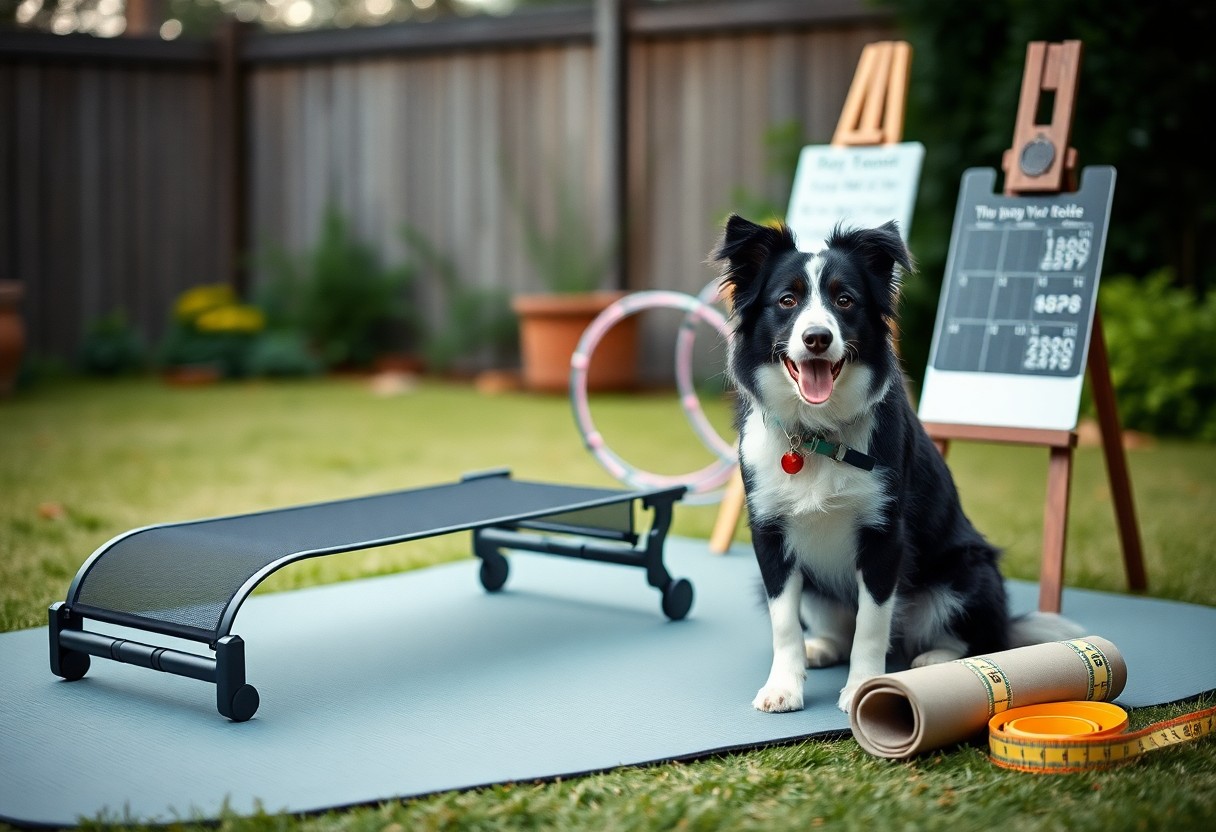
Rotate games-fetch, tug, scent work, and hide-and-seek-to keep sessions fresh; for most dogs aim for 20-30 minutes twice daily, while cats often do best with two 10-minute burst sessions. You should mix high-energy intervals (2-3 minutes on, 1-2 minutes rest) with calm bonding activities like grooming or training cues, and always watch for heavy panting or stiffness as signs to stop.
Outdoor vs. Indoor Options
Take advantage of outdoor space for running, trail walks, and swimming (10-20 minute swims), but use indoor options-puzzle feeders, stair sprints, laser play-when weather limits you. You can structure sessions as interval workouts (3 minutes high intensity, 2 minutes rest) and avoid exercise during extreme conditions: skip midday heat above 80°F (27°C) or icy surfaces to prevent injury.
Socializing with Other Pets and Owners
Start social introductions on neutral ground, using 1-2 minute on-leash meetups and gradually extend by about 5 minutes as comfort increases; many puppy classes run weekly for 6-8 weeks and exemplify gradual exposure. You should prioritize calm behavior with treats and short, frequent sessions, and be wary of unsupervised off-leash meetups that can escalate into fights.
Before group interactions, verify vaccination and parasite prevention status and perform a quick temperament screen: keep initial distance of 10-15 feet, use high-value treats to reward calm, and watch body language-stiff posture, pinned ears, or a tucked tail indicate stress, so you should separate dogs immediately to de-escalate.
Monitoring Progress and Adjusting the Plan
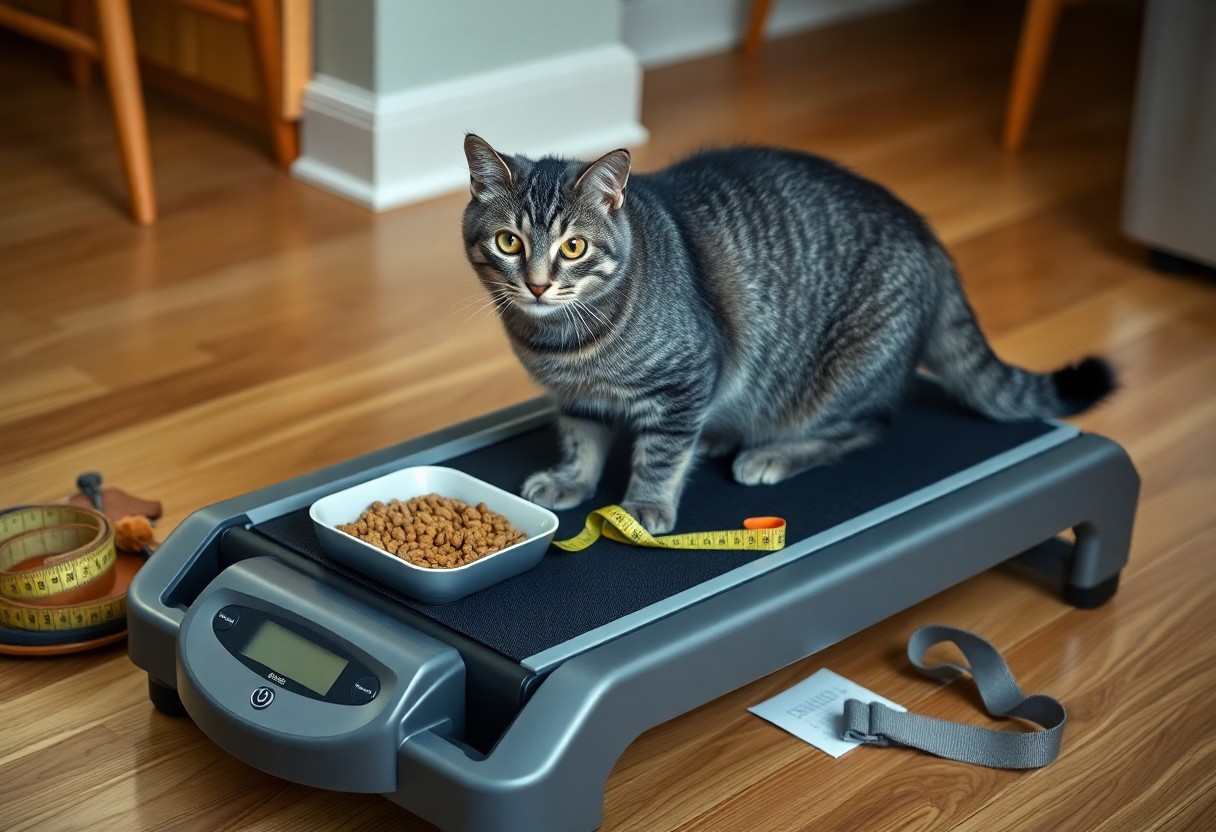
Monitor weekly and log objective metrics so you can judge progress: weigh and assess body condition score (1-9) every two weeks, track activity minutes and steps daily, and use a rule like increase activity no more than 10% per week to prevent injury. Use trackers (FitBark, Whistle) or a simple spreadsheet and note gait, appetite, and sleep. Adjust intensity if weight stalls, BCS shifts by one point, or you observe lasting stiffness after workouts.
Tracking Your Pet’s Fitness Journey
Track each session by logging duration, intensity, and enrichment type so you can spot trends; for example, aim for 30 minutes/day brisk walks for many dogs or 10-15 minutes play twice daily for cats. You should record resting respiratory rate and resting heart rate before exercise-dogs typically 60-140 bpm, cats 140-220 bpm-and compare weekly. Set specific targets like distance, minutes, or BCS changes to measure success.
Recognizing Signs of Overexertion
You must watch for warning signs during or after activity: continuous heavy panting, stumbling, persistent limping, pale or bluish gums, vomiting, or collapse. If resting respiratory rate remains above 40 breaths/min after 10 minutes of rest or core temperature exceeds 104°F (40°C), treat it as an emergency and seek veterinary care. Slow recovery or repeated episodes means you should scale back the plan.
You should stop activity immediately when signs appear, move your pet to shade or air conditioning, offer small sips of water, and apply cool (not ice-cold) water to paws and belly while monitoring for 15-30 minutes. Be extra cautious with brachycephalic breeds and seniors-Bulldogs and Pugs can show heat-related distress within 5-10 minutes of vigorous exertion. If symptoms persist, collapse occurs, or core temp is >104°F (40°C), seek urgent veterinary attention.
Tips for Maintaining Consistency
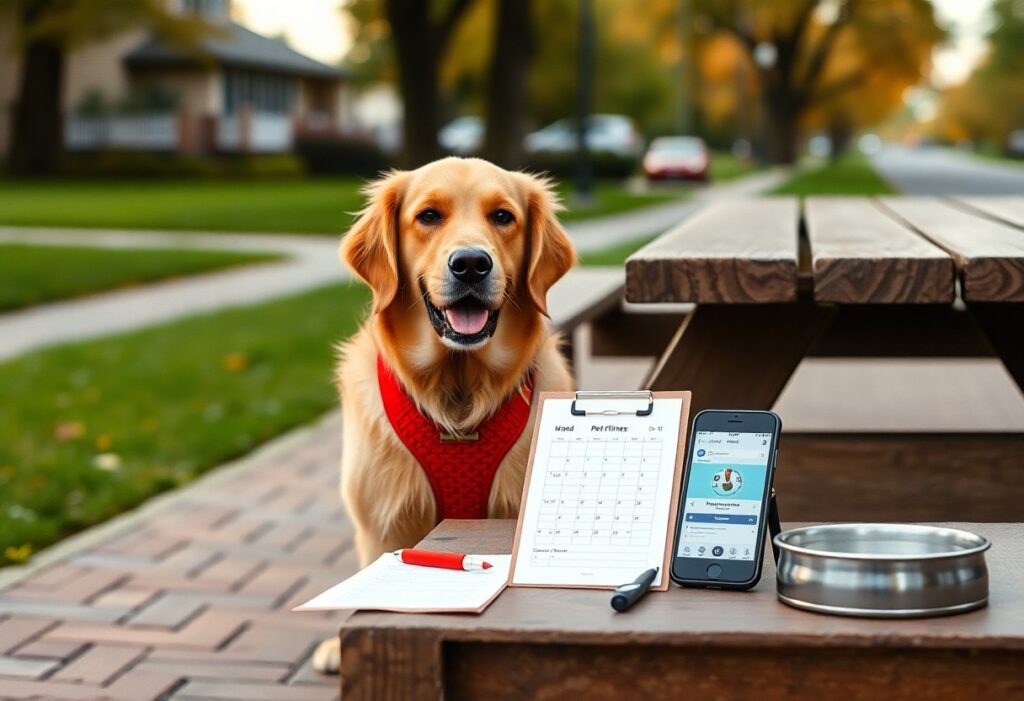
Stick to short, predictable sessions so your pet learns the routine quickly; even 10-20 minute blocks five times a week beat sporadic long sessions. Use alarms, calendar blocks, and pair exercise with daily rituals like morning coffee to anchor the schedule. Rotate activities-walks, fetch, puzzle feeders-to prevent boredom and keep motivation high. Recognizing your pet’s energy, age, and health limits reduces injury risk and keeps the plan sustainable.
- Set fixed times: morning and evening for reliable consistency.
- Begin with short sessions (10-20 minutes) and build gradually.
- Use alarms or calendar reminders to lock in the schedule.
- Rotate routes and toys to sustain motivation.
- Track activity with a journal or app to detect lapses.
- Prioritize safety: avoid hot pavement, watch for fatigue, and adjust for health.
Creating a Schedule
Plan around your day: most dogs need 30-60 minutes daily, which you can split into two 15-30 minute walks plus a 10-15 minute play session, while cats do best with 2-3 play bursts of 5-15 minutes. Block exact times on your calendar, set alarms, and prepare backup indoor activities (tug, puzzle feeders) for bad weather. Adjust timing and intensity for puppies, seniors, or pets with health issues to keep progress steady.
Staying Motivated: Rewards and Incentives
Use a mix of treats, toys, and praise to reinforce good behavior; opt for tiny, low-calorie rewards so you don’t negate exercise benefits. Vary rewards on a variable schedule-for example give a treat every 1-3 successful sessions and always follow with 5-10 minutes of high-value play. For cats, immediate wand or laser play works well and rotating toys weekly preserves novelty.
Structure incentives so play is the primary reward and treats are occasional high-value reinforcers-aim for treats to remain about 10-20% of daily calories or use kibble as training rewards. Set short milestones (seven consecutive days earns a new toy) and change reward types every 5-7 sessions to prevent habituation. Use a clicker or consistent verbal cue for instant feedback, and monitor weight closely to avoid overfeeding and related health risks.
Conclusion
Ultimately you build a sustainable exercise routine that fits your pet’s age, breed, and health: set realistic goals, schedule regular sessions, vary activities to prevent boredom, monitor progress, and adjust intensity gradually. Consult your veterinarian for medical limits and use positive reinforcement so your pet stays engaged, safe, and physically balanced.
FAQ
Q: How do I determine the right type and amount of exercise for my pet?
A: Assess your pet’s species, breed, age, weight and health status, and consult your veterinarian for any medical limitations. Match activity to natural instincts-longer walks and running games for high-energy dogs, structured play sessions and vertical opportunities for cats, gentle range-of-motion and low-impact exercise for seniors or pets recovering from injury. Start with a baseline: many adult dogs benefit from 30-60 minutes of moderate activity per day split into sessions; cats often do best with multiple 5-15 minute interactive play sessions. Increase intensity and duration gradually (no more than a 10% increase per week), monitor body condition and energy levels, and include mental stimulation (training, puzzle feeders) in the routine to meet both physical and cognitive needs.
Q: What’s the best way to create a consistent exercise schedule my pet will follow?
A: Build exercise into predictable daily windows that fit both your and your pet’s natural rhythms (morning and evening often work well). Use alarms, calendar reminders or pair walks with another daily habit to make them nonnegotiable. Alternate activities across the week-walks, play, training, socialization and enrichment-to prevent boredom and overuse injuries. Keep sessions short and frequent for young, senior or high-strung animals, and gradually lengthen as fitness improves. Track sessions and progress in a simple log to identify patterns, reward consistent behavior with praise or treats, and be flexible when life events require temporary adjustments so the routine can resume quickly.
Q: How do I keep my pet safe during exercise and handle setbacks like injury, aging or weather?
A: Watch for signs of overexertion-excessive panting, lagging behind, limping, stiffness, disorientation-and stop activity if these occur. Provide warm-ups (slow walk, gentle play) and cool-downs, use appropriate equipment (properly fitted harness, nonabrasive toys), choose safe surfaces and avoid extreme heat or cold. For seniors or overweight pets, switch to low-impact options such as swimming, leash-walking, controlled short sessions and joint-supporting exercises recommended by your vet. If you suspect an injury, restrict movement and contact your veterinarian; for minor muscle soreness allow rest and gentle activity as tolerated. Maintain up-to-date vaccinations and parasite prevention to reduce exercise-related health risks.