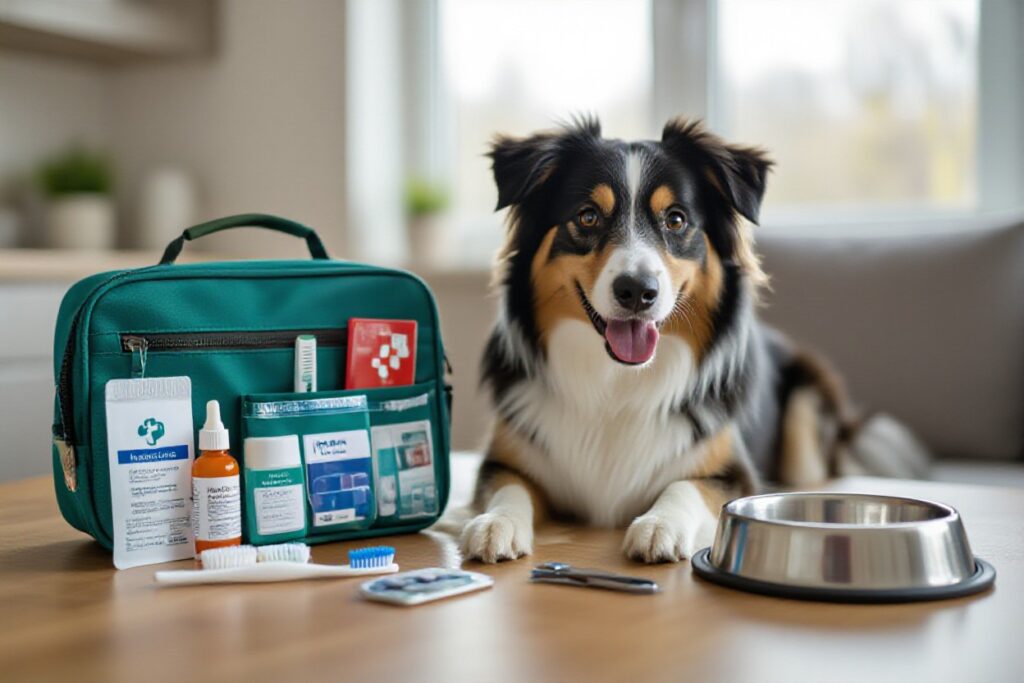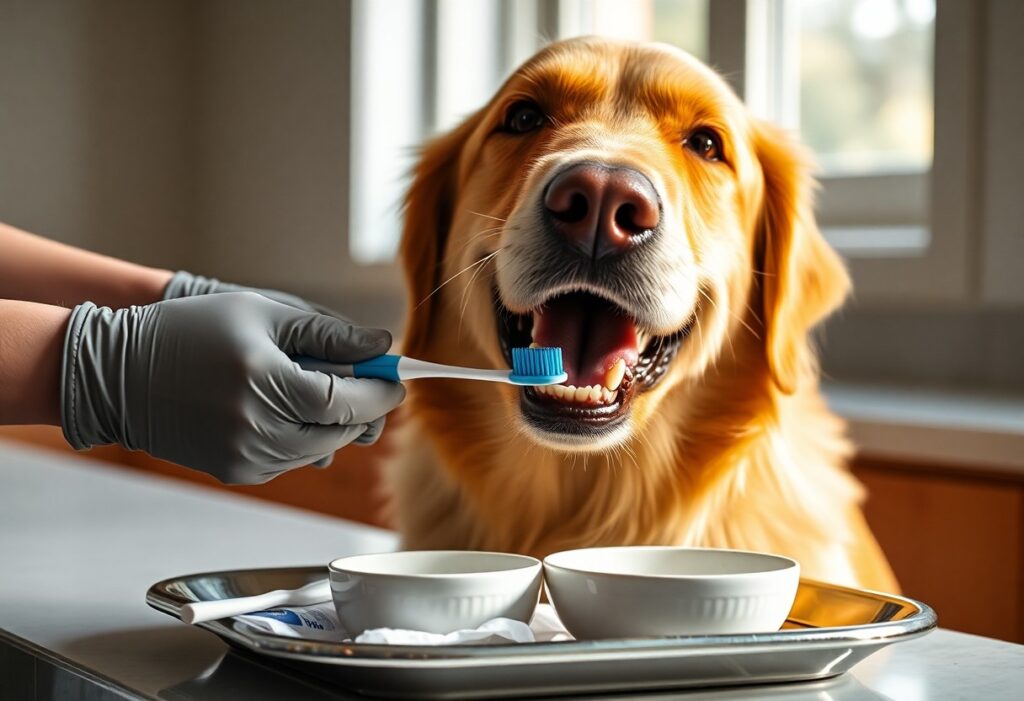
Care for your dog’s mouth begins at home with simple, consistent steps you can take daily: introduce daily brushing, use safe chew toys and dental treats, and inspect your dog’s teeth and gums regularly. Watch for gum disease signs like bad breath, bleeding, or loose teeth, because untreated issues can cause systemic infection. Schedule routine veterinary dental exams to keep your pet healthy.
Understanding Dog Dental Health
Periodontal disease affects up to 80% of dogs by age three, so you must treat dental care like routine medical prevention: plaque begins forming within hours and can mineralize into tartar in 48-72 hours, creating bacterial biofilms that may enter the bloodstream and impact the heart and kidneys; consistent at-home brushing, targeted chews, and periodic professional cleanings interrupt this cascade and keep your dog comfortable and eating well.
Importance of Dental Care
You lower pain, halitosis, and long-term vet costs by preventing gingivitis and tooth loss; daily brushing removes plaque before it calcifies, while smaller breeds (Chihuahuas, Yorkies) often need more frequent professional attention-typically every 6-12 months; pairing home care with VOHC-approved toothpaste and chews preserves oral health between cleanings and preserves teeth function.
Common Dental Issues in Dogs
Periodontal disease, gingivitis, fractured teeth, retained deciduous teeth, tooth root abscesses, and oral masses are frequently seen; periodontal progression causes bone loss and loose teeth, and fractured teeth can expose pulp leading to painful abscesses; you should monitor behavior and mouth appearance closely for early signs.
Signs like persistent bad breath, drooling, pawing at the mouth, facial swelling, difficulty chewing, or weight loss often indicate disease; diagnostics include dental radiographs under anesthesia, and treatments range from scaling and polishing to extractions, root canal therapy for important teeth, plus antibiotics and analgesics when infection is present-then reinforce recovery with targeted home care and follow-up exams.
Essential Tools for At-Home Dental Care
You should keep a small kit: a soft-bristled toothbrush or finger brush, enzymatic dog toothpaste, dental wipes, a rubber chew or dental toy, and VOHC-approved chews or water additives if your vet recommends them. Vets advise brushing for about 2 minutes daily, replacing brushes every 3 months, and discarding damaged toys to avoid choking. Prioritize products with the VOHC seal and veterinary testing to ensure real plaque and tartar control.
Toothbrushes and Toothpaste
Use a soft, angled brush or a finger brush for small breeds and a double-headed or long-handled brush for wide muzzles; you’ll find 0.5-1.0 inch heads work best for toy and small dogs. Apply an enzymatic toothpaste made for dogs-these break down plaque-and never use human toothpaste or products containing xylitol, which are toxic to dogs. Aim for 2 minutes of brushing once daily, and replace the brush when bristles fray.
Dental Chews and Toys
Choose chews and toys with the VOHC seal when possible and match texture to chewing style: soft rubber toys for gentle chewers, tougher textured chews for heavy chewers. Supervise sessions and limit to about one chew daily or as directed on the package. Avoid very hard items like antlers, cow hooves, or hard nylon bones, since they can crack teeth; discard any pieces that break off to prevent blockage.
Size selection matters: pick chews by weight categories (extra-small <10 lb, small 10-25 lb, medium 25-50 lb, large >50 lb) so pieces aren’t swallowed whole. Rotate types-edible enzymatic chews that mechanically reduce plaque, rubber toys with ridges for saliva stimulation, and softer nylon for interactive play-to target different surfaces. Watch calories on packaging and cut chews into portions if needed; always supervise and stop use if your dog shows chewing fatigue or oral sensitivity.
Effective Brushing Techniques
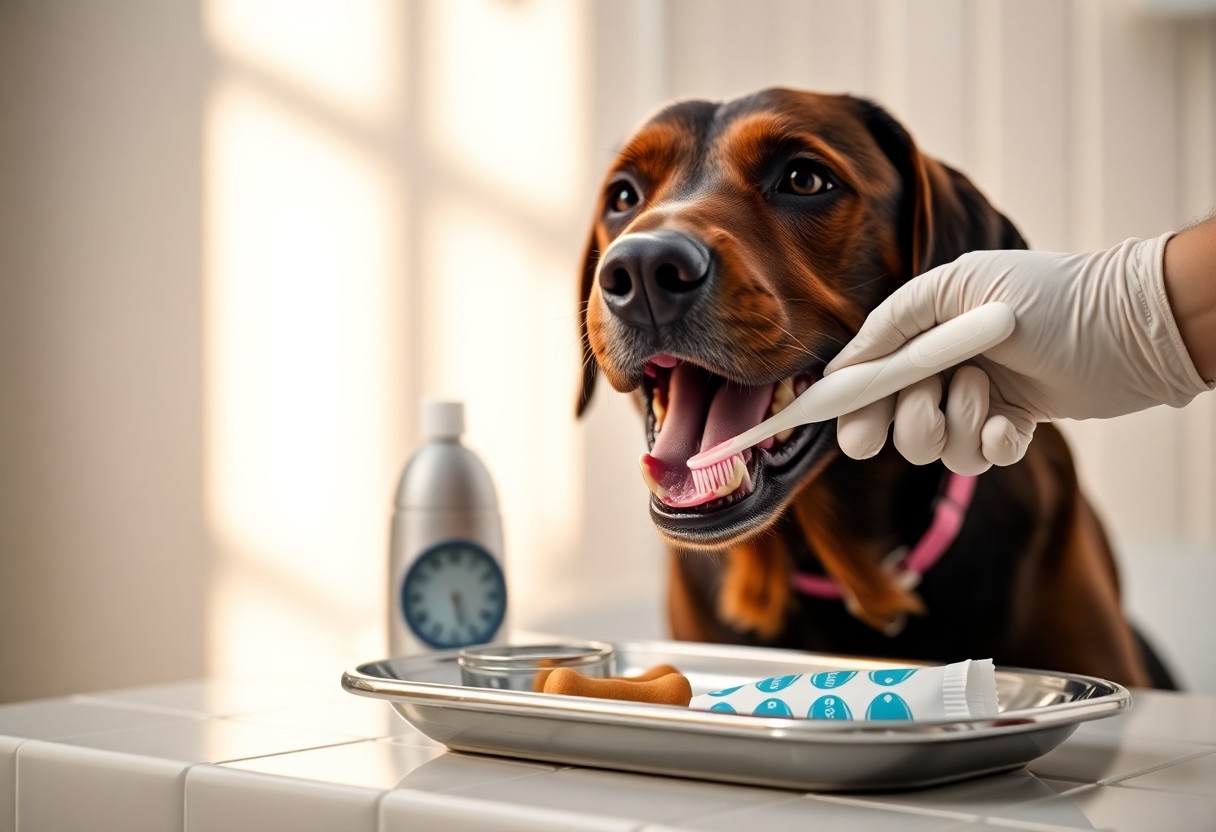
Step-by-Step Brushing Guide
Choose a soft pet toothbrush and enzymatic toothpaste, sit comfortably with your dog, lift the lip and brush at a 45-degree angle using short circular strokes along outer and inner surfaces; focus on molars and canines for 2-3 minutes total, working one quadrant at a time, and stop if you observe more than light bleeding-consult your vet if bleeding persists beyond 24-48 hours.
Brushing Steps
| Step | Action |
|---|---|
| Preparation | Choose a soft brush, enzymatic toothpaste, and calm environment |
| Positioning | Secure your dog on a non-slip surface; sit beside or behind for control |
| Brushing motion | Use short circular strokes at a 45-degree angle, cover all quadrants |
| Duration & frequency | Aim for 2-3 minutes per session, ideally daily or ≥3× weekly |
| When to seek help | Persistent bleeding, severe pain, or refusal-contact your vet |
Tips for Easing Your Dog into Brushing
Start with 10-20 second handling sessions and reward immediately with a high-value treat, then introduce the brush for 30-60 seconds twice daily; many dogs adapt in 7-21 days when you progress slowly and stay consistent. The target is to reach 60-90 seconds of gentle brushing daily while keeping sessions positive.
- Short sessions: begin 10-20 seconds
- High-value treats: use chicken, cheese, or commercial rewards
- Desensitization: touch lips and gums 50-100 times across a week
- Professional help: consult your vet or behaviorist for severe anxiety
Use calm handling drills-lift lips, stroke gums, touch teeth-5-10 repetitions per brief session and reward immediately; for anxious dogs, try gradual exposure over 2-3 weeks and pair each step with positive reinforcement, noting that dogs offered treats within one second of compliance learn faster. The gradual plan of adding 10-15 seconds every 2-3 days typically yields steady acceptance without triggering stress.
- Handling drills: lift lips and stroke gums 5-10× per session
- Incremental increase: add 10-15 seconds every 2-3 days
- Reward timing: give treats within 1 second of compliance
- When to stop: pause if your dog shows sustained panting, trembling, or aggressive snapping
Additional Dental Care Practices
Beyond daily brushing, integrate a routine of home checks, appropriate chews, and professional cleanings; studies show up to 80% of dogs show periodontal signs by age three, so you should brush daily and schedule a vet cleaning every 6-12 months based on risk. Give VOHC-approved chews and avoid hard items like marrow bones or antlers that can cause tooth fractures.
Regular Oral Assessments
Inspect your dog’s mouth monthly by gently lifting the lips to check for swollen, red gums, tartar buildup over 1-2 mm, loose teeth, or oral masses; if you see bleeding, pus, persistent bad breath, or an unwillingness to chew, seek veterinary evaluation immediately because these are signs of advanced disease.
Diet and Its Impact on Dental Health
Choose diets and treats that support oral hygiene: dry kibble alone doesn’t prevent tartar, but dental-formulated foods and VOHC-approved chews can reduce plaque when used daily; examples include dental prescription kibble (e.g., Hill’s t/d) and targeted chews, while sticky or sugary treats increase risk of decay and inflammation.
Pay attention to ingredients like polyphosphates (they bind calcium to limit calculus formation) and check caloric impact-some chews can make up a significant portion of a small dog’s daily calories. You should also avoid any products containing xylitol, since it is toxic to dogs, and discuss tailored dietary plans with your vet for breeds or ages at higher periodontal risk.
Recognizing Signs of Dental Problems
Periodontal disease affects up to 80% of dogs by age three, so you should watch for changes early: persistent bad breath, visible tartar, swollen or bleeding gums, broken or loose teeth, and reluctance to chew hard food or toys. Observe eating behavior and facial swelling; even subtle changes like pawing at the mouth or reduced play can signal a developing infection that spreads systemically if untreated.
Early Warning Signs
You’ll often notice the first issues as halitosis and a yellow-brown film on the teeth, especially the premolars and molars. Gums may appear red or receding, and minor bleeding after chewing or brushing can occur. Smaller dogs commonly accumulate tartar faster; in one clinic series, toy breeds showed visible tartar by 2-3 years. Catching these signs lets you start home care and schedule a veterinary check before extraction becomes necessary.
When to Consult a Veterinarian
If your dog has loose or missing teeth, a draining tract, facial swelling, difficulty eating, fever, or pus in the mouth, seek veterinary care promptly-these indicate advanced infection or abscess. Acute severe pain, sudden drooling, or a broken tooth exposing the pulp are urgent and often require treatment within 24-48 hours to prevent spread to the jaw or bloodstream.
At the clinic your dog will receive a focused oral exam and likely dental radiographs to assess root and bone health; bloodwork may be run if anesthesia is planned. Treatment ranges from professional scaling and polishing under anesthesia to extractions, root therapy, plus antibiotics and analgesics as needed. Costs vary widely-many routine cleanings fall between $200-$2,000 depending on extractions and diagnostics-so ask for a written plan and estimate before proceeding.
Establishing a Regular Dental Care Routine
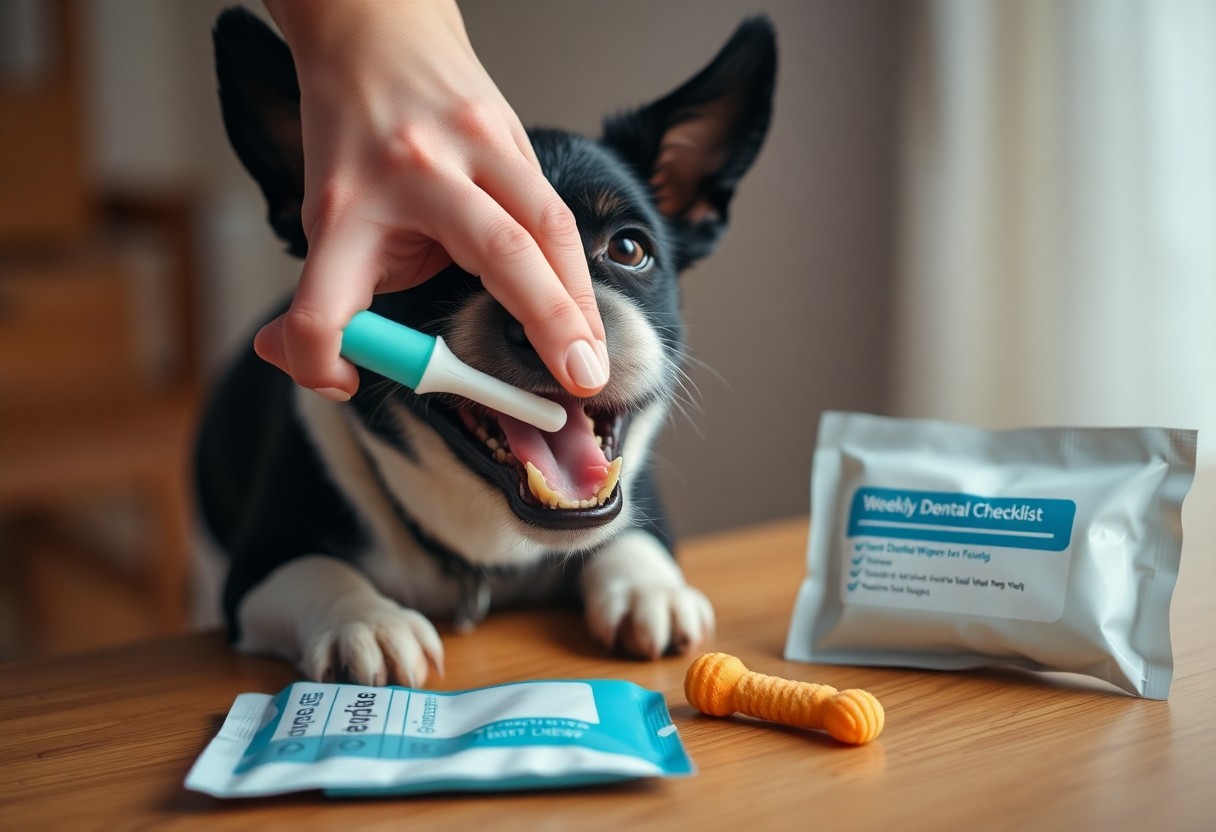
You should aim for a simple, repeatable schedule: brush daily when possible, pair with a quick oral exam each week, and book professional cleanings every 6-12 months depending on breed and age. Start sessions short-about 60-90 seconds-and increase as your dog accepts it. Keep a calendar or treat-based reward system to reinforce the habit. Watch for bad breath, red gums, loose teeth as signs that you need veterinary attention.
Frequency of Brushing
Daily brushing is ideal to prevent plaque; if that’s not realistic, aim for 2-3 times per week to significantly slow tartar buildup. Use a soft-bristled finger brush or a canine toothbrush with pet toothpaste-never human toothpaste-and work in 10-15 second increments per side, focusing on the outer surfaces where bacteria accumulate. Gradually increase session length over weeks so you and your dog build confidence.
Incorporating Dental Care into Playtime
Turn play into dental maintenance by offering VOHC-approved chews, KONGs stuffed with canine toothpaste, and supervised tug or chew sessions that encourage healthy abrasion. Limit chew sessions to about 10-20 minutes to avoid wear, and avoid hard items like cooked bones, antlers, or very hard nylons because they can fracture teeth. Use play as a reward after brushing so your dog links oral care with fun.
Choose toys sized to your dog’s mouth to prevent swallowing; rotate between rubber KONGs, dental rings, and braided rope to target different surfaces. Provide VOHC‑approved chews about 3-4 times weekly or as your vet recommends; studies show seal-approved products can reduce plaque and tartar when used as directed. Supervise rope toys for fraying, avoid anything with xylitol or brittle hardness, and discard damaged toys immediately.
Final Words
Hence you can maintain your dog’s oral health at home by establishing a weekly routine of brushing with canine toothpaste, offering dental chews and safe chew toys, inspecting gums and teeth regularly, and scheduling veterinary cleanings when needed; consistent care protects against pain, infection and costly treatments while keeping your pet comfortable and active.
FAQ
Q: How do I brush my dog’s teeth at home effectively?
A: Start slowly: let your dog sniff and taste a small amount of canine toothpaste, then gradually introduce a finger brush or soft-bristled dog toothbrush. Aim for short, positive sessions-30-60 seconds to begin, building toward 2 minutes total. Lift the lip and brush at a 45° angle to the gumline using gentle circular motions, focusing on outer surfaces where plaque accumulates most. Brush daily if possible; at minimum several times per week will reduce plaque formation. Use treats and praise for positive reinforcement, and stop if your dog becomes stressed, trying again later. Never use human toothpaste.
Q: What over-the-counter products and dietary choices support dental health?
A: Use enzymatic dog toothpaste and a toothbrush or finger brush designed for dogs. Dental wipes and water additives can help when brushing isn’t feasible but are not a full substitute. Choose dental chews and treats with the VOHC seal to ensure efficacy; avoid very hard chews (cooked bones, antlers, some hard nylon) that can fracture teeth. Prescription dental diets formulated to abrade plaque and tartar may be recommended by your veterinarian. Combine these products with regular brushing and routine veterinary checks for best results.
Q: What signs indicate a dental problem and when should I see a veterinarian?
A: Warning signs include persistent bad breath, yellow or brown tartar buildup, red or swollen gums, bleeding, drooling, difficulty chewing, dropping food, pawing at the mouth, and changes in eating or behavior. If you spot any of these, schedule a veterinary dental exam promptly; many cases require professional cleaning under anesthesia and possibly dental X-rays or extractions. Avoid attempting to remove heavy tartar or scale teeth yourself, as improper tools or technique can damage enamel and soft tissue.