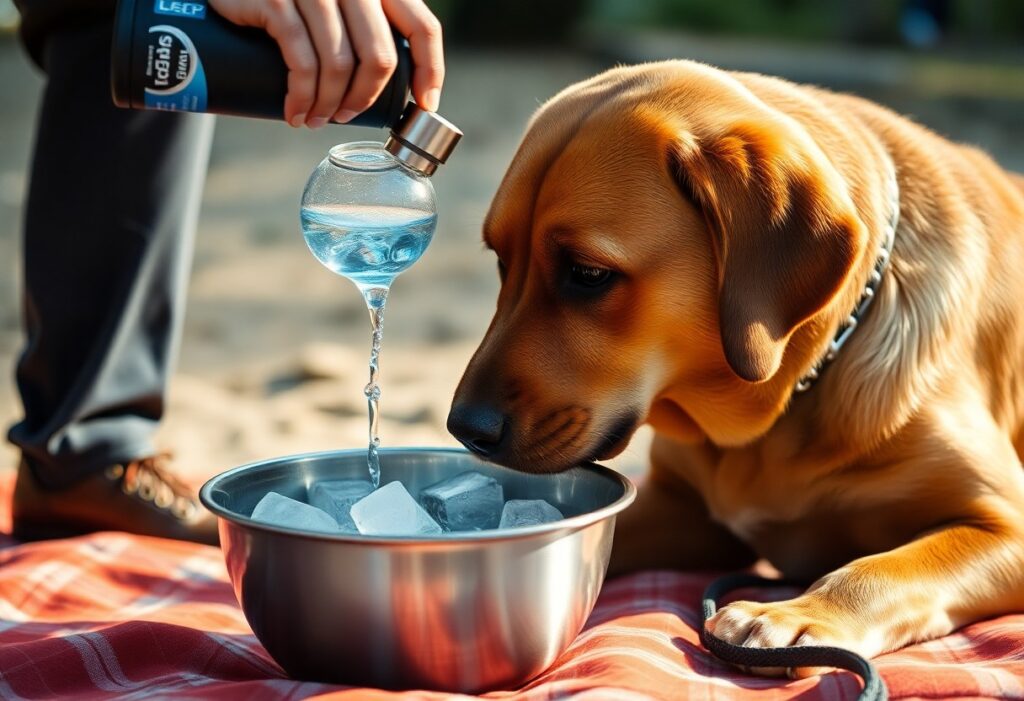
Many dog owners underestimate summer risks, so you need clear actions to prevent heatstroke and dehydration; always provide fresh water, ample shade, limit exercise to cooler hours, cool paws and body when needed, and never leave your dog in a parked car; watch your dog for heavy panting or lethargy and contact a vet immediately if signs appear.
Understanding the Risks
Factors Contributing to Heat Stress
High humidity, direct sun and hot pavement raise risk; breeds like Bulldogs and Pugs struggle to cool. Puppies, seniors and dogs more than 20% over ideal weight have reduced tolerance. Exercising during midday can increase core temperature 2-4°F in 10 minutes. Any dog can develop heat stress after prolonged exposure or vigorous play.
- Breed: brachycephalic (e.g., Bulldogs, Pugs)
- Age: puppies, seniors
- Weight: obesity raises risk
- Coat: thick or dark fur
- Activity: exercise intensity/time of day
- Environment: humidity, pavement and vehicle heat
Signs of Overheating in Dogs
Recognize early signals: heavy panting, excessive drooling, and a rapid heart rate. Gums that are pale, bright red or bluish and disorientation indicate progression. A rectal temperature above 104°F signals heatstroke. You may see vomiting, collapse or seizures within 15-30 minutes of onset. If you notice any of these, act fast to cool and seek help.
Act immediately: move your dog to shade and start cooling with tepid water or wet towels-avoid ice water that can cause vasoconstriction. Apply cool water to the belly, armpits and paws and aim to lower temperature to about 102°F within 10-15 minutes; if temperature stays over 104°F or neurological signs occur, seek veterinary care right away. Don’t force water if your dog is unconscious; transport safely and continue cooling en route.
Preparing for Hot Weather
As temps climb, shift walks to before 7 a.m. or after 8 p.m. and avoid midday sun; if air reaches 85°F (29°C), pavement can hit ~125°F (52°C) and burn pads within minutes. You should limit activity to brief, slower exercise like 10-15 minute strolls, carry water, and watch for heavy panting, drooling, or weakness – a rectal temp above 104°F signals heatstroke.
Essential Supplies for Heat Safety
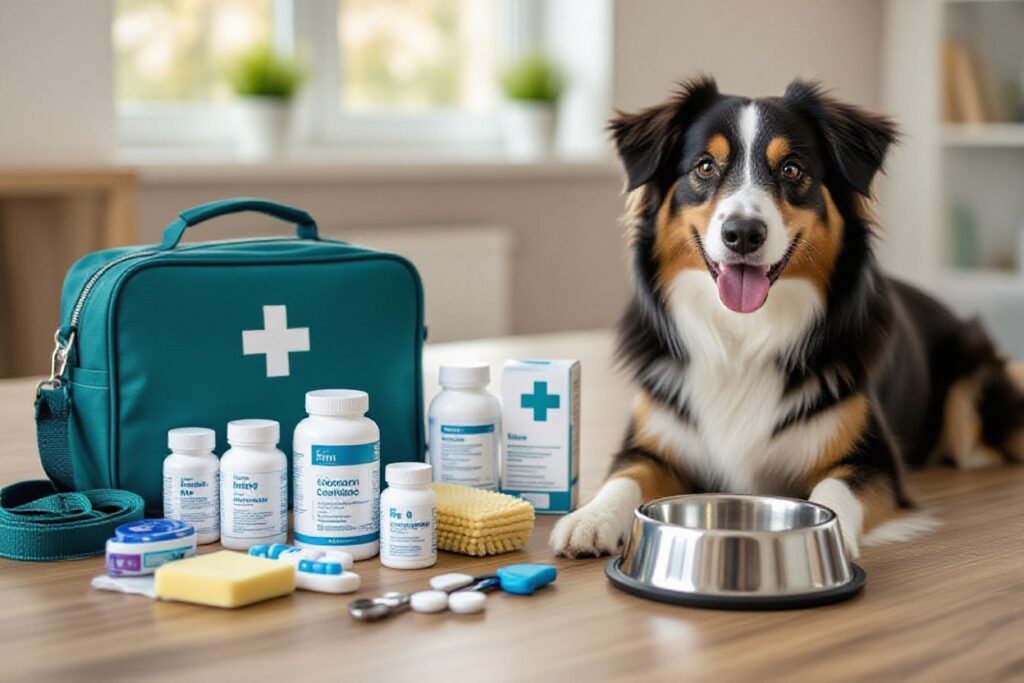
Make sure you pack a kit with plenty of water, a collapsible bowl, and an insulated bottle; frozen water bottles act as portable coolers. Add a shaded pop-up tent or umbrella, a cooling mat or vest, paw balm, pet-safe sunscreen (SPF 30+ for light noses), a digital thermometer, and your vet’s emergency number. Hydration and a thermometer should be in every outing kit.
Creating a Comfortable Environment
You can create cool zones indoors by closing blinds on south-facing windows, running fans or air conditioning, and placing beds on tile or breathable elevated frames; aim to keep indoor temps under 78°F (26°C). For brachycephalic breeds like pugs and bulldogs, provide extra airflow and limit play to prevent rapid overheating.
Fans work best when you position them to move air across your dog’s body, and you should set AC to 72-75°F for short-coated, senior, or obese dogs. Never leave your dog in a parked car – temperatures can rise 20°F in 10 minutes – and use shallow kiddie pools, misting systems, or frozen water bottles wrapped in towels to give longer-lasting relief.
Hydration Tips
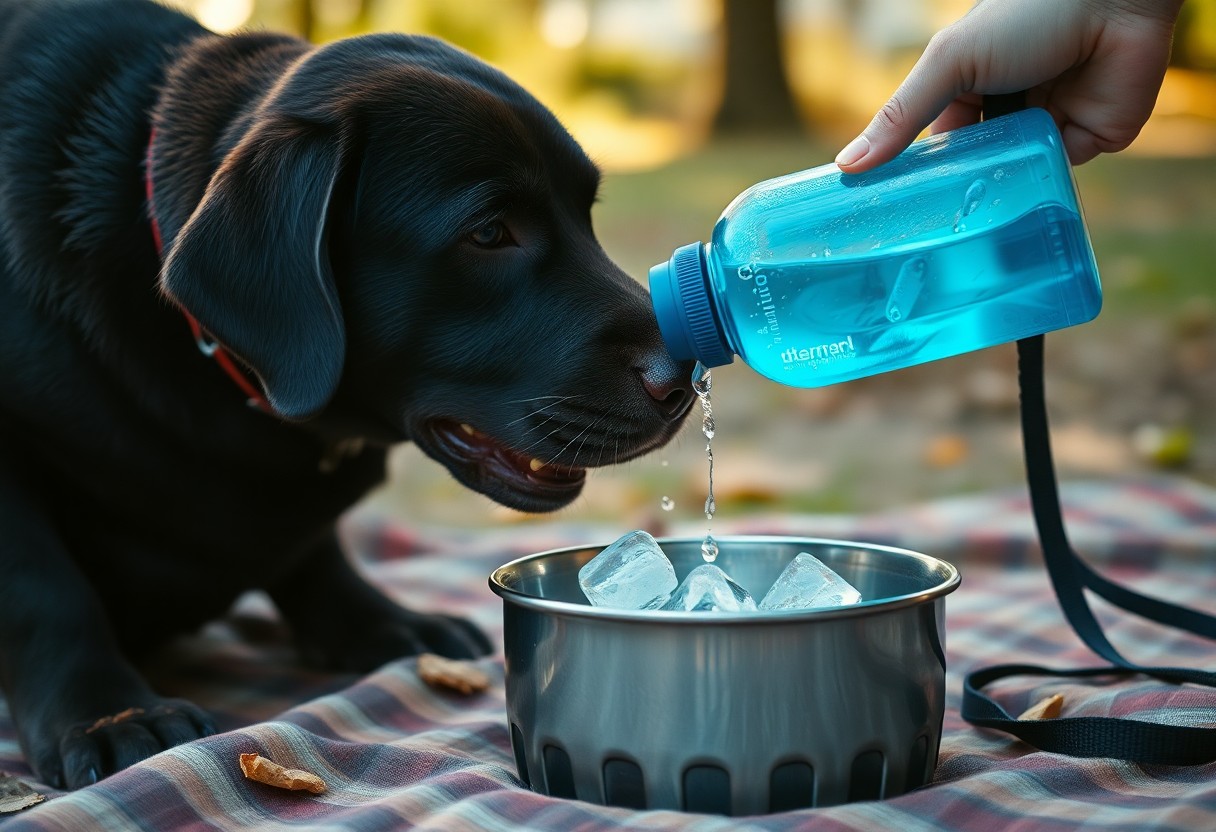
You should target hydration to match activity and size: dogs typically need about 50-60 ml/kg per day (a 20 kg dog needs ~1-1.2 L), and summer exercise can raise that by 25-50%. Always offer cool, shaded water and replace bowls frequently to limit bacteria and reduce the risk of heatstroke. Any water left outdoors for more than two hours should be refreshed immediately.
- Place multiple water bowls around your home and yard.
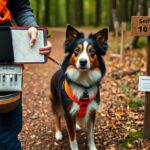
- Carry a portable bowl or bottle for walks and hikes.
- Keep water cool with ice cubes or shaded placement.
- Use a pet fountain to encourage continuous sipping.
Importance of Fresh Water
Fresh water limits bacterial and algal growth that can cause vomiting or diarrhea; one shelter study showed bowl counts doubled when left >4 hours. You should change outdoor bowls every 2-4 hours in heat, rinse daily, and use stainless steel to prevent odors. Serving water at about 10-15°C makes it more appealing and helps prevent dehydration during long, hot outings.
Creative Ways to Encourage Drinking
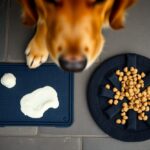
Offer ice cubes, diluted low-sodium broth, a shallow pet fountain, or mix in wet food to boost intake-moving water can increase drinking by 20-30%. Rotate bowl locations and place dishes near cool resting spots so your dog links water with relief from heat.
Ice cubes are handy on walks-pack frozen cubes that slowly melt for prolonged cooling; for hikes, freeze low-sodium chicken broth in a collapsible bowl for on-the-spot refreshment. If you use broth, avoid commercial options with onion or garlic and limit to about one tablespoon per cup of water to prevent excess salt. Flowing fountains often raise consumption in hesitant dogs; track pre- and post-change intake to confirm these tactics actually reduce signs of dehydration like tacky gums, lethargy, or decreased urination.
Exercise and Activity Planning
Plan high-energy sessions for the coolest parts of the day, split walks into several short outings, and schedule water breaks every 10 minutes during exertion. If air temperature exceeds 85°F or heat index tops 90°F, avoid vigorous activity; asphalt can reach 125°F when the air is 85°F, which can burn pads. Use shaded routes, a cooling vest, or a kiddie pool for swims to keep your dog active without overheating.
Timing Outdoor Activities
Early mornings before 8 a.m. and evenings after 8 p.m. are the safest for long walks; avoid the sunniest window between 10 a.m. and 4 p.m.. During heat waves, keep outdoor sessions to 10-15 minutes for medium-to-large breeds and even shorter for brachycephalic or senior dogs. Use a weather app for heat-index alerts and test pavement-if it’s too hot for your hand, it’s too hot for their paws.
Alternative Indoor Activities
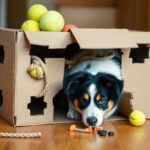
When outdoors is unsafe, swap to scent games, food-dispensing puzzles, indoor agility using chairs and tunnels, or supervised treadmill sessions at low speed; 15-20 minutes of focused nose work can be highly tiring. Frozen Kongs, scatter feeding, and short trick-training blocks provide mental stimulation while protecting your dog from heat. These activities lower overheating risk and keep fitness and behavior on track.
Structure a hot-day routine: a 5-10 minute cool morning walk, mid-day 20-minute nose-work session with multiple puzzle feeders, then short supervised tug or indoor fetch for 5-10 minutes in the evening. Rotate toys to prevent boredom and use frozen treats to extend enrichment; always supervise treadmill or agility work and watch for excessive panting or lethargy-if you see those signs, stop activity and cool your dog with wet towels and water.
Safe Travel with Dogs
You should limit uninterrupted travel to 2-3 hours for most dogs and schedule regular breaks for exercise and bathroom stops. Temperatures inside a parked car can rise 20°F in 10 minutes, so always provide shade, ventilation, or A/C and avoid leaving your dog unattended. For brachycephalic breeds or seniors, shorten segments and use cooling vests or mats. Keep a travel kit with water, a first-aid kit, and printed copies of vaccination records and emergency contacts.
Car Safety Tips in Summer
Secure your dog with a harness, crate, or dog seatbelt, monitor cabin temperature, and plan frequent stops to prevent overheating.
- Harness/Crate: reduces injury risk in sudden stops
- Ventilation: use window shades, cracked windows or A/C
- Hydration: offer water every 30-60 minutes
- Emergency: carry vet contacts and a cooling pack
Any sign of heavy panting, drooling, disorientation, or collapse means stop immediately, move to shade, and cool your dog while contacting a vet.
Planning Dog-Friendly Trips
Verify each stop’s pet policy, leash rules, and any breed restrictions, and reserve pet-friendly rooms early during peak months. Pack hard copies of vaccination records and a list of nearby 24-hour vets. Aim for driving segments under 3 hours with 20-30 minute exercise breaks, and map shaded rest areas or dog parks to reduce heat exposure and stress.
Book lodging 4-8 weeks ahead for summer weekends and expect pet fees of $25-$75. If you’re driving 300+ miles, schedule 3-5 short stops and bring a portable shade shelter and cooling mat; one pet-owner survey showed trips with planned breaks had ~60% fewer heat-related incidents. Also check trail hours and peak sun times so you can hike early or late and keep your dog comfortable.
Special Considerations for Certain Breeds
Breeds Prone to Heat Stress
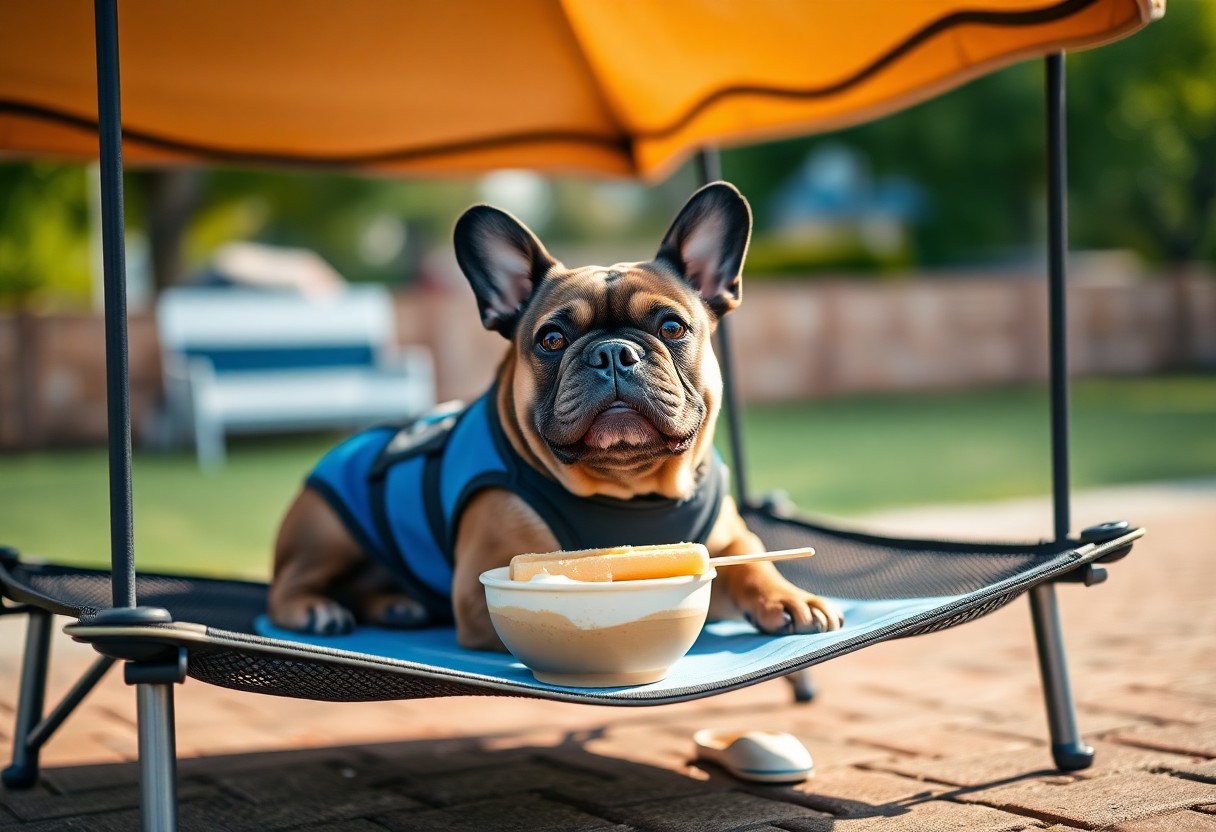
Brachycephalic breeds like Bulldogs, Pugs, and French Bulldogs and thick-coated dogs such as Huskies and Malamutes have impaired heat dissipation; with humidity over 60% and temperatures above 25°C (77°F) they can overheat quickly. You should avoid midday exercise, provide cool water and shade, and consider a cooling vest for walks. If you see excessive drooling, collapse, or bright red gums, seek veterinary care immediately.
Adjusting Care for Aging or Health-Challenged Dogs
When your dog is over 7 years old or has heart, respiratory, or endocrine disease, reduced thermoregulation raises heat risk; cut active time by about 50% on hot days, offer water every 15-20 minutes, and keep them in shaded, well-ventilated areas or air conditioning. You should monitor panting, energy levels, and mobility; confusion, vomiting, or collapse are warning signs needing rapid attention.
If an older or health-challenged dog shows early heat stress, apply cool (not ice-cold) water to the groin and paw pads, use a fan or wet towels, and offer small sips of water without forcing fluids. Aim for a comfortable body temperature near 38-39°C (100-102°F); a rectal temperature above 41°C (105.8°F) is an emergency requiring immediate veterinary intervention. Discuss cooling vests, adjusted medication timing, or prophylactic IV fluids with your vet for high-risk pets.
Conclusion
Summing up, you must keep your dog shaded and hydrated, limit outdoor activity during peak heat, avoid leaving your pet in a vehicle, and use cooling aids like mats or damp towels; monitor your dog for panting, weakness, or disorientation and seek veterinary care if heatstroke is suspected-adjust walks, grooming, and surfaces to protect paws and wellbeing.
FAQ
Q: How can I keep my dog cool and hydrated during hot days?
A: Provide constant access to fresh, cool water both indoors and outdoors, and add ice cubes or frozen treats for longer cooling. Offer water in several locations and bring a portable bottle on walks. Create shady resting spots and use cooling mats, shallow paddling pools or damp towels for short-term relief. Maintain regular grooming-remove excess undercoat but avoid shaving breeds with protective coats-and monitor water intake and energy levels for signs of dehydration.
Q: When is it too hot to walk or exercise my dog, and how can I protect their paws?
A: Avoid exercising during the hottest parts of the day-typically between mid-morning and late afternoon-and choose early morning or late evening when temperatures are lower. Test pavement by placing your palm or bare hand on it for several seconds; if it’s uncomfortably hot for you, it will burn paws. Walk on grass where possible, shorten or slow workouts, use dog booties if needed, and reduce high-intensity play for brachycephalic, elderly, very young, or overweight dogs. Never leave a dog unattended in a parked car, even with windows cracked.
Q: What are the signs of heatstroke in dogs and what immediate steps should I take?
A: Warning signs include excessive panting, drooling, bright red or pale gums, rapid heartbeat, vomiting, diarrhea, dizziness, weakness, collapse, or seizures. If heatstroke is suspected, move the dog to shade or an air-conditioned area, remove tight collars, and begin cooling with lukewarm water-spray or sponge the body, focusing on the neck, chest and groin; use fans to increase evaporation. Offer small amounts of cool water if the dog is alert and able to swallow; do not force fluids. Avoid applying ice directly to the skin. Transport to a veterinarian immediately-core body temperature above about 104°F (40°C) is an emergency-continue gentle cooling en route and follow veterinary advice for further care.