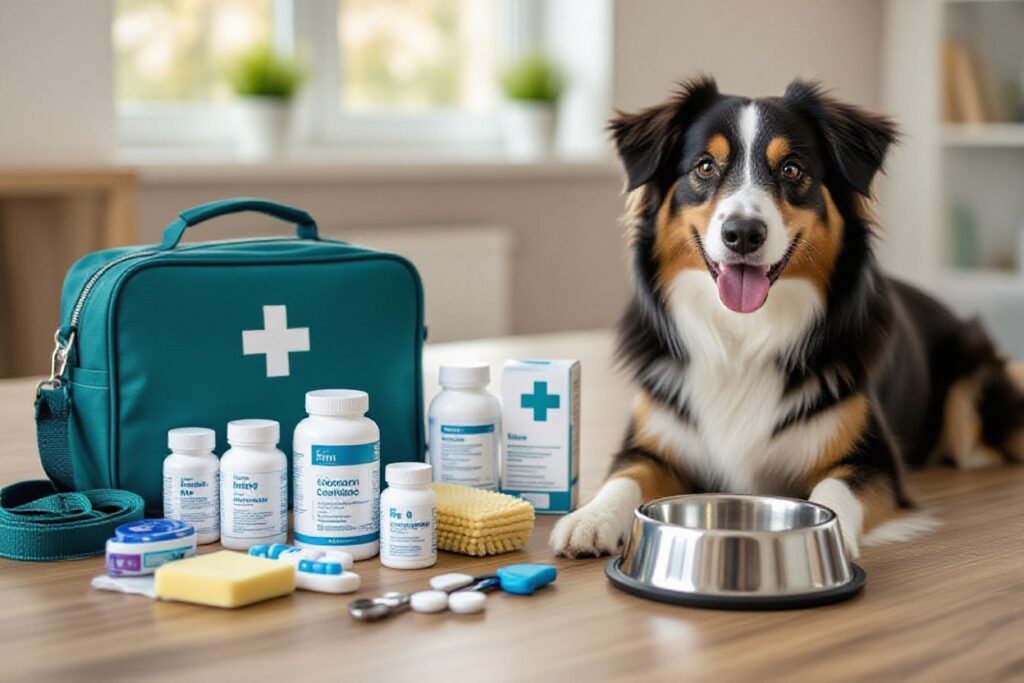
You must tailor exercise for your senior pet: choose gentle, low-impact activities, short frequent sessions, and consistent warm-ups. Monitor for limping, stiffness, labored breathing, or collapse and stop if these occur; consult your vet about pain, weight, or mobility aids. With careful pacing, you can provide safer movement, improved mobility and quality of life while minimizing injury risk.
Understanding Senior Pet Needs
Expect shifting baselines: many vets classify dogs as senior around age 7+ (large breeds often earlier) and cats at about 11+. You should plan for more frequent veterinary checks (every 6-12 months), tailored nutrition, and modifications to exercise that prioritize joint health and stamina over endurance. Small, consistent adjustments-shorter walks, increased rest, and targeted strength work-often prevent injuries and preserve mobility longer than sporadic, intense activity.
Changes in Physical Ability
Muscle loss, joint stiffness, decreased balance, and reduced aerobic capacity are common, so you’ll likely need to cut walk length by half and switch to multiple 10-15 minute sessions or low-impact activities like swimming. Avoid high-impact moves such as jumping from heights, and introduce ramps, non-slip surfaces, and gentle strength exercises to maintain function. Watch for limping, reluctance to climb, or slower gait as signs you should modify intensity immediately.
Common Health Issues
Arthritis, dental disease, heart and kidney conditions, obesity, diabetes, and cognitive decline frequently affect seniors; for example, osteoarthritis often emerges by middle-to-late life in many breeds. You must monitor for subtle signs-stiffness after rest, decreased appetite, or wandering at night-and stop activity for labored breathing, collapse, or acute lameness, then seek veterinary care without delay.
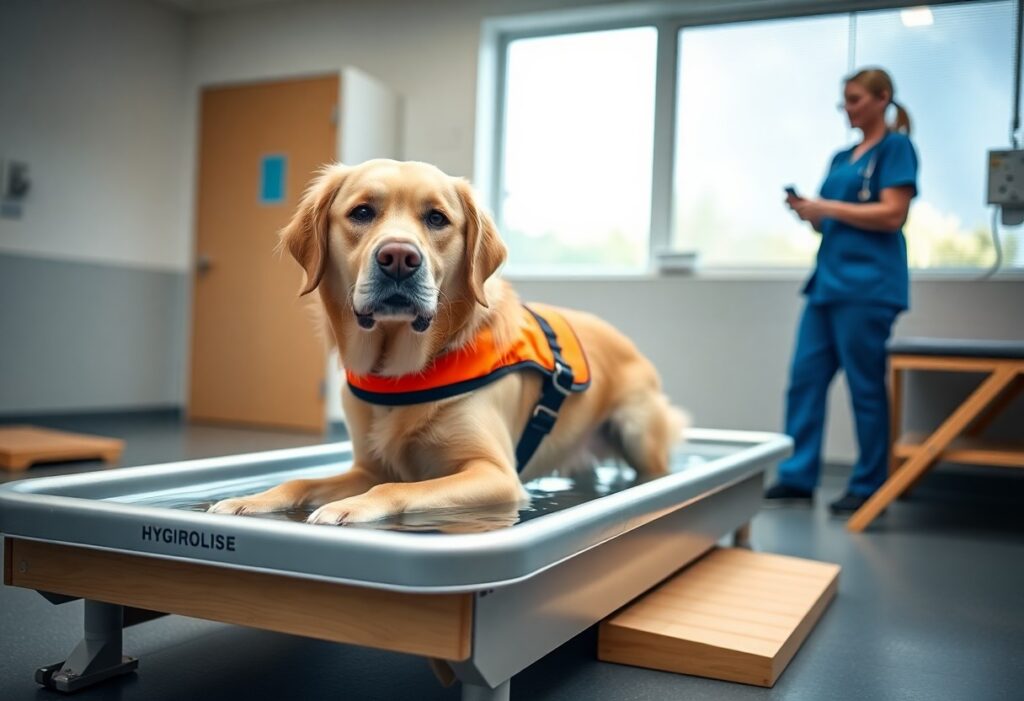
Management combines frequent screening (physical exam and basic bloodwork every 6 months), weight control, and individualized rehab: physical therapy, hydrotherapy, targeted stretching, and pain control. You can reduce joint load with a 10%-15% weight reduction plan when needed, and many pets respond well to a weekly rehab program plus daily short sessions at home. Coordinate with your vet to adjust medications and design an exercise plan that balances mobility gains against medical limits.
Essential Warm-Up Techniques
Start with 5-10 minutes of low-intensity activity to raise joint temperature and increase blood flow-examples include a slow leash walk, gentle stair climbs, or walking up a ramp. Have your vet screen for heart or orthopedic issues before increasing activity, and watch for labored breathing or limping, which indicate you should stop. Gradually raise pace over several minutes so your pet’s muscles and joints are prepared and injury risk is reduced.
Gentle Stretching Exercises
Include gentle stretches like slow neck turns, forelimb reaches, and hind-leg extensions held for about 10-15 seconds, repeating 2-3 times per side while your pet is calm; avoid forcing any motion. Use treats to encourage voluntary participation and stop immediately if your pet yelps, tenses, or pulls away. These short, controlled stretches help maintain flexibility and counter age-related muscle loss when done regularly.
Mental Stimulation and Engagement
Use scent games, short training cues, and puzzle feeders for 5-10 minutes before physical activity to prime coordination and focus-nose work can lower anxiety and improve gait initiation. For example, an 8-year-old terrier often shows better step confidence after a brief scent walk. Keep tasks low-impact and end sessions while your pet is still eager to avoid over-arousal.
Build a routine of 2-3 short mental sessions per day, alternating with light physical breaks to prevent fatigue; options include target training, hiding kibble around the yard, or one-minute recall drills. Use low-calorie rewards for repeated repetitions and monitor for heavy panting, stumbling, or refusal to continue-signs you should pause and consult your vet. Mental work can boost motivation and translates into safer, more effective physical exercise.
Safe Exercise Options
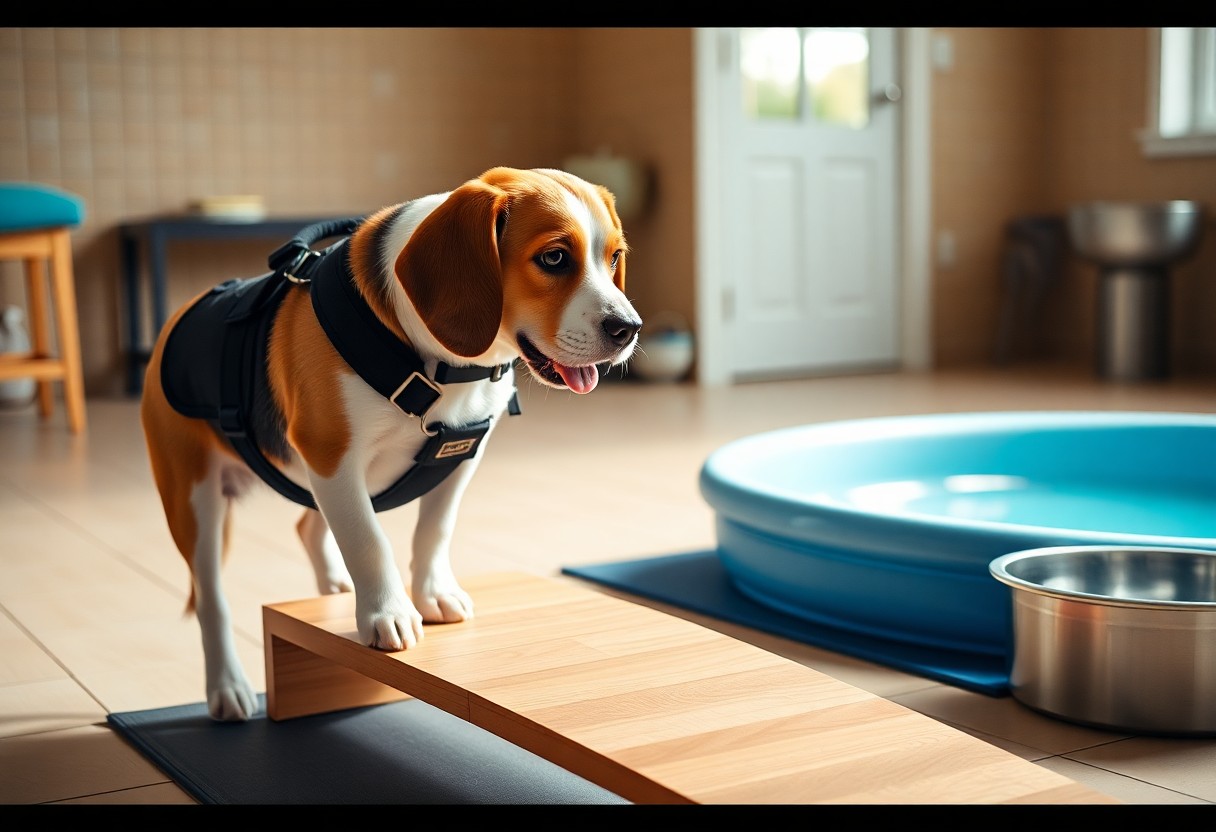
Mix low-impact sessions like 10-20 minute slow walks with hydrotherapy, balance work, and short play bursts; for many senior dogs and cats you’ll aim for 5-30 minutes per session, 1-3× daily based on stamina. Have a veterinary exam before changing routines, monitor heart rate and gait, and stop immediately if your pet shows persistent limping, collapse, or labored breathing.
Low-Impact Activities
Prioritize swimming, underwater treadmill work, leash walks on flat ground, gentle play, and passive range-of-motion exercises; water buoyancy can reduce weight-bearing by roughly 50-70%, easing arthritic joints. You might start with 10-15 minute swims or 5-10 minute walks, 3-5× weekly; a 12-year-old Labrador regained comfortable 30-40% longer walks after six weeks of thrice-weekly hydrotherapy.
Tailored Exercise Routines
Work with your veterinarian or a certified canine/feline rehab therapist to assess weight, joint range-of-motion, and underlying disease; then build routines that match goals-pain management, weight loss, or mobility. Use objective measures like timed 6‑minute walk tests or step counts, and increase duration or intensity by no more than 10% per week to prevent overload.
For example, for a dog with hip osteoarthritis you can schedule 10-15 minute slow walks twice daily, two 20-minute hydrotherapy sessions weekly, plus 3× weekly strength sets (sit-to-stand, 3 sets of 8-10 reps); for a senior with controlled cardiac disease, reduce sessions to 5-10 minutes and limit uphill work. Track response-if stiffness lasts >48 hours or you observe increased coughing, fainting, or prolonged labored breathing, stop and consult the vet.
Monitoring Your Pet During Exercise
While exercising, check your pet every 5-10 minutes for changes in gait, breathing and attitude; pause to feel joints and paws for heat or swelling. Use a leash to control pace and carry water to offer short sips; many senior dogs do best with 10-20 minute low-impact sessions once or twice daily. If you notice excessive panting, vomiting, collapse, or pale gums, stop immediately and seek veterinary help.
Recognizing Signs of Fatigue
If your pet slows, lags more than 30 seconds, refuses to continue or starts favoring a limb, it’s time to stop. Watch breathing-rapid or labored breaths and prolonged recovery-and signs like stumbling, excessive drooling or loss of coordination. Lethargy that persists for more than an hour after activity suggests overexertion. Collapse, severe limping, or pale/blue gums signal an emergency.
Adjusting Intensity Levels
When you need to dial back, reduce pace by about 25-50% and shorten sessions to 5-10 minutes high-effort bursts or maintain steady low-impact walks for 10-20 minutes. Swap jogging for brisk walking, replace pavement with grass, or move to swimming and water treadmill work to cut joint stress while keeping cardiovascular benefits. Increase intensity only if your pet shows steady recovery between sessions.
Progress your plan gradually: start with 10-minute walks twice daily for two weeks, then add 2-3 minutes or one short play session per week if your pet recovers well. For arthritic pets, schedule hydrotherapy sessions of 15-30 minutes, 2-3 times weekly; many show improved mobility within 4-6 weeks. Also avoid slippery surfaces, long downhill stretches and exercising above 75°F for vulnerable breeds to lower risk of heat-related collapse.
The Role of Nutrition in Exercise
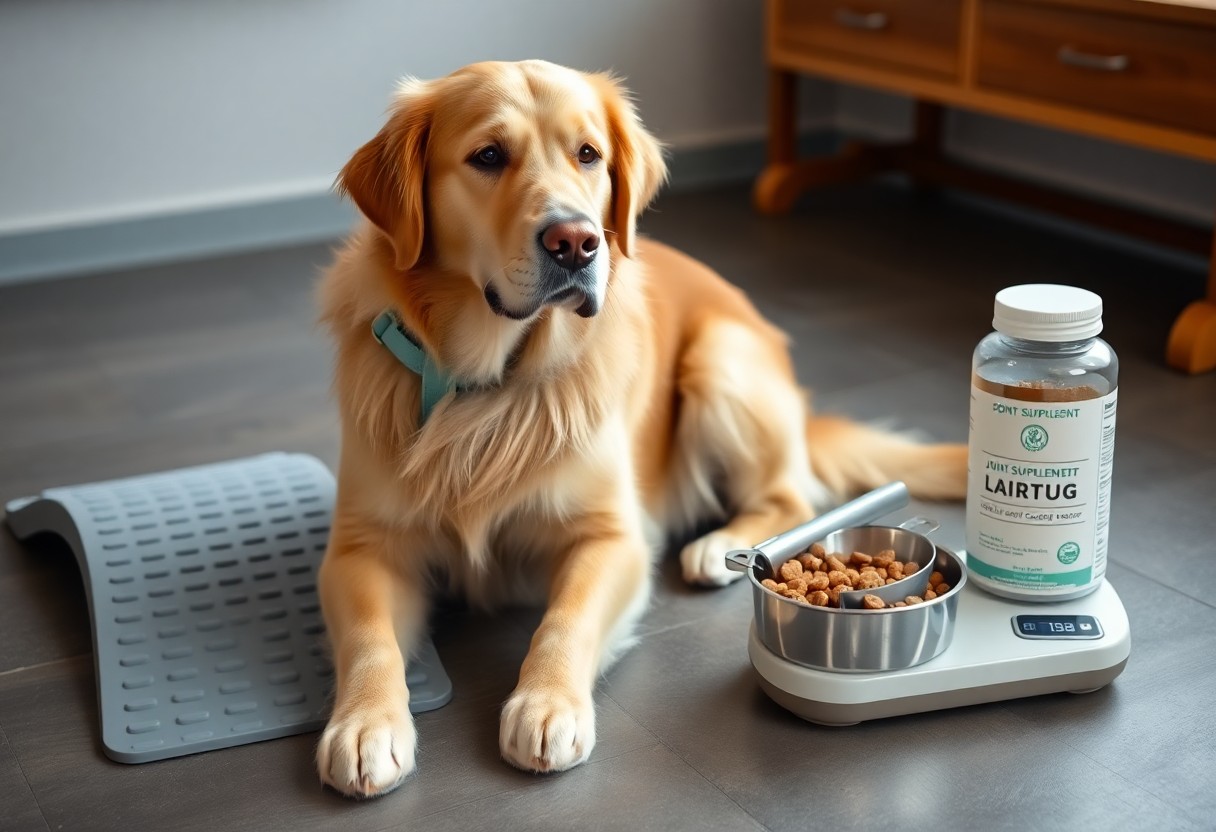
As your senior pet increases or maintains activity, match calories and nutrients to protect joints and muscle: many senior dogs (7+ years) and cats (11+ years) benefit from reducing intake by about 20-25% if activity drops, while keeping high-quality protein near 25-30% of calories to preserve lean mass. Include omega‑3s (EPA/DHA ~100-300 mg/day) for anti-inflammatory support and track weight and body condition weekly to fine-tune feeding with exercise levels.
Diet Considerations for Senior Pets
Adjust calorie density to prevent weight gain that increases joint stress; even 1 kg extra can worsen mobility. You should limit treats to <10% of daily calories and favor high-protein, highly digestible sources. For pets with renal or cardiac issues, consult your vet-phosphorus or sodium restriction may be necessary and will affect exercise tolerance and diet choices.
Hydration Importance
Water intake should be about 50-60 ml/kg/day, and you need to increase fluids by roughly 25-50% during activity, offering water every 10-15 minutes on walks. Watch for dehydration signs such as tacky gums, lethargy, or poor skin elasticity; these require stopping exercise and rehydrating. Providing wet food, low-sodium broth, or a pet fountain can boost intake, especially if your senior drinks less.
Carry a collapsible bowl and offer sips frequently; for sessions over 30 minutes use a vet‑approved electrolyte solution rather than plain sports drinks. Measure daily intake and weigh your pet weekly-loss of >5% body weight suggests dehydration, and >10% is emergency-level requiring immediate veterinary care. Cooling water and shaded rest breaks also reduce heat stress and help maintain hydration.
Creating a Safe Exercise Environment
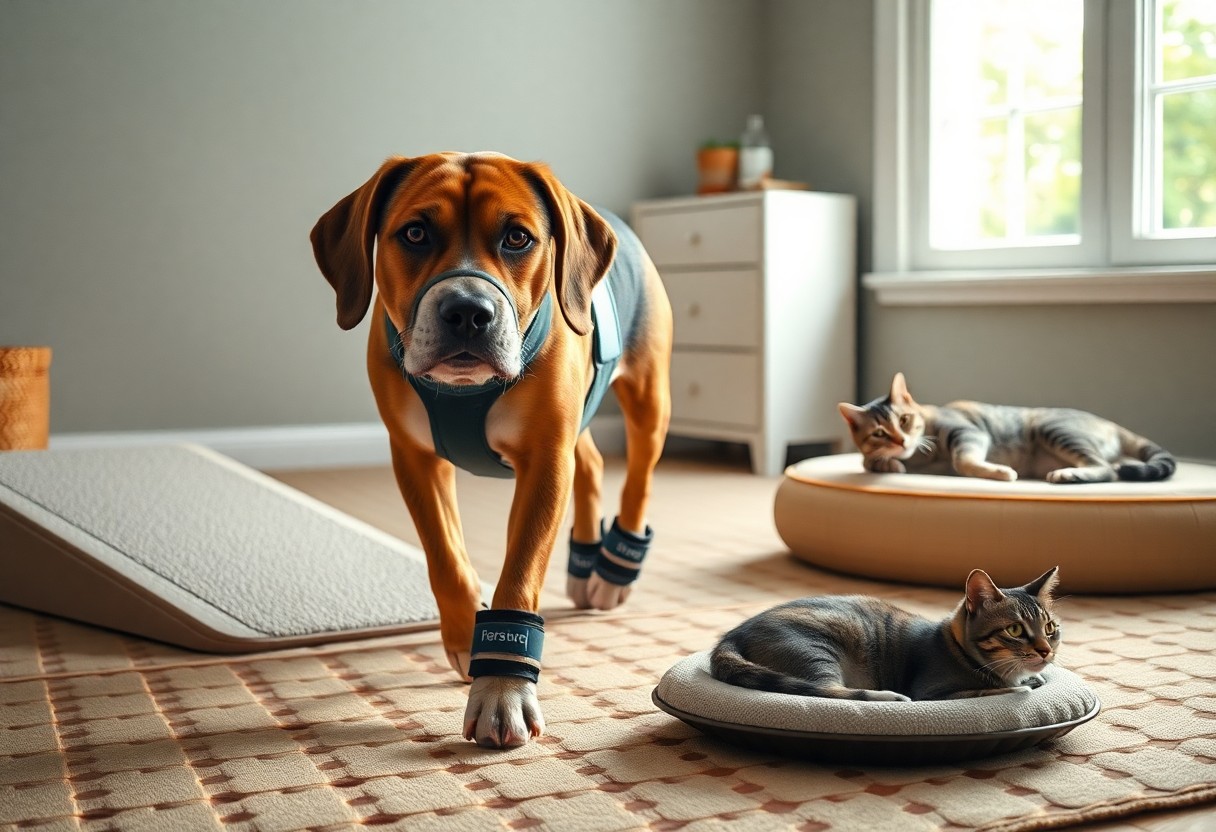
Place non-slip mats and low-rise ramps to reduce slips on hardwood; senior pets often lose paw traction and benefit from 2-4 inch ramps or 4-6 inch step risers for couches and beds. Keep exercise areas free of loose cords and small objects under 1 inch that pose choking hazards. Position water within 3-5 feet of activity zones and avoid outdoor sessions when temperatures exceed 85°F or drop below 40°F. Supervise sessions and limit high-impact activity to under 15 minutes per bout for dogs over age 8.
Safe Outdoor Spaces
When you use a yard, ensure fencing is secure at 4-6 feet and check for gaps under gates to prevent escapes. Remove toxic plants like sago palm and lilies, and don’t exercise on lawns treated with pesticides within 48 hours. Keep grass trimmed under 6 inches to reduce tick exposure, provide shade and water within 10 feet of activity areas, and opt for early-morning or late-evening walks when temperatures exceed 80°F to lower heat risk.
Indoor Activity Ideas
You can keep seniors active with 5-10 minute nose-work sessions, puzzle feeders, or supervised slow treadmill walks at 0.5-1.5 mph. Use low step platforms (4-6 inches) for controlled step-ups and scatter kibble to encourage gentle movement. Rotate activities into 1-2 sessions per day totaling 10-20 minutes to prevent fatigue. Avoid slick tile or hardwood without runners and never leave your pet unattended on a treadmill.
Progress slowly: begin with 5 minutes and increase by 1-2 minutes every 3-4 days if your pet shows no limp, excessive panting, or >30 breaths per minute. Incorporate three sets of 8 controlled step-ups, short balance work on a stable ottoman, and scent games to boost mental and physical engagement. Use high-traction rugs, raise food bowls to reduce neck strain, and monitor joint swelling or increased stiffness after sessions; consult your veterinarian if pain or abnormal heart/respiratory signs persist.
Final Words
Presently you must prioritize gradual, low-impact activity for senior pets: consult your veterinarian, adapt intensity to mobility and pain, focus on short regular walks, controlled play, warm-ups and cool-downs, joint-supportive surfaces, weight management, and monitoring for fatigue or limping so you can adjust routines to maintain comfort and quality of life.
FAQ
Q: How do I determine the right exercise level for my senior pet?
A: Start with a veterinary exam to identify arthritis, heart, respiratory, or metabolic issues that affect activity. Observe your pet’s baseline: gait, willingness to rise, stair use, and how quickly they tire. Begin with short, low-intensity sessions (5-10 minutes) and increase by small increments only if the pet shows no fatigue, pain, or stiffness within 24-48 hours. Use body condition and mobility rather than age alone to set goals; adjust by weight, chronic conditions, and daily energy. Keep a simple log of duration, type, and any changes in behavior or appetite to help refine the plan with your veterinarian.
Q: What types of exercise and routines are safest for older dogs and cats?
A: Favor low-impact activities that maintain muscle and joint mobility: controlled leash walks on flat surfaces, slow swimming, gentle play, short stair-free fetch, and guided range-of-motion or balance exercises. Use multiple short sessions (2-3 times per day) totalling 15-30 minutes rather than one long outing. Include a 5-10 minute warm-up of slow walking and gentle limb stretches, and finish with a cool-down and soft bedding. Add supportive aids as needed-non-slip mats, ramps or steps, harnesses for better support, and appropriately cushioned bedding. Avoid high-impact running, vigorous jumping, rough play with larger animals, and prolonged exposure to extreme heat or cold.
Q: What signs indicate overexertion or pain, and what should I do if they appear?
A: Watch for persistent limping, reluctance to move, prolonged stiffness or soreness after activity (24-48 hours), heavy or labored breathing, coughing, disorientation, collapse, or marked behavioral changes. If mild signs appear, stop activity, offer water, move to a calm shaded area, and allow rest; reassess activity level the next day. If lameness, difficulty breathing, collapse, or ongoing pain is present, contact your veterinarian promptly. For recurring issues, work with the vet on pain management, tailored physiotherapy, weight reduction, joint supplements if indicated, and an adjusted low-impact exercise program.