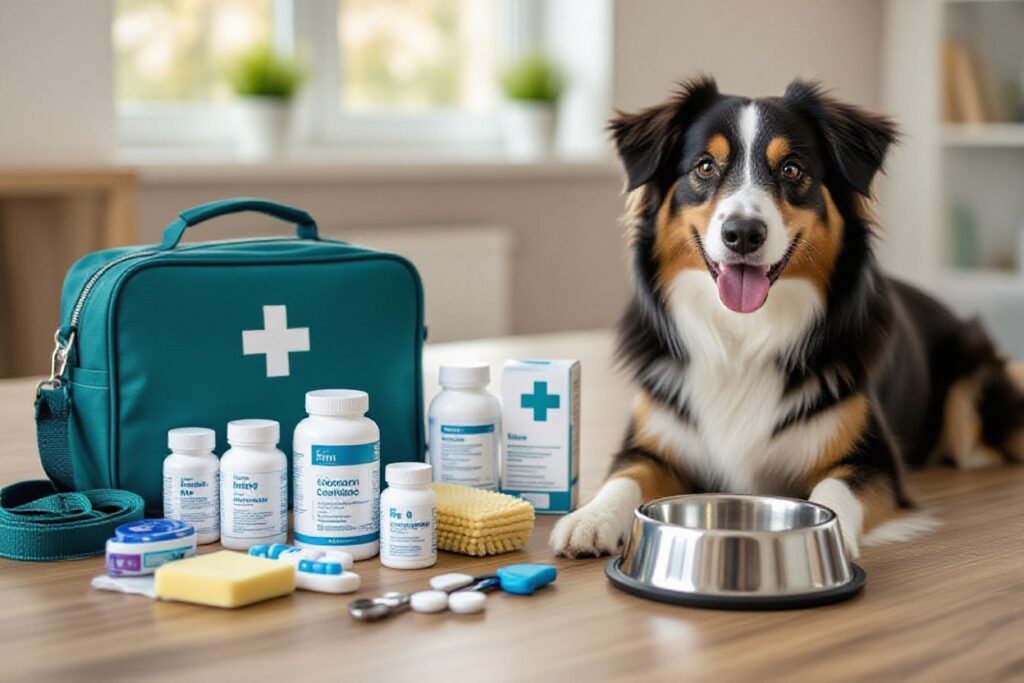
With a focus on aging companions, you should monitor behavior, mobility, appetite and toileting daily; watch for signs of pain, sudden weight loss, or drastic behavior change as these can signal serious illness, and keep a schedule of regular veterinary checkups, tailored nutrition and consistent gentle exercise to preserve quality of life; use medication logs and temperature/weight tracking to spot trends early so you can act quickly and confidently for your pet’s wellbeing.
Understanding Senior Pet Health
As pets age (often classed as senior between 7-10 years depending on species and size), you must track subtle changes: 10% weight loss, decreased activity, appetite shifts, or new limping often signal underlying disease. Larger breeds tend to show age-related issues earlier than small breeds. Use monthly at-home checks and a simple journal of changes so you can spot trends and bring concrete observations to your veterinarian.
Common Health Issues in Senior Pets
Arthritis, dental disease, chronic kidney disease, heart disease, diabetes, cancer and cognitive dysfunction are frequent in older pets. You should watch for stiffness, foul breath, increased thirst, coughing, unexplained weight loss or confusion. Studies report arthritis in up to 20-30% of senior dogs and chronic kidney disease affecting up to 30% of cats over 10. Early management preserves mobility, comfort and quality of life.
Importance of Regular Veterinary Check-ups
Schedule veterinary exams at least every six months once your pet is senior; many clinics recommend biannual visits to detect slow-onset problems. During visits request a full physical, bloodwork, urinalysis, dental assessment and blood pressure measurement so you build objective baselines. You’ll be able to start diet changes, pain control or targeted therapies based on trends instead of waiting for obvious decline.
Routine tests such as CBC, chemistry panel and SDMA often reveal early kidney impairment before creatinine rises; tracking these values guides intervention. Add imaging (radiographs, dental x‑rays) and blood pressure checks-readings >160 mmHg in cats suggest hypertension needing treatment. For example, a 12‑year‑old cat with mildly elevated SDMA and controlled hypertension began dietary therapy and medication, maintaining appetite and activity for months to years.
Nutrition for Senior Pets
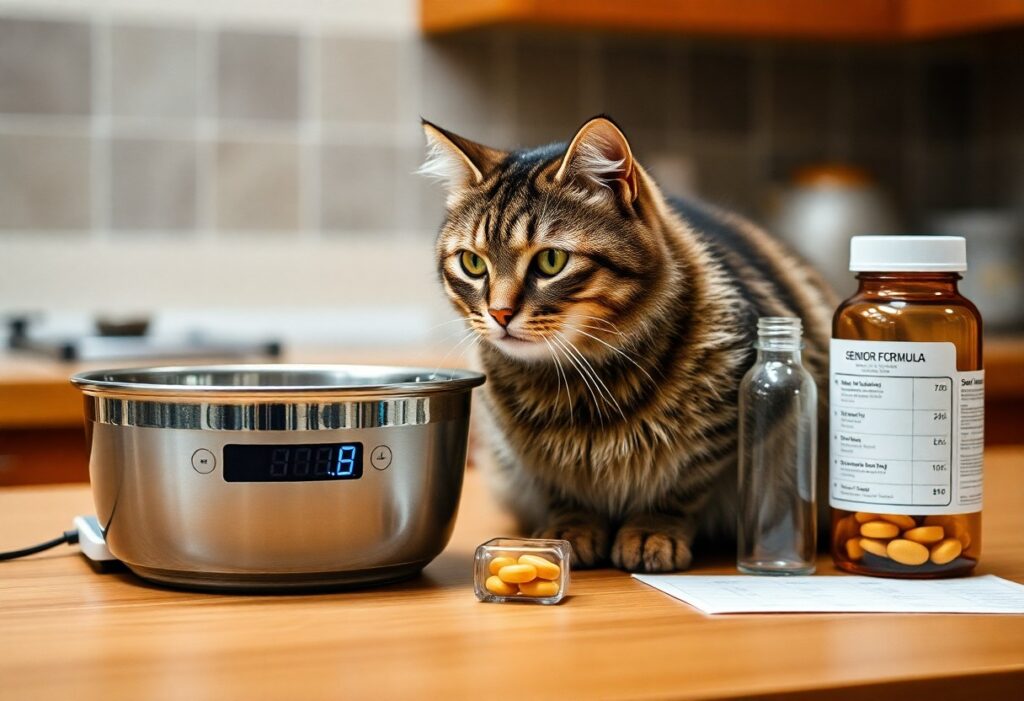
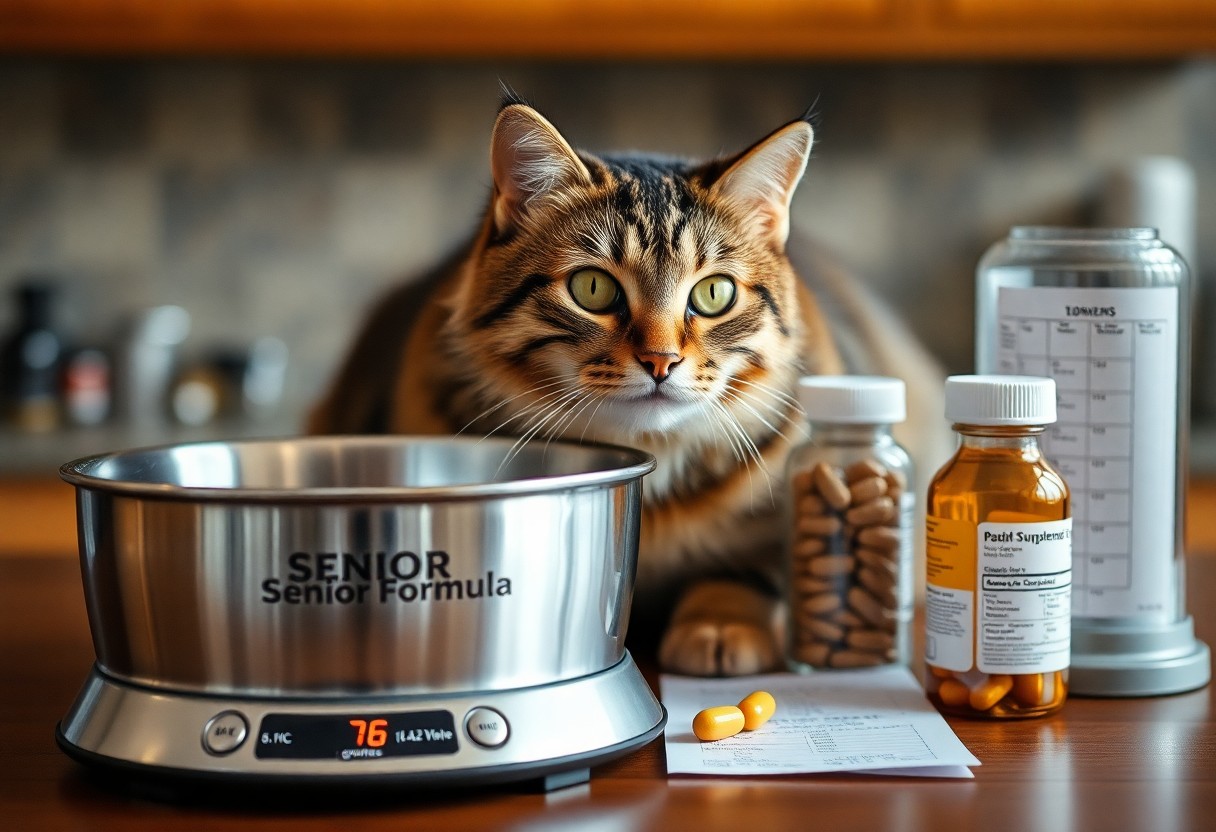
You should adjust meals based on activity and diagnoses: aim for roughly 20-25% fewer calories if your pet becomes sedentary, while keeping protein relatively high to prevent muscle loss (dogs ~18-25%, cats ~30-40% depending on condition). Increase soluble fiber for constipation, consider low-sodium options for heart disease, and always transition diets over 7-10 days while tracking body condition weekly.
Dietary Changes and Considerations
When weight drops, raise calorie density with nutrient-dense toppers; if weight rises, cut portions by 10-20% and add controlled activity. Dental disease often requires softened kibble or canned food. For chronic kidney disease, switch to diets with reduced phosphorus and moderated protein; for diabetes, enforce measured meals and consistent timing to stabilize glucose.
Supplements for Senior Pet Health
Common options include omega‑3 (EPA/DHA) for inflammation and cognition, glucosamine/chondroitin for osteoarthritis, probiotics for gut balance, and SAMe for liver/cognitive support. You should pick veterinary‑formulated products and consult your vet on dosing; avoid human formulations containing xylitol or excessive vitamin D, which can be dangerous to pets.
Start supplements after baseline labs and assessment; joint supplements typically take 4-8 weeks to show improvement, while probiotics may alter stool within 7-14 days. Watch for side effects like GI upset or increased bleeding risk with high-dose fish oil, record brand and lot numbers, and combine supplementation with weight control and physical therapy for best results.
Exercise and Mobility
Importance of Physical Activity
Even subtle, regular movement preserves muscle and joint function in senior pets; aim for 20-30 minutes of low-impact activity daily, split into short sessions like three 10‑minute walks. You’ll reduce obesity risk, support circulation, and help cognitive health, while you should watch for limping, prolonged stiffness, or reluctance to rise-these indicate you need to pause activity and consult your vet.
Adapting Exercise Routines for Older Pets
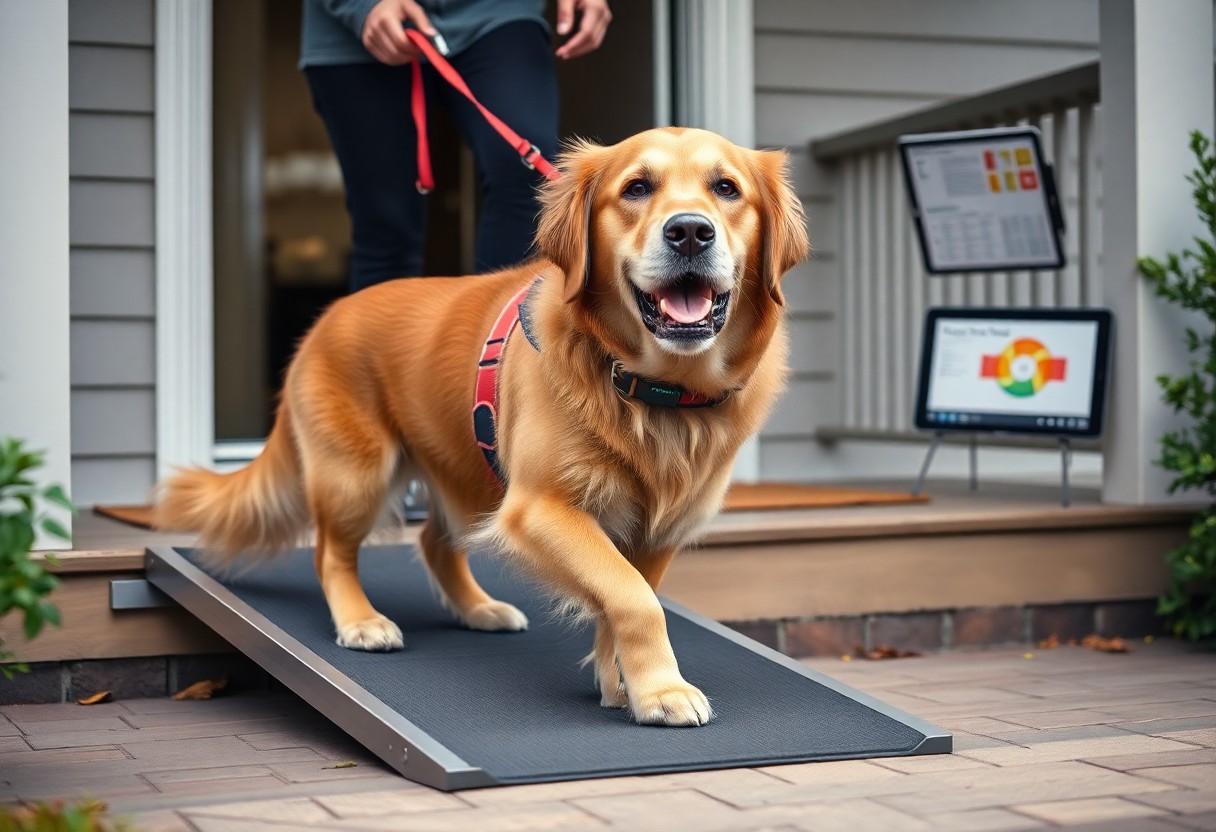
Reduce intensity and favor joint-friendly options such as swimming, underwater treadmills, slow leash walks, or controlled scent games on non-slip floors; begin with 5-10 minute sessions and increase by 1-2 minutes every few days if tolerated. Use a harness, avoid high-impact jumping or stairs, and ask your vet about physical therapy or tailored strength exercises.
For more detail, a practical plan might be hydrotherapy 2-3 times weekly plus daily 10-15 minute slow walks, monitoring breathing and gait; one clinic case showed improved stride and decreased pain medication after eight weeks. You must stop for heavy panting, stumbling, or worsening limp-these are danger signs that need veterinary assessment.
Dental Care for Senior Pets
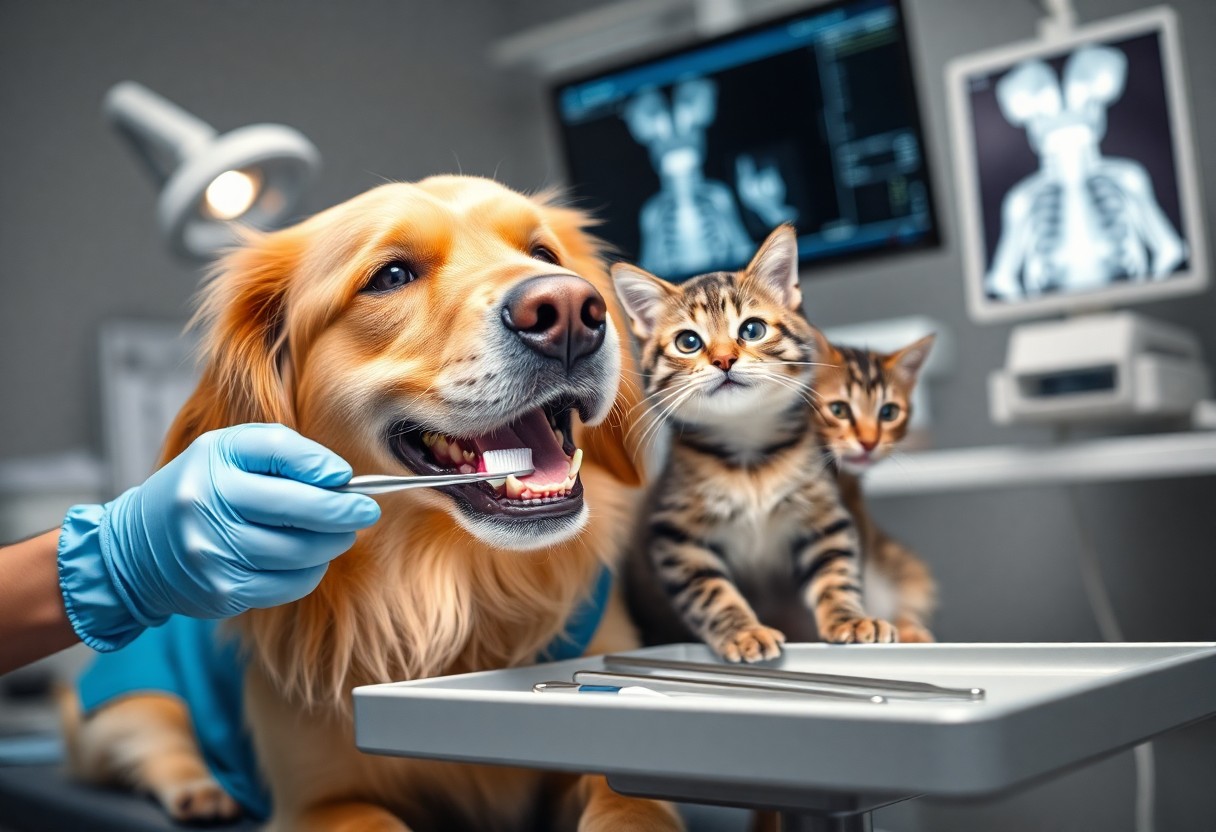
Prioritize twice-yearly oral exams and professional cleanings for seniors, since by age 3 about 80% of dogs show periodontal disease and risks compound with age. You should watch for bad breath, drooling, loose teeth and weight loss-these often signal infection or pain. Use anesthetized cleanings to remove subgingival tartar; combine with home care to slow progression and improve your pet’s appetite and energy within weeks.
Common Dental Issues
Periodontal disease, gingivitis and tooth resorption in cats are the most frequent problems you’ll see; periodontal affects gums and bone leading to tooth loss. Seniors also develop fractured teeth, oral abscesses and occasionally tumors. Signs such as persistent bad breath, facial swelling, or difficulty eating often indicate advanced disease and higher risk of bacterial spread to the heart or kidneys.
Maintaining Oral Hygiene
You should brush daily with an enzymatic pet toothpaste and a soft brush; if daily isn’t possible aim for 3-4 times weekly. Schedule professional cleanings under anesthesia every 6-12 months for many seniors, and supplement with VOHC‑approved dental chews or rinses to reduce plaque between sessions.
You can begin gradually: start with 10-15 second sessions and build to 1-2 minutes, using a soft or finger brush and flavored enzymatic toothpaste made for pets (never human paste). Focus strokes at a 45° angle along the gumline and prioritize outer surfaces if full-mouth brushing isn’t tolerated. Add VOHC‑approved chews, dental diets, or water additives for extra control, but avoid hard bones or ceramic toys that can cause tooth fractures. Discuss bloodwork and anesthetic risk with your vet before cleanings-many seniors show measurable appetite and comfort gains after appropriate dental treatment.
Monitoring Health and Behavior
You should track subtle changes in sleep, appetite, mobility, weight, grooming, and social interaction to spot early decline; for example, a >5% weight loss in one month or a resting respiratory rate above 30 breaths/min often signals problems. Use short daily notes, photos or short videos, and weekly weigh-ins to compare trends so you can act before issues escalate.
Recognizing Signs of Discomfort or Illness
If your pet shows altered gait, reluctance to jump, repeated licking of one spot, or new vocalization, log it immediately; limping that lasts >48 hours, persistent vomiting for >24 hours, or pale/blue gums are danger signs. Also watch for appetite drops >25% and changes in drinking or urination-these specific thresholds help you decide when to contact your vet.
Keeping a Health Journal
You can keep a simple journal noting date/time, weight (to 0.1 kg or 0.2 lb), appetite %, stool consistency, mobility score (1-5), meds/doses, and any unusual behavior; include photos or short videos for comparison. Sharing this concise log before appointments speeds diagnosis and helps the vet see trends that single visits miss, often improving outcomes.
Use a consistent template-daily line items plus a weekly summary-and apps like PetDesk or a spreadsheet with columns for weight, resting respiratory rate, heart rate, appetite and stool. Record baseline vitals (dog temp 101-102.5°F; cat temp 100.4-102.5°F), note when values deviate, and flag entries with urgent tags for symptoms like sustained vomiting, severe lethargy, visible blood, or collapse so you can prioritize veterinary attention.
Creating a Comfortable Environment
Accommodating Physical Changes
Install gentle ramps or steps with a non-slip surface to help your pet reach couches and cars; aim for a low incline and secure edges. Use orthopedic beds-2-4 inches of memory foam for small pets, 4-6 inches for large breeds-to lessen joint pressure. Raise bowls 1-2 feet as needed to avoid neck strain, and keep ambient temperature around 68-72°F to help stiff joints. Consult your vet before adding supplements or drastic changes.
Providing Comfort and Safety
Keep walkways clear and use non-slip mats to prevent slips as your pet’s reflexes slow. Block stairs with gates at night, secure loose cords, and remove small objects that could be chewed or swallowed – foreign body ingestion often causes emergency vet visits. Provide low-level night lighting and maintain a consistent layout so a blind or disoriented pet can navigate, as owners of senior cats report fewer collisions after simplifying room arrangements.
You can anchor rugs with grippers, fit thresholds with 1/2-1 inch ramps to reduce stumbling, and install motion-activated LED lights for night visibility. Use plug covers and cord protectors to prevent chewing, and lock up medications and cleaners. Try a pheromone diffuser or a weighted blanket to lower anxiety; many owners report calmer behavior within two weeks. If mobility worsens, add a non-slip harness for safer lifts.
Conclusion
Drawing together your efforts in routine checkups, tailored nutrition, gentle exercise, dental and joint care, and vigilant monitoring of behavior, appetite, mobility and weight ensures your senior pet stays comfortable and has the best quality of life. You should keep detailed records, adjust care as needs change, and work closely with your veterinarian to detect and address health issues early.
FAQ
Q: How should I adjust my senior pet’s diet and weight monitoring?
A: As pets age, metabolism, dental health and activity levels change. Transition to a high-quality senior formula or a diet tailored to specific conditions (kidney, liver, weight management) and prioritize adequate lean protein, moderate calories, added omega-3s for inflammation and joint support, and soluble fiber for digestion. Soften food if dental issues exist. Weigh the animal regularly (weekly at home or monthly at the clinic) and use a body-condition score to track fat versus muscle loss. Log food intake and treats; sudden weight loss (for example, >5% in a month) or unintentional gain warrants veterinary evaluation and diagnostic tests such as bloodwork and urinalysis.
Q: What subtle signs indicate health decline in senior pets and how should I monitor them?
A: Senior pets often present subtle changes: reduced activity, reluctance to jump, stiffness, altered gait, decreased grooming, appetite or thirst changes, new litter-box accidents or house-soiling, disrupted sleep patterns, confusion or increased vocalization, and changes in breathing. Keep a daily checklist tracking appetite, water intake, elimination, mobility and behavior; take photos or short videos of limping or disorientation. Record weight and any medication effects. Persistent changes over 48-72 hours, sudden collapse, seizures, severe bleeding, difficulty breathing, or inability to stand require urgent veterinary attention.
Q: How can I maintain my senior pet’s mobility and comfort at home?
A: Make the environment senior-friendly: add non-slip rugs or traction pads, install ramps or steps to favorite resting spots, place raised food and water bowls, and provide an orthopedic bed with warm bedding. Keep nails trimmed and coat maintained to reduce discomfort. Encourage short, low-impact exercise daily (gentle walks, controlled play) and consider physical therapy, hydrotherapy or guided strengthening exercises. Use harnesses or slings for assisted mobility when needed and follow a vet-approved pain-management plan. Reassess home access to water, litter boxes and activity areas regularly to preserve independence and minimize stress.