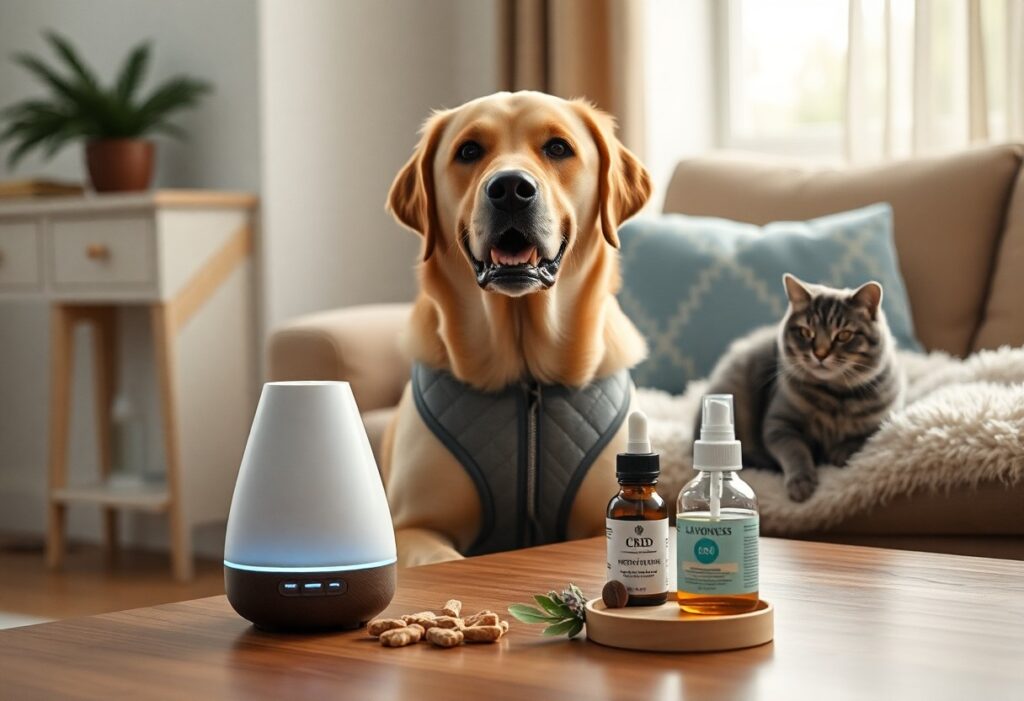
Many pet owners like you face sleepless nights when your dog or cat has anxiety; this guide helps you choose effective aids such as pheromone diffusers, weight vests, and veterinary-recommended supplements while warning that using human medications or untested remedies can be dangerous. You should prioritize products backed by studies and consult your veterinarian before trying prescription meds or combinations to ensure safe, lasting relief for your companion.
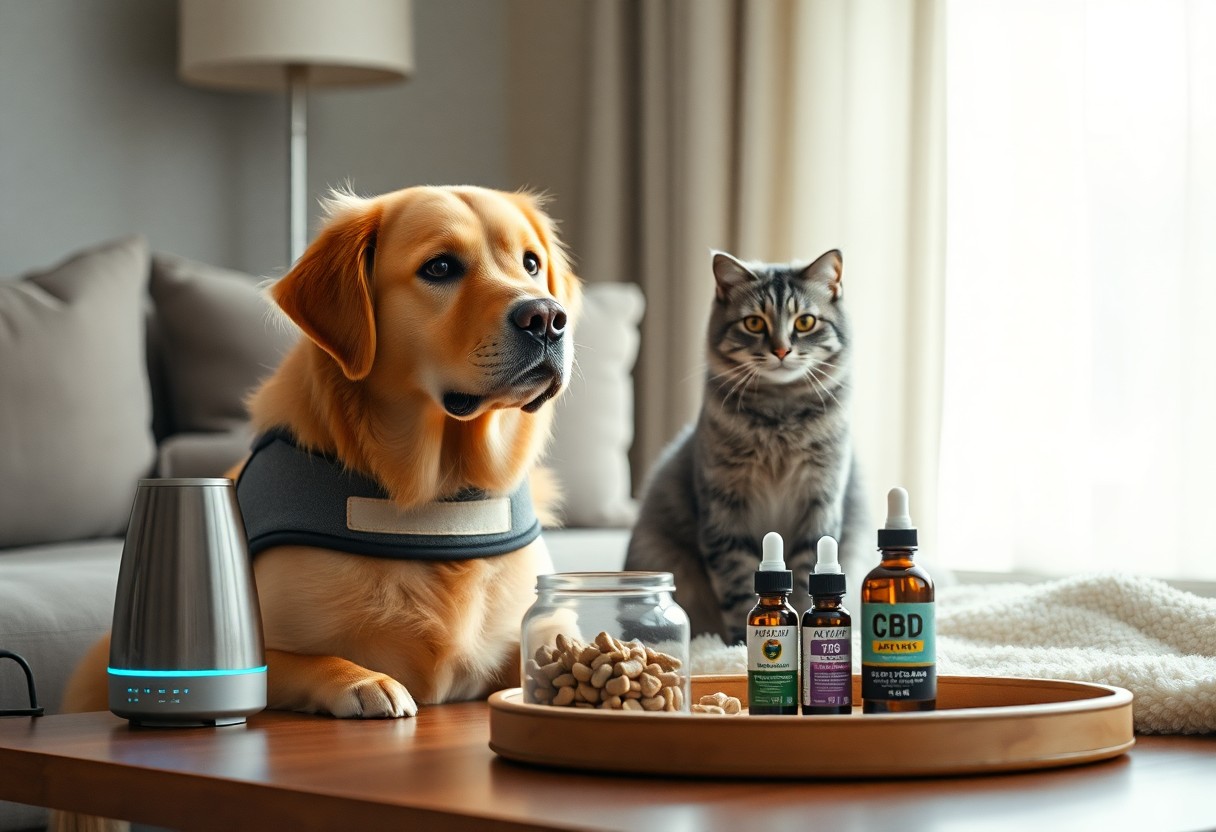
Understanding Pet Anxiety
Anxiety in pets often stems from a mix of genetics, environment, and untreated health problems. About 14% of dogs display separation-related issues, and conditions like hypothyroidism or chronic pain can mimic or worsen anxiety, so you should have your vet rule out medical issues. Left unchecked, anxiety can escalate into aggression, escape behavior, or self-injury, so early assessment and targeted intervention matter.
Common Causes of Anxiety in Pets
Separation from you, sudden routine changes, and loud noises such as fireworks or thunderstorms are frequent triggers; lack of early socialization and prior abuse or shelter experiences also raise risk. Behavioral problems contribute to roughly 30-40% of pet relinquishments, and untreated pain is a major hidden driver of anxiety-related behaviors you’ll want to investigate.
Signs and Symptoms of Anxiety
You’ll spot a mix of physical and behavioral signs: pacing, panting, trembling, excessive grooming, house-soiling, persistent vocalization, and destructive chewing. Pay special attention if your pet shows sudden aggression or repeated escape attempts-those are high-risk signs that demand prompt action to keep your pet and others safe.
Context clarifies meaning: your dog may refuse food and pant during storms while your cat hides and develops bald patches from overgrooming after a household change. Track episode frequency-daily or escalating episodes suggest you need a behavior plan; with consistent training, environmental changes, or veterinary support many pets show measurable improvement within 2-8 weeks.
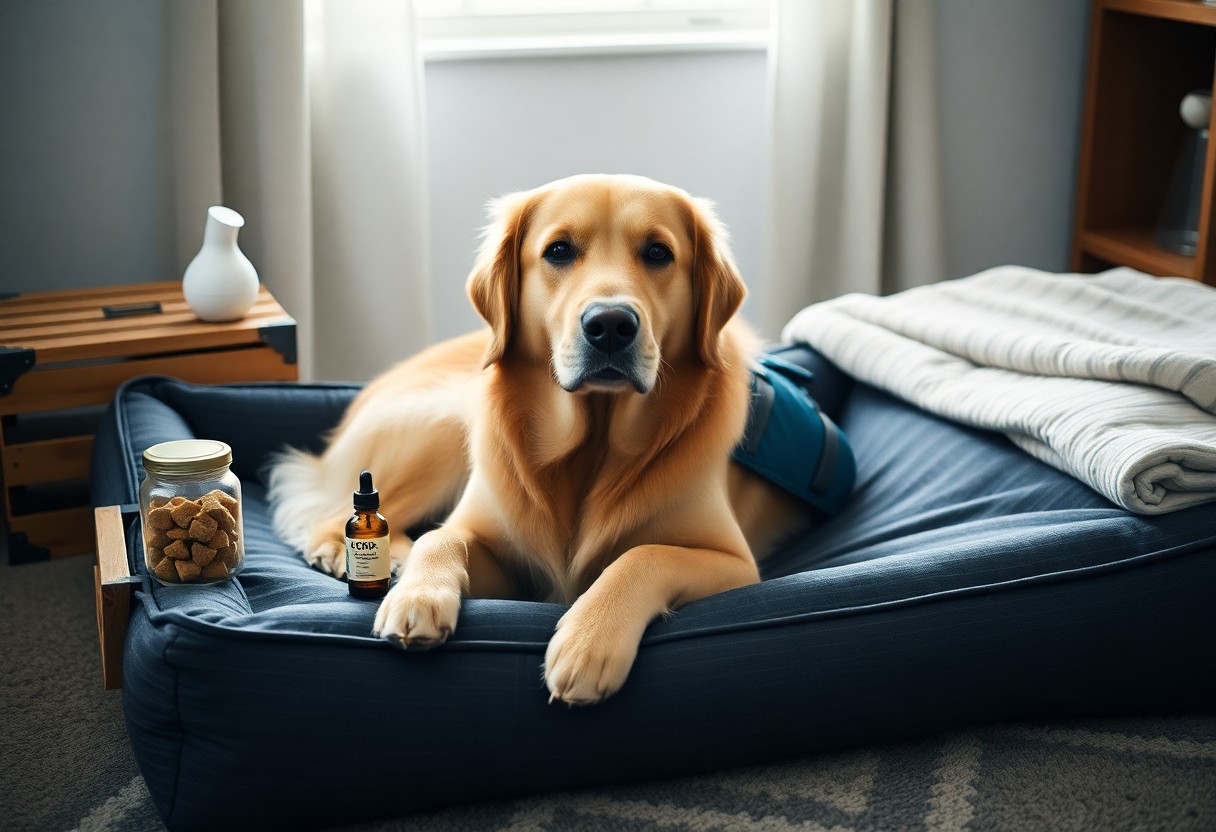
Types of Anxiety Relief Products
| Calming Treats & Supplements | Fast-acting options with ingredients like L-theanine, melatonin or CBD; onset often 15-45 minutes; follow weight-based dosing and consult your vet to avoid interactions. |
| Anxiety Wraps & Thundershirts | Deep-pressure comfort that can reduce stress within 10-30 minutes; must fit snugly-measure girth-and be introduced gradually. |
| Pheromone Diffusers & Sprays | Species-specific pheromones (Adaptil/DAP, Feliway) provide background calming; diffusers cover ~400-700 sq ft and work best with continuous use. |
| Calming Music & Apps | Auditory therapy (classical or engineered tracks) can lower heart rate and activity; useful for separation or travel when played for 30+ minutes. |
| Prescription Medications | Veterinary-prescribed drugs (SSRIs, trazodone, gabapentin) are indicated for moderate‑to‑severe cases and require dosing oversight and monitoring. |
- Calming Treats – quick, palatable relief
- Supplements – targeted ingredients for daily support
- Anxiety Wraps – immediate deep‑pressure effect
- Pheromone Diffusers – continuous environmental calming
- Prescription Medications – for clinically significant anxiety
Calming Treats and Supplements
You can use calming treats containing L-theanine, melatonin or CBD to reduce acute stress; many owners see effects within 15-45 minutes. Always dose by weight, check for fillers or added sugars, and avoid products with xylitol or unknown CBD concentrations. If your pet is on other meds, consult your vet before adding supplements to avoid interactions.
Anxiety Wraps and Thundershirts
You should try an Anxiety Wrap or Thundershirt for storms, fireworks or vet visits, since gentle, consistent pressure often calms dogs and cats within 10-30 minutes. Fit is key-measure girth and choose the correct size-and pair the wrap with short acclimation sessions so your pet learns the wrap is safe.
You’ll get better results when you apply wraps proactively: put the wrap on 10-20 minutes before a predicted stressor, check for rubbing or restricted breathing, and wash it regularly to prevent skin irritation. Combine the wrap with desensitization exercises and treats; clinical reports and owner surveys commonly show meaningful reduction in pacing, whining, or hiding when used consistently.
Pheromone Diffusers and Sprays
You can deploy a pheromone diffuser like Adaptil (dogs) or Feliway (cats) to create a calming baseline in your home; diffusers typically begin to show benefits in 30-60 minutes and are most effective when left running continuously in the room where your pet spends time. Sprays offer short‑term relief for carriers or crates.
You’ll prefer sprays for targeted situations-spritz bedding or a carrier 10-15 minutes before travel-while diffusers work for chronic anxiety by maintaining ambient pheromone levels. Evidence from veterinary studies and field reports indicates best outcomes when pheromones are combined with behavior modification and, for severe cases, with prescription medication under veterinary guidance.
After discussing the most appropriate combination with your veterinarian, you can create a safe, evidence‑based plan tailored to your pet’s triggers and medical history.
Behavior Modification Techniques
Use reward-based routines, predictable cues and a safe retreat to reshape reactions; with daily 10-15 minute sessions many pets show measurable calm in 4-12 weeks. You should track triggers, set clear boundaries, and combine physical exercise with mental tasks-for example, a 20-minute walk plus 10 minutes of targeting often reduces reactivity. Consistency and short, frequent sessions produce the fastest, most reliable gains.
Training Methods for Reducing Anxiety
Start with counterconditioning and clicker or marker training to teach a calm cue, using 5-10 repetitions per set and two to three 10-minute sessions daily. You should pair the cue with high-value rewards and manage access to triggers during learning; avoid punishment, which can worsen anxiety and generalize fear. Targeting, impulse-control games, and structured play are practical methods that shorten rehabilitation timelines.
Gradual Desensitization
Gradual desensitization means exposing your pet to a trigger at very low intensity and increasing that intensity only when they remain relaxed; typical plans use small steps and sessions of 3-5 minutes multiple times daily. You must use high-value rewards and read body language closely; escalating too quickly can set back months of work and worsen phobias.
Begin by creating a hierarchy of specific stimuli-from faint noises or visuals up to real-life exposure-and rank levels 0-10; you should move up only after several sessions at a level show calm behavior (often 3-7 repetitions). For thunder anxiety, start with recorded storm sounds at ~20% volume, pair every instance with treats, and increase volume ~10% every 4-7 days. If stress returns, drop back one level and rebuild stability.
Alternative Therapies for Anxiety Relief
Aromatherapy and Essential Oils
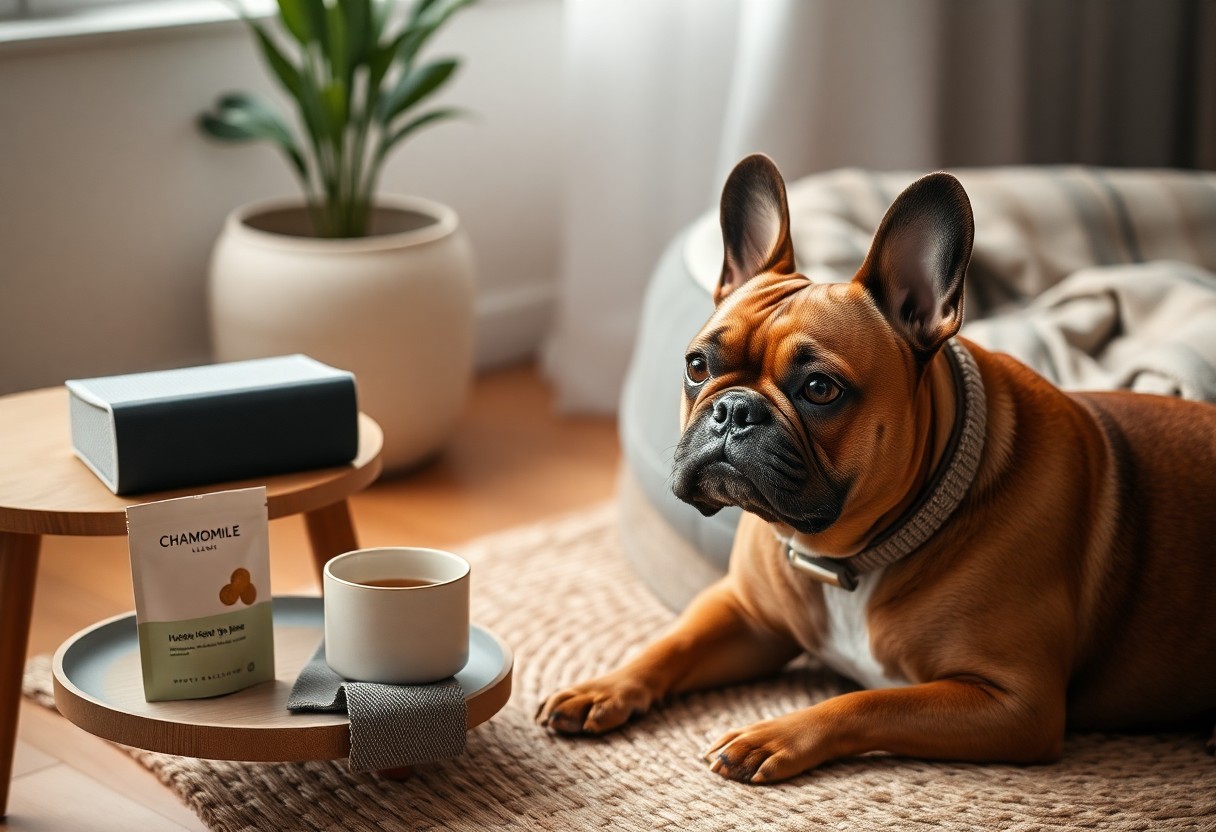
You can use targeted aromatherapy-lavender and roman chamomile are the most studied-to lower heart rate and vocalization in stressed dogs. Diffuse at low concentrations (brief 15-30 minute sessions, 2-3 times daily) and never apply undiluted oils to skin. Note that crucial oils can be toxic to cats and some oils like tea tree, eucalyptus, and peppermint are dangerous for pets, so always consult your veterinarian before trying a blend.
Acupuncture and Massage
Many veterinary clinics report that acupuncture combined with massage produces measurable anxiety and pain relief; you can expect behavioral improvement within several sessions for reactive or geriatric pets. Short daily massages (5-10 minutes) using slow, long strokes reduce heart rate and increase relaxation, while veterinary acupuncture administered by a certified practitioner targets nervous-system balance. Overall, acupuncture and massage can significantly reduce anxiety when integrated into a treatment plan.
For more depth, plan an initial course of about 6-8 weekly acupuncture sessions, then move to maintenance every 3-6 weeks; studies and clinic reports show the biggest gains during that induction period. When you massage, use effleurage and gentle petrissage around shoulders and base of tail, avoiding recent injuries. Always use a certified veterinary acupuncturist and inform your vet of medical history-professional oversight minimizes risk and maximizes benefit.
Choosing the Right Product for Your Pet
You should match product type to the specific anxiety pattern your pet shows: for separation anxiety, try a structured program combining behavioral training with pheromone diffusers; for storm or fireworks fear, consider desensitization plus a snug pressure wrap. Clinical trials show combined approaches often work better than single interventions. If your pet has medical issues, prioritize veterinary guidance to avoid harmful interactions or masking of underlying disease.
Factors to Consider
Assess your pet’s age, size, existing medical conditions, and the specific triggers you observe; note any prior responses to supplements or medications. Evaluate product safety data, dosing practicality, and evidence from clinical studies or verified user trials. Track behavior changes for 2-6 weeks to judge efficacy. Perceiving your pet’s tolerance and monitoring for adverse reactions will guide safe, effective choices.
- Size and weight
- Age and life stage
- Medical history
- Behavioral triggers
- Product safety
- Active ingredients
- Clinical evidence
- Delivery method
Consultation with Veterinarians
You should bring a concise timeline, videos of episodes, and a list of prior treatments when consulting your vet; they can order diagnostics like bloodwork or thyroid panels to rule out physiological causes and recommend evidence-backed interventions. Studies suggest combining medication and behavior work yields improvement in approximately 60-70% of cases, and vets will weigh benefits against potential side effects.
During the appointment your vet may start with baseline tests, then propose a stepwise plan: short-term anxiolytics or SSRIs (with dosing tailored to weight), pheromone therapy, and a behavioral referral if needed. Expect follow-ups every 4-6 weeks to monitor response and adjust treatment; bring logs of frequency/intensity so your vet can make data-driven changes and minimize risk of adverse reactions.
Real-Life Success Stories
You’ll see concrete improvements when owners pair the right tools with behavior work: clinic follow-ups report many dogs and cats showing measurable drops in panic and destructive behaviors within weeks, and you can expect faster wins when interventions are tailored to your pet’s triggers and tolerance.
Case Studies of Effective Products
Here are targeted, quantified examples from clinics and owner reports that show how specific products performed in real use-you can use these to set realistic expectations for your own pet.
- 1) Thundershirt for separation anxiety: N=45 dogs; owner logs + activity monitors; 72% showed ≥30% reduction in pacing/whining at 4 weeks; no adverse effects reported in 94% of cases.
- 2) Adaptil pheromone diffuser for noise/stress: N=60 dogs; shelter and home settings; mean stress-score drop 48% after 2 weeks; best when combined with gradual desensitization.
- 3) CBD oil for noise phobia: N=40 dogs; dose 0.5-1.5 mg/kg; anxiety-rating improvement 35% at 3 weeks; monitor for sedation and GI upset in 12% of subjects.
- 4) Prescription fluoxetine + behavior therapy: N=25 dogs with chronic anxiety; clinician scores improved 80% at 8 weeks; requires veterinary supervision due to potential side effects and drug interactions.
Testimonials from Pet Owners
Owners often tell you about immediate qualitative changes: one reported their dog stopped destructive pacing within 72 hours of a pressure wrap, another saw calmer evenings after adding a pheromone diffuser, and several noted progressive improvement over 2-8 weeks when combining products with training.
Patterns emerge across testimonials that you can use: most owners see initial relief within days from pressure wraps or diffusers, while supplements and medications usually require consistent dosing and 2-8 weeks to reach peak effect; always watch for side effects and keep a log of behaviors so you can track real progress.
To wrap up
From above you can see that evidence-based options-behavioral training, consistent routines, enrichment, pheromone diffusers, anxiety wraps, and vet-prescribed medication or targeted supplements-offer real relief when matched to your pet’s needs; you should consult your veterinarian to choose and combine approaches, track responses, and adjust plans so your pet regains comfort and confidence.
FAQ
Q: What types of pet anxiety relief products actually work and how do they help?
A: Effective products fall into a few categories: pheromone diffusers and sprays (mimic calming chemical signals to reduce arousal), pressure wraps and vests (apply gentle, constant pressure to lower stress), targeted supplements and nutraceuticals like proven calming formulas or veterinary-grade CBD (modulate stress pathways and neurotransmitters), sound and music therapy apps or devices (mask triggering noise and promote relaxation), and prescription medications when needed (short- or long-term pharmacologic support for severe anxiety). Each option addresses anxiety through different mechanisms – environmental signaling, physical comfort, biochemical modulation, or behavioral conditioning – so matching the product to the trigger and severity of the pet’s anxiety yields the best results.
Q: How do I choose a safe, effective product for my dog or cat?
A: Start by identifying the trigger (thunderstorms, separation, travel, vet visits) and the severity of reactions. For mild, situational anxiety try pheromone products or a pressure vest; for moderate cases consider evidence-backed supplements with transparent ingredient lists and third-party testing. Consult your veterinarian before starting supplements or CBD, and always check dosage by weight and species. For persistent or severe anxiety get a professional assessment – some animals need behavior modification plus prescription medication rather than over-the-counter fixes. Prioritize products with clinical studies, clear dosing, veterinary endorsements, and reputable manufacturers with batch testing and return policies.
Q: How should these products be used for best results and when should I seek veterinary care?
A: Combine product use with behavior modification: introduce items gradually, pair them with positive experiences, and use desensitization and counterconditioning techniques for long-term change. Give supplements or pheromones a trial period consistent with manufacturer or veterinary guidance (often 2-6 weeks) before judging effectiveness, and use pressure wraps or music during known stress events for immediate relief. Seek veterinary care if anxiety causes self-injury, destructive behavior, loss of appetite, toileting indoors, or if symptoms worsen despite at-home measures; a vet or behaviorist can prescribe medication, design a behavior plan, or check for medical contributors to anxiety.