Gifts for your pet should prioritize safety and enrichment; in this guide you’ll find durable toys, cozy beds, and interactive feeders, and warnings about toxic foods and small choking hazards, plus tips to choose non-toxic materials and size-appropriate items so you can give joyful, safe presents.
Types of Pet-Friendly Gifts
You can focus gifts on play, comfort, nutrition, grooming, or training with options that match behavior and size; for example, puzzle feeders can increase foraging time by 2-5x compared with bowls and durable chews reduce destructive chewing. Choose items with clear labeling for materials and caloric content, and prioritize designs that minimize choking. Pet-Friendly Gifts often fall into repeatable categories you know work for your pet’s profile. After checking size, material, and ingredient lists, avoid items with small parts or toxic ingredients.
- Toys
- Treats
- Grooming
- Comfort
- Training
| Interactive Toys | Puzzle feeders, treat balls – slow feeding and mental enrichment |
| Durable Chews | Nylon or rubber chews ($10-$40); supervise puppies and heavy chewers |
| Comfort | Orthopedic beds sized to your pet; beds with washable covers preferred |
| Grooming | De-shedding tools and no-rinse wipes – useful for seasonal shedding |
| Safety/Treats | Single-ingredient freeze-dried treats; avoid xylitol, chocolate, grapes |
Gifts for Dogs
You should pick toys and treats matched to size, chewing strength, and activity level: KONG Classics, treat-dispensing puzzles, and adjustable harnesses cover play, training, and walks; expect quality toys to cost $10-$50. Supervise new chews and discard items with loose pieces. For overweight dogs, consider slow-feeding puzzle bowls that reduce intake speed and provide 10-20 minutes of engagement per meal.
Gifts for Cats
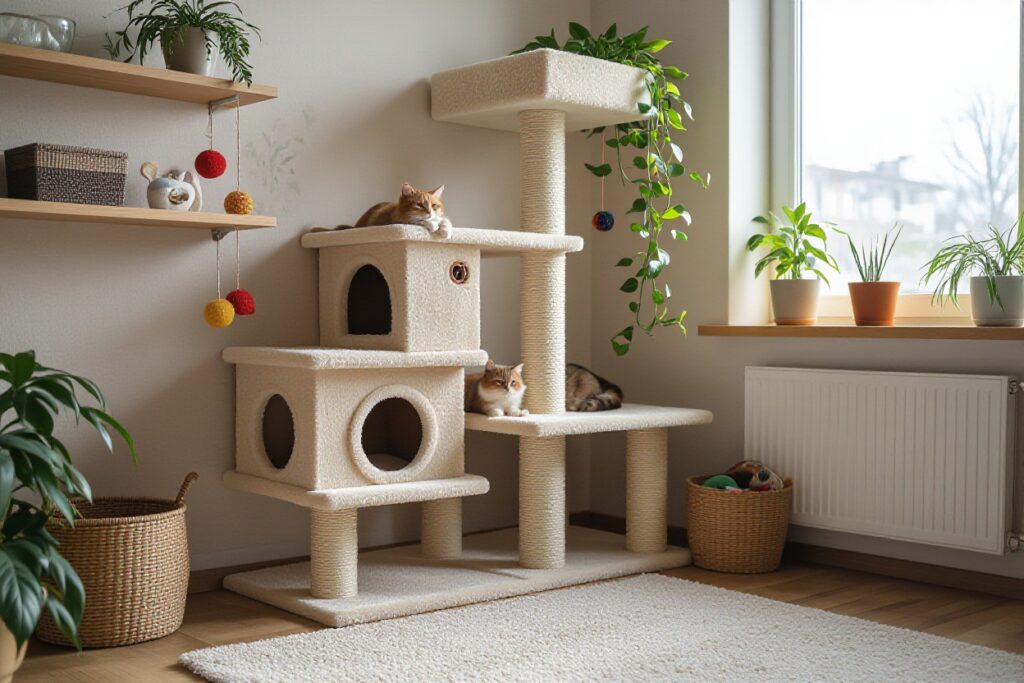
You can give vertical space, scratching surfaces, and interactive toys: cat trees with a 20+ lb weight rating, sisal scratching posts, and wand toys encourage climbing and scratching; priced typically $25-$200. Keep string-like toys out unless you supervise play because ingested string can cause serious internal injury. Puzzle feeders designed for cats slow fast eaters and extend mealtime engagement.
Materials matter: choose sisal or cardboard for scratching to protect furniture, and opt for noise-free motors on electronic toys for skittish cats. Provide perches 18-24 inches off the ground to satisfy vertical instincts, and swap toys every 1-2 weeks to maintain interest.
Gifts for Other Pets
You should match gifts to species: for rabbits and guinea pigs, give chew-safe hideouts and hay-based treats; for birds, provide foraging toys and durable wood perches; for reptiles, supply correct UVB bulbs (replace every 6-12 months) and thermostats for heat lamps. Avoid cedar bedding for small mammals because it can cause respiratory issues, and check wattage – reptile heat bulbs commonly run 50-150W depending on species.
Choose bedding like aspen or paper-based pellets for small mammals, and pick aquarium filters rated for tank volume (e.g., 10-20 GPH per gallon). Prioritize species-specific enrichment: for birds use puzzle feeders, for rabbits provide chew blocks, and for reptiles ensure UVB and heat gradients to support metabolism and behavior.
Tips for Choosing the Right Gift
You’ll weigh size, age and play style when selecting a present: small breeds often need toys under 4 inches, seniors prefer low-impact gear, and puppies need teething-safe materials. Inspect labels for non-toxic components, prefer durable constructions for heavy chewers, and choose limited-ingredient treats if your pet has sensitivities. Check washing instructions and warranty for long-term use. Thou must supervise the first few sessions and immediately remove anything showing damage.
- Size: match toy/treat portion to your pet’s weight and mouth.
- Material: opt for non-toxic, washable fabrics or food-grade rubber.
- Durability: choose chew-rated items for strong chewers.
- Function: mentally stimulating puzzle feeders vs. high-energy fetch gear.
Considering Pet Safety
When assessing safety, prioritize hazards like batteries, small parts, and ingredients such as xylitol that are toxic to dogs. Test new toys under supervision for 15-30 minutes to gauge chewing intensity and remove items that fray or shed stuffing. For cats, avoid unsupervised play with strings or ribbons because they can cause intestinal blockage. Also check treat calorie counts and adjust your pet’s daily intake to prevent unexpected weight gain.
Personalizing the Gift Experience
You can personalize by matching gifts to breed and behavior: give a fetch set to a Labrador, a puzzle feeder to a high-energy Border Collie, or a heated bed to a senior cat. Add an engraved tag with your phone number and keep microchip info current. Consider a one-month subscription box trial to identify favorites before investing in pricier items.
To refine personalization, measure your pet lying naturally and add 6-12 inches for bedding; choose washable covers and hypoallergenic fill if allergies appear. Track how long a toy lasts-if it’s destroyed within a day, switch to rubber or reinforced nylon and select chew-grade ratings. Use treat rotation (2-3 types weekly) to prevent boredom and monitor caloric impact so you can tailor portion sizes precisely.

Step-by-Step Guide to Gift Wrapping for Pets
Step-by-Step Wrap Checklist
| Step | Action & Safety Tip |
|---|---|
| Measure | Match package to toy size – small (6×4×3 in), medium (12×8×4 in); no oversized loose space. |
| Choose materials | Use kraft or recyclable paper, soft tissue (2-3 layers), and fabric tape; avoid metallic foil. |
| Prepare toy | Remove detachable parts, test squeakers; no small pieces that can be swallowed. |
| Wrap safely | Fold edges inward, secure with low-adhesive paper tape, and leave ventilation if containing treats. |
| Embellish | Use fabric bows, hemp twine, or non-toxic dye; skip thin ribbon and elastic. |
| Label & supervise | Mark with pet’s name and always supervise unwrapping to prevent ingestion accidents. |
Essential Materials
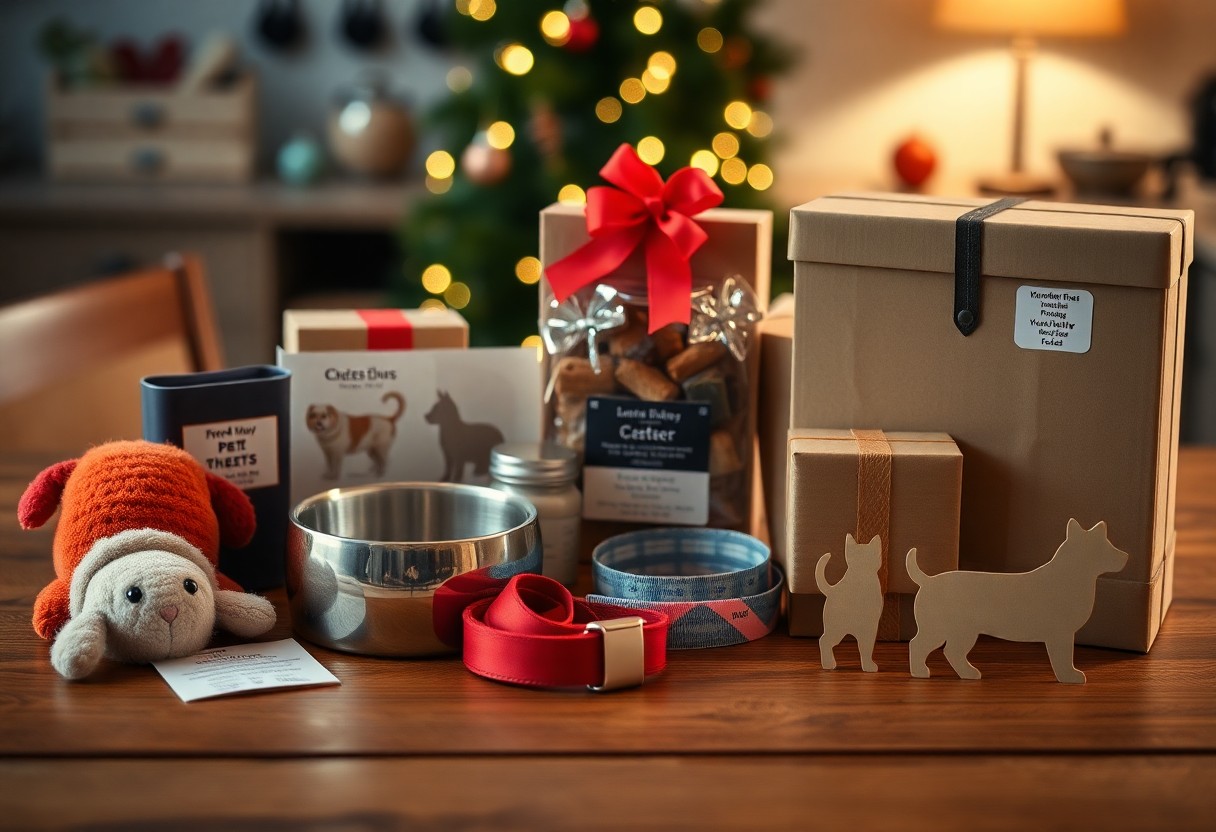
Choose durable, non-toxic supplies: kraft paper or recyclable wrapping, 2-3 layers of tissue for cushioning, fabric tape or paper-based tape, and soft fabric bows. Include a small airtight bag for treats and a sturdy box sized to the toy. Emphasize safety by using non-toxic ink for labels and avoiding thin ribbons, elastic bands, and small detachable decorations that your pet could swallow.
Creative Ideas
Use interactive wrapping to extend play-nest a toy inside 2-4 boxes, hide kibble in paper crinkles, or wrap treats in a puzzle-style cloth roll. Try scenting the paper lightly with a bit of your pet’s bedding to increase engagement. Prioritize interactive toys and no small detachable parts so the unwrapping becomes safe mental stimulation rather than a choking risk.
For more variety, create a scavenger unwrapping: place a favorite toy inside progressively smaller boxes (3-4 layers) or combine a puzzle feeder with a wrapped surprise so your pet completes 2-3 steps to earn the final gift. For cats, attach a feather to a short (<6 in) hemp cord and fasten securely; for dogs, choose durable rubber toys or treat-dispensing balls rated for your dog’s weight. Always supervise the first 10-15 minutes of play to prevent accidental ingestion or tearing of unsafe materials.
Factors to Consider When Buying Gifts
You should weigh safety, durability, and your pet’s age when shopping-materials, chew strength, and non-toxic labeling matter. Assess whether a toy provides mental stimulation or physical exercise and if it suits your daily routine and storage space. This minimizes hazards, extends usefulness, and keeps both you and your pet satisfied.
- Pet size and breed
- Activity level and preferences
- Safety (choking, toxins)
- Durability and chew resistance
- Age and health restrictions
- Dietary or allergy considerations
Pet Size and Breed
If your pet weighs under 10 lb you should choose toys, collars, and harnesses sized for small breeds, while dogs over 25 lb need gear rated for higher weight and powerful chewers. Breed tendencies matter: scent hounds enjoy snuffle mats, terriers may shred plush toys, and brachycephalic breeds need shallow bowls and slow-feed options to avoid breathing stress.
Activity Level and Preferences
Gauge whether your pet is a couch sleeper or a high-energy athlete before selecting gifts; low-activity pets often prefer interactive toys that trigger curiosity, whereas active dogs benefit from fetch gear, tug ropes, and durable chews. Track daily playtime-pets with 30-90 minutes of exercise need more robust toys to match their energy and reduce destructive behavior.
For high-energy breeds like Border Collies or Siberian Huskies, plan for 60-120 minutes of structured activity and choose toys that combine physical challenge with mental stimulation, such as adjustable puzzle feeders, flirt poles, and agility equipment; these lower boredom-driven chewing and improve focus. If your pet prefers solo play, opt for self-righting puzzles or treat-dispensers with variable difficulty to extend engagement and safety.
Pros and Cons of Popular Pet Gifts
| Toys | You get enrichment, exercise, and mental stimulation; durable rubber toys like KONGs can last months, while plush toys wear faster. Risks include choking, torn stuffing, and ingestion of small parts – you should match size and supervise heavy chewers. |
| Treats | You get quick training rewards and dietary variety; many training treats are only 3-5 kcal each. Downsides include extra calories, allergens (chicken, wheat), and toxic additives – xylitol is deadly to dogs. |
| Clothing | You get warmth for hairless or small breeds and festive photos; materials like fleece retain heat. However, poor fit restricts movement, causes chafing, and small decorations can be swallowed – you must size carefully. |
| Beds | You get joint support and a den-like space; orthopedic memory foam helps older pets. Cons are that cheap stuffing flattens in months and non-washable covers harbor odors and bacteria. |
| Chew Toys | You get dental engagement and boredom relief; nylon or rubber chews reduce plaque. Beware of splintering or fragments – avoid hard antlers for aggressive chewers. |
| Collars & Harnesses | You get control and ID visibility; harnesses reduce neck strain. Negatives include improper fit leading to escape or rubbing; metal hardware can corrode if low quality. |
| Pet Tech (GPS, Cameras) | You get tracking and remote monitoring; GPS trackers reduce lost-pet time by hours. Drawbacks are subscription fees, battery checks, and occasional signal dropouts. |
| Grooming Supplies | You get coat health and reduced shedding; quality brushes and clippers last years. Risks include skin nicks from dull blades and allergic reactions to strong shampoos. |
Toys
You should pick toys by size, chewing style, and activity level: puzzle feeders and KONGs suit food-motivated dogs, wand toys and laser pointers excite cats. For example, a durable rubber toy can survive 3-12 months with regular chewers, while plush toys often need replacing every 2-8 weeks. Always inspect toys weekly and discard if pieces become loose to avoid choking or intestinal blockage.
Treats
You should use treats for training, dental care, or enrichment but track calories: tiny training treats are typically 3-5 kcal each, whereas dental chews can be 70-250 kcal. Choose size-appropriate options and avoid products containing xylitol, excessive salt, or artificial preservatives that can harm pets.
You should limit treats to about 10% of daily caloric intake, check ingredient lists for common allergens like beef or wheat, and prefer named-protein sources if your pet has sensitivities. For example, if your dog’s maintenance calories are 600 kcal/day, keep treats under ~60 kcal total; break larger chews into pieces to control portions and reduce boredom-driven overeating.
Clothing
You should measure neck, chest, and back length before buying: leave about 1-1.5 inches (2-4 cm) of slack for comfort. Fleece and insulated vests provide measurable warmth for small or hairless breeds during 20-40°F (-7 to 4°C) walks, while breathable cotton suits mild weather. Avoid outfits that restrict leg movement or cover the face.
You should prioritize fit and materials: choose washable fabrics, flat seams to prevent chafing, and fastenings that don’t press on the trachea. For evening walks, pick garments with reflective strips; if your pet chews clothing, skip buttons and decorative beads to eliminate swallowing hazards.
Budget-Friendly Pet Gift Ideas
Affordable Options
For affordable upgrades, focus on high-impact items under $25: a Kong Classic ($10-20) or durable tennis ball ($1) for dogs, catnip-filled mice ($2-8), and washable snuffle mats ($15-30) to extend play. You can find quality treats and dental chews for $5-15 that improve oral health. Buying multipacks or shopping outlet sales cuts cost per item by 30-50%, and you’ll save more by prioritizing safe, non-toxic materials that last.
DIY Gifts
Many easy DIY projects cost $3-10 and take 30-60 minutes: make frozen peanut-butter-and-banana treats, braid old T-shirts into tug toys, or sew catnip pouches from scrap fabric. You can save up to 80% versus store toys while customizing size and texture for your pet. Avoid ingredients containing xylitol or chocolate and inspect seams to reduce choking hazards.
Use unsweetened peanut butter (no xylitol), 1 mashed banana and 1/2 cup oats to make frozen treats; fill silicone molds and freeze 2-4 hours. For tug toys, cut three 2-inch-wide strips of old T-shirt, braid and knot ends-washable and durable. Inspect homemade toys weekly for loose threads or stuffing and discard at first sign of wear to prevent choking. Make sure you prioritize washable fabrics and non-toxic stuffing like fleece or cotton.
Summing up
Upon reflecting on pet-friendly holiday gift guide ideas, you should prioritize safety, enrichment, and durability when selecting presents-opt for non-toxic treats, interactive toys for mental stimulation, cozy bedding that supports comfort, and practical items like travel carriers or grooming kits. With thoughtful choices tailored to your pet’s size, age, and preferences, you’ll give meaningful, long-lasting gifts.
FAQ
Q: What are safe, high-value gift ideas for dogs and cats?
A: Choose items matched to size, age, and chewing or scratching habits: durable rubber or reinforced rope toys for powerful chewers, interactive puzzle feeders to slow eating and stimulate minds, and soft, supportive beds for senior pets. For cats, include wand toys, catnip-filled toys, and vertical spaces like window perches or scratching posts. Select non-toxic materials (BPA-free plastics, natural rubber, organic cotton) and avoid small detachable parts that can be swallowed. For treats, opt for limited-ingredient, single-protein options and check ingredient lists for common toxins (e.g., xylitol, chocolate, grapes).
Q: How can I pick eco-friendly and allergy-safe pet gifts?
A: Look for products made from recycled or sustainably sourced materials such as recycled PET, organic cotton, hemp, or sustainably harvested wool. Choose hypoallergenic bedding with removable, machine-washable covers to reduce dander and dust, and select low-dust or plant-based litter options for cats. For treats and grooming products, pick limited-ingredient or human-grade recipes and fragrance-free shampoos designed for sensitive skin. Favor brands with transparent sourcing, third-party certifications, or recyclable packaging to reduce environmental impact.
Q: What experience or subscription gifts are worthwhile and how should I tailor them?
A: Gift experiences that suit the pet’s lifestyle: training or behavior classes for young or reactive dogs, obedience refresher or agility sessions for active dogs, and enrichment workshops or interactive play sessions for indoor cats. Subscription boxes (toys, treats, or grooming items) work well when you choose boxes that allow dietary preferences and toy durability levels. Consider health and mobility: grooming or mobile vet visits for seniors, dog-walking or pet-sitting services for busy owners, and professional pet photography for lasting memories. Tailor the gift by checking the pet’s activity level, medical needs, dietary restrictions, and the owner’s schedule or living situation.