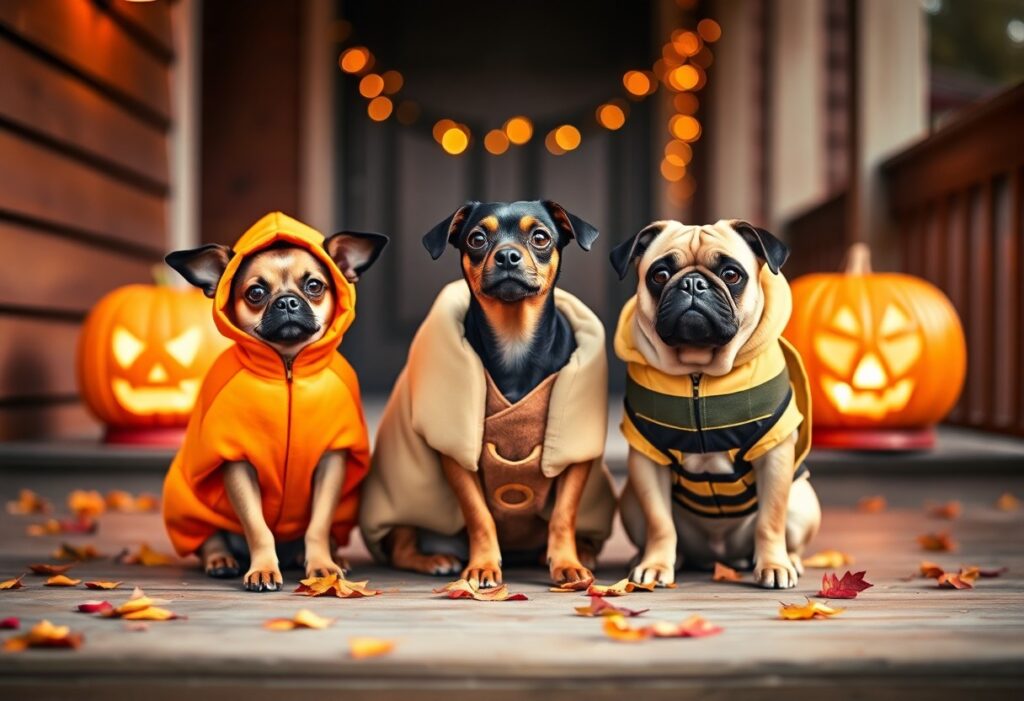
Most owners want festive outfits that showcase style without compromising your dog’s comfort; choose lightweight, well-fitted designs and materials that won’t irritate skin, and avoid pieces that obstruct vision or breathing. Consider easy-on/easy-off fastenings, reflective trim for nighttime visibility, and costumes made from non-toxic fabrics so you can celebrate safely. Prioritize unrestricted movement and supervision so your pet stays happy and secure throughout the festivities.
Factors to Consider When Choosing Costumes for Small Dogs
You’ll weigh safety, mobility, visibility, and washability when selecting costumes for small dogs. Check for secure closures, avoid dangling parts that pose a choking hazard, and prefer reflective trims for night walks. Test movement on stairs and while sitting to spot rubs or snag points, and favor lightweight designs that don’t alter gait. After confirming measurements and fabric, always fasten a quick-release option so you can remove the outfit instantly if your dog shows distress.
- Size and Fit: measure neck, chest, back length
- Fabric and Comfort: choose breathable, washable materials
- Safety: avoid small detachable parts and use quick-release fastenings
- Visibility & Durability: reflective trim and reinforced seams
Size and Fit
Measure neck, chest (widest point) and back length, then add 1-2 cm (0.5-1 in) for comfort; if your pet falls between sizes, pick the larger one to avoid constriction. Fastenings should let you slide two fingers under the collar area and remain secure during movement. Observe your dog for 5-10 minutes after the first fit to detect rubbing, restricted breathing, or reluctance to walk.
Fabric and Comfort
Favor breathable cotton or mesh in warm weather and lightweight fleece for cool nights, and avoid stiff plastics or heavy decorations that limit motion. Flat seams and removed tags reduce skin irritation, while quick-release buckles let you free your pet in an emergency. Choose machine-washable options so you can clean costumes at 30-40°C on a gentle cycle and air-dry to preserve shape.
Small breeds under 10 lb lose body heat faster, so layer with thin fleece or insulated liners for evening outings; conversely, hairy or double-coated dogs usually need lighter cotton. Inspect embellishments-sequins, buttons, glued glitter-and remove anything that could detach and become a choking hazard. Prioritize soft bindings, breathable linings, and tested fastenings to keep your dog comfortable and safe during extended wear.
Popular Theme Ideas for Small Dog Costumes
Try themed groups like classic spooky, food-inspired, animal mimicry, or pop-culture ensembles to fit your dog’s size and personality; examples include a pumpkin tunic, taco vest, bumblebee harness, or Grogu-inspired coat. Measure three points-neck, chest, back length-and choose lightweight, breathable fabrics to prevent overheating; swap small decorations for stitched or printed details to avoid choking hazards.
Classic Halloween Themes
Witch capes, skeleton hoodies, pumpkin suits, and ghost wraps remain timeless because they scale easily for breeds under 12-20 lb; you can pick reflective trims for night walks and fleece linings for colder evenings. Prioritize costumes without glued-on eyes, buttons, or beads-those are common choking hazards-and opt for quick-release straps so you can remove the outfit fast if your dog shows stress.
Pop Culture Inspirations
Superheroes (Spider-Man, Wonder Woman), streaming hits (Stranger Things’ Eleven), and viral characters like Grogu/Baby Yoda and Barbie make great photo-ready looks-licensed outfits often run pricier but save craft time. Balance aesthetics with safety: avoid full-face masks that cover ears or eyes and choose secure but comfortable fastenings; these choices boost comfort and picture quality.
For DIY pop-culture builds, scale props down and use Velcro or snap closures instead of elastic; create a mini Hogwarts robe from felt, a tiny wand from lightweight dowel, or a Grogu coat from faux-suede with soft, sewn-on ears. Measure before buying, and limit initial wear to 10-15 minutes while you watch for panting or agitation-remove the costume immediately if your dog seems distressed.
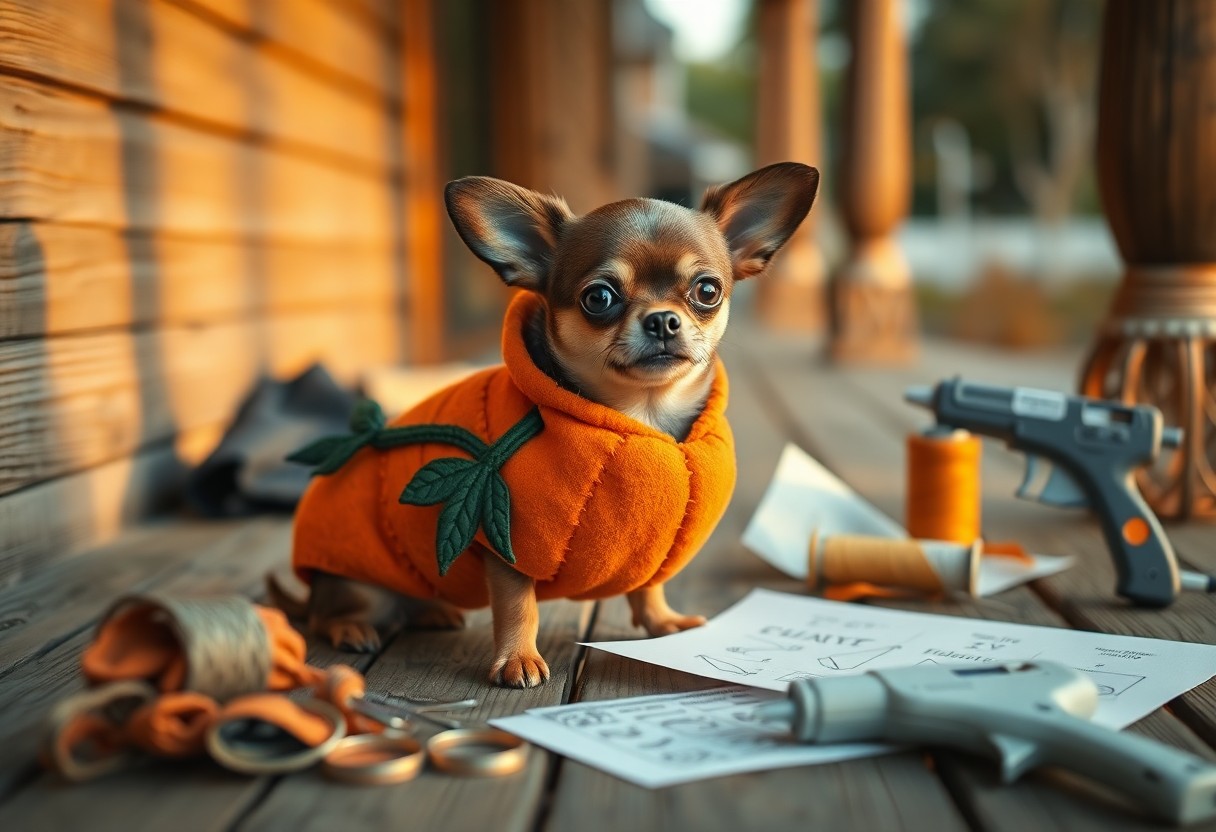
DIY Costume Options for Small Dogs
You can create safe, cute outfits with basic supplies: measure your dog’s chest and neck precisely, leaving about 1 in (2.5 cm) of slack for comfort, and choose breathable fabrics like cotton or fleece; avoid decorations that dangle or can be chewed off since choking hazards and toxic glues are common risks. Many simple designs take 10-30 minutes to make using no-sew techniques or Velcro closures. Knowing
Simple and Affordable Ideas
You’ll get big reactions from tiny projects: a tied bandana or felt cape costs under $5, a pipe-cleaner antennae set takes 10 minutes, and repurposed baby clothes often fit small dogs without alteration; avoid small buttons or beads. Try a pumpkin sweater by sewing a felt stem to an old tee in 15-20 minutes for an easy, budget-friendly look. Knowing
Safety Tips for Homemade Costumes
You must prioritize fit and ventilation: leave room to move, cut away fabric that restricts paws or vision, and check seams so nothing can come loose-supervise all wear and limit sessions to 30-60 minutes to prevent overheating. Secure attachments with stitching or Velcro rather than glue near the mouth. Perform a short indoor trial to confirm comfort. Knowing
- Fit: measure chest & neck; allow ~1 in slack.
- Materials: use breathable, washable cotton or fleece.
- Choking: remove buttons, beads, and strings.
- Duration: keep wear to 30-60 minutes and always supervise.
- Knowing to do a 10-minute supervised trial before going outside.
You should test for mobility and stress: put the costume on for 5-10 minutes, watch your dog walk, sit, and lie down, then extend to 30 minutes if they’re calm; choose flat closures and sew overstressed points with a few extra stitches. Use reflective tape for night visibility and avoid elastic around the throat-replace with adjustable Velcro or buckles when possible. Knowing
- Velcro: adjustable and safer than tight elastic.
- Non-toxic adhesives: for decor, pick pet-safe glues or sew instead.
- Visibility: add reflective trim for evening walks.
- Supervision: keep your dog within arm’s reach while dressed.
- Knowing to recheck seams and fastenings after each use.
Essential Accessories to Complement Costumes
Pair costumes with practical pieces like bandanas, harness covers, lightweight booties and LED collars to boost comfort and visibility; many small breeds have necks ~8-14 inches and chest girths ~12-20 inches, so you should measure before buying. Aim to keep accessory weight under 10% of your dog’s body weight-for most small dogs that’s roughly 4-8 oz (113-227 g)-and choose breathable fabrics like cotton or fleece to avoid overheating.
Outfits with Matching Accessories
You can create cohesive looks by matching textures and colors-pair a pumpkin sweater with an orange LED collar, or a superhero cape with a snug harness cover and non-slip booties. Opt for adjustable closures such as Velcro or snap fastenings rather than elastic, and select low-profile hats or bow ties under 1.5 inches tall so your dog’s head movement and peripheral vision aren’t restricted.
Safety Considerations for Costume Accessories
Prioritize fit and finish: use the two-finger rule at the neck, remove any accessory with loose beads, sequins or dangling ties, and check for signs of chafing every 10-15 minutes during wear. If your dog pants heavily, paws at the item, or turns away, take the accessory off immediately to prevent choking or abrasion.
Materials matter-avoid small plastic or metal decorations that can be chewed off and swallowed, and steer clear of tight elastics around the neck that can compress the trachea. For booties, pick ones with textured soles and wide straps so they stay on without constricting circulation; additionally, keep ID tags visible or use an LED tag so your dog remains identifiable in low light.
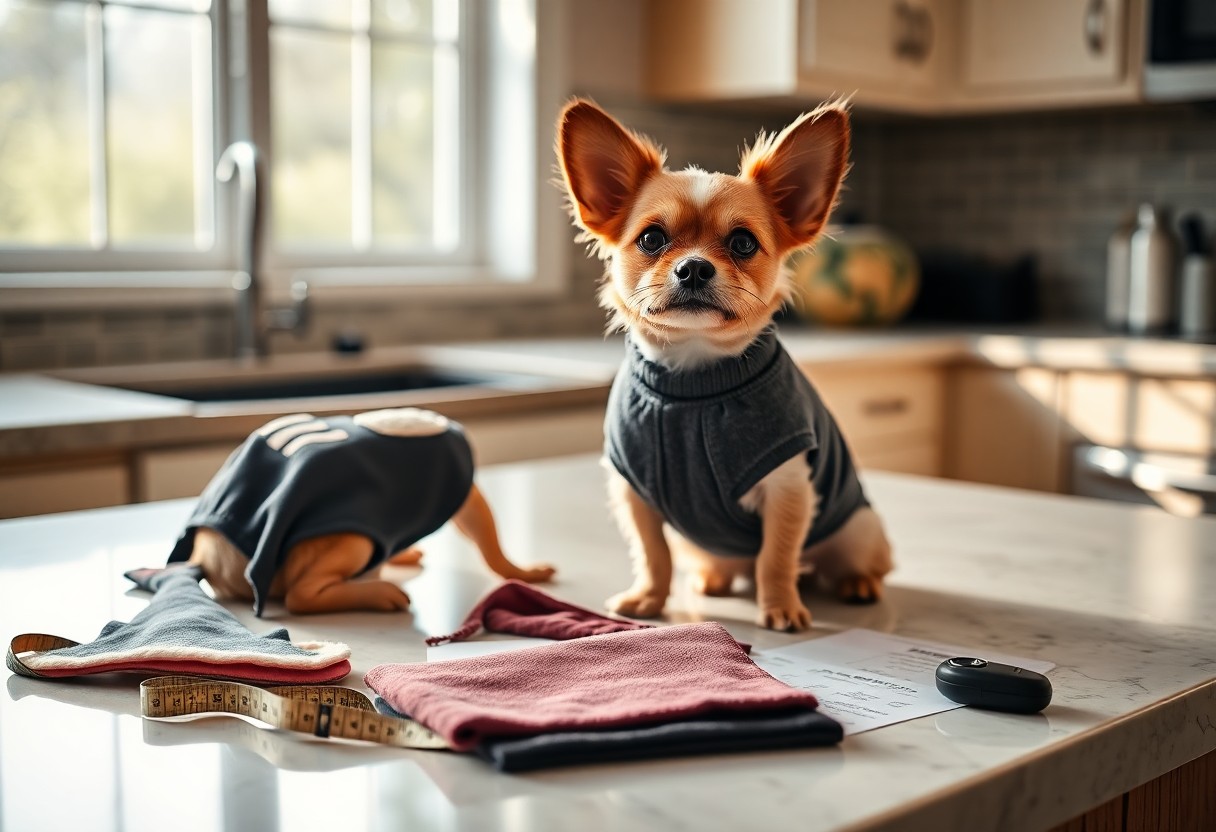
Tips for Introducing Your Dog to Their Costume
Introduce your small dog to a costume with short, supervised sessions-start with 2-3 minutes and add 1-2 minutes each session over 3-4 days. Watch for stress signals like freezing, excessive panting, or pawing at the outfit; remove immediately if you see them. Fit matters: avoid anything tight around the neck or chest and eliminate dangling pieces that can be chewed off. The quickest way to build calm is to pair the outfit with favorite treats and praise.
- Fit: check mobility and breathing before leaving your dog in the outfit.
- Short sessions: 2-3 minutes to start, 10-15 minutes goal over several days.
- Supervision: never leave your dog unattended in costume.
- Hazard check: remove loose buttons, strings, or small parts.
Gradual Introduction Techniques
Let your small dog sniff and explore the costume for 5 minutes off-body, then drape it loosely for 30-60 seconds while rewarding with treats. Fasten one part (like Velcro) and walk around the room for 2-3 minutes; repeat 3 times daily and increase duration by 1-2 minutes per session. Use a quiet room to reduce stress and avoid busy streets until your dog tolerates the outfit for at least 10-15 minutes.
Positive Reinforcement Strategies
Use positive reinforcement by rewarding calm behavior immediately-offer high-value treats (small cooked chicken bites or cheese) every time your dog lets you put on or adjust the costume. Start with continuous rewards for 8-12 successful steps, then switch to an intermittent schedule to maintain the behavior. Praise in a calm voice and pair rewards with brief play; ignore pawing or frantic actions so you don’t accidentally reinforce them.
For measurable progress, give tiny 1/4″ treat pieces-about 3-5 per 2-minute session-to avoid overfeeding and mark the exact moment of calm with a clicker or the word “Yes!” Transition from hand-delivered treats to tossed treats, then to verbal praise alone over 7-10 days. If your dog resists, increase reward value and shorten sessions; many small terriers reach 10-15 minutes of tolerance within five days using this stepwise method.
Halloween Safety Tips for Small Dogs
As you prep for the evening, focus on Halloween safety specific to small dogs: secure exits, stash candy high, and test costume mobility so your pup can sit and breathe normally; choose lightweight fabrics and avoid dangling parts on costumes. Keep a bright LED collar and your microchip info current, and limit outdoor time during peak trick-or-treat hours (6-9 PM). Perceiving hazards early helps you prevent swallowed candies, entanglements, or escapes.
- Keep ID & microchip updated and visible.
- Avoid chocolate and xylitol-containing foods in reach.
- Test costume fit for mobility and breathing before the event.
- Use a quiet room with toys and water during heavy foot traffic.
- Use reflective gear or an LED collar for outdoor visibility.
- Have your vet and Pet Poison Helpline contacts handy.
Tricks or Treats: Keeping Your Dog Safe
When candy comes out, keep your dog in a quiet room with toys and water and close doors to prevent escapes; chocolate, xylitol (in sugar-free gum) and raisin-containing treats can be life-threatening, so never hand out human sweets. If kids visit, instruct them not to feed your pet, and offer controlled treats from your hand only; if ingestion occurs, contact your vet or Pet Poison Helpline immediately.
Monitoring Your Dog During Festivities
Place your dog in a quiet, windowless room with familiar bedding and a chew toy, and monitor with a pet camera or a periodic check every 15-30 minutes; watch for signs like shaking, pacing, hiding, or loss of appetite, which suggest anxiety or illness. Use a snug harness rather than a collar for short outdoor checks, and keep ID visible in case of escape.
You can set up a live video (Furbo, Ring, Wyze) to check behavior and talk to your dog remotely; if you notice repeated vomiting, severe tremors, or more than 24 hours of behavioral change, contact your vet right away. Offer a pheromone diffuser (e.g., Adaptil) or a pressure wrap for calming, and avoid sedatives unless approved by your veterinarian.
Conclusion
Conclusively you should prioritize fit, comfort and safety when selecting the best Halloween costume for your small dog: choose breathable fabrics, secure but non-restrictive fastenings, and easy on/off designs that accommodate your leash or harness. Monitor your dog’s behavior for stress, keep accessories lightweight, and opt for washable, flexible pieces so you can enjoy festive photos and safe outings together.
FAQ
Q: How do I choose the best Halloween costume for my small dog?
A: Measure your dog’s neck, chest (girth) and back length before ordering or making a costume, then pick a size that allows two fingers’ space around the neck and chest. Prioritize lightweight, breathable fabrics that won’t overheat or chafe; avoid tight elastics and constrictive sleeves. Choose designs that allow full range of motion for walking, sitting and turning the head, and that leave the eyes, nose and ears unobstructed. Opt for costumes with easy closures like Velcro or snaps so you can put the outfit on and remove it quickly for bathroom breaks or if the dog shows distress.
Q: What safety and comfort features should I check in a small-dog costume?
A: Ensure there are no small parts (buttons, beads, sequins) a dog can chew off and swallow, and that any decorative pieces are securely sewn rather than glued. Verify there’s a clear path to the collar or harness so you can attach a leash without modifying the costume. Check for breathable materials, adequate ventilation and freedom for panting; avoid foam or heavy plastics that trap heat. Add reflective trim for evening visibility, and supervise your dog while in costume to prevent entanglement or overheating. If your dog shows signs of stress-excessive scratching, pawing at the costume, whining-remove the outfit immediately.
Q: What are popular, dog-friendly costume ideas and easy DIY adaptations for small dogs?
A: Simple, lightweight concepts work best: pumpkin (soft felt belly wrap), bumblebee (striped sweater or harness cover with lightweight wings), hot dog or taco (flat foam or felt panels that drape over a harness), superhero cape (short fabric cape that attaches to a harness), dinosaur (small ridge of felt spikes along the back), ghost (a tailored lightweight fabric with cutouts for eyes and leash access), and wizard or witch (small hat attached to a comfy headband plus a cape). DIY tips: use an old t-shirt or sweater as a base, sew or Velcro decorations instead of gluing, pad straps where they contact the skin, test mobility and leash access before heading out, and keep embellishments minimal to avoid added weight or chewing temptation.