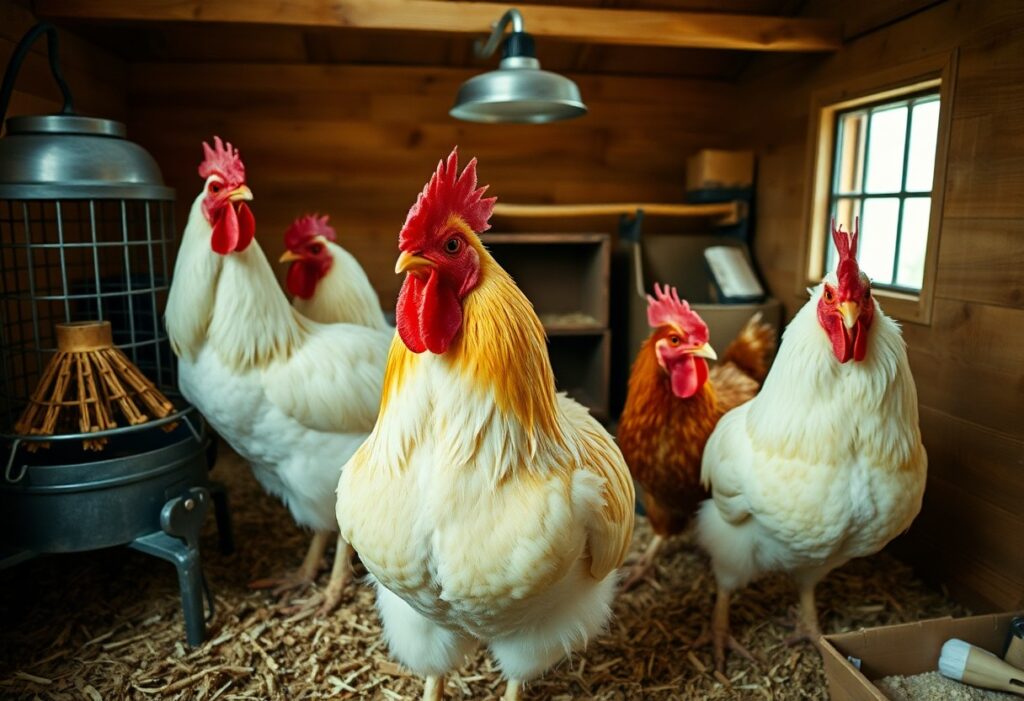
There’s a lot to learn about keeping healthy roosters, and this guide shows you how to provide proper housing, diet, and handling so your birds thrive. You’ll learn to maintain a secure, predator-proof coop, identify illness early, and prevent disputes by managing introductions and space; be aware of aggressive behavior and sharp spurs that can injure people or hens. With attentive care and routine health checks you can enjoy a protective, low-maintenance flock guardian that enhances your homestead.
Types of Roosters
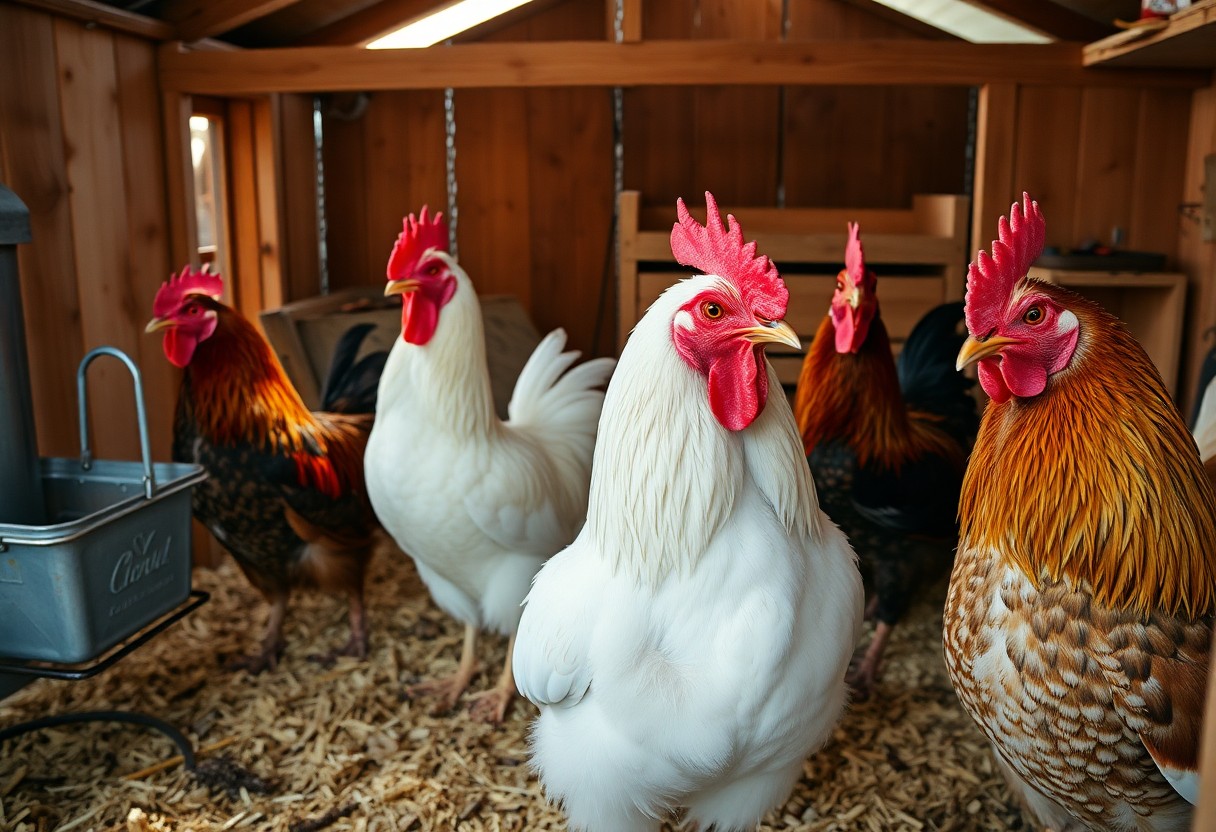
You’ll encounter roosters bred for meat, layers, dual-purpose, bantam, and ornamental roles; sizes range from about 1.5 lb bantams to 8+ lb standards. Expect temperament from docile to highly aggressive, and plan stocking at roughly 1 rooster per 8-12 hens to limit fighting and overmating.
- Breeds
- Temperament
- Size
- Purpose
- Management
| Meat breeds | Examples: Cornish Cross – rapid growth to slaughter in ~8 weeks; heavy, low activity. |
| Layer/Light breeds | Examples: Leghorn – ~4-6 lb, high flightiness, excellent egg producers but less broody. |
| Dual-purpose | Examples: Rhode Island Red, Plymouth Rock – 6-8 lb, balanced for eggs and meat, generally steady temperaments. |
| Bantams | Examples: Silkies, Sebrights – 1.5-3 lb, kept for shows or small flocks; can be more nervous around larger predators. |
| Ornamental/Show | Examples: Polish, Brahma – unique plumage or size; may require extra coop space and grooming. |
Breeds and Varieties
You’ll see heritage breeds like Orpington and Sussex praised for calm temperaments and 5-8 year lifespans, while industrial hybrids push production: some layers average >300 eggs/year. If you want family-friendly roosters, pick documented low-aggression strains; if you need meat, expect faster growth and shorter lifespans in commercial crosses.
Roles in Flock Dynamics
A rooster’s duties include mating, herding hens to feed, and signaling alarm; one active male can mate 10-20 times daily in a productive flock and helps maintain pecking-order stability. You should watch for signs of overmating or persistent pecking that injure hens, and separate or rehome males that escalate to sustained violence.
Thou will want to monitor your roosters closely for dominance escalation: you should implement gradual introductions over 7-14 days, use visual barriers when adding birds, separate males that repeatedly injure hens, and consider culling or rehoming aggressive individuals to protect flock welfare.
Essential Care Tips
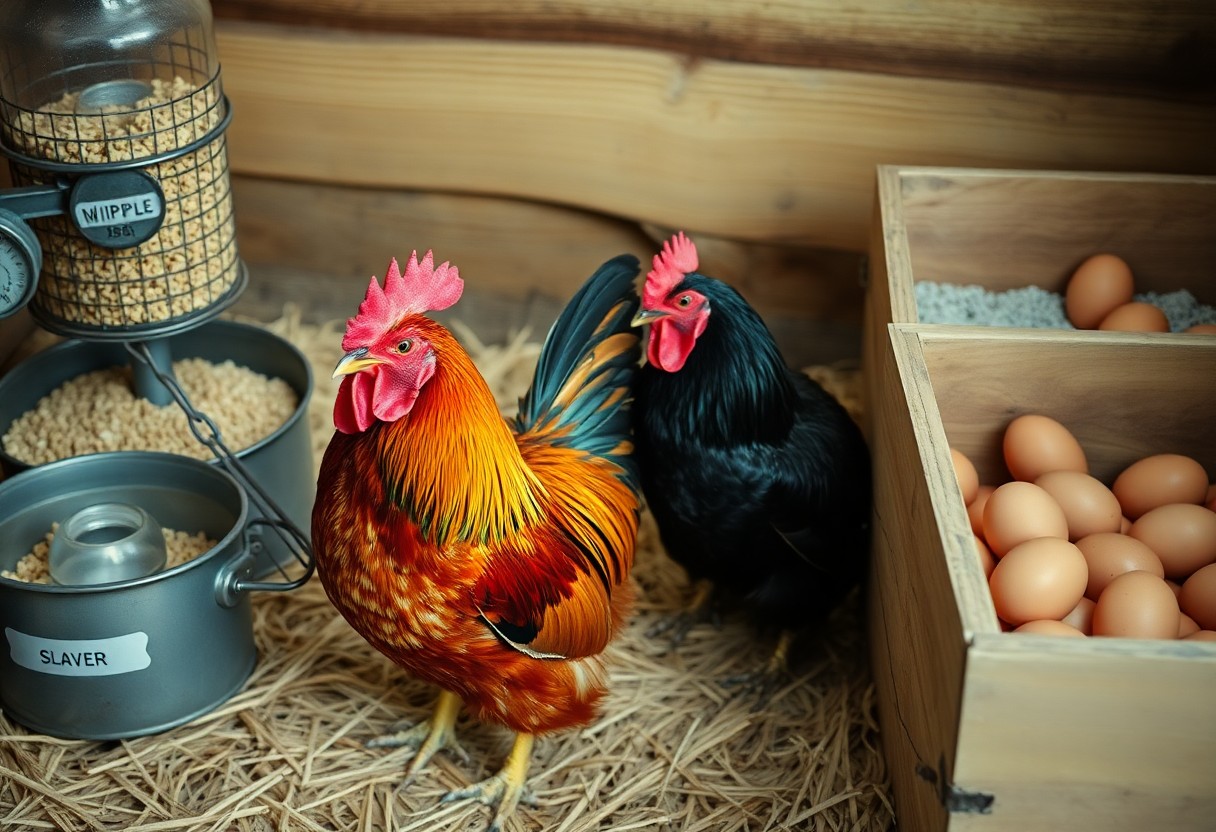
You must inspect your rooster daily for behavior changes, comb color, and droppings; check for parasites weekly and clean bedding on a planned schedule. Keep fresh water and a measured feed supply to avoid waste and bullying, and separate injured birds immediately for treatment. This simple routine-daily checks, weekly coop cleaning, and monthly parasite control-dramatically reduces disease and aggression.
- Daily checks: behavior, droppings, comb color
- Housing: secure, ventilated coop with 4 sq ft per bird
- Nutrition: 12-16% protein maintenance feed, fresh water
- Health: parasite inspections and quick isolation of sick birds
- Safety: predator-proofing with hardware cloth
Housing Requirements
You should provide at least 4 sq ft of indoor coop space per bird and about 10 sq ft in an outdoor run; raise roosts 18-24 inches off the floor and allow 6-8 inches of roosting space per bird. Use hardware cloth on openings, bury it 12 inches to stop digging predators, and ensure cross-ventilation without drafts so your rooster stays warm in winter and cool in summer.
Nutrition and Feeding
Feed a balanced commercial maintenance ration with about 12-16% protein for adult roosters, offer water ad libitum, and provide insoluble grit if you give whole grains or treats; limit treats to 10% of caloric intake to prevent obesity. You should monitor weight-aim for steady condition rather than excess bulk.
During molt or recovery you can increase protein to 18-20% for 2-4 weeks, and always weigh portions: an adult bird typically eats ~110-150 g (0.25-0.33 lb) of feed per day. Scatter-feeding and foraging complement pellets but don’t replace complete feed; use separate feeders to prevent dominant birds from monopolizing food, and watch for signs of deficiency-pale combs, slow feather regrowth, or lethargy-so you can adjust diet or consult a vet.
Step-by-Step Guide to Raising Roosters
| Step | What to do |
|---|---|
| Housing | Provide 4-6 sq ft per bird inside the coop, 8-10 sq ft in run, secure latches against predators, 10-12″ perch height, and 1 nest box per 4 hens if you keep hens. |
| Feeding | Offer free-choice maintenance or layer feed; expect ~100-150 g/day per adult rooster, plus grit and occasional greens or 10% kitchen scraps. |
| Handling | Spend 5-10 minutes daily calmly handling birds to reduce aggression; separate aggressive individuals for training or rehoming. |
| Health checks | Inspect combs, eyes, vents, and feet weekly; watch for pale combs, labored breathing, or mites-treat parasites every 3-6 months or as found. |
| Record keeping | Log weight, injuries, treatments, and breeding outcomes; aim for monthly weight checks and immediate action on any open wounds. |
Getting Started
Start by assessing space and temperament: give each rooster 4-6 sq ft inside and separate aggressive cockerels during the first week. Install solid perches, predator-proof hardware cloth, and a feeder positioned off the ground to cut waste by 20-30%. Source birds from reputable breeders, check for past vaccinations (marek, coccidia protocols), and quarantine new birds for 2-3 weeks while you watch for signs of illness or mite infestations.
Daily Care Routine
Each morning check water and feed-aim for fresh water twice daily-and scan for limpness, wounds, or pale combs; remove droppings under perches and refill grit. Spend 5-10 minutes observing flock dynamics so you can spot bullying early, and note egg production or decreased activity as indicators of health issues.
For more detail, structure your day: 07:00 provide feed and inspect legs, vents, beaks, and combs; 12:00 refill water and offer greens; 17:00 lock coop, secure run, and do a final behavioral check. Weekly tasks include bedding replacement or spot-cleaning run areas, deep-cleaning feeders every 2 weeks, and a full coop sanitation monthly. If you find open wounds, isolate the bird, flush with saline, apply antiseptic, and monitor for infection; consult a vet for antibiotics if swelling or fever appears. Regular parasite checks and rotating pastures every 2-4 weeks reduce lice and worm loads and improve overall flock health.
Factors to Consider
When adding a rooster you must weigh space, neighbor rules, and flock dynamics; roosters need about 4 sq ft inside the coop and 8-10 sq ft of run per bird, and they reach sexual maturity around 4-6 months. You should plan for increased noise, potential for aggression, and extra feed costs (roosters eat roughly half a hen’s ration). Assume that you will secure predator-proofing and set a clear hen-to-rooster ratio before introducing new birds.
- Space
- Diet
- Health
- Temperament
- Noise
- Local laws
Environmental Needs
You need to provide stable shelter with good ventilation, draft-free roosts about 2-3 ft high and 8-10 in perch space per bird, plus secure fencing (use hardware cloth) against predators; water consumption averages ~0.25 gallons/day per bird, so plan for reliable access. Shade and dust-bathing areas reduce heat stress and parasites, and insulated nest areas help in winter.
Behavioral Traits
Roosters are territorial and will crow at dawn and throughout the day; you should expect dominance displays, occasional fights between males, and protective behavior toward hens-manage flock composition with a recommended one rooster per 8-10 hens to limit aggression. Watch for sharp spurs, as they can injure other birds or handlers.
Social structure centers on a pecking order: you can reduce conflict by introducing birds at similar ages, providing multiple feeding points, and separating persistently aggressive roosters; training through calm handling lowers human-directed aggression, while trimming spurs or using non-slip footwear during introductions can prevent serious injuries.
Pros and Cons of Keeping Roosters
| Pros | Cons |
|---|---|
| Provides fertility for hatching; one rooster can service about 8-10 hens. | Crowing can reach about 90 dB at close range, causing neighbor complaints. |
| Acts as a sentry, giving alarm calls that reduce predator losses. | Can show aggressive pecking toward hens or people during breeding season. |
| Helps establish stable flock order, lowering hen-on-hen bullying. | Multiple roosters often fight, causing injuries and stress. |
| Allows selective breeding and preservation of specific traits. | Many municipalities or HOAs ban roosters, limiting backyard ownership. |
| Improves hatching predictability due to consistent mating. | Requires extra resources: feed, housing, and medical care. |
| Can deter small predators by confronting threats. | Spurs can cause serious wounds to hens or handlers if not managed. |
| Adds character and traditional farm ambiance to your flock. | May reduce egg-laying if hens are stressed by constant mating. |
| Useful for integrated flock management and breeding programs. | Introductions of new roosters require strict biosecurity to avoid disease spread. |
Advantages of Rooster Ownership
You gain fertility for hatching and a vigilant guardian: one rooster can service about 8-10 hens, hens store sperm for roughly 10-14 days, and roosters often reduce predator losses by sounding alarms and confronting small predators during foraging.
Challenges and Considerations
You must weigh noise, behavior, and legal limits: a rooster’s crow can register near 90 dB, many suburban ordinances ban roosters, and male aggression can lead to injuries for hens or handlers if ratios and housing aren’t managed.
To manage risks, aim for a recommended rooster-to-hen ratio of about 1:8-10, separate unfamiliar males to prevent bloody fights, and provide ample hiding spaces for hens. Train or socialize young roosters, consider spur management if aggression is an issue, and check local ordinances before you add a bird. If noise is a concern, soundproofing the coop, rehoming, or selecting quieter breeds can reduce neighbor conflict while preserving your breeding goals.
Health and Wellness
Common Health Issues
You’ll most often face external parasites (mites, lice), internal worms, respiratory infections like Mycoplasma, and injuries such as bumblefoot or egg-binding. Mite infestations can cut egg production by ~20-30% and cause pale combs and restlessness; worms lower weight gain and vigor. Zoonotic risks exist-Salmonella can pass to humans-so you must watch flock behavior, droppings, comb color, and daily egg output for early signs.
Prevention and Treatment
Keep strict biosecurity: quarantine new birds for 30 days, ventilate the coop, remove wet bedding, and clean feeders weekly. Vaccinate chicks where available (Marek’s, coccidiosis) and use fecal egg counts to time deworming. For mild parasite loads, apply veterinarian-recommended dusts or sprays and repeat after the parasite life cycle; isolate and get veterinary diagnostics for systemic signs or sustained egg drop.
For specific treatments, follow vet guidance: soak and bandage bumblefoot or refer for surgical drainage, give calcium and a warm bath for a struggling egg-bound hen before veterinary intervention, and treat mites with approved topical products, repeating treatment after 7-10 days to catch emerging mites. Additionally, maintain dry, draft-free housing and log mortality/lay rates so you can spot trends and act fast.
Final Words
Taking this into account, you can confidently apply the basics of housing, nutrition, health checks, socialization, and legal/ethical care to keep your rooster healthy and safe; maintain routines, monitor behavior, and consult a veterinarian when needed to prevent problems and support a productive, respectful flock.
FAQ
Q: What housing, space, and safety features does a beginner need to provide for a rooster?
A: Provide a secure, well-ventilated coop with at least 4 sq ft of indoor space per bird and an outdoor run of 8-10 sq ft per bird. Include sturdy perches (2-4 in wide) placed above the bedding, and ensure roosting height allows easy access. Use bedding such as pine shavings or straw and clean droppings regularly, with deeper cleans seasonally. Predator-proof with hardware cloth on openings, buried fencing apron, and secure latches; lock birds up at night. Provide shade and ventilation for hot weather and a dry draft-free sleeping area in winter to prevent damp and frostbite of combs and wattles. Install easy-access feeders and waterers to reduce spillage and contamination.
Q: What is the proper diet, supplements, and feeding routine for a rooster?
A: Feed a complete maintenance or grower-type poultry feed formulated for adult males with roughly 12-16% protein; avoid giving roosters high-calcium layer rations as excess calcium isn’t needed. Offer feed free-choice in a gravity or trough feeder to maintain stable pecking order and body condition. Always supply unlimited fresh, clean water and provide insoluble grit if birds forage on whole grains or pasture. Offer treats (mealworms, kitchen scraps, scratch) sparingly-no avocado pits/skins, raw or dried beans, candy, or salty foods. During molt, illness, or recovery, increase protein slightly and consider probiotics or electrolytes per product directions. Use oyster shell only for laying hens, not for roosters.
Q: How do I socialize, manage aggression, and monitor rooster health for a beginner?
A: Start tame handling early: approach calmly, handle gently and briefly to habituate a rooster to people. Watch for bullying or fighting-provide adequate space, perches, and hiding spots to reduce tension. Maintain a sensible hen-to-rooster ratio (commonly 8-12 hens per rooster) to reduce overbreeding and aggression; if introducing new birds, quarantine 2-4 weeks, then do gradual fence-line and supervised introductions on neutral ground. Inspect roosters weekly for weight, comb color, clear eyes, clean vent, intact feathers, and signs of parasites (mites/lice), and check droppings for consistency. Treat external parasites with poultry-approved products and consult a vet for persistent illness, respiratory symptoms, severe lethargy, sudden weight loss, or wounds from fights-minor wounds can be cleaned and treated topically, but deep injuries need professional care. During mating seasons and molting monitor body condition closely and adjust care as needed.