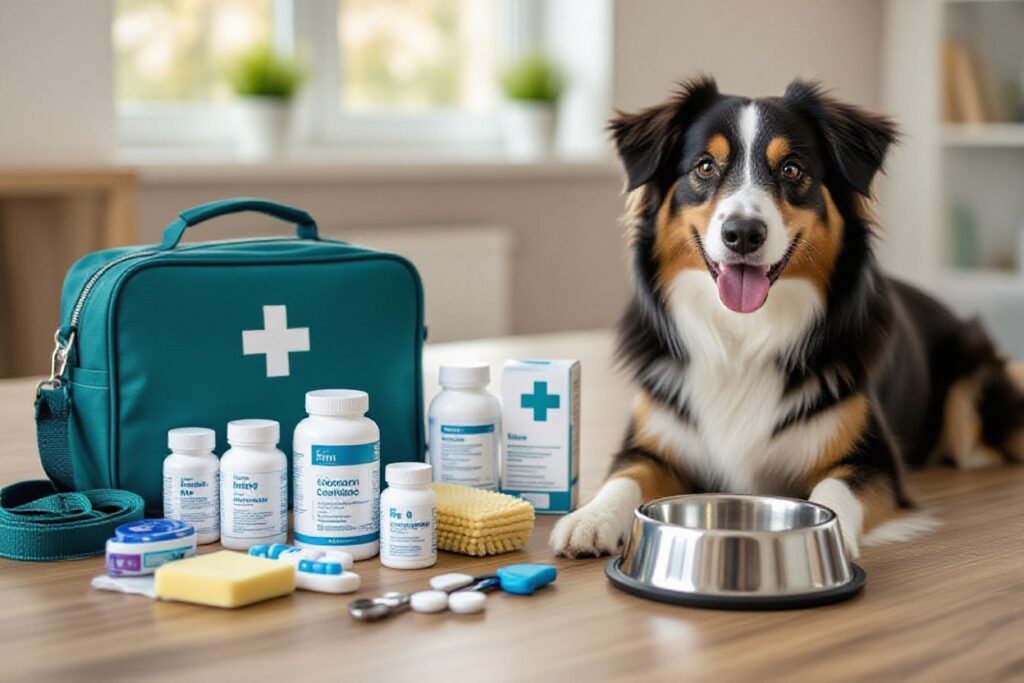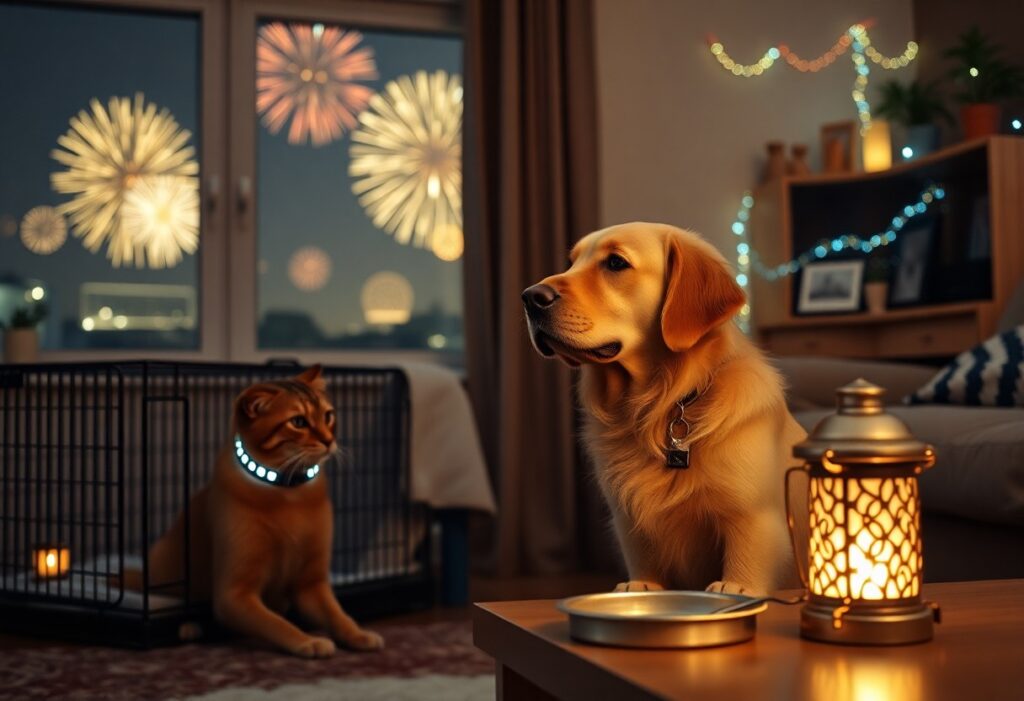
You should prepare a quiet, secure space for your pet before festivities begin: fireworks and loud noises can cause panic, so keep your pet indoors with comforting items and soft music; avoid toxic foods (chocolate, alcohol, xylitol) and secure trash, ensure your pet wears ID and is microchipped, and offer calming pheromones or a vet-approved sedative if needed; supervise interactions with guests and provide enrichment to reduce stress, which helps keep your pet safe and happy during celebrations.
Understanding Pet Anxiety
If your pet reacts to New Year commotion, anxiety can show quickly; research estimates up to 25% of dogs display noise-related fear and many cats hide during fireworks. You should track timing, intensity, and context so you can plan targeted calming strategies, measure progress, and consult a vet or behaviorist when episodes become frequent or more intense.
Common Triggers
Fireworks, thunder, and loud parties are top triggers; fireworks often peak around midnight on New Year’s Eve and produce sudden, high-decibel bursts. You may also see stress from unfamiliar guests, crowded streets, bright lights, travel, or strong odors like smoke and sparklers. When you expect these events, set up gradual desensitization, predictable routines, and a quiet refuge to lower acute reactions.
Signs of Stress in Pets
Pets express stress through panting, pacing, trembling, hiding, excessive vocalization, loss of appetite, or inappropriate elimination; you should monitor for escalation to aggression, self-injury, or persistent shaking, which indicate higher risk. Track how often and how long signs occur and note triggers to assess severity and choose interventions.
If episodes last more than 30 minutes or recur over two times per week, increase monitoring; you can use a 0-10 intensity scale (0 calm, 10 panicked) and log duration, triggers, and recovery. Seek veterinary behaviorist input if signs persist >48 hours, if they include biting, freezing, or repeated escape attempts, or if medication and formal behavior modification may be warranted.
Safe Celebrations: Preparing Your Home
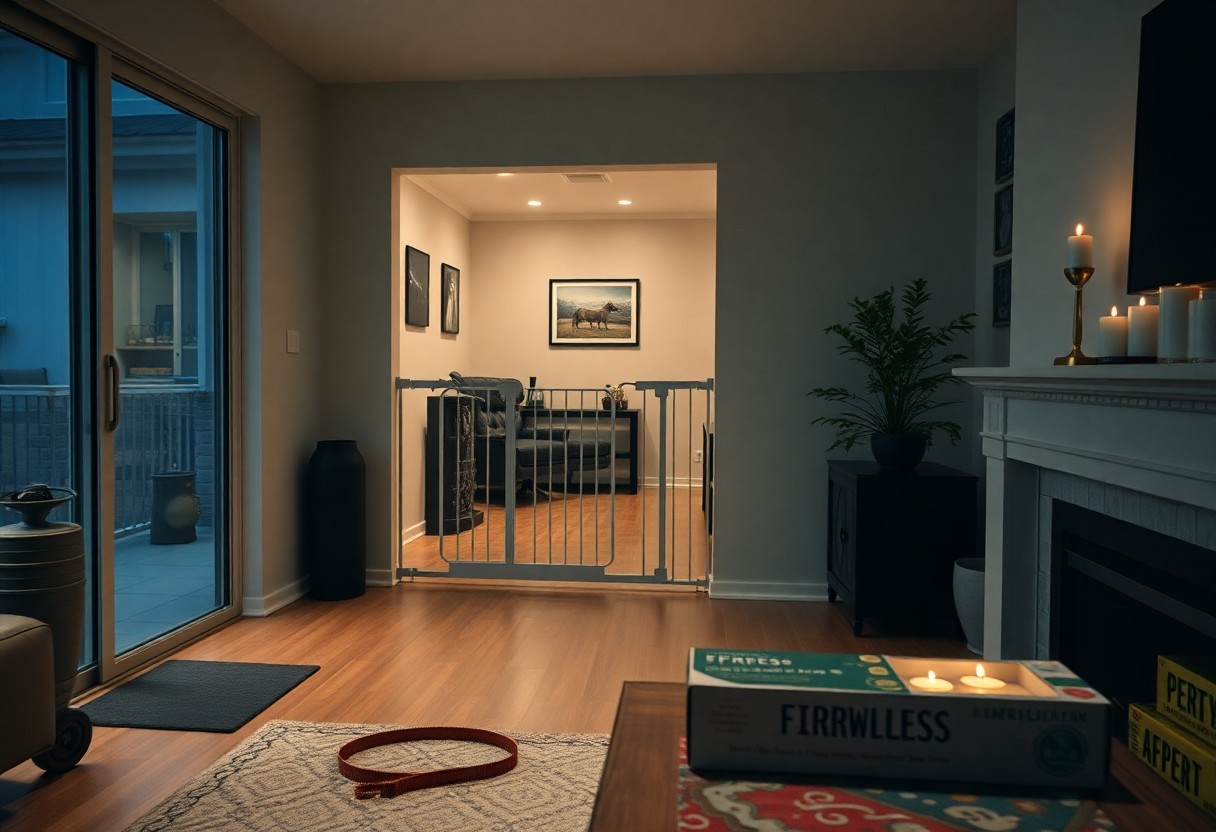
Seal off a quiet interior room with no windows where your pet can retreat during fireworks and loud gatherings; provide familiar bedding, fresh water, and a favorite toy. If your pet is noise-sensitive (about 1 in 5 dogs), plug a pheromone diffuser 48 hours before and draw curtains to reduce sound. Post your vet and emergency clinic numbers by the door, keep ID and microchip info handy, and remove access to balconies or escape routes to avoid panic-driven escapes; avoid using real candles or leaving glass within reach.
Creating a Safe Space
Choose an interior, low-light room and make it inviting with familiar blankets, crate pads, and a shirt that smells like you. Plug in a calming pheromone diffuser 48 hours before (Adaptil or Feliway) and run white noise or soft music to mask bangs. Offer chew toys and a water bowl; if your pet has a prescribed calming plan, give medication as directed. Post a clear sign on the door so guests won’t open it unexpectedly and disturb your pet’s refuge.
Pet-Proofing Your Celebration Area
Keep hazardous items out of reach: chocolate, xylitol, grapes, tinsel, lit candles, and alcohol are common toxins and choking risks. Store food on high counters or in closed containers, secure trash with latches, and swap glass ornaments for shatterproof decorations. Tape or cover cords to prevent chewing, and create physical barriers to balconies, stairways, and doors to minimize escapes during loud moments or guest traffic.
If your pet swallows something, keep the packaging or take a photo and call your vet or the ASPCA Animal Poison Control Center at (888) 426-4435 immediately; do not induce vomiting unless instructed. Prepare to transport your pet in a carrier, note the time of ingestion, and inform your vet about symptoms. Post a brief sign by the food table asking guests not to feed pets and designate one person to monitor pet access during the busiest hours.
Alternative Celebration Ideas
Swap loud fireworks for calmer options like a backyard stargazing night with soft LED lanterns, a themed treat scavenger hunt, or a small group potluck. Keep your interactions predictable and short – 10-20 minute activities – and offer your pet a safe, quiet retreat. Use a gentle countdown (glowing balloons, silent confetti) and aim to keep ambient sound under 60 dB to lower stress; if you expect external fireworks that may exceed 140 dB, plan extra hiding spots and comforting routines.
Low-Noise Activities
You can set up stargazing with silent glow-sticks, play classical or ambient tracks at 40-60 dB, or create scent trails by hiding 3-5 treats in a snuffle mat. Short, scheduled cuddles, gentle brushing, and providing vertical perches for cats reduce anxiety. For dogs try 5-10 minute nosework sessions; for cats try 3-5 minute focused play. Avoid loud speakers and open fireworks, which can reach well above 140 dB.
Engaging Toys and Games
Rotate puzzle feeders, treat-dispensing balls, and snuffle mats to keep your pet occupied for 10-20 minute sessions; dogs often enjoy tug games and scent searches, while cats prefer wand toys and brief laser chases. Inspect toys for loose parts and supervise new items. Choose durable options like KONG or Nina Ottosson for heavy chewers and pick size-appropriate toys to prevent choking; avoid small detachable pieces.
You can freeze a peanut-butter-stuffed KONG for 30-60 minutes to extend engagement, or hide 5-7 kibble pieces across a room to stimulate nosework; alternate 3-4 toys every few days to maintain novelty. Start training-based games for 5-10 minutes, three times daily, rewarding calm behavior during loud periods. Replace rubber toys showing cracks within 2-3 months and discard any fabric with loose threads to eliminate choking hazards.
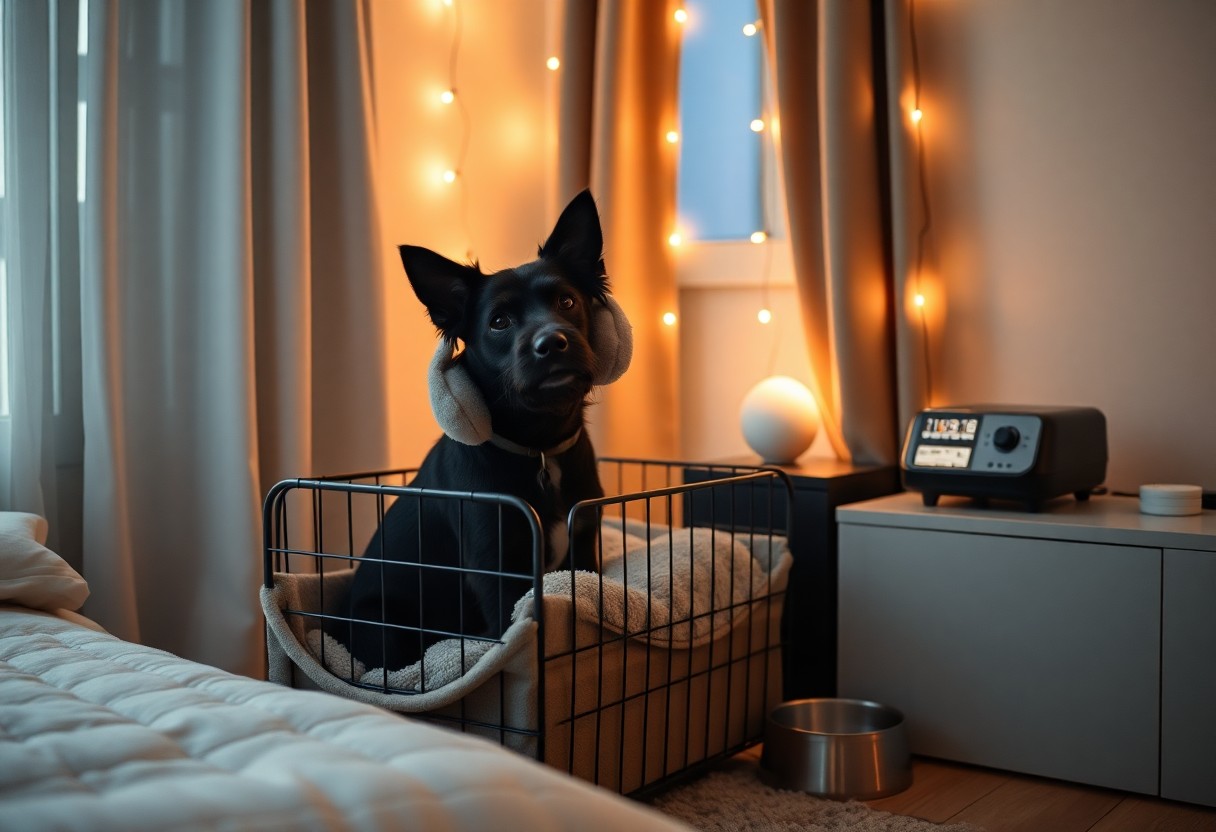
Managing Noise and Fireworks
Fireworks can reach 150 dB at close range, while many pets react to sounds above 70-80 dB, so you should prepare a quiet interior space with closed windows and heavy curtains, run a white-noise machine at about 60-65 dB, and ensure your pet has a visible collar plus a registered microchip. Walk pets earlier in the day, keep lights on to reduce shadow reactions, and have a vet plan if you expect severe noise exposure.
Soundproofing Techniques
Seal gaps with weatherstripping and use thick, blackout curtains to cut outdoor noise; installing double-pane windows can lower sound by 20-30 dB. Scatter rugs, bookcases against exterior walls, and towels under doors add mass that absorbs sound. Place your pet in a central, windowless room when displays peak, and run a white-noise machine or fan at 50-65 dB to mask sudden bursts.
Calming Products
Pheromone diffusers like Adaptil (dogs) and Feliway (cats) can reduce stress signals, while pressure wraps such as the Thundershirt provide comforting steady pressure. You can also use vet-recommended supplements (L-theanine, melatonin) or prescription anxiolytics when indicated; always obtain dosing guidance from your veterinarian and avoid unverified DIY mixes.
Plug pheromone diffusers in at least 24-48 hours before anticipated noise, fit pressure vests snugly and trial them during calm times, and give chewable calming treats about 30-60 minutes before events so active ingredients start working. Combine these products with habituation: play recorded firework sounds at low volume over days to desensitize, and consult your vet for prescription options if your pet shows severe panic or escapes despite environmental measures.
Nutrition and Treats for Pets
You should limit snacks so they make up no more than 10% of your pet’s daily calories, and reduce meal portions if you plan to offer multiple bites during festivities. Offer treats slowly, in a calm spot to prevent gulping and vomiting. Fatty, salty party foods raise the risk of pancreatitis and dehydration, so swap heavy gravy and fatty trimmings for measured, plain options and monitor your pet’s intake throughout the evening.
Safe Foods to Share
Plain, cooked turkey or chicken without skin and bones works well in small portions; give about 1-2 tablespoons for dogs under 15 lb. You can also offer canned plain pumpkin, steamed green beans, apple slices without seeds, or baby carrots as low-calorie treats. Cats can have occasional plain cooked fish (no bones). Keep everything unsalted and unseasoned so you don’t upset digestion or add hidden toxins.
Holiday Treats to Avoid
Avoid foods that commonly cause poisonings: chocolate, xylitol (in gum or baked goods), grapes/raisins, onions, garlic, macadamia nuts, alcohol, and cooked bones. These can cause hypoglycemia, seizures, kidney failure, or GI perforation. If your pet snags a forbidden item, note the amount and ingredients so you can give accurate info to your veterinarian or a poison-control service.
Xylitol can trigger hypoglycemia and liver injury in dogs at very low doses-around 0.1 g/kg can lower blood sugar-so a single piece of sugar-free gum can be dangerous for small breeds. Chocolate toxicity depends on type: baker’s or dark chocolate is far more concentrated than milk chocolate, making small amounts hazardous to small dogs. Cooked bones risk splintering and intestinal damage, and fatty leftovers frequently precipitate pancreatitis, often requiring emergency care.
Keeping Your Pets Calm and Happy
Desensitization Strategies
You can reduce noise anxiety by training over 2-6 weeks: play fireworks recordings at very low volume (10-20%) for 5-10 minutes, then pair with high-value treats or play; increase volume by small steps every 3-4 sessions only if your pet stays relaxed. Use counterconditioning-swap fear cues with rewards-and stop before signs of stress. Avoid sudden loud spikes that trigger panic and worsen sensitivity.
Comforting Routines
Keep rituals consistent: feed and walk at usual times, start a 30-60 minute exercise session earlier in the day, and put out a quiet den with familiar bedding. Use Adaptil or Feliway diffusers, a Thundershirt for dogs, and low-level white noise (around 55-65 dB) to mask fireworks. Avoid overhandling if your pet hides; too much attention can reinforce anxiety.
Before festivities, start calming measures 1-2 hours ahead: lock doors and windows, close curtains, and run TV or a fan at 50-60 dB. Offer a frozen KONG or puzzle toy for 20-40 minutes to lower arousal, and let cats up high or in a closed room with litter, food, and water. Make sure identification and microchip details are current and do not give human sedatives; consult your vet for prescriptions or dose guidance.
Final Words
Ultimately you should plan quiet spaces, secure fireworks and noisemakers away from your pets, use identification and microchips, maintain routines, introduce new foods or treats slowly, and keep emergency contacts handy so your pet stays calm and safe during New Year celebrations.
FAQ
Q: How can I keep my pet calm during fireworks and loud New Year celebrations?
A: Keep pets indoors in a quiet, secure room with familiar bedding and toys well before fireworks begin. Close windows and curtains to muffle sound and reduce flashing lights; run a fan, white-noise machine, or soothing music to mask bangs. Provide a cozy den or crate if the pet uses one voluntarily, and add a worn T-shirt or blanket that smells like you. Use pheromone diffusers or anxiety wraps (such as a Thundershirt) and consult your veterinarian ahead of time about short-term anti-anxiety medications or other treatments if your pet has severe noise phobia. Exercise your pet earlier in the day to help them rest at night, and avoid punishment-use calm reassurance, high-value treats, or puzzle toys to redirect attention during stressful periods.
Q: What practical steps prevent escapes and injuries during busy celebrations?
A: Keep all exit points closed and securely latched; designate a single supervised entry for guests and instruct them not to open doors suddenly. Leash pets when moving through doorways or when guests arrive, and double-check that screens, balcony doors, and crate latches are secure. Update identification tags and microchip contact information before the event; consider a temporary collar light or reflective gear for visibility if you must go outside. Remove or secure candles, lit sparklers, open flames, and glassware; move breakable decorations and electrical cords out of reach. If visitors will bring unfamiliar animals, separate them in a calm room to avoid fights or stress-related escapes.
Q: Which foods and party hazards should I keep away from pets, and how should I manage guests around food?
A: Prevent access to common toxic foods-chocolate, grapes/raisins, xylitol (in gum, candy, baked goods), onions, garlic, and alcohol-and avoid giving fatty table scraps or cooked bones that can cause pancreatitis or intestinal blockages. Keep trash cans covered and inaccessible, and clear plates promptly after meals. Inform guests of a strict no-feeding rule and offer pet-safe treats if people want to interact. Remove small decorations, tinsel, confetti, balloons, glow sticks, and battery-powered items from pet reach; ingestible party favors can cause choking, obstruction, or chemical burns. If ingestion or injury is suspected, contact your veterinarian or an animal poison control hotline immediately and bring packaging if possible.