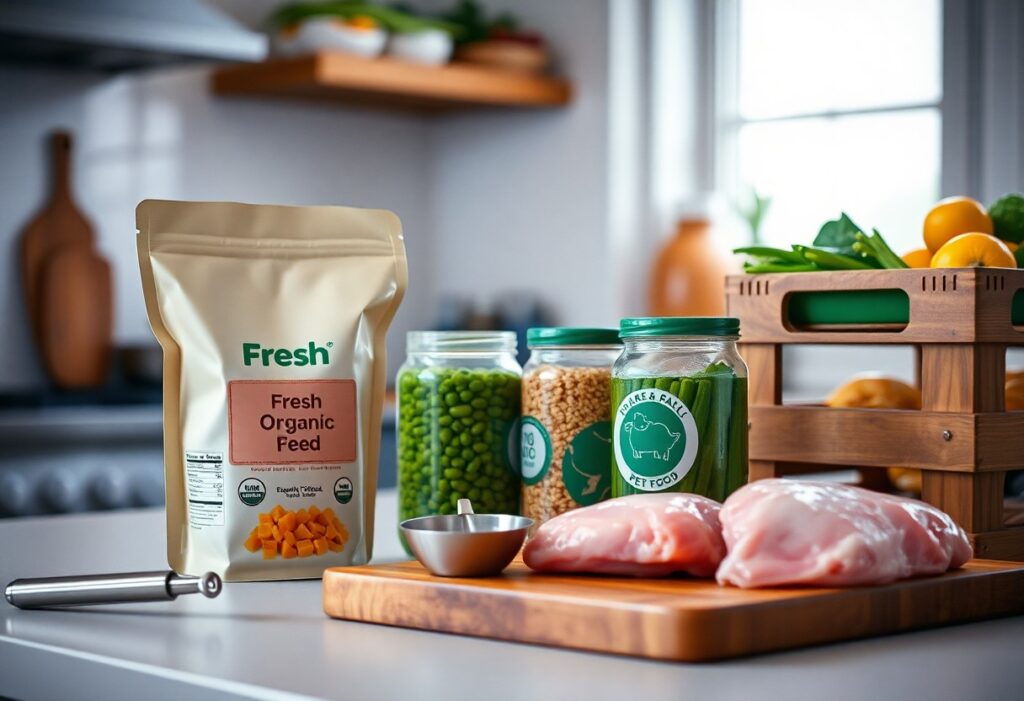
With a shift to fresh, organic diets you give your pet higher-quality nutrients and fewer preservatives, which can mean improved digestion, shinier coat, and stronger immunity; you also lower the risk of exposure to harmful pesticides and food-borne pathogens. By choosing whole ingredients and transparent sourcing, you support better long-term health and can more easily spot intolerances, helping you make informed feeding decisions that promote vitality and longevity.
The Importance of Fresh and Organic Ingredients
Fresh, organic ingredients retain more nutrients because they’re not exposed to extrusion heat of 120-150°C or long storage; you benefit from higher moisture (usually 70-80% vs 6-10% in kibble) and fewer pesticide residues. Whole meats and produce deliver intact enzymes and more bioavailable amino acids, so your pet digests food more efficiently and avoids chronic exposure to synthetic preservatives and agricultural residues.
Nutritional Advantages
With fresh formulations you get higher levels of bioavailable nutrients – for example increased omega-3 (EPA/DHA), antioxidants like vitamin E and carotenoids, and heat-sensitive B vitamins. Feeding trials often report digestibility above 85% for many fresh diets versus 70-80% for dry foods, so your pet may require less food by weight and show measurable improvements in coat, energy, and stool quality within weeks.
Avoiding Harmful Additives
Choosing fresh organic diets removes many common synthetic additives – you avoid preservatives such as BHA, BHT, and ethoxyquin, artificial colors, and some emulsifiers that have been linked in animal studies to oxidative stress or liver concerns. Organic certification largely bans those ingredients, so your pet’s exposure to potentially harmful long-term contaminants drops and you get clearer ingredient transparency on the label.
Check ingredient lists for phrases like “preserved with mixed tocopherols” or “natural extracts”; these indicate natural preservation methods. When you see ethoxyquin, propyl gallate, or vague “preservatives” listed, your pet may face additives associated with safety questions in toxicology studies. You can transition gradually-replace one meal at a time and monitor stool, appetite, coat condition, and energy over 4-12 weeks to evaluate benefits.

Impact on Pet Health
Switching to fresh, organic pet food often produces measurable changes: you may see fewer digestive upsets, improved energy levels, and healthier skin within weeks. Many pet owners report reduced reliance on supplements and lower incidence of chronic issues like pancreatitis when diets emphasize high-quality proteins and whole-food ingredients. While results vary by age and breed, focusing on nutrient-dense, minimally processed meals gives your pet a stronger baseline for long-term wellness.
Enhanced Digestive Health
You’ll likely notice fewer episodes of vomiting or loose stools after a gradual switch to fresh food, since it often contains fewer fillers and artificial additives. A two- to four-week transition reduces GI shock, and diets with added prebiotic fibers (like chicory) can increase stool quality and nutrient absorption. Be aware that raw options carry higher bacterial risk, so follow food-safety practices and consult your vet.
Improved Coat and Skin Condition
Your pet’s coat can become visibly healthier with diets rich in omega-3s and bioavailable proteins, often showing a glossier sheen and reduced dandruff within 4-8 weeks. Ingredients such as salmon, flax, and egg provide EPA/DHA and amino acids that support hair growth and barrier function. Monitor for food sensitivities, since allergic reactions still occur even with organic formulas.
For more depth, ensure the diet supplies adequate levels of EPA/DHA, zinc, and biotin, as deficiencies commonly manifest as brittle hair and inflamed skin. In clinical practice, dogs fed balanced fresh diets frequently show a 30-60% reduction in itching scores over two months, while cats demonstrate quicker hair regrowth after addressing protein shortfalls. You should also check label guarantees and discuss fatty-acid ratios with your vet to optimize outcomes and rule out underlying dermatological conditions.
Environmental Considerations
You should weigh environmental impacts when choosing fresh, organic pet food: food systems account for roughly 30% of global greenhouse gas emissions, and livestock contributes about 14.5% of that total. Favoring plant-forward formulas, local suppliers, or regenerative farms can shrink your pet’s footprint. Life-cycle analyses show switching protein sources or sourcing regionally can reduce emissions by double-digit percentages and lower water and land use across your pet’s diet.
Sustainable Sourcing
You can reduce resource use by selecting sustainably sourced proteins: beef’s water footprint is roughly 15,000 L/kg versus chicken around 4,000 L/kg, so choosing poultry, responsibly farmed fish, or upcycled ingredients lowers impact. Look for USDA Organic, Global Animal Partnership, or verified regenerative labels, and prefer suppliers that reclaim byproducts (for example, brewer’s grains) to cut waste and support soil-health practices on farms.
Reducing Carbon Footprint
You can shrink your pet food’s carbon footprint by prioritizing lower-emission proteins: beef averages about 60 kg CO2e/kg, chicken ~6-7 kg CO2e/kg, and many plant proteins ~2-3 kg CO2e/kg. Choosing higher-calorie-density formulas reduces packaging and transport per calorie, while sourcing locally and seasonally shortens supply chains and lowers logistics-related emissions.
Start by asking suppliers for life-cycle or carbon-label data; manufacturers that adopt on-site solar, anaerobic digestion, or shift a significant share of ingredients to lower-impact sources commonly report emission reductions of 20-30%. You should also compare formulations by grams CO2e per kilogram, favor insect or soy-based proteins where suitable, and buy bulk or frozen options to minimize packaging waste and refrigeration energy over time.
Economic Factors
Switching to fresh and organic pet food raises upfront cost-expect a 20-50% price increase per calorie; a dog’s monthly food cost often moves from $40-80 for kibble to $120-220 for fresh options. You can offset that with bulk buying, home-prep, or subscription discounts that lower per-meal prices by 10-30%. Perceiving improved health outcomes and fewer vet visits reframes the expense as an investment.
- Upfront cost: fresh/organic budgets often higher by 20-50%.
- Saving strategies: bulk buys, home-cooking, and co-ops cut costs 10-30%.
- Vet savings: fewer obesity, dental, or allergy treatments reduce long-term spend.
- Value: better quality of life and potential longevity gains.
Cost Analysis of Fresh vs. Processed Foods
Per-pound, fresh diets commonly cost $3-6 versus $0.50-1.50 for processed kibble, so you often pay 2-6× more per calorie. If your medium dog needs ~1,200 kcal/day, monthly bills may be $140-260 for fresh vs. $45-90 for dry. You can narrow the gap by buying proteins on sale, using organ meats, or preparing weekly batches to lower per-meal costs.
Long-term Health Savings
Over time, feeding fresh and organic pet food can lower chronic-care expenses; you may reduce obesity-related visits, allergy treatments, and dental procedures, with avoiding 1-2 extra vet visits yearly saving $150-$600. Many owners report fewer prescriptions and faster recoveries after GI incidents, which compounds into tangible annual savings for your household.
Crunch the numbers: if your annual vet bill averages $500, a conservative 20% reduction from improved nutrition saves $100 in year one and $500 over five years; at 40% savings you save $200 yearly. You could reallocate that money toward premium ingredients, preventive screenings, or training to further boost your pet’s wellbeing.
Choosing the Right Fresh and Organic Pet Food
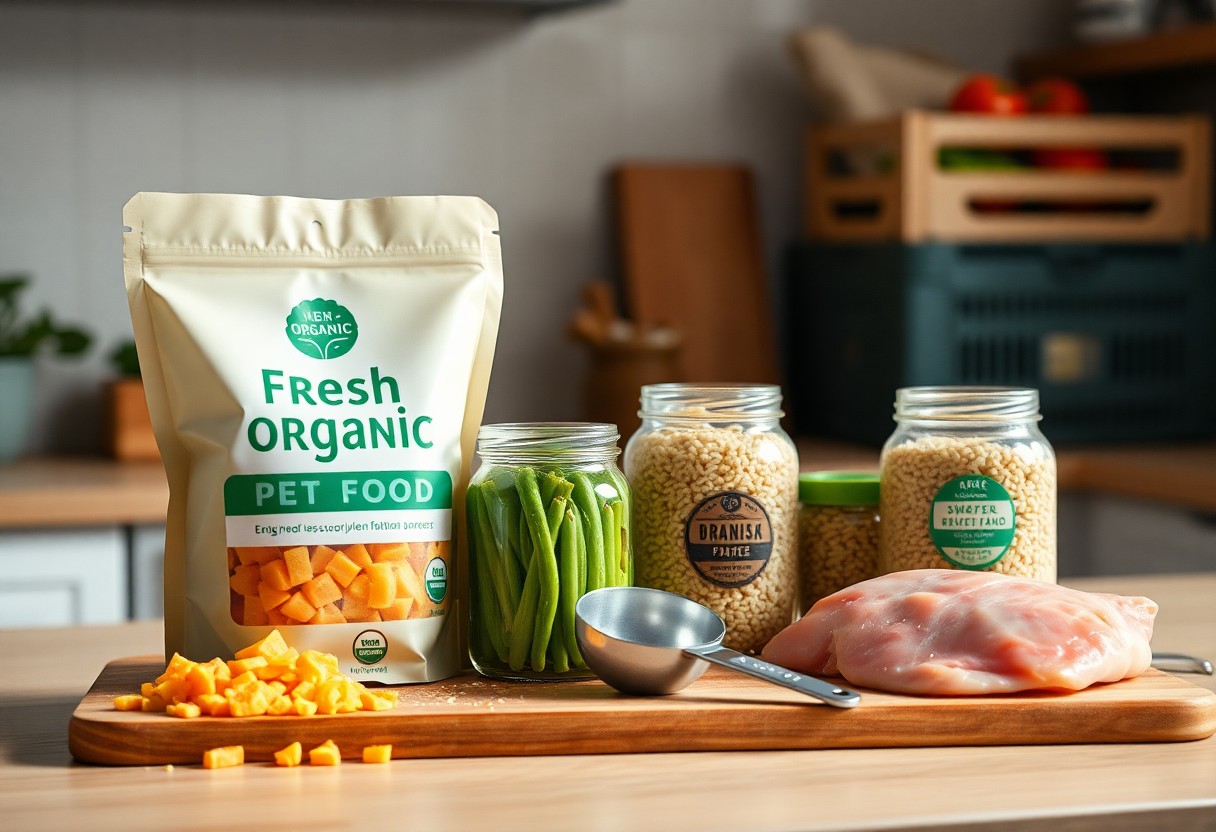
When evaluating brands you should check the AAFCO statement or feeding-trial results for life stage and inspect the Guaranteed Analysis: aim for at least 18-22% protein for adult dogs or 25-30% for active breeds, and 30-40% for most cats. Fresh meals typically show refrigeration life (about 3-7 days) while frozen options last 6-12 months. Also be aware that raw diets carry higher bacterial contamination risk and require strict handling and sanitation.
Understanding Labels and Certifications
You should read labels closely: USDA Organic means ingredients comply with NOP rules-no antibiotics, synthetic pesticides, or added hormones-while “human-grade” claims may not be independently verified. AAFCO provides feeding-trial protocols and nutrient profiles; a “complete and balanced per AAFCO” statement indicates formulation or trial compliance. Also check lot numbers, expiry dates and country of origin to assess recall traceability.
Consultation with Veterinarians
You must review diet changes with your veterinarian, especially for puppies, seniors, or pets with medical issues; vets rely on bloodwork (CBC, chemistry panel) and urinalysis to tailor protein, fat and phosphorus targets. For pancreatitis many clinicians prefer low-fat diets-often under 10-15% of calories; in renal cases they adjust protein and phosphorus levels. Bring recent lab results and the product label to your appointment.
You should plan follow-up: run an 8-12 week elimination trial for suspected food allergies and schedule labs-healthy adults typically need annual screening, while seniors or medically managed pets may need bloodwork every 6-12 months or as often as every 3 months after a diet change. For diabetic pets expect close glucose monitoring and possible insulin adjustments within days; track weight and body condition weekly to detect problems early.
Transitioning to Fresh and Organic Diet
Phase the change over 7-14 days: mix fresh or organic food into your pet’s current diet starting at 25% new to 75% old for days 1-3, 50/50 for days 4-6, 75% new for days 7-9, then full switch after day 10; sensitive pets may need 2-4 weeks. Consult your vet if your animal has health issues or is under 12 months old. Sudden swaps can cause vomiting, diarrhea, or appetite loss, so prioritize gradual increments and consistent feeding times.
Steps for a Smooth Transition
Begin by choosing vet-approved fresh recipes and calculating daily calories for your pet’s ideal weight. Mix portions following a 7-14 day schedule (25/75, 50/50, 75/25), offer meals at set times, and avoid free-feeding. Weigh your pet weekly and log stools using a 1-5 firmness scale; adjust amounts if weight changes >5% in two weeks. If you see persistent vomiting, bloody stools, or severe lethargy, contact your veterinarian immediately.
Monitoring Your Pet’s Response
Track appetite, energy, stool, and weight daily for the first two weeks then weekly up to 8 weeks. Expect minor GI shifts in 3-7 days; meaningful improvements in coat and odor often appear by 6-8 weeks. Use a home scale or clinic weigh-ins; a weight change >5% in 14 days warrants adjustment. Watch for continuous diarrhea, vomiting >48 hours, or pale gums as signs to seek urgent care.
Maintain baseline tests: baseline bloodwork and fecal screening before the switch, then repeat blood chemistry and CBC at 6-12 weeks for older pets or those with prior conditions. Log calories-typical adult dog needs 20-30 kcal/kg/day depending on activity; adjust recipes to match. Take photos of stools and coat weekly to document changes; many owners report shinier coats and firmer stools within 6 weeks, but lab follow-up confirms nutritional balance.
Conclusion
From above, you can see how feeding your pet fresh, organic food supports better digestion, higher energy, clearer coat, and stronger immunity; you reduce exposure to additives and pesticides while improving nutrient absorption and long-term health outcomes, and you can often tailor meals to dietary needs so your companion thrives with fewer vet visits and greater vitality.
FAQ
Q: What are the main health benefits of feeding fresh and organic pet food?
A: Fresh and organic pet food typically contains higher-quality whole ingredients, fewer synthetic additives, and less processing, which increases nutrient bioavailability (vitamins, minerals, and amino acids). Pets often show improvements in coat shine, skin health, energy levels, and digestion due to higher moisture content and easily digestible proteins. Many owners report smaller, firmer stools and faster recovery from minor gastrointestinal upsets. Organic sourcing can also reduce exposure to pesticide residues and certain contaminants found in some conventional ingredients.
Q: Can fresh and organic diets reduce food sensitivities and allergy symptoms?
A: Yes-eliminating common fillers, artificial colors, flavors, and preservatives lowers the risk of adverse reactions for pets with sensitivities. Single-protein or novel-protein formulations and limited-ingredient fresh diets make it easier to identify triggers during an elimination trial. Improved ingredient transparency helps veterinarians tailor hypoallergenic plans. However, not all reactions are food-related; veterinary diagnosis and a structured trial are recommended to confirm food as the cause.
Q: What safety, cost, and practical considerations should owners know before switching?
A: Fresh and organic pet foods are often more expensive and may require refrigeration or strict storage to maintain quality; shelf-stable options vary by brand. Raw or minimally cooked products carry higher bacterial risk and demand careful handling, proper thawing, and sanitation. Nutritional balance is crucial-choose recipes formulated to meet AAFCO or veterinary standards, or consult a veterinary nutritionist for home-prepared meals. Transition slowly over 7-14 days, monitor weight, stool quality, and overall condition, and schedule follow-ups with your veterinarian to ensure the diet meets your pet’s life-stage needs.