What’s All the Buzz About Natural Horse Care?
What really pulls you into natural horse care is how directly it affects your horse’s day to day comfort, mood, and performance. When you swap harsh chemicals for simple, traditional methods, you often see softer coats, calmer eyes, fewer mystery skin issues. You start tracking how clean forage, mineral balance, and stress reduction change everything from hoof growth to gut health – and suddenly you’re not guessing, you’re watching real results unfold in front of you.
The Big Picture: Why Go Natural?
Big picture, you’re choosing a system that supports how your horse’s body actually works, instead of fighting it. You focus on forage-first feeding, regular movement, and low-stress handling so the immune system stays strong on its own. That means fewer blanket medications, fewer gut upsets, and often lower long-term vet bills. You’re not just fixing problems, you’re building a horse that can cope with weather swings, training, travel – the whole lot.
Is It Just a Trend?
On the surface it might look like another buzzword, but natural horse care has deep roots in traditional horsemanship. Long before commercial feeds, horses thrived on species-appropriate forage, herd turnout, and simple herbal support. Modern research on hindgut function, laminitis risk, and stress hormones is actually backing up what old-school horsemen already knew.
What you’re really seeing isn’t a fad, it’s a swing back from over-complication. For example, studies link high-starch diets to increased colic and laminitis risk, yet many barns still lean on grain as the main fuel source. When you move to slow-feeding hay, controlled pasture, and targeted mineral balancing, you aren’t being trendy, you’re aligning with equine biology. And when you notice fewer ulcer flare-ups after cutting out unnecessary meds and rotating turnout better, that feels a lot less like a trend and a lot more like common sense finally catching up.
Benefits You Can’t Ignore
Once you really commit, the benefits get hard to unsee. You start getting tighter hooves, less thrush, cleaner gaits, and fewer random off days that used to puzzle you and your vet. Many owners report 40-60% fewer vet visits for preventable issues after dialing in diet, turnout, and barefoot trimming where appropriate. Your horse recovers faster after hard work, travels better, and mentally just feels more “with you” instead of wired or shut down.
What really hits you is how all the little improvements stack up. Swapping a high-molasses feed for a low-NSC, forage-based ration can calm a “hot” horse that was actually just dealing with blood sugar spikes. Adjusting minerals to match your hay test often clears up stubborn coat bleaching and brittle hooves that no supplement bucket ever fixed. And when you pair that with proper movement on varied terrain and thoughtful bodywork, you start seeing fewer injuries, shorter rehab times, and a horse that feels sound not just today but year after year – that’s the kind of benefit that’s pretty hard to walk away from.
Let’s Talk Nutrition: What’s Your Horse Eating?
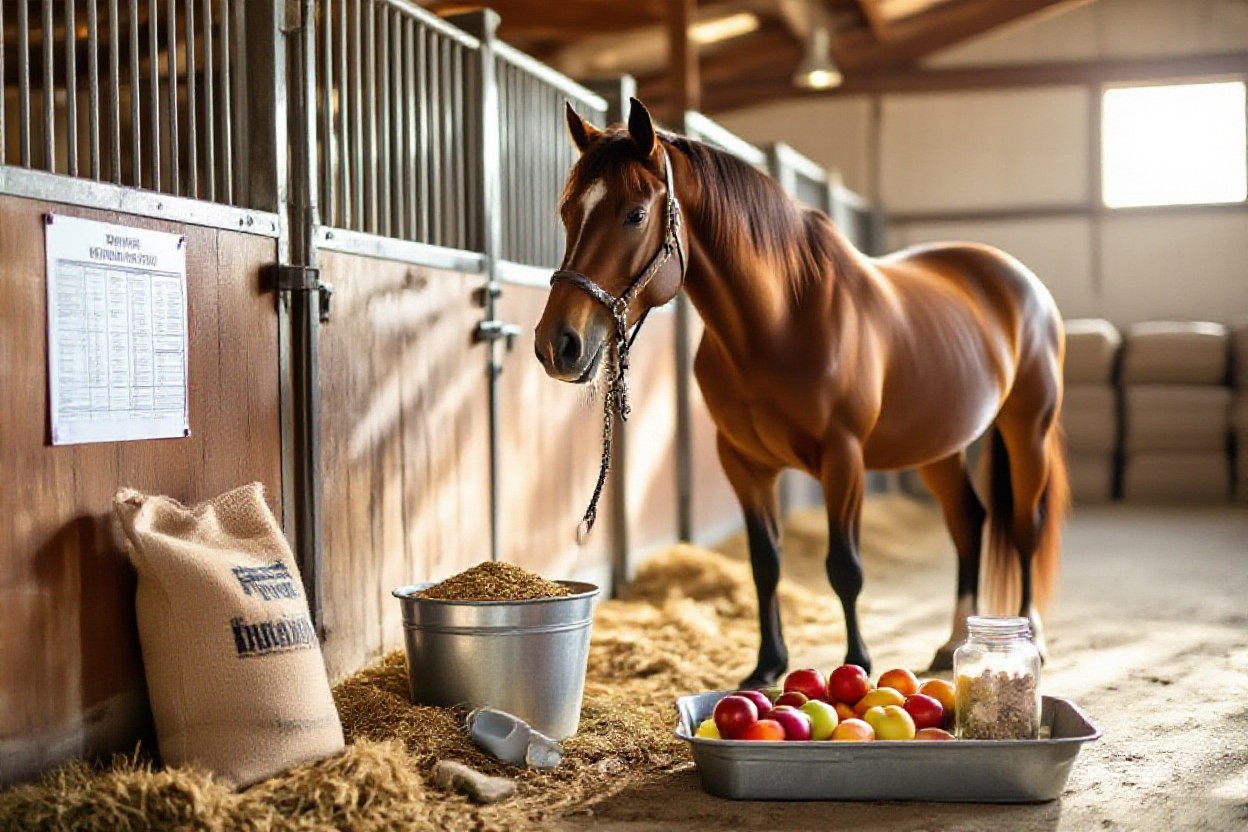
Roughly 60-70% of your horse’s calories should come from forage, so what’s in that hay net matters a lot more than the scoop in your feed bin. When you focus on high quality, low sugar hay first, you set up better hooves, calmer behavior, and steadier energy. Then you can tweak with simple add-ons – salt, minerals, maybe a bit of oil or whole foods – instead of chasing problems with bags of fancy feed that mostly just spike your horse’s insulin and blow your budget.
Why Hay First?
Around 1.5-2% of your horse’s body weight in hay per day (so 5-7 flakes for a 500 kg horse) keeps the gut moving and the mind relaxed. When you put forage at the center of the diet, you support natural chewing, saliva production, and a healthy hindgut microbiome. Grain then becomes a small tool, not the main event, which is exactly how traditional, chemical-light horse care stays simple and safer.
Herbal Supplements – Are They Worth It?
More than 70% of horse owners now use at least one herbal product, but only a handful of herbs are genuinely well studied in horses. If you stick to workhorse plants like devil’s claw, chamomile, milk thistle, hawthorn, and valerian, you can often support joints, digestion, liver function, and anxiety without reaching for synthetic meds every time. The trick is using single herbs or simple blends, at correct doses, not mysterious “proprietary” mixes loaded with fairy dust.
With herbs, you’re basically working with slow, steady nudges rather than quick fixes, so you’ve got to think in weeks, not days, and always match the plant to the horse in front of you. For example, chamomile tea or dried flowers (10-20 g per day) can take the edge off a naturally tense horse, while milk thistle at 10 g per 100 kg bodyweight helps a horse that’s been on long term meds or rich pasture support its liver a bit more gently. You still need to watch for competition rules, drug-testing lists, and interactions with existing meds, and ideally chat with an equine herbalist, but when you dial it in, herbs can slot into a holistic program as a kind of “fine tuning”, not a magic cure in a bucket.
The Lowdown on Free-Choice Minerals
Studies on pasture show many fields are deficient in copper and zinc while running high in iron, so your horse often can’t balance themselves just by licking whatever block is hanging in the shelter. True free-choice loose minerals (not hard, molasses-heavy blocks) let your horse nibble what they need day to day, especially plain salt which most will under-consume if it’s only in a block. This approach fits beautifully with natural care, but works best when you’ve had at least one forage or soil test guide what you’re offering.
When you set out free-choice minerals, you’re basically saying “here’s the toolbox, you decide what you need”, and many horses genuinely do adjust intake with weather, workload, and even stress. A simple setup might include separate containers for plain salt, a balanced loose mineral mix, and maybe a specific copper-zinc blend if your hay analysis shows sky-high iron or chronic deficiencies. What you don’t want is a single, rock hard block with molasses and dubious flavorings that your horse either ignores or devours out of boredom. Keep it loose, sheltered from rain, and monitor how fast each one disappears so you can tweak before little imbalances turn into big hoof or coat issues.
Hoof Care: Can You Ditch the Farrier?
Can you actually skip shoes and still have a rideable, sound horse, or is that just internet fantasy? In real life, plenty of horses work 5 days a week barefoot on mixed footing, but it only works when diet, trim, and movement all line up. You don’t dump your farrier overnight – you shift their role, or swap to a qualified barefoot trimmer who respects the hoof’s natural function instead of forcing it into a metal mold.
Barefoot & Loving It – What You Need to Know
So what really happens when you pull the shoes and let your horse go barefoot? At first you might see some tenderness on gravel, maybe chipped edges, but with a 4-6 week correct trim cycle, balanced minerals, and plenty of movement, those hooves usually toughen up like good work boots. You still need a pro on your team, just one who trims for function, not fashion.
The Perks of Natural Movement
Ever notice how a horse on 24/7 turnout often has tighter, tougher feet than one stalled all day? Natural movement acts like a constant, gentle workout for the hoof, pumping blood, strengthening the digital cushion, and wearing in a self-maintaining hoof shape that your trimmer only fine-tunes. When your horse walks 10-15 km in a day on varied footing, you’re basically getting free rehab with every step.
In practice, that means you set up your place so your horse has a reason to move – water at one end, hay at another, salt somewhere awkward, different surfaces on the track. Gravel, pea stone, hard-packed dirt, even a bit of rough concrete all tell the hoof how to adapt and grow stronger. Over a few months, you often see frogs widen, heels decontract, and stride length improve, especially in horses that used to stand around in soft shavings all day.
Tackling Common Hoof Problems Naturally
When thrush, cracks, or sore heels show up, do you always reach for a chemical bottle first, or could you fix the root cause instead? Thrush often clears faster when you combine daily picking, dry footing, and a simple vinegar or salt soak with a low-sugar diet. Many “mystery” cracks improve once you sort the trim, add copper and zinc, and get the horse moving on firmer ground, not just slapping on more product.
Take thrush for example: if your horse stands 12 hours in wet manure, no fancy purple liquid will beat that environment. Drying the hoof with clean, coarse bedding, increasing turnout on firm ground, and using cheap, old-school stuff like saltwater or apple cider vinegar often outperforms pricey gels. For wall cracks, a shorter toe, tighter trim cycle, and better mineral balance can grow out a solid hoof in 6-12 months, while hoof boots keep them comfortable so you can still ride.
Say Goodbye to Traditional Dewormers: Can Herbs Do the Trick?
You want fewer chemicals going into your horse, but you also really don’t want a worm burden wrecking their gut, topline and energy. Herbal deworming fits nicely into that natural-care mindset, yet it only works when you pair it with smart management and actual fecal egg counts, not just wishful thinking. Used blindly, herbs can still let parasite loads creep up, so you’re not throwing the paste tube away – you’re using it more strategically, when the lab results say you need it.
What’s in an Herbal Dewormer?
Most herbal mixes lean on plants like wormwood, garlic, clove, fennel, pumpkin seed and neem, all chosen because they’re traditionally thought to irritate or expel parasites. Some formulas also add diatomaceous earth, which people say helps mechanically damage eggs in the gut, though research is mixed. Your job is to treat these blends as support tools, not magic bullets, and to work with a vet who understands both herbs and fecal testing so you’re not flying blind.
Rotational Grazing – Does It Really Help?
Rotational grazing absolutely shifts the odds in your favor, because most strongyle larvae crawl only 2-4 inches up the grass and need time to die off. When you move horses off a paddock for 4-8 weeks in warm, dry weather, you massively cut the number of infective larvae they re-ingest. Combine that with cross-grazing sheep or cattle on those rested fields, and you’ve got a natural clean-up crew that interrupts the worm life cycle without a single syringe of paste.
What really changes the game is when you set up your paddocks so horses aren’t constantly grazing right next to their own manure. Shorter grazing periods, then proper rest, mean fewer larvae survive, especially if you time rotations with weather – hot, dry spells are your best friend because they kill eggs faster. You’ll also see that higher stocking density and tiny sacrifice paddocks quickly become parasite soup, so spreading horses out or using a track system helps. Pair that layout with regular fecal egg counts every 8-12 weeks and you’ll know exactly which paddocks and which horses are driving the worm problem, instead of guessing.
Mastering Dung Management Like a Pro
Manure is either a parasite bomb or a tool, depending on what you do with it. If you’re picking paddocks at least twice a week in warm weather, you can drop pasture contamination by more than 50 percent in a single season. Composting those piles until they hit 55-60°C for several days kills most eggs, so when you spread that finished compost back out, you’re feeding your soil, not seeding it with more worms.
The big shift happens when you treat manure management like part of your health program, not just barn chores you squeeze in when you feel like it. Daily picking in smaller turnout areas, especially around hay feeders and water, keeps those high-traffic spots from becoming worm hotspots that reinfect every horse that walks through. If you don’t have time for constant picking, harrow only in hot, dry weather, then keep horses off that field for at least two weeks so larvae die on the surface instead of being eaten. Over a season or two, you’ll see it in your fecal results – fewer high shedders, longer gaps between chemical deworming, and a whole lot less guesswork.
Wound Care: What’s Your Go-To Remedy?
Studies show over 60% of horse injuries are minor skin wounds, so your daily routine absolutely needs a simple, natural wound protocol. You clean with cool saline or diluted iodine, clip just enough hair to see the edges, then let the skin breathe instead of slapping on heavy, airtight ointments. You skip harsh chemicals that burn or delay healing and reach for products that calm inflammation, support circulation, and keep flies off while the body does the real work.
Herbal Solutions for Cuts and Scrapes
Research on calendula shows it can speed epithelialization by up to 30%, which is why you’ll see it in so many traditional barn salves. You might mix a simple blend of calendula, plantain, and comfrey in a beeswax base, applying a thin film after cleaning so you don’t trap dirt. Yarrow tincture or powder helps when you need quick bleeding control, and a light clay poultice can pull out heat if a scrape is looking a bit angrier than it should.
How to Prevent Colic Naturally
Colic accounts for roughly one in ten equine emergency call-outs, yet so much of it comes back to basic daily management you can actually tweak. You keep forage in front of your horse as close to 24/7 as possible, avoid big grain dumps, and stick to consistent turnout and hydration habits. Slow, gradual changes in hay, grass, or workload are your best natural “medicine” against gut upheaval and you watch manure, appetite, and mood like a hawk.
Because the hindgut is home to billions of microbes, you treat that bacterial community like gold if you want fewer colic scares. You might add a plain, unsweetened probiotic or a cup of dampened beet pulp to support fiber digestion, especially during seasonal transitions or travel. And you keep salt available at all times, even in winter, since mild chronic dehydration is a sneaky trigger. When you pair movement, long-stem forage, clean water, and low-stress routines, you’re basically stacking the odds in your favor every single day.
Breath Easy: Supporting Your Horse’s Respiratory Health
Studies estimate up to 80% of stabled horses show some level of respiratory irritation, even if they’re not outright “coughers”. You cut dust at the source by soaking hay, choosing low-dust bedding, and keeping doors and windows wide open whenever you can. Simple things like feeding from the ground so the airway can drain naturally and skipping heavy aerosols in the barn go a long way toward happier lungs.
So when your horse starts with that faint, annoying little cough, you reach for airflow and herbs instead of jumping straight to chemicals. You might use steam sessions, a fabric hood with a salt or herbal inhaler, or a gentle syrup with mullein, licorice root, and thyme to loosen gunk. And if you ride in dusty arenas, you pick your days and times, hose the footing when you can, and keep sessions lighter so you’re not asking inflamed lungs to work overtime. The goal is simple: clean air in, easy air out, no drama.
Pests Be Gone! Natural Fly Control that Actually Works
Most people assume you just blast flies with chemicals and call it a day, but you know that never really fixes the problem long term. You cut numbers by stacking small, natural habits: manure picked twice daily can drop fly breeding by 80%, fans disrupt flight patterns, and fly predators quietly pick off larvae. Then you layer in herbal sprays, fly sheets, and smart pasture rotation so you’re not basically running a fly nursery in your paddock.
Companion Planting – What’s the Deal?
Most barns treat plants as decoration, but you can actually put them to work as part of your fly control plan. Pots of citronella, lemongrass, basil, lavender, and marigold around doors, grooming areas, and water troughs help confuse insect scent trails. You won’t get a 100% force field, but when you mix companion plants with good manure management, fans, and physical barriers, you feel a very real drop in fly pressure.
DIY Herbal Sprays – Seriously Simple and Effective
People think “natural” spray means weak or fussy to make, but it can be dirt simple and still work. A solid basic recipe is 1 cup apple cider vinegar, 1 cup strong herbal tea (like rosemary, thyme, or peppermint), 20-30 drops necessary oils, plus 1 tablespoon aloe or glycerin so it actually sticks. Shake before every ride, mist lightly over the body, and reapply every few hours in peak fly season.
For a sturdier mix that actually stands up to sweat, you can brew a quart of super strong herbal tea (fill it with dried rosemary, catnip, and calendula), let it steep overnight, then strain well. Add equal parts tea and apple cider vinegar, 20-40 drops necessary oils (citronella, eucalyptus, lavender, cedarwood), plus a tablespoon of witch hazel and a splash of vegetable glycerin for glide. Patch test on a small area first so you catch any skin sensitivity, store it in the fridge, and mix smaller batches every 7-10 days so it stays fresh and doesn’t grow weird stuff.
Keeping Your Barn Bug-Free
A lot of owners think bugs are just a summer curse you suffer through, but your barn setup has a massive impact. Daily manure removal within a 24 hour window can cut fly breeding by more than half, and fans pointed low across aisles make it physically hard for flies to land. Dry shavings, tight fitting feed bins, and fixing tiny leaks around automatic waterers all keep moisture down so you’re not accidentally making a five star hotel for every gnat and midge in the county.
On top of the obvious manure and moisture control, you can tweak your whole barn like you’re managing a micro climate. Install fine mesh screens on windows, hang heavy plastic strips or simple mesh curtains on high traffic doors, and use yellow sticky traps in corners where flies congregate but horses can’t reach. Rotate deep clean days: scrub feed rooms, bleach buckets, empty drains, then sprinkle food grade diatomaceous earth in cracks so larvae dry out rather than hatch. That kind of boring, consistent routine is what actually shifts your barn from “fly central” to a place where bugs show up, try to move in, and just give up.
How to Craft a Daily Care Routine: What Are the Essentials?
Studies on stable management show that horses thrive on routines anchored around 2-3 consistent check-ins every day, and that’s exactly what you’re building here. You’re aiming for a simple rhythm: morning body check and hay, midday movement and water, evening feet, skin, and mood check. Layer in forage first, clean water, 10-15 minutes of deliberate observation, plus a quick scan of hooves and legs. If you can cover feed, feet, water, movement, and mood daily, you’re already doing more than most barns.
Seasonal Adjustments You Can’t Miss
Veterinary reports show colic spikes in spring and autumn, so those are your big adjustment seasons. You tweak the same routine, not reinvent it: in winter you prioritize unclipped natural coat, wind shelter, and warm water; in summer you dial up shade, electrolytes from natural sources like loose sea salt, and fly protection using herbal sprays. Spring and fall are for slow forage changes over 10-14 days and tighter eye on manure, breathing, and weight shifts.
The Observation Checklist – Are You Really Paying Attention?
Research from large equine hospitals keeps repeating the same thing: early detection cuts complications by more than 50%, and that starts with you simply watching better. Your daily checklist is quick: appetite, drinking, manure, posture, breathing, eyes, skin, hooves, and mood. If any two of those shift at the same time, you treat it as a yellow flag, even if your horse is still “sort of” acting normal.
When you walk up to your horse, you’re already observing, even if you don’t call it that – how fast do they come to you, or do they turn away, which for a usually social horse can be louder than a swollen leg. You watch how the ribs feel under your hand, if the skin along the back flinches, if the digital pulse at the fetlock feels hotter or fuller than yesterday, that tiny detail can flag laminitic changes before they explode. Because manure tells on everything, you note color, moisture, and frequency; one slightly dry pile after a cold night is a heads up to offer warm water and extra movement. And if you jot all this in a scruffy notebook or app, patterns jump out – that “random” grumpiness might line up perfectly with a new hay batch or a sudden drop in turnout time.
Creating a Schedule that Works for You and Your Horse
Behavior studies show that horses start to anticipate routine within about 3-5 days, so your job is to build one you can actually stick with. You don’t need a fancy program, just consistent slots: maybe 10 minutes before work, 5-10 on lunch break, 20-30 in the evening. It’s better to have a simple, repeatable plan than a perfect routine you bail on after a week.
When you sketch your schedule, you start with your reality, not some ideal barn-in-a-magazine version – what times are non negotiable because of work, kids, daylight, then you plug your horse’s needs into those. Morning could be hay, water check, a quick body scan and picking out hooves, while evening turns into movement, grooming, and a few minutes of quiet hanging out which does more for your horse’s nervous system than any supplement. Some owners batch tasks on certain days, like a deeper grooming or liberty session 2-3 times a week, and lighter “maintenance” checks the rest of the time. And if you post your routine somewhere visible in the barn, anyone helping you can follow the same rhythm so your horse’s nervous system stays settled instead of guessing what’s happening next.
Is Natural Care Safer? Let’s Break It Down
Plenty of people assume “natural” automatically means safer, but with horses it’s a bit more layered than that. You’re working with living systems, not just swapping out products on a shelf, so what you choose affects hooves, gut, joints, even behavior. A herbal fly spray, a forage-first diet, or a low-sugar mineral balancer can absolutely lower long-term risk, but only if you match them to your horse’s workload, age, and medical history, not just what sounds wholesome on the label.
The Pros of Going Natural
One big upside is that you often reduce the chemical load your horse is carrying day in, day out, which really matters if they already struggle with allergies or metabolic issues. You’re leaning on species-appropriate basics like movement, turnout, and forage-first feeding, which research on over 1,000 horses links to lower colic and ulcer rates. Fewer synthetic inputs can mean fewer side effects and more stable behavior, especially when you dial in minerals, hoof balance, and low-starch feeds.
Are There Cons to Consider?
Natural care isn’t magically risk-free, and that’s where some owners get caught out. A “gentle” herbal wormer that doesn’t work, for example, can leave your horse with a heavy strongyle load in just a few months. Delaying evidence-based treatment while you test random natural remedies can turn a small, fixable issue into an emergency call-out, and that’s the bit people don’t talk about enough.
Some plant-based products hit the liver pretty hard if you stack them or use them too long, and they rarely come with the kind of dosing data you get with licensed meds, so you’re often guessing more than you think. You also run into quality issues: one batch of dried herbs may be potent, the next almost inert, and your horse’s body is the experiment. So if your mare suddenly has odd swelling, diarrhea, or just goes “off” after you add a tincture, you’ve got to be willing to pull it immediately and call your vet, not just assume it’s part of a detox.
Making Informed Decisions for Your Equine
Instead of thinking in absolutes, you’re better off building a toolkit that mixes natural care with solid medical backup. You might use magnesium and turnout to help a tense gelding relax, but still keep phenylbutazone on hand for a bad laminitis flare. When you base your decisions on data – fecal egg counts, bloodwork, body condition scoring, hoof photos – you’re not guessing, you’re adjusting, and that’s where natural care really starts to shine.
One practical approach is to keep a simple logbook: note every supplement, every reaction, each change in workload or pasture, and then line that up with vet findings twice a year, so patterns jump out instead of hiding in your memory. You can sit down with your vet or an experienced bodyworker and say, “Here’s what I’ve tried, here’s what changed”, which is gold for troubleshooting. Over time that combo of observation plus proper diagnostics lets you drop what isn’t pulling its weight, keep the natural stuff that clearly helps, and lean on conventional medicine when the stakes are high.
Natural Training Methods: Can They Really Make a Difference?
People often think “natural training” is just waving a stick around in a round pen, but what actually changes is the horse’s mental state. When you use clear body language, pressure-and-release, and short 15-20 minute sessions, you tap into how your horse already communicates in the herd. You get less bracing, fewer spooks, and better focus, which means safer rides, fewer vet bills, and a horse that actually wants to meet you at the gate, not turn its butt and walk off.
Understanding Your Horse’s Behavior Naturally
A lot of people label horses as “stubborn” when really they’re just confused, sore, or mentally overloaded. When you watch their ears, breathing, blinking, and tiny weight shifts, you start spotting stress at level 2 instead of waiting for a level 10 explosion. You notice when your mare pins her ears as you girth up or your gelding licks and chews after a sticky moment. That early feedback lets you change your approach before things get dangerous.
The Role of Positive Reinforcement
Most riders assume positive reinforcement is only for clicker trainers and circus tricks, but it’s actually one of the fastest ways to build trust. When you pair a clear marker sound with a tiny food reward or a good scratch at the withers, your horse starts actively hunting the right answer. Studies have shown short sessions with rewards improve learning speed and reduce stress behaviors like tail swishing and teeth grinding, which fits perfectly with a natural, low-chemical lifestyle.
In real life, that might look like using a tongue click every time your horse drops its head a few centimeters, then rewarding with a small piece of hay pellet, not a sugar bomb. You can shape calm trailer loading by paying for each step forward, or teach a head-down cue that later helps your bodyworker or barefooter work more safely. Because you’re marking exact moments, your timing gets sharper and your horse gets clearer, so there are fewer arguments, fewer big corrections, and a lot more “yes, that, do that again” in your training sessions.
Techniques to Make Training Simple and Enjoyable
Training doesn’t have to be some sweaty 90 minute battle where you both end up frustrated. When you use 5-10 minute micro sessions, clear patterns, and simple tasks like halt-walk-halt or backing one step at a time, your horse learns faster and relaxes sooner. Mixing in liberty work in a small paddock, walking over poles, or yielding the hindquarters keeps things playful. Short, predictable routines convince your horse training is safe, not something to brace against.
So instead of drilling circles for half an hour, you might do three calm transitions, a few steps of lateral work, then call it a win and hand-graze. You can set up cones, poles, and a tarp and treat it like a curiosity playground rather than an exam. And when your horse nails something, quit early so it thinks “that was easy, I could do that again tomorrow” instead of dreading the arena. Over a few weeks, you’ll notice the shift – ears softer, eye quieter, and that little moment where your horse starts walking toward you when you pick up the halter.
Holistic Health: Are You Missing Other Key Factors?
Your mare that keeps colicking lightly every few months, spooking at nothing, and grinding her teeth at feed time usually isn’t just “being sensitive” – she’s telling you that holistic health is out of balance. Beyond clean feed and a tidy stall, you’ve also got to factor in stress load, herd dynamics, light exposure, and movement patterns over 24 hours. Recognizing these subtle, stacked influences early lets you course-correct with simple, natural tweaks before they snowball into vet-level problems.
- Holistic health: physical, mental, social and environmental balance working together
- Stress load: training pressure, isolation, confinement and noisy barns
- Herd dynamics: bullying, unstable groups, or long-term solitary turnout
- Movement patterns: hours of free movement vs standing in a box stall
- Light exposure: artificial light at night affecting hormones and seasons
- Natural adjustments: turnout, forage, companionship, and quieter routines
The Importance of Mental Wellbeing
A gelding who chews wood, weaves at the door, then explodes under saddle isn’t “naughty”, he’s a walking case study in poor mental wellbeing. You see this a lot in horses stabled 22 hours a day with no outlet for natural behaviours. Short, varied sessions, scent games in the arena, and 24/7 forage dramatically reduce stress hormones like cortisol. Recognizing anxious eyes, tight lips, or repetitive habits as mental red flags lets you change management instead of just swapping bits.
How Environment Impacts Health
That cough that never quite goes away or the horse that always seems a bit stiff in winter often leads back to one thing: environment. Poor ventilation, dusty hay, ammonia build-up and rock-hard turnout all chip away at respiratory health, hooves and joints. Simple shifts like soaked hay, deep footing in gateways, and fresh air in the barn can cut respiratory flare-ups by over 30%. Recognizing the stall, paddock and barn as part of your “treatment plan” changes everything.
In one study, horses kept in closed barns with dusty bedding showed significantly more airway inflammation than those in airy sheds with low-dust forage, and you see the same thing on real farms every day. When you swap straw for low-dust shavings, raise hay nets to chest height, and add rubber mats or grass tracks instead of pure hard-pack, joints and lungs both start to thank you. And if you manage manure daily and keep standing water down, you cut fly pressure which means fewer chemicals, fewer sweet itch flare-ups and calmer horses overall. Recognizing that you don’t just “house” a horse but actually build a living ecosystem around them helps you fine-tune tiny details that add up to serious long-term soundness.
Social Bonds: Why They’re Vital for Your Horse
That quiet old mare who perked up the minute you turned her out with a buddy is your best proof that social bonds are not optional. Horses in stable groups show lower heart rates, fewer stress behaviours, and even better weight stability compared to isolated horses. Grooming partners, play buddies, and calm “anchor horses” all act like natural sedatives. Recognizing that your horse needs real friends, not just a human visiting twice a day, should shape how you plan turnout and boarding.
On many small yards, the hardest keeper is often the one stuck in solo turnout “because he kicks” yet once you introduce a compatible, low-drama companion across the fence first, then in a larger paddock, both horses usually settle and you suddenly get better appetite, less pacing and softer muscles. Social contact can be as simple as shared fencelines, mutual grooming time, or a steady nanny horse turned out with the hotheads, but it’s powerful stuff. When you see a horse relax into dozing nose-to-tail with a buddy, you’re literally watching their nervous system shift back into rest-and-digest. Recognizing that companionship is a core health need, not a luxury, is one of the most horse-centric changes you can make.
Tack and Gear: What’s Natural and What Isn’t?
You tack up for a quiet hack, but your horse tosses their head, pins their ears, or moves short in front – that’s your first red flag that your gear might not be as “natural” as the rest of your program. Synthetic saddles with stiff plastic trees, harsh curb bits, and narrow, pressure-pointy nosebands can undo the benefits of your barefoot trim and grass-based diet in a single ride. When you start thinking of tack as part of the holistic system, you suddenly see where your horse’s body has been quietly shouting “no” for years.
Is Your Gear Harming Your Horse?
You can spot gear that’s working against you by watching how your horse moves in the first 5 minutes. Saddle bridging, tight cavessons, twisted girths, and narrow metal bits can all compress nerves and restrict blood flow, leading to white hairs, dry sweat patches, or balking under saddle. Studies using thermography have shown hot spots under poorly fitted saddles within 15 minutes of riding. If your horse goes better bareback or in a simple rope halter, that’s not a coincidence, that’s feedback.
Choosing Natural Materials – A Guide
When you start swapping gear, natural materials like full-grain leather, cotton, hemp, and wool quickly become your best friends. Vegetable-tanned leather molds to your horse’s shape and your seat, while wool flocking can be adjusted over the years instead of tossing the saddle. Cotton or mohair girths wick sweat better than neoprene, and simple rope halters made of soft yacht rope avoid the constant damp of cheap nylon. Your goal is contact that “breathes”, flexes, and adapts rather than trapping heat and pinching.
Going deeper with material choices means you look past the marketing labels and into how stuff actually behaves on a sweaty, moving horse. Vegetable-tanned leather is usually a richer, more matte color and may have a faint earthy smell, while chrome-tanned leather often feels plasticky and breaks at stress points instead of stretching. Wool pads compress about 30% under load and then rebound, which is why they distribute pressure better than foam that just bottoms out. If you live in a humid climate, cotton or hemp pads can help you avoid that constant dampness that fuels fungal skin crud, while a good quality sheepskin pad (real, not synthetic) can literally halve pressure peaks in high-load areas according to several saddle pressure studies. You don’t need everything perfect or fancy, you just want measurable comfort: even sweat marks, no dry hot spots, no rubs, no swelling after work.
Comfort vs. Style – What Should You Prioritize?
That flashy crystal browband or stiff, sculpted mono-flap might look gorgeous on Instagram, but your horse doesn’t care about pretty, they care about pressure. Comfort always wins over style if you want long-term soundness and relaxed movement. A plain, well-fitted leather bridle with a softly padded crown and a simple loose-ring snaffle is kinder than any ornate setup that pinches behind the ears. If your horse moves freer in an “ugly” pad or old-school saddle, their body just told you what matters.
Digging into this trade-off gets real when you’re choosing between what’s trendy and what your horse actually goes well in. Maybe the current fashion is huge knee blocks and super narrow twist seats, but if your hips ache after 20 minutes and your horse’s stride shortens, that style is costing both of you. Studies with pressure mats show that deep-seated, ultra-structured saddles can concentrate force in a smaller area, especially behind the scapula, compared to more traditional, slightly flatter seats. And if that wide, fluffy half pad ruins the saddle fit you carefully paid for, it’s not an “upgrade”, it’s a problem. Let your horse’s rhythm, willingness to step under, ease of turning, and post-ride back palpation be the final vote, not the catalog photo or what everyone at the barn is riding in.
The Real Deal About Vaccinations: To Do or Not to Do?
Studies from AAEP show over 90% of vaccine reactions in horses are mild soreness or swelling, yet in natural circles you still hear a lot of fear about “overloading the immune system”. When you care about low-chemical living, it feels risky to just follow a standard yearly shot schedule blindly, so you start asking harder questions about exposure, travel, and your horse’s real-life risk. That’s where this gets interesting, because holistic care isn’t about skipping modern medicine, it’s about using it more thoughtfully, not less.
Can You Skip Vaccines with Natural Care?
Field reports from low-traffic, closed herds show that some owners go years with minimal vaccines and never see a problem, but you don’t hear as much about the barns that get one case of tetanus and lose a horse in 48 hours. You can absolutely support immunity with clean forage, low stress and herbs, yet natural care can’t protect against every high-mortality disease, especially those spread by soil or mosquitoes. So the real question isn’t “can you skip” but “where are you genuinely safe to reduce and where are you playing roulette”.
Evaluating Risks vs. Benefits
Data from large equine practices suggests core vaccines like tetanus protect for several years, while actual severe adverse events stay under 1 in 10,000 doses, which is tiny compared to the death rate from the disease itself. When you weigh that against your specific setup – travel shows, shared water troughs, flood-prone pastures – you start to see where the risk is mostly theoretical and where it’s right in your backyard. Natural care isn’t anti-vax, it’s pro-context: fewer shots, better timing, smarter choices.
So when you’re really evaluating risks vs. benefits, you start listing out details most people skip: how often your horse leaves the property, what wildlife shares your fences, whether neighbors vaccinate, how stressed your horse gets at clinics. You look at disease maps from your state vet, ask your local vet how many actual cases they’ve treated in the last 5 years, and compare that to any reactions your horse has had in the past. Over time you build a simple matrix in your head – high mortality plus high exposure usually equals vaccinate, low mortality plus low exposure might mean you space things out more. That kind of thinking keeps you grounded in reality, not fear on either side of the debate.
Finding a Middle Ground
Many natural barns quietly use a “core only” protocol: tetanus and rabies almost every time, then regional extras like West Nile or EEE for horses in swampy, mosquito-heavy areas, skipping a lot of the show-focused vaccines if the horse never leaves home. You might stretch boosters to 2 or 3 years for low-risk seniors, titer test when possible, and always pair vaccines with gut support, herbs, and low-stress days. That middle path keeps your chemical load low while still covering the truly life-or-death stuff, which is exactly what most holistic owners are aiming for anyway.
When you really lean into that middle ground, the conversation with your vet changes a lot: instead of “what’s due”, you ask “what’s my horse actually at risk for this year”. You block vaccines away from deworming or dental work, support the liver for a week with milk thistle or dandelion, and keep notes on any stiffness, fever or swelling after each shot so you can adjust next time. Some years you might vaccinate just before peak mosquito season, other years you hold off because exposure is lower and your horse had a rough winter. And if your vet isn’t open to that kind of nuanced planning, that’s usually a sign it’s time to build a more holistically-minded team around your horse.
What Herbs Can You Trust for Your Horse?
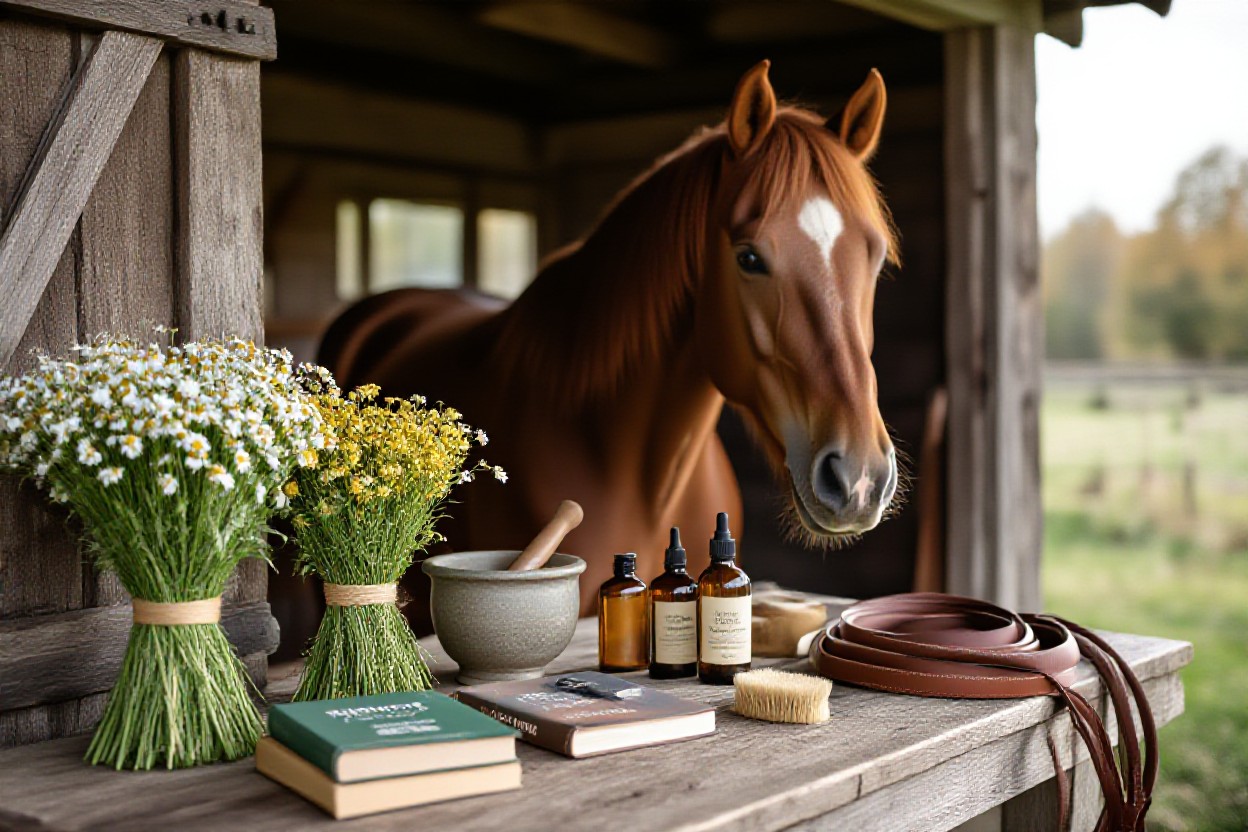
Studies out of the UK show over 70% of horse owners now use some kind of herbal product, yet most label claims are unregulated, so you really have to know what you’re putting in your horse. You’re aiming for herbs that support normal function, not drug-like doses in a pretty bag. Always cross-check with your vet, avoid mixing multiple brands, and track any changes in a simple notebook so you can spot both subtle benefits and early warning signs of trouble.
Safe Herbs You’ll Want to Know About
In practical barn use, herbs like chamomile, hawthorn, milk thistle, and nettle show up again and again because they tend to be gentle, well-tolerated, and easy to source clean. You’ll often use chamomile for tension, hawthorn for basic heart support, and milk thistle for liver load in hard-working horses or those on regular meds. Stick to dried, single-herb products from companies that publish analysis and you’re already ahead of most folks.
Herbs to Avoid – The Dangerous Ones
Poison control data lists plants like ragwort, yew, black walnut, foxglove, and oleander among the top killers for grazing animals, and your horse is no exception. Some “human-safe” herbs are also a bad idea for horses, like comfrey (liver risk), pennyroyal (toxic oils), or too much garlic (can damage red blood cells). If you don’t know the Latin name and toxicity profile, you really shouldn’t be tossing it in the feed bucket.
Veterinary case reports are full of horses with liver failure after chronic access to ragwort-contaminated hay or “natural detox mixes” that quietly included comfrey or kava. You’ll sometimes see sudden heart collapse from yew clippings tossed over a fence, or colic-like signs after black walnut shavings are accidentally used as bedding. Some herbs mess with clotting or the heart rhythm, which turns into a nightmare if your horse needs surgery or sedatives. So you double-check every “mystery blend”, avoid anything not specifically labeled for horses, and keep toxic ornamentals far from your fields, hedges, and muck heaps.
How to Introduce Herbs Safely
Most nutritionists recommend you introduce any new herb over 5-7 days, starting at about 25% of the target dose and building gradually while you watch manure, appetite, and attitude like a hawk. You mix herbs into a familiar feed, change only one thing at a time, and keep photos or notes so you can compare body condition and hooves over a few weeks. If something feels off, you stop first and troubleshoot later.
Good practice looks pretty boring on paper, but it protects your horse. You begin with a single herb, at a low dose, ideally when no other big changes are happening like new hay, travel, or vaccines so you can actually tell what’s doing what. You log heart rate, gut sounds, and any skin or behavior shifts for at least 10-14 days. And if your horse is on meds or has issues like PPID or ulcers, you loop your vet in before you start so herbs support your program instead of quietly wrecking it.
Frequently Asked Questions: Your Burning Questions Answered
When you actually start changing how you feed, shoe, or stable your horse, all the theory in the world suddenly turns into very practical questions. Real life kicks in: soaked hay or not, shoes or barefoot, herbs or conventional meds, what happens if your horse colics at midnight? So let’s unpack the stuff that keeps you awake at 2 a.m. and give you grounded, do-this-now answers you can actually use in your daily routine.
“Can My Horse Thrive on a Natural Diet?”
Most horses do brilliantly on a forage-first, low-sugar diet, as long as you match it to their workload and health status. You’re usually aiming for 1.5-2% of bodyweight in forage per day, split into many small meals, with hard feed kept simple: unmolassed beet, oats or barley, plus a balanced mineral mix tailored to your local hay analysis. Metabolic horses often need soaked hay to cut sugars, while good doers need calorie control, not starvation. Real thriving shows up as better hooves, calmer behavior, stronger topline and steady weight.
“How Do I Transition to Natural Care?”
Switching everything overnight tends to backfire, so you phase changes in over 4-12 weeks, one area at a time. Start with the basics: more turnout, better quality forage, and trimming intervals set at 5-7 weeks if you’re going barefoot. Then tweak minerals, add hoof-friendly movement (track systems, more hacking), and gradually strip out unnecessary rugs, shoes, and chemical fly products. Your horse’s hooves, weight, and stress levels will tell you if you’re going too fast – slow the pace if you see soreness, big mood swings, or sudden weight loss.
With the transition itself, you’ll usually get the best results if you build a simple plan and stick to it for at least one full trim cycle before judging it. For example, you might set weeks 1-3 for diet changes (hay testing, adjusting minerals, cutting high-sugar feeds), weeks 4-6 for hoof changes (shorter trim cycles, backing off shoes where appropriate), then weeks 7-10 for lifestyle tweaks like track systems and more herd turnout. You keep a notebook – or just a scrappy notes app – logging digital pulses, body condition score, manure changes, and energy levels, because tiny shifts in those metrics often show stress before big problems pop up. And you keep your vet and trimmer in the loop so you’re not trying to reinvent the wheel on your own.
“What Should I Do in Emergencies?”
When stuff hits the fan, natural care doesn’t mean “no vet” – it means you’re prepared and you act fast. For colic, you time the start, pull all feed, check gut sounds and digital pulses, then call your vet within 20-30 minutes if your horse is rolling, sweating, or won’t eat. Laminitis signs (hot feet, pottery walk, strong pulses) mean immediate deep bedding, icing the feet if you can, pulling high-sugar feed, and urgent veterinary assessment, not “wait and see”. A good natural first aid kit has saline, bandages, clay or poultice, electrolytes, and your vet’s number taped right on the lid.
For emergencies in a holistic setup, you basically want a two-layer plan: what you do in the first 5 minutes, and what your vet does in the next hour. Your 5-minute list might be: safely catch and confine the horse, check breathing, heart rate and temperature, note injuries, and snap a few clear photos or a short video for your vet. You can absolutely use natural tools like arnica for bruising, clay poultices for minor wounds, or magnesium for tense, cramping muscles, but those are add-ons, not replacements, for proper medical care. And you run drills in your head – or literally walk through them at the yard – so in a real crisis you don’t freeze, you just move down your checklist while the vet is on the road.
FAQ
Q: How do I actually start switching my horse to a more natural, holistic care routine without stressing them out?
A: One client of mine had a gelding who went from stall life, shiny shoes, and commercial feeds to a slow-feed track system, barefoot trim, and herbal support – and at first, the poor guy was totally confused. So the first thing is: go slow. Holistic care isn’t an overnight makeover, it’s a steady shift in how you think about your horse’s daily life.
Begin with the basics: movement, forage, and herd time. Can you give your horse more turnout, even if it’s just adding a few extra hours outside? Can you replace some grain with higher quality hay, maybe introduce a small amount of species-appropriate herbs, or a low-starch ration balancer? Each tiny upgrade adds up.
Then look at their feet, teeth, and bodywork. Talk with a hoof care professional who’s comfortable with barefoot trimming, not just pulling shoes for the sake of it. Book regular dental checks and consider gentle bodywork like massage or myofascial release. And keep a simple log: note energy, mood, manure, coat, hooves. Those little notes will quietly tell you what’s working and what isn’t.
Q: What does a natural, horse-friendly diet actually look like compared to the usual grain-and-supplement routine?
A: A mare I worked with used to get three different commercial feeds, molasses treats, and random supplements piled on “just in case” – and she was still girthy, cranky, and a bit footsore. Once we simplified her diet to mostly forage with a targeted mineral balance, she relaxed, her topline filled in, and her feet toughened up. Simpler really can be better.
In a natural care setup, forage is the foundation. That means free-choice or frequent small portions of clean grass hay appropriate for your horse’s metabolic needs, plus access to plain salt and fresh water. Grain, if used at all, is usually kept minimal, and a lot of people switch to beet pulp, hay pellets, or a low-NSC balancer instead of heavy, sugary mixes.
Then you fine-tune. Get a hay analysis if you can and balance minerals (like copper, zinc, and selenium) based on that, not on guesswork. Herbs can play a role too – things like chamomile, nettle, rosehips – but they should support an already solid diet, not cover up poor forage or management. When in doubt, strip it back, watch your horse, and add only what you can clearly justify.
Q: How do I blend natural remedies (herbs, necessary oils, clay, etc.) with regular veterinary care without causing problems?
A: A gelding in our barn had recurring skin crud that kept coming back every season. His owner tried every cream in the tack room, then swung hard to the other side and wanted to ditch the vet completely and go “all natural.” What finally worked was a combo: a clear veterinary diagnosis, plus gentle natural support to help his skin and immune system calm down.
The key is partnership, not replacement. Your vet should stay in the loop, especially if your horse is on meds or has chronic issues. Before you toss in herbs, necessary oils, or clay poultices, check for interactions with existing treatments and share product info with your vet or an equine herbalist who actually knows their stuff. Natural doesn’t automatically mean safe at any dose or in any combo.
Use natural tools where they shine: supporting digestion, hooves, skin, mild tension, or recovery from everyday work. Keep them out of the way of emergencies, serious infections, or intense pain – those are vet territory, full stop. Good holistic care is really about stacking the deck in your horse’s favor with thoughtful daily choices, while still using modern medicine when you genuinely need it.