What’s the Scoop on Bird Anxiety?
Most people think an anxious bird is just “being moody”, but your parrot or cockatiel is actually reacting to stuff in their world that feels unsafe or unpredictable. You’re seeing anxiety when your bird startles at every shadow, clings to one perch, screams if you leave the room, or refuses to sleep after a night fright. Over time, that steady drip of stress keeps their body stuck in survival mode, which is why it shows up as plucking, biting, or those long, eerie nighttime panics.
The Lowdown on What Makes Birds Anxious
It’s easy to blame your bird’s nerves on “bad behavior”, but most anxious birds are just overwhelmed by things you barely notice. Sudden TV flashes, a ceiling fan, barking dogs, kids rushing past the cage, even a new lampshade can trigger constant hypervigilance. Prey animals like parrots and cockatiels are wired to scan for danger 24/7, so chaotic routines, poor sleep, bright lights at night, or an unpredictable human schedule can turn their everyday life into a low-grade panic zone.
How Anxiety Affects Your Feathered Friend’s Health
It might seem like “just stress”, but chronic anxiety quietly chips away at your bird’s health in ways you really don’t want. You’ll often see feather destructive behavior, weight loss, weak immunity, and more night frights once their system is flooded with stress hormones all the time.
In practical terms, an anxious cockatiel that startles at 2 a.m. is burning through precious energy that should go to tissue repair, digestion, and feather growth. Veterinarians regularly link long term stress in parrots to enlarged adrenal glands, recurring infections, and even shortened lifespans in the 10-15% range. You might notice softer droppings, fewer vocalizations, or a bird that sleeps more but never seems rested. Those little shifts are your early warning signs that anxiety is no longer “just in their head” – it’s in their whole body now.
Why You Should Care About Bird Stress
It’s tempting to shrug off bird stress as “normal parrot drama”, but that mindset is exactly how minor anxiety turns into serious health problems and broken trust. Stress shapes the entire way your bird views you, your home, and bedtime.
When you pay attention to stress, you’re not just preventing vet bills, you’re protecting your bond. A bird that feels safe at night, that doesn’t fly blindly into walls during night fright episodes, will choose to interact with you more, learn faster, and show those relaxed behaviors you actually want. Long term, caretakers who actively manage light, noise, and routine see fewer bites, less screaming, and far fewer emergency vet visits for crash injuries. So caring about stress isn’t overreacting at all – it’s you setting the foundation for a stable, confident little flockmate.
The Real Deal About Night Frights
In a lot of bird groups lately, you see the same thing popping up: owners waking up at 2 a.m. to a cyclone of feathers and panic. Night frights aren’t your bird being “dramatic”, they’re a full-on survival response, especially in parrots and cockatiels that already lean anxious. When your bird blasts off the perch in the dark, crashes into bars, or screams like the house is on fire, that’s night fright territory – and it can turn serious, fast, if you don’t get a handle on it.
What Happens During a Night Fright?
During a night fright, your bird basically flips into full emergency mode in under a second. You might hear wings slamming, frantic flapping, perches clattering, maybe even a sickening thud as they hit the bars or toys. Some birds freeze and pant, others ricochet around the cage so hard they rip feathers or crack blood feathers. Heart rate spikes, breathing goes rapid, pupils blow wide – it’s your bird’s body screaming “predator!” even if it was just a shadow or tiny noise.
Common Triggers That Scare the Bejeezus Outta Birds
Most of the time, it’s not something dramatic, it’s tiny stuff that sets them off: headlights flashing on the wall, a phone lighting up, AC kicking on at 3 a.m.. Ceiling fans, passing cars, a dog barking downstairs, even a neighbor’s door slamming can do it. For cockatiels and budgies, that sudden shift from quiet to weird sound is enough to make them launch themselves across the cage like they’re escaping a hawk in the wild.
Think about your own place at night for a second – fridge hum changes, boiler clicks, someone scrolls TikTok in bed and that blue light hits the wall, right? Every one of those tiny shifts can read as “danger” to a prey animal who’s wired to survive, not relax. Birds like African greys or conures that already lean on the sensitive side are even more likely to react. Once a specific noise or light has scared your bird once, their brain starts tagging it as a threat, so the next time they hear it at 1:14 a.m., they might launch before they even fully wake up.
Why It’s Not Just a One-Off Thing
After the first big night fright, your bird’s nervous system doesn’t just shrug and move on, it starts anticipating danger every single night. That means they go to sleep a little more wired, a little less relaxed, so the bar for “panic now” gets lower each time. Over weeks, you can see clinginess, plucking, and daytime skittishness creep in. One bad episode can snowball into a pattern where your bird’s body expects chaos whenever the lights go out.
What makes this really sneaky is that you might only see the big, obvious blowups, but your bird’s brain is keeping score on the tiny ones too. Micro-frights where they jolt, fluff hard, or freeze on the perch still flood their system with stress hormones. Stack that up 3 or 4 times a week for a month and you’ve got a bird who’s jumpy, tired, and more likely to scream or bite during the day. Night fright isn’t just a single event, it’s a feedback loop that quietly trains your bird to live on edge, unless you step in and change the environment and routine.
Let’s Chat About Common Triggers
In a lot of recent vet reports, the same triggers keep popping up: noise spikes, weird lighting, and sudden changes. Your bird isn’t being “dramatic” – its brain is wired to treat surprises like predators. A dropped pan, a moving ceiling fan shadow, or you working late 3 nights in a row can be enough to spark night fright, plucking, or nonstop calling. Once you spot these patterns, you can tweak the environment so your flock feels like the world is predictable again.
Loud Noises: Are You Sure That’s Not a Monster?
New studies on parrot startle responses show that short, sharp noises cause the biggest panic spikes. Your cockatiel doesn’t know the difference between a slamming door, a fireworks boom, or a hawk crashing through leaves. Sudden TV volume jumps, garbage trucks at 5 a.m., kids yelling in the hallway – all of that can trigger that wings-flapping-in-the-dark chaos you see at night. The goal is to smooth out those “sound jump scares” as much as you realistically can.
Shadows: The Sneaky Ghosts of the Bird World
More owners are noticing their birds freaking out over shifting shadows at night, especially cockatiels and quakers. A car going past, a curtain moving with the AC, ceiling fan shadows, even your own silhouette on the wall can feel like a predator swooping in. Because birds rely on fast visual processing to survive, their brain screams “danger” before they can work out what it actually is. Soft, steady night lighting helps those ghost-shadows lose their power.
Think about how often the light changes in your bird’s room without you realizing it. Streetlights flicker, a phone screen lights up your face, headlights sweep across the ceiling, and suddenly that sweet African grey is climbing the bars in sheer panic. You can experiment a bit: turn off the ceiling fan at night, close one specific curtain, or move the cage a meter to the side and see if the night frights stop. If you use a night light, pick a dim, warm, non-flickering bulb and keep it in the same place so those shadows stay predictable instead of jumping all over the walls.
Changes in Routine: Why Birds Like Things Just So
Behavior research on parrots keeps confirming what you already suspect: they’re total routine junkies. Feeding 2 hours late, covering the cage at a different time, or suddenly moving the cage across the room can spike cortisol and show up as biting, screaming, or night fright. Even small shifts, like you working a new shift pattern or binge-watching shows in the room at midnight, can throw your bird’s internal clock off. Consistency is your anxious bird’s best friend.
Think about your own week – on days your schedule goes off the rails, you feel it, right? Your bird feels it times ten. Their body expects light, food, social time, and sleep in a pretty narrow window, especially cockatiels and conures that get cranky when they’re overtired. You don’t have to be perfect, but try to keep the “big rocks” steady: cover time, uncover time, main feeding, and interaction chunks. If you must change something, shift it slowly, like 10-15 minutes every few days, so your bird’s brain can adjust without flipping into full-on anxiety mode.
Creating a Cozy Cage Environment
You know that moment your bird finally fluffs up, closes one eye, and actually relaxes? That doesn’t happen by accident. A cozy cage setup tells your bird “you’re safe, you can switch off now”. You want stable perches at sleep height, no swinging toys banging into them at night, and a quiet corner where drafts, barking dogs, and slamming doors don’t keep them on edge. When the cage feels like a predictable little nest, night fright and panic bursts usually drop fast.
The Right Spot: Where’s Your Bird’s Happy Place?
Picture your bird perched tight, scanning every tiny movement in the room because the cage is parked in a noisy hallway – no wonder they’re jumpy. You want the cage against a solid wall, at about your chest or eye level, so your bird isn’t forced to look down or feel exposed from all sides. Avoid kitchens, blasting TVs, and constant foot traffic. A quiet corner of the living room or office often works best, where your bird can see you but still has a safe “back” to retreat to.
Covering That Cage: Is It Really That Important?
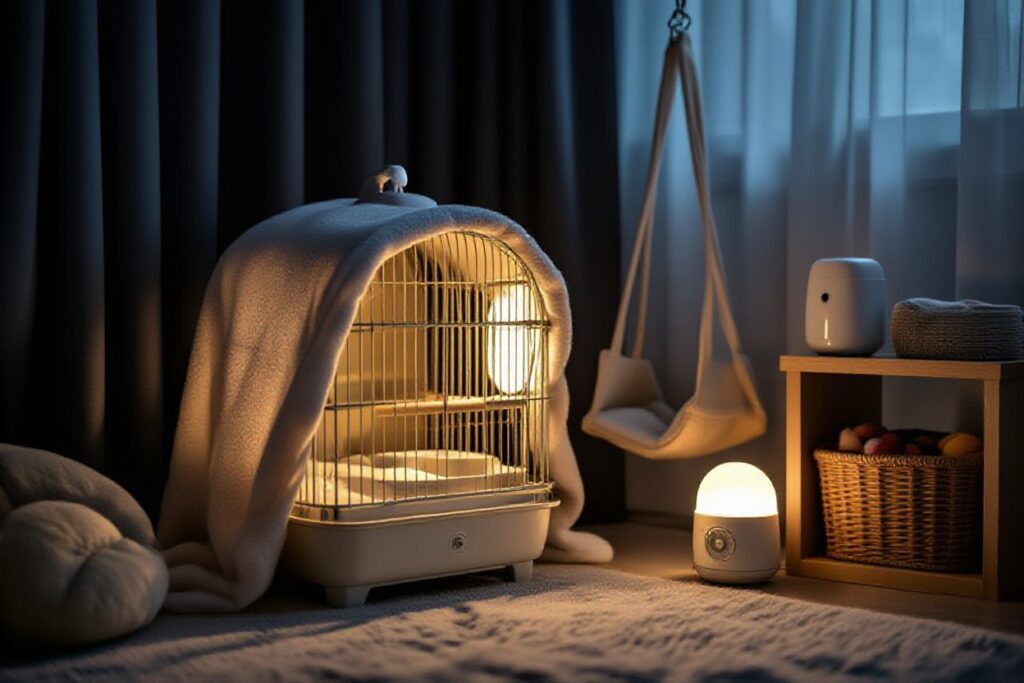
Night hits, a car horn blares outside, and your cockatiel rockets around the cage in full panic – that’s where a proper cover can save the day. A light, breathable cover blocks random shadows, passing headlights, and household movement that trigger classic night fright episodes. You don’t want it airtight or heavy, just enough to create a darker “tent” feeling, leaving a small gap for airflow and a bit of ambient light if your bird seems nervous in full darkness.
Some birds calm instantly with a cover, others need a slow introduction, so you test it like you would with a sensitive kid and a nightlight. Start by partially covering the cage during naps or early evenings, watch their body language, and only move to full coverage if they stay relaxed – fluffed feathers, grinding beak, one-foot perch. If your bird has a history of bolting in the dark, a cover plus a very dim night light often becomes a game changer, because it cuts harsh visual triggers while still letting them orient themselves if they’re spooked.
Lighting It Right: How To Keep It Chill
Sudden lights on, sudden lights off – that stuff makes anxious birds lose it. You want a calm, predictable light routine that mimics sunrise and sunset as much as possible, using soft lamps or dimmable bulbs instead of one brutal overhead light. Avoid bright TV flashes right by the cage at night. Many parrots and cockatiels relax more when you use a dim night light, as it helps prevent sharp shadow jumps that can spark night fright during random noises or storms.
Because birds have insanely sensitive eyes, those harsh LED flickers and super bright bulbs can feel like a constant low-level strobe to them, especially at night. So you aim for 10-12 hours of consistent darkness or low light for sleep, then steady, indirect daylight or a proper full spectrum bird-safe light during the day. If your bird startles when lights snap off, try a 15-30 minute “wind down” every night, where you gradually dim things or switch to a single lamp before bed, and you’ll usually see their nighttime anxiety drop way down.
Night Fright Prevention Strategies You Need to Try
Instead of waiting for the next panic-flap at 2 a.m., you can stack a few simple habits that dramatically cut night fright in pet birds. Think soft background noise, predictable lights out, and removing shadowy “monster” shapes that freak your bird out. Many owners see episodes drop from weekly to almost never just by tweaking the room setup and bedtime routine so your bird actually knows what to expect when the lights go off.
Do Night Lights Actually Help? Let’s Find Out
Some birds crash out fine in pitch black, but others do way better with a tiny, constant night light that stops every shadow from turning into a predator. You want something super dim, around 4-7 watts, placed so it doesn’t shine directly into the cage. A warm, steady glow (not a flickery LED) can cut startle reactions in cockatiels and small parrots, especially in busy homes where someone gets up at night.
Where Should You Place the Cage? Let Me Break It Down
Cage placement can make or break your bird’s nighttime confidence, no joke. You want the cage against a solid wall, away from windows and drafty doors, so nothing suddenly moves behind your bird. Try to keep them out of the main traffic path at night but still close enough that they can hear you breathing, talking softly, or moving around – that quiet background “flock noise” helps a ton with anxiety.
Think of it like this: your bird wants a bedroom, not a hallway. If the cage faces a window, passing cars, streetlights, or swaying trees can trigger night fright because those shifting shapes hit their predator alarm system. Placing the back of the cage flat against a wall gives a clear “safe side” so your bird only has to watch one main direction. In multi-bird homes, avoid stacking cages too close vertically, or a startled bird on top can spook the one below, turning one jump scare into a full-on flock meltdown.
Security Toys: Seriously, Do They Work?
Just like some kids have a favorite stuffed animal, a lot of birds cling to one “security object” that keeps them calmer at night. Soft fleece snuggle toys, simple rope perches, or a small tent in species that tolerate them can lower reactivity when lights go off. The key is zero dangling parts, no loose threads, and regular checks, because safety always beats comfort if you have to choose between the two.
What usually surprises people is how specific birds get about these comfort items. A cockatiel might ignore five toys but sleep glued to one plain wooden perch that faces the wall, while a green cheek conure settles instantly if it has a flat platform and a single soft toy nearby, not crowded right in its face. You’ll want to test new security toys in daylight first, watch for chewing patterns, and remove anything that frays fast or traps toes. When you land on the right combo though, you’ll see it – wings tucked, eyes half-closed, and that slow, relaxed grinding beak sound that tells you your bird finally feels safe.
Daily Routines That Keep Stress at Bay
Lately, more bird owners are tracking their parrots’ stress like sleep and noise levels, and the pattern is super clear: steady daily routines cut anxiety fast. When your bird can predict light-off time, feeding, showers, and quiet hours, you see fewer night frights, fewer sudden screams, and way less pacing. Even simple stuff like feeding at 8 am and covering at 9 pm every day gives your cockatiel or conure a mental roadmap, so their little brain isn’t on constant alert waiting for the next surprise.
Setting Up a Predictable Schedule: Birds Love a Good Routine
In real-life homes, the birds that cope best with fireworks, guests, or new furniture are usually the ones with a tight daily rhythm. You can anchor your bird’s day around 3 main events: wake/light-on, main meals, and bedtime cover-up, then keep those times within a 15 to 30 minute window. Add regular “quiet blocks” after lunch and before lights-out so your bird’s nervous system actually gets to reset instead of running hot all day.
Foraging Activities: The Fun Way to Reduce Anxiety
More avian vets are recommending foraging toys now because bored birds are usually the ones plucking, screaming, or freaking out at night shadows. When you make your bird work a little for at least 50 to 70 percent of their daily pellets using simple DIY foraging (paper cups, cardboard boxes, muffin trays), you burn nervous energy and give their brain a job. A busy, foraging bird is way less likely to obsess over every tiny noise in the dark.
With foraging, you don’t need fancy $40 toys, you just need variety and a bit of creativity. Hide small pellet portions in paper balls, poke holes in a cardboard cup so your bird can shred to get treats, or use a clean egg carton with different textures inside. Rotate setups every couple of days so your bird keeps problem-solving rather than memorizing the puzzle, because the mental work is what actually drains that anxious energy. If you’ve got a very jumpy cockatiel, start super easy – treats half-exposed – then slowly make it harder as their confidence grows.
Timing Your Interactions: When’s Best to Hang Out?
Daily patterns from hundreds of pet homes show that birds handle stress better when intense play happens at the right times, not randomly whenever we feel like it. Aim for your longest interaction block in the morning when your bird is wired to be most active, then a shorter hangout late afternoon, and keep the hour before lights-out calm and predictable. High-energy wrestling or loud music right before bed is basically an invitation for night fright in already anxious birds.
When you sync your attention with your bird’s natural rhythm, you cut a lot of friction that looks like “behavior problems”. Use mornings for training, flying, and noisy toys, because their hormones and energy are built for movement then. Late afternoon can be softer stuff – gentle talking, preening time, maybe soft foraging or target training. And that last pre-bed window should feel like a cool-down lap: dim lights, quiet voice, no surprises, so your bird walks into sleep with a settled nervous system instead of a racing one.
What To Do When Anxiety Hits Hard
Sometimes bird anxiety hits like a light switch – one second your cockatiel is fine, the next it’s flapping, screaming, or crashing in the dark. In that moment, your job is to keep things simple: protect your bird from injury, calm the room fast, and lower your own energy so you’re not adding fuel to the fire. Short, steady actions beat frantic fussing every single time.
Calming Techniques That Actually Work
Instead of trying ten things at once, stick to a few that reliably work: dim the lights, speak softly, move slowly. Many parrots settle if you hum the same tune every time or use a consistent “you’re safe” phrase, almost like a verbal anchor. Some birds respond well to gentle cage-covering that leaves a small front gap, so they feel tucked in but not trapped, which really helps with night fright.
Emergency Protocols: What Should You Do Right Away?
When your bird panics hard, your first move is safety: lights on, room quiet, no sudden grabbing. If your bird is flighted and loose, calmly close doors and curtains so they can’t hit glass or escape. Once things stop spiraling, check for blood, broken feathers, or weird wing angles, then stabilize the environment – same cage, same perch, same layout – so their brain can predict what’s around them.
In a typical night fright episode with cockatiels or budgies, the worst injuries happen in the first 10 to 20 seconds when they slam into bars or toys, so if you can flick on a soft lamp fast, you instantly cut impact speed. Step in close but not “on top” of them, talk low, and let them grip a steady perch before you try any handling. If you see heavy breathing with tail bobbing, wings slightly drooped, or repeated attempts to bolt again, that’s your sign to stop any extra fuss, darken everything except one calm light, and let their heart rate come down for at least 10 to 15 minutes before you tweak anything else in the cage.
When to Seek Help from the Pros
Once anxiety starts showing up more nights than not, or you’re seeing self-plucking, repeated night frights, or sudden aggression, it’s time to pull in backup from a certified avian vet or behaviorist. If you notice weight loss over a week, wet droppings, or a bird that’s suddenly quiet and withdrawn, that’s not “just stress” – that’s a red flag that needs professional eyes, not more DIY fixes.
For context, avian vets report that a lot of so-called “behavior problems” in parrots and cockatiels turn out to be linked to pain, infections, or low-level chronic illness that owners don’t spot early, so booking a full workup once anxiety ramps up isn’t overkill, it’s smart. You’ll want a vet who sees birds daily, not once a month, and if possible an avian behavior consultant who can review video of your setup, your lighting schedule, and your interactions. That combo – medical check plus behavior plan – usually cuts severe anxiety episodes dramatically within 4 to 8 weeks if you follow it closely.
Long-Term Behavior Fixes You Should Consider
Long-term change with anxious birds isn’t about one magic trick, it’s about stacking lots of tiny wins. You start pairing scary stuff with predictable routines, safe sleep setups, and gentle training, then keep doing it for weeks, not days. Many parrots in behavior studies only showed solid improvement after 4 to 8 weeks of consistent work, so you’re playing the long game here. When you zoom out and think in months instead of moments, night frights and panic flights slowly lose their grip.
Desensitization: Can You Really Train a Fearful Bird?
Desensitization sounds fancy, but it’s basically “scary thing, tiny dose, paired with good stuff”. You might start your cockatiel 10 feet from the vacuum, run it for 5 seconds, then feed a favorite treat, gradually closing that distance over a few weeks. Studies on parrots show short, frequent exposures work better than rare, intense ones. If your bird’s pupils are pinning, feathers tight, or it stops eating, you’ve pushed too far – just dial it back a step and try again tomorrow.
Positive Reinforcement: Making Good Behavior Pay Off
Calm birds don’t just happen, you pay them for being calm with stuff they’d climb a mountain for. When you catch your parrot staying relaxed during a noise spike or new object, you immediately mark that moment and deliver a high-value treat or favorite head scratch. Over time, your bird learns that chill behavior around old triggers reliably “prints money” in the form of rewards, so it starts choosing that instead of panic.
Real progress comes when you get super picky about what you pay for. You reinforce tiny signals – slightly fluffed feathers instead of slicked down, soft eye blinks instead of a wild stare, a bird that pauses instead of bolting off the perch. Many behaviorists working with anxious cockatiels and ringnecks use a clicker or a short marker word like “yes” to nail the exact second of brave, non-freak-out behavior, then follow with a seed, millet spray, or a 10-second toy session. And you want way more rewards for calm than corrections for panic, like a 10-to-1 ratio, so your bird starts thinking “being brave really pays the bills around here”.
Progress Tracking: How to See if You’re Winning
Progress with bird anxiety is sneaky, so you track it like a science project. You jot down how often night fright hits, how long it lasts, and what triggered it, then compare week to week. When you see panics drop from 3 a week to 1, or recovery time shrink from 10 minutes of chaos to 2 minutes of mild flapping, that’s real movement. Those numbers keep you from quitting right before things really start to turn.
One of the best hacks is a super simple log on your phone: date, trigger, reaction (1 to 5), and recovery time. Over a month or two, patterns pop out – maybe your conure freaks out most on laundry days or only after bedtime routines get pushed past 10 p.m. A lot of owners who start tracking like this realize that sleep quality and trigger timing predict meltdowns more than anything else. And once you see a pattern, you can change it instead of guessing in the dark.
My Take on Common Myths About Birds and Anxiety
Some of the most persistent myths about bird anxiety sound comforting, but they quietly keep your parrot or cockatiel stuck in a cycle of stress. When you hear things like “they’re just being dramatic” or “it’s only a phase”, you risk missing early warning signs like plucking, night fright, or chronic screaming. Challenging these myths is usually the moment real progress starts, because you finally treat anxiety as something you can actively reduce, not just something your bird has to live with.
“Birds Don’t Feel Stress Like Other Pets”: Not True!
This idea falls apart the second you watch a cockatiel freeze, pupils pin, and wings tremble during a night fright. Birds have highly developed nervous systems and their stress hormones (like corticosterone) spike just like cortisol does in dogs and humans. You see it in the obsessively chewed feathers, the nonstop pacing on a perch, the bird that suddenly bites hard only when a certain sound plays. They absolutely feel stress – they just show it differently, and often more subtly, than a dog hiding under the bed.
“It’s Just a Phase”: When to Take It Seriously
New anxious habits that last longer than 1-2 weeks, like nightly thrashing, sudden phobias of shadows, or repeated panic flights, usually aren’t just a phase. Any change tied to weight loss, plucking, self-injury, or refusal to eat needs a vet or behavior consult fast. Short-term nerves during a move or new cage can be normal, but if your bird keeps escalating instead of gradually calming, that’s your sign to dig deeper and not wait it out.
One of the biggest red flags is when anxiety starts spreading into more parts of your bird’s day. Maybe at first your cockatiel only freaks out at 2 a.m., then a week later he startles at every footprint in the hallway, then by week three he won’t step up for you – that’s a pattern, not a phase. Add in physical changes like stress bars on feathers, more frequent falls at night, or a 5-10% drop in body weight and you have a genuine health risk on your hands. When anxiety sticks around or keeps stacking new behaviors on top, you treat it like smoke from a fire and go looking for the source.
“My Bird Just Needs More Space”: Does it Work?
Bigger cages are awesome, but more square inches alone rarely fix anxiety or night fright. You can put a terrified cockatiel in a 6-foot aviary and he’ll still bolt into the bars if the lighting, shadows, and sounds feel unsafe. What usually helps more is “psychological space” – predictable routines, safe perches near walls, soft night lights, and escape spots like high, partially covered perches. Space helps only when it’s paired with security, not when it’s just empty room to panic in.
When people tell me “I upgraded to a huge cage but my bird’s still freaking out at night”, the first thing I ask about isn’t dimensions, it’s layout. Is there a stable corner perch against a wall so your bird doesn’t feel exposed on all sides? Are the toys towering over their head, casting creepy moving shadows at 1 a.m.? Did you suddenly move the cage across the room so the whole light pattern and traffic flow changed overnight? Sometimes smaller, well-arranged spaces with a night light and a consistent bedtime routine calm a bird more than a massive, echoey cage. It’s not just more space, it’s safer space that actually dials the anxiety down.
Pros and Cons of Cage Covers
You quickly find out that cage covers can either calm your bird or wind them up more, especially with night fright and anxiety in the mix. Some parrots sleep like rocks once it’s darker and quieter, others panic the second the cover moves or a shadow crosses it. So it helps to see what actually works in your situation instead of treating a cover like a magic fix-all.
| Pros | Cons |
|---|---|
| Can reduce night fright by blocking sudden flashes of light. | May trap stale air if ventilation is poor or fabric is too thick. |
| Helps create a predictable sleep routine for anxious birds. | Some birds develop cover dependency and panic if it’s missing. |
| Softens outside noises that can trigger startle responses. | Can hide early signs of night terrors from your view. |
| Blocks stimulating activity so your bird winds down more easily. | Chewing the fabric can lead to impaction or crop issues. |
| Gives shy birds a safe-feeling “nest-like” space. | Overuse may worsen territorial aggression around bedtime. |
| Helps keep a stable light schedule in busy homes. | If used too early, can reduce daylight exposure and mood. |
| Useful for travel or vet visits to lower visible stressors. | Improper fit can snag on toys or claws. |
| Can protect from drafts in older houses or near windows. | Can hide unsafe cage setups you might otherwise spot at night. |
| Makes it easier for you to signal “quiet time” consistently. | Some birds escalate screaming or pacing when covered. |
| Lets light-sensitive birds settle in multi-pet households. | Wrong fabric or color may actually increase anxiety. |
Benefits of Covering the Cage: Do They Make a Difference?
When you use a cover the right way, your bird gets a clearer message that it’s sleep time, which really helps with night fright and late-night pacing. You cut down on headlights, hallway flicks, TV glare – all the stuff that can make a cockatiel explode off the perch at 2 a.m. Over a few weeks, a consistent cover routine can lower baseline anxiety and help your bird fall into deeper, more restful sleep.
Downsides of Cage Covers: What You Should Know
Some birds actually get more agitated when you throw a cover on, especially rescues who had it used as punishment or birds who already panic in tight or dark spaces. If you cover too early in the evening, you can accidentally shorten their day and mess with their hormones and mood. There are also safety issues, like threads caught on toes or beaks, or birds chewing fabric and swallowing fibers during a stress episode.
In a lot of cases, the biggest issue is that you might use a cover to “quiet” a bird that’s screaming from boredom or anxiety instead of fixing the real problem. A nervous cockatiel that startles at every tiny noise might flip out even harder when it can’t see where sounds are coming from under a heavy black blanket. You also risk overheating if you fully wrap a cage in a warm room, especially with larger parrots that already run hot. So you want to watch your bird closely for signs like panting, frantic climbing, sudden silence or fluffed, wide-eyed freezing after you cover – those are all red flags the setup is making things worse, not better.
Tips for Choosing the Right Cover for Your Bird
When you’re picking a cover, you want something breathable, safe to chew a little, and not scary-looking in low light. Light-colored cotton or fleece usually works better than heavy dark blankets that turn the cage into a cave. Aim for a fit that covers 3 sides and the top, so you keep it cozy but still let in just enough light and air to avoid adding extra stress.
- Breathable fabric that allows steady airflow and avoids overheating.
- Light colors like beige or gray that look softer at night than black.
- Partial coverage on one side so your bird isn’t in pitch-dark isolation.
- Safe sizing that doesn’t hang into the cage or catch on toys.
- Washable material so dander and dust don’t build up and irritate lungs.
Any cover you buy should survive regular washing, feel soft when you rub it between your fingers, and not shed lint or loose threads near curious beaks.
- Test different setups by covering only part of the cage at first and watching behavior.
- Pair the cover with a calming routine like dimming lights and lowering noise.
- Avoid plastic tarps or waterproof fabrics that trap humidity overnight.
- Adjust seasonally so your bird doesn’t overheat in summer or shiver in winter.
- Observe closely for 5-10 nights to see if night fright and anxiety truly improve.
Any time you change covers or routines, go slow, talk to your bird while you do it, and treat it like just another normal, boring part of bedtime so their brain files it under “safe.”
Getting to Know Your Bird’s Signals
Like learning a friend’s quirks, once you dial in your bird’s signals, sudden night fright and daytime anxiety stop feeling so random. You start spotting the tiny changes – a tighter grip on the perch, slightly pinned eyes, a half-fluffed body – long before screaming or crashing in the dark kicks off. That awareness lets you tweak light, noise, and handling in real time, so your bird feels safe instead of stuck in fight-or-flight.
How to Read Body Language: What’s That Wing Position Mean?
Wing positions tell you way more than you’d think at first glance. Slightly drooped wings with relaxed feathers usually mean your bird’s comfy, while wings held tight and rigid can signal fear or pain. Quick wing flicks may show irritation, and “airplane wings” in cockatiels often pop up right before a night fright burst. When you match those wings with pupiled eyes and tail position, patterns jump out fast.
Understanding Vocalizations: Honest, They’re Talking
Different from random background noise, your bird’s soundscape is basically a mood diary on repeat. Soft contact calls say “where are you?”, while sharp, repeated screams often point to anxiety, boredom, or panic. Night-time shrieks that come out of nowhere can be classic night fright in pet birds, especially cockatiels and conures. When you track sounds with time of day and triggers, you start decoding the whole emotional script.
Think about that 11 pm blood-curdling scream your cockatiel throws out of the blue – that’s not “being dramatic”, that’s a survival alarm going off. Many parrots have 4 to 6 core call types, and each one shows up in a pattern: rising-pitch squeals when a shadow passes, harsh squawks when a ceiling fan starts, frantic chains of calls if the room suddenly goes dark. If you literally jot down “high-pitched squeal when hallway light flips off” for a week, you’ll see how often those sounds are tied to light changes, sudden movement, or being left alone, which are the same triggers feeding long term anxiety.
Signs of Stress: What Should You Be Watching For?
Stress rarely starts with feather plucking right away, it starts subtle. You might catch rapid tail bobbing, tight feathering, pacing, or sudden silence from a usually chatty bird. Some parrots grind their beak to self-soothe, others freeze on the perch and track every shadow like a hawk. If these ramp up in the evening, especially right before lights out, you’re staring straight at the early warning signs of night fright.
Stress in birds is sneaky, it creeps in as “quirks” long before it turns into screaming, biting, or self-mutilation. A cockatiel that used to nap on one foot but now stands flat-footed and stiff for hours, a budgie that keeps yawning and stretching its neck, a conure that suddenly starts chewing bars whenever the TV volume spikes – all of that is data. Those tiny changes in posture, breath, appetite, droppings, and sleep are basically your dashboard lights telling you something in the environment, even if it’s “just” a shadow or noise at night, is pushing your bird into a constant low-level stress state.
The Importance of Socialization
You know that weird shift when the house goes quiet, and your bird suddenly clings to the side of the cage, eyes wide, breathing faster? A lot of that fear is tied to how safe they feel around others. Well-socialized birds usually have fewer night frights, less screaming, and lower stress hormones, because they trust their flock – you, your family, and even other birds – to keep them safe when something spooks them.
Is Your Bird Lonely? Here’s Why That’s Not Good
When your bird starts pacing the perch, screaming for you the moment you leave, or plucking feathers, loneliness is often sitting in the background pulling the strings. In the wild, parrots spend 10-14 hours a day around their flock, so long stretches alone are basically sensory torture. Chronic isolation ramps up anxiety, weakens immunity, and makes night fright more likely because a lonely bird always feels like the “only one on watch” when the lights go out.
Socializing 101: How to Mix and Mingle Safely
Socializing your bird safely means going slow, reading body language, and not tossing them into situations they’re not ready for. Start with short, positive sessions around new people or birds, watch for fluffed neck feathers, pinned eyes, or rapid breathing, and end on a calm note. You’re basically teaching your bird that new faces and sounds don’t equal danger, which massively lowers their day and night anxiety.
Think of socializing like building a bridge instead of shoving your bird into the deep end and hoping for the best. You might start by just having your bird in their cage while a new person sits across the room, talks softly, and offers a favorite treat through the bars. Then you shorten the distance over days, maybe let that person offer a perch or teach a simple cue, all while you watch for early stress signs like tight feathers, leaning away, or frozen posture. With other birds, you keep it even more controlled: separate cages at first, neutral territory only, no shared perches until both birds are relaxed, preening, and eating normally. Slow, predictable exposure reduces anxiety and stops social time from turning into another thing your bird fears.
Bonding Activities: Fun Ways to Connect With Your Bird
Bonding with your bird doesn’t have to be some huge, complicated training session – it can be 10-minute pockets spread through your day. Shared routines like target training, foraging games, and soft talking in the evening make your bird feel like they actually belong in your flock. That sense of security is what cuts down night fright, panic flying, and constant calling, because your bird knows you’re part of their safety net.
Short, focused activities work best, especially for anxious birds. You might do 5 minutes of target training before breakfast, hiding tiny treats in paper cups or muffin liners so your bird has to hunt a bit, which burns mental energy and lowers stress hormones. Later, you can add gentle head scratches (only if your bird clearly leans in), reading out loud next to the cage, or a “perch walk” around the room so they learn the layout and don’t freak when shadows shift at night. Rotate games – simple recall, step-up practice, or shredding safe paper toys together – so your bird doesn’t get bored. Consistent, calm interaction tells your bird: you’re safe, you’re seen, and you’re not alone, and that message sticks when the lights go off and the scary noises start.
The Connection Between Diet and Anxiety
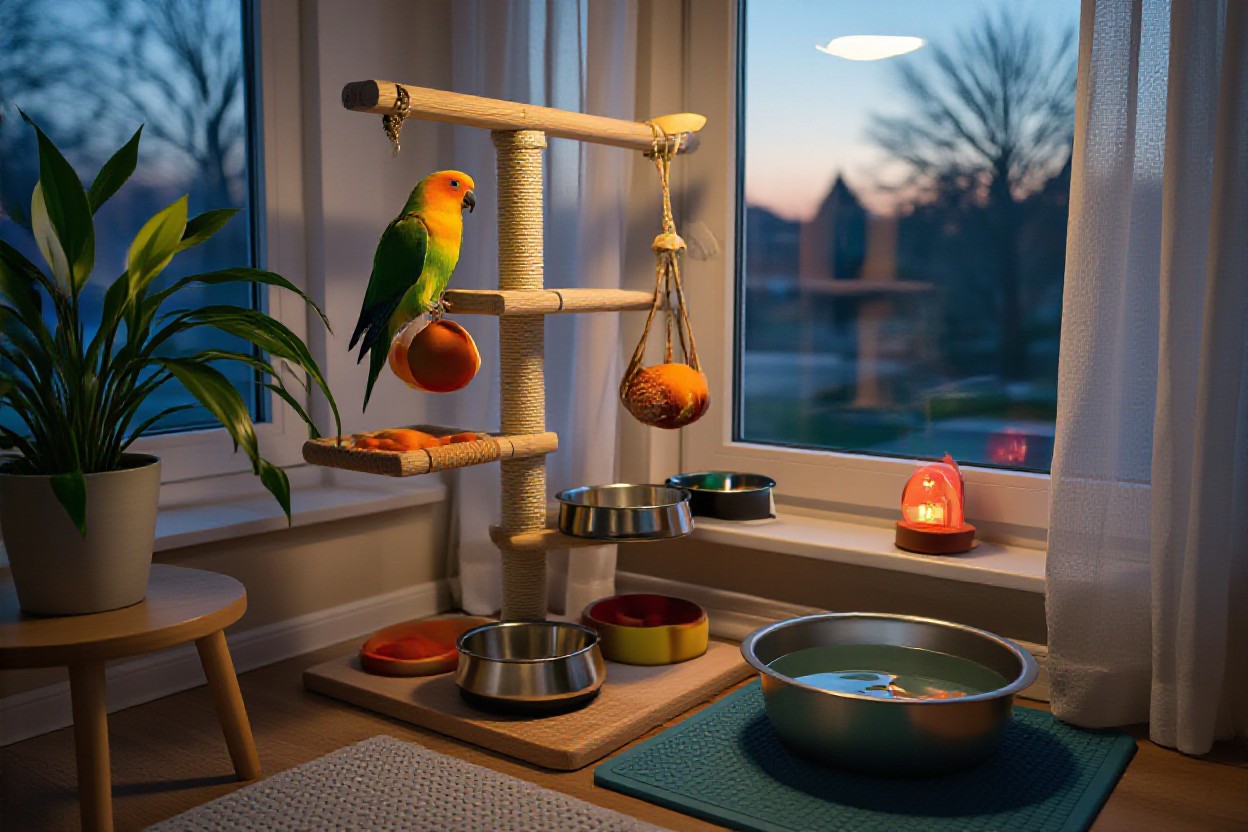
Your bird’s nervous system runs on what you put in the food bowl, so a seed-heavy, sugary, or colored diet can quietly crank up anxiety and even trigger more night fright episodes. When you shift to a balanced mix of pellets, fresh veggies, low-sugar fruits, and proper calcium, you give the brain the raw materials it needs to stay steady, not jumpy. You might literally see fewer frantic flutters and mid-night panics just by adjusting what your bird’s eating every single day.
What Your Bird Eats: Is It Making Them Anxious?
High-fat seed mixes, artificial dyes, and constant sunflower or millet snacks can act like junk food for your bird’s brain, leaving them wired, hormonal, and way more reactive to shadows at night. You want a base of quality pellets (about 60-70%), then dark leafy greens, carrots, peppers, and just a bit of fruit, because stable blood sugar often means more stable behavior. If your cockatiel or conure seems buzzy and on edge, diet is one of the first places you should investigate.
Treats That Soothe: Foods That Help Calm Your Bird
Certain foods work like a gentle “chill out” button, especially in birds that spook easily at night or scream from anxiety during the day. You can lean into magnesium-rich greens, omega-3 sources, and warm, soft foods that signal safety and comfort, not chaos. When you treat with purpose, you’re not just spoiling your bird, you’re quietly supporting a calmer, more confident nervous system.
Think about how a warm herbal tea calms you down – birds have their own version of that comfort food vibe. Lightly steamed kale or chard, tiny bits of cooked quinoa, or a touch of chia or flax seed mixed into mash can support brain function without turning them into a feathered rocket. Many owners notice that offering a predictable “evening snack”, like a small spoon of soft veggie mash, becomes part of a wind-down routine that reduces night fright in parrots and cockatiels. Just keep portions tiny, skip salty or sugary stuff, and cycle options so your bird gets variety without a mystery buffet every night.
Water Quality: Seriously, It Matters More Than You Think
Dirty or heavily chlorinated water forces your bird’s body to work overtime, and that constant low-level stress can show up as feather picking, pacing, or sudden nighttime panic. You want fresh, cool water changed at least once or twice a day, ideally filtered if your tap water smells like a swimming pool. Clean water may sound basic, but for a 90 gram cockatiel, it’s a huge factor in overall stress load.
Tap water that’s fine for you can hit differently for a tiny bird with a super fast metabolism and a super sensitive respiratory system. Strong chlorine, old pipes, or bacteria building up in that cute-but-gunky water dish can create inflammation and discomfort that your bird can’t put into words, so it just shows up as “weird behavior” or more startle reactions at night. Many owners see calmer birds when they switch to filtered water, scrub bowls with hot water daily, and use stainless steel instead of plastic that scratches and traps germs, especially in homes where night fright in pet birds keeps popping up with no clear trigger.
The Role of Environmental Enrichment
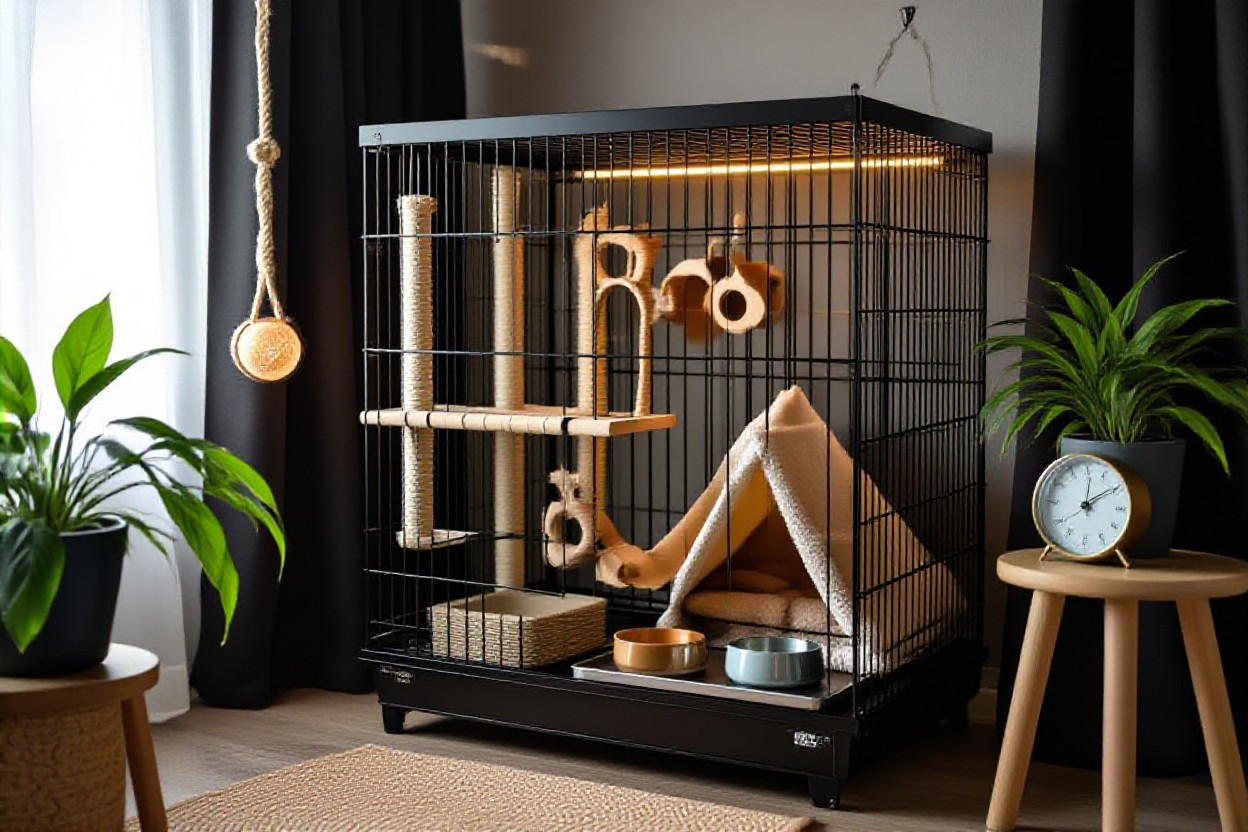
Environmental enrichment is your secret weapon against bird anxiety and night fright, because a busy brain has way less energy for panic. When your bird can chew, climb, shred, explore and problem-solve, you divert nervous energy into healthy curiosity. You also give them predictable routines and safe outlets so sudden shadows or noises at night feel less like threats and more like background noise. Basically, a well-enriched bird is mentally tired in a good way, and tired brains sleep deeper with fewer freak-outs.
Toys and Things: Can They Really Reduce Stress?
Well-chosen toys absolutely can lower your bird’s stress levels, especially in smart species like parrots and cockatiels that need 4-6 different activities daily. Chew blocks, foraging toys, paper to shred, and soft ropes give your bird safe ways to bite, rip, and climb instead of screaming or feather plucking. When you rotate toys every few days, you reduce boredom-based anxiety and help your bird feel like their cage is a changing landscape, not a boring box.
Interactive Play: Why Having Fun is Key
Interactive play is often the missing piece when you’re dealing with a chronically anxious bird, because it directly tells your bird, “you’re safe with me.” Simple games like target training, step-up practice, or tossing a favorite toy back and forth build trust and predictability, which is exactly what an anxious brain craves. Over time, that daily play window becomes an anchor in their routine, and you’ll usually see fewer panic flights and less clingy, insecure behavior.
Short training bursts of just 5-10 minutes, two or three times a day, can transform a skittish cockatiel into a bird that actually seeks you out for contact instead of bolting at every shadow. You might start with basic target training using a stick and a tiny sunflower seed, then slowly add recall practice inside a safe room so your bird learns you are the path back to safety, not the source of stress. And when you pair playtime with calm talking, slow blinks, and predictable movements, you’re basically rewiring your bird’s brain to associate you with comfort instead of threat, which massively reduces both daytime jitters and those wild night terrors.
Nature Sounds: Can They Help Your Bird Chill Out?
Soft nature sounds can act like a security blanket for anxious birds, especially in busy homes with random bangs, doors, or TV noise. Gentle rainforest tracks, distant ocean waves, or quiet outdoor bird calls at low volume help mask sudden spikes in sound that often trigger night fright. Many owners notice fewer explosive flutters at 2 a.m. when a consistent soundscape runs on a timer, giving the room a steady, predictable vibe instead of silence that’s constantly broken by surprises.
When you use sound, keep it subtle, like 30-40 dB, so you’re not overwhelming those sensitive ears that pick up frequencies you barely notice. Try a 30-minute nature playlist starting just before sunset, then fade it out after your bird’s fully settled so evenings feel calm and routine, not chaotic. You can even record your own backyard ambient noise if you’ve got wild birds outside, because familiar local calls can make your pet feel like part of a flock, which is huge for species that freak out when they feel isolated. Over a few weeks, many owners report that startle-based night flights drop dramatically once sound becomes part of the nightly wind-down ritual.
FAQs: Your Burning Questions Answered
People tend to think anxious birds are just “being dramatic”, but with night fright and chronic stress you’re usually seeing survival instincts, not attitude. These quick FAQs tackle the stuff that keeps you up at night too – from sudden midnight explosions in the cage to weird shadow panic and what looks like plain old stubbornness. You’ll spot patterns, tweak your setup, and cut down the risk of serious injury during night fright episodes while still keeping healthy boundaries with your bird.
“Why Does My Bird Freak Out at Night?”: The Truth Revealed
Night frights usually hit when a bird’s prey brain kicks in and it can’t make sense of a sound, a shadow, or a light flicker, so it explodes into panic flight. Cockatiels, for example, are notorious for this, especially in rooms with streetlights or motion lights that flash at random. A small night light positioned behind the cage, a predictable bedtime, and zero sudden noises after lights-out can slash these episodes dramatically and keep those fragile wings and blood feathers safe.
“Is It Normal for Birds to Be Afraid of Shadows?”: Here’s the Lowdown
Shadow fear isn’t your bird being silly, it’s survival software doing what it was designed to do. Raptors, ceiling fans, even a passing hand can read as a predator overhead, which is why parrots and cockatiels often freeze, lower their bodies, or launch into a panic flight when the light changes suddenly. Soft, indirect lighting, steady lamp positions, and slow, predictable arm movements in front of the cage make those scary “moving shapes” way less threatening.
Shadow issues get worse in rooms with a single harsh light source, like a ceiling spotlight, because every tiny movement throws a huge, dramatic silhouette across the wall. You’ll notice that birds on high alert will pin their eyes, slick their feathers tight, and stare at one spot before they blow up into flapping. So if you add a second softer lamp to break up strong contrast and keep your own movements slow and chatty – “Hey buddy, coming in from your left” – you can cut down shadow-triggered panic in a matter of days for many birds.
“How Can I Tell If My Bird Is Just Being Stubborn?”: A Helpful Guide
What looks like stubbornness is almost always fear, confusion, or just poor communication on our side. A bird that won’t step up, won’t go back in the cage, or “refuses” new toys is usually avoiding something that feels unsafe or too intense. If your parrot steps up fine in quiet moments but bites when you rush or corner them, that’s not attitude, that’s a clear stress response tied to context, and it means your training plan needs a reset, not more pressure.
Real stubborn vibes usually show up when a bird totally understands the cue, feels safe, has been reinforced consistently, and still chooses the alternative because it pays better – staying on the play stand, for example, is more rewarding than going to bed. You fix that by sweetening the deal: higher value treats, more praise, shorter training sessions, and zero chasing. When you see dilated eyes, fast breathing, or that tight “ready to bolt” posture, you’re not dealing with stubborn at all, you’re staring at plain anxiety that needs smaller steps and softer handling.