
Many dog owners need a single, authoritative roadmap to dog wellness and preventive pet care; this guide helps you build a life-stage preventive care schedule, follow a vet-approved vaccination timeline, and manage parasite prevention and nutrition and dental care. You’ll learn to spot danger signs, decide when to call the vet, prepare for emergencies, and plan an annual health budget to keep your dog healthy and thriving.
Key Takeaways:
- Comprehensive, vet‑backed preventive care roadmap from puppy to senior—vaccination timeline, parasite prevention (fleas, ticks, heartworm, intestinal), dental care, nutrition, and breed/age exercise—so owners can reduce disease risk, improve dog wellness, and extend healthy years.
- Practical home monitoring, emergency preparedness, and clear guidance on when to call the vet vs wait—early detection and prompt action lower complication rates and emergency costs while supporting effective dog health maintenance and preventive pet care.
- Actionable financial planning and resources—pet insurance options, annual health care budgeting, and cost‑effective wellness strategies—to make preventive pet care affordable and deliver measurable health outcomes and peace of mind.
Understanding Dog Health Care Essentials
How to Develop a Health Care Strategy for Your Dog
You build a practical plan by mapping a preventive pet care schedule—puppy series at 6–16 weeks, boosters per vet, then annual or triannual exams—paired with monthly parasite prevention for heartworm and flea/tick where indicated. Track dog wellness metrics like weight, appetite, and dental status, set reminders for vaccinations and diagnostics, and create a simple annual budget so you can act quickly when problems arise.
- Vaccination schedule — puppy series (6–16 weeks), core boosters thereafter
- Parasite prevention — monthly heartworm, flea/tick control based on risk
- Routine exams — at least once yearly; seniors every 6 months
- Weight & nutrition monitoring — track body condition score monthly
- Perceiving early warning signs like sudden vomiting, collapse, or severe lethargy accelerates care and improves outcomes
Factors Influencing Your Dog’s Health
Your dog’s outcomes depend on breed/genetics, age, environment, and the consistency of your preventive care: large breeds face more orthopedic risk, brachycephalic dogs tolerate heat poorly, and seniors need more frequent screening for organ disease. Combine tailored nutrition, appropriate exercise, and established parasite and vaccination plans to lower illness risk.
- Breed & genetics — predispositions (hip dysplasia, cardiac disease)
- Age/stage — puppy vaccinations vs. senior screenings every 6–12 months
- Environment & exposure — urban vs. rural parasite risks and toxin exposure
- Nutrition & body condition — obesity raises disease risk
- Perceiving behavioral or appetite changes early often shortens disease course
Large-breed dogs, such as Labrador Retrievers and German Shepherds, commonly show increased orthopedic and joint issues—screening with radiographs or PennHIP where appropriate reduces long‑term disability; brachycephalic breeds have documented respiratory compromise and may need activity limits and earlier interventions. Roughly half of household dogs are overweight or obese in many surveys, which multiplies arthritis, diabetes, and surgical risk—adjust calorie intake by 10–20% and recheck body condition monthly. Combine targeted diagnostics (CBC, chemistry, thyroid, urinalysis) at 1–2 year intervals for adults and every 6–12 months for seniors to catch organ dysfunction early.
- Orthopedic risks — large breeds: screening and weight control
- Respiratory vulnerability — brachycephalic breeds: heat and exercise limits
- Metabolic risk — overweight dogs: higher arthritis and diabetes risk
- Perceiving subtle clinical trends on home logs prompts faster diagnostics and treatment
Tips for Becoming Your Dog’s Health Advocate
You act as the primary health advocate by keeping a concise medical record, asking for explanations of tests and treatments, and learning basic home monitoring: normal temperature ~100–102.5°F, resting respiratory rate 10–35 breaths/min, and size‑adjusted heart rate. Enroll in a preventive plan or insurance, assemble an emergency kit, and keep a prioritized vet contact list so decisions are faster when seconds matter.
- Record keeping — vaccine dates, meds, allergies, surgeries
- Home vitals — temp, pulse, respiratory rate, weight trends
- Emergency readiness — kit, transport plan, nearest ER
- This advocacy approach reduces delays and improves clinical outcomes
Practice taking your dog’s temperature and pulse when healthy so measurements under stress are reliable: small dogs 100–160 bpm, medium 80–120 bpm, large 60–100 bpm; note that sustained tachycardia, temperature above 104°F, or respiratory distress require immediate care. Use simple tools (digital thermometer, scale, smartphone logs) and ask your vet for thresholds tailored to your dog’s breed and age. Consider a wellness plan that covers vaccines and routine labs—plans often run $300–$600/year—and compare to pet insurance premiums of $20–$60/month depending on coverage; having one or both avoids delaying care.
- Vital sign targets — temp 100–102.5°F, HR and RR by size
- Preparedness items — thermometer, leash, blanket, medical records
- Financial planning — wellness plans and insurance options to match your budget
- This proactive advocacy ensures faster diagnosis, better outcomes, and lower long‑term costs
Puppy Health Care: Best Practices
How to Prepare for Your Puppy’s First Veterinary Visit
Bring your puppy’s adoption records, any prior vaccine receipts, and a fresh stool sample for parasite screening; note medication dosages, diet, and behavior concerns so you can give the vet a clear timeline. Expect a full physical exam, weight check, and immunization plan; ask about heartworm prevention, flea/tick control, and microchipping. Pack a favorite toy or blanket to keep your puppy calm.
Essential Vaccination Schedule for Puppies
Start core vaccines at 6–8 weeks with the first DA2PP (distemper, adenovirus, parvovirus, parainfluenza) series, repeat every 3–4 weeks until at least 16 weeks, and give rabies at 12–16 weeks per local law; discuss bordetella and leptospirosis based on lifestyle. Keep written records and schedule the 1‑year booster to transition into adult preventive pet care.
Maternal antibodies vary by litter and can block early vaccines, which is why you follow a 6–16 week series; typical protocol is doses at 6–8, 10–12, and 14–16 weeks, then a 12‑month booster—after that many vets space core vaccines every 1–3 years based on titer testing and local risk. Prioritize protection against parvovirus (high mortality in unvaccinated pups) and distemper, and be prepared to vaccinate against bordetella if you plan boarding or puppy classes; monitor injection-site reactions for 24 hours and call your vet for breathing difficulty, facial swelling, or collapse.
Tips for Proper Nutrition and Socialization in Puppies
Feed a balanced, age‑appropriate commercial puppy diet formulated for your puppy’s expected adult size (small‑breed vs large‑breed formulas) and follow calorie guidelines on the bag adjusted by growth and body condition scoring; begin supervised socialization between 3–14 weeks with vaccinated, healthy dogs and varied environments. This sets the foundation for long‑term dog wellness.
- dog wellness
- preventive pet care
- dog health maintenance
Introduce new foods slowly over 7–10 days to prevent GI upset, and measure meals to avoid rapid growth in large breeds—aim for monthly weight checks and use body condition scoring to keep puppy lean but growing; enroll in controlled puppy socialization classes after initial vaccinations and expose your puppy to household noises, car rides, and varied surfaces to reduce fear later in life. This reinforces positive associations and supports immune and behavioral development.
- dog wellness
- preventive pet care
- dog health maintenance
Adult Dog Care: Maintaining Optimal Health
How to Conduct Annual Wellness Exams at Home
Perform a systematic check yearly: weigh your dog and compare to previous records, inspect eyes and ears for discharge or redness, examine gums and teeth for tartar or pale mucous membranes, run hands over the body to detect new lumps or swelling, check skin for fleas, ticks or hot spots, assess gait and joint range for stiffness, and time respiration and heart rate for abnormalities; photograph any findings and bring them to your vet if you see labored breathing or sudden weight loss.
Factors to Consider for Vaccination Boosters
Decide boosters based on your dog’s age, health status, travel and boarding frequency, and regional disease risk; core vaccines (rabies, distemper) have legal and public‑health implications, while non‑core vaccines (leptospirosis, bordetella) depend on exposure—use titers to guide intervals when appropriate and consult your vet for individualized schedules.
- dog wellness: local prevalence of vectored diseases (ticks, leptospirosis) raises booster priority
- preventive pet care: lifestyle—urban apartment vs hunting dog alters vaccine needs
- dog health maintenance: age and immune status modify immune response and booster timing
- After discussing risks and serology, tailor booster frequency to balance protection and vaccine exposure
When evaluating boosters, factor in serologic testing: titer results can confirm immunity to distemper and parvovirus, letting you extend intervals safely in many adult dogs; rabies remains legally mandated in most areas (1–3 year schedules) so you must follow local law, and for high‑risk exposures (boarding, frequent dog parks, hunting) maintain annual or biannual leptospirosis and bordetella vaccination—document decisions in your medical record and prioritize vaccines that prevent zoonotic threats.
- dog wellness: rabies schedule is dictated by local regulations (commonly 1 or 3 years)
- preventive pet care: core vaccine intervals often extend to every 3 years after adult boosters
- dog health maintenance: non‑core vaccines are risk‑based and may be given annually
- After reviewing titers and exposure, adopt a written booster plan with your veterinarian
Tips for Effective Weight Management and Nutrition
Use a 1–9 body condition score to target a healthy weight, measure food with a scale, calculate caloric needs (adult maintenance ~30 kcal/kg^0.75/day adjusted for activity), choose high‑quality protein, control treats (≤10% of calories), and aim for gradual loss at ~1–2% bodyweight per week to protect muscle—monitor with monthly weigh‑ins and adjust portions rather than feeding more exercise alone.
- dog wellness: obesity increases risk of diabetes, osteoarthritis, and reduced lifespan
- preventive pet care: feed measured meals and log calories for a 12‑week trial
- dog health maintenance: account for breed predispositions (e.g., Labradors prone to weight gain)
- Any weight plan should include baseline bloodwork and a vet‑approved calorie target
For finer control, run a nutritional audit: calculate resting energy requirement (RER = 70 × bodyweight(kg)^0.75), then set target calories at 1.0–1.2×RER for weight loss in adult dogs, prioritize diets with ≥18% protein for lean mass preservation, add soluble fiber to increase satiety, and schedule rechecks every 4–6 weeks—use photos and objective BCS changes to track progress and revise the plan if loss exceeds 2% weekly or your dog shows lethargy or GI upset; incorporate preventive pet care checks to rule out hypothyroidism or Cushing’s before intensive dieting.
- dog wellness: calculate RER and set a conservative caloric deficit for steady loss
- preventive pet care: use high‑protein, moderate‑fiber diets and measured feeding
- dog health maintenance: monitor BCS, weight, and muscle condition every 4–6 weeks
- Any significant weight change warrants veterinary evaluation and lab screening

Senior Dog Care: Addressing Unique Needs
How to Identify Signs of Aging in Your Dog
Watch for subtle shifts: slowed mobility, stiffness after resting, changes in appetite or weight, altered sleep patterns, and reduced hearing or sight. If you notice new lumps, increased thirst, difficulty breathing, or sudden behavior changes, schedule a vet exam and diagnostics. Pay special attention to sudden lameness and unexplained weight loss as potentially dangerous signs; early detection supports better dog wellness and dog health maintenance.
Factors Affecting Senior Dog Nutrition
As your dog ages, metabolic rate often declines while conditions like arthritis, kidney disease, and dental wear alter feeding needs. You may need higher-quality protein for muscle mass, adjusted calorie intake to prevent obesity, and easier-to-chew formulations. Work with your vet to tailor a plan that supports joint health, digestive tolerance, and overall preventive pet care.
- Protein quality
- Calorie control
- Weight management
- Dental condition
- Kidney function
- Joint supplements (glucosamine, omega‑3)
- Assume that dog health maintenance requires periodic diet reassessment with lab work and body condition scoring.
Adjust feeds based on objective measures: use body condition scoring (1–9 scale), track muscle condition, and run annual bloodwork to detect anemia, low albumin, or early renal change. You can switch to senior diets with 18–25% protein, moderate fat, added fiber for gut motility, and omega‑3s to reduce inflammation; implement gradual transitions over 7–10 days to avoid GI upset.
- Body condition scoring
- Muscle condition
- Annual bloodwork
- Senior diet composition
- Assume that preventive pet care includes diet trials and adjustments every 6–12 months.
Tips for Modified Exercise and Quality of Life Enhancement
Shift to low‑impact activities: shorter, more frequent walks, controlled leash pacing, and supervised swimming or hydrotherapy to maintain mobility without stressing joints. Incorporate balance exercises, gentle ROM (range‑of‑motion) stretches, and strength work that protects muscle mass. Monitor for signs of pain and consult your vet about arthritis management, physical therapy, and weight management to optimize dog wellness.
- Shorter, frequent walks
- Swimming/hydrotherapy
- Strength and balance exercises
- Physical therapy referral
- Recognizing arthritis early lets you start pain control and slow progression.
Introduce structure: 10–15 minute twice‑daily walks, 5–10 minute balance sessions (standing on non‑slip surfaces), and leash‑controlled ascent/descent practice for stairs. You can add therapeutic aids—ramp access, supportive harnesses, orthopedic beds—and consider medical options like NSAIDs or regenerative therapy when indicated to preserve mobility and daily function.
- Structured short sessions
- Assistive devices (ramps, harnesses)
- Orthopedic bedding
- Medical pain management
- Recognizing dog health maintenance needs ongoing adaptation as conditions evolve.
Vaccination Essentials: Protection Against Illness
How to Understand Core and Non-Core Vaccines
You should know core vaccines protect against globally significant, highly contagious, or zoonotic diseases—typically rabies, distemper, parvovirus, and adenovirus. By contrast, non-core vaccines (like bordetella, leptospirosis, Lyme, influenza) are given based on your dog’s lifestyle and regional exposure risk; a hunting or boarding dog often needs more non-core coverage than an indoor-only pet.
Factors to Consider when Planning Vaccine Schedules
Plan schedules around your dog’s age, health status, breed-specific immune considerations, travel plans, and local disease prevalence; typical puppy series begins at 6–8 weeks with boosters every 3–4 weeks until ~16 weeks, and rabies usually at 12–16 weeks with a one-year then 1–3 year interval thereafter.
- Age & immune maturity: younger dogs need series dosing.
- Regional risk: tick-borne and leptospira exposure varies by area.
- Lifestyle: boarding, daycare, hunting raise exposure.
- Legal requirements: rabies laws may dictate timing.
- This determines frequency, choice, and whether titers or boosters are appropriate.
Your vet can tailor timing using serologic titers for core diseases to measure immunity, especially if your dog has prior adverse reactions or immunosuppression; shelters often follow a rapid protocol (first dose at 4–6 weeks) to control outbreaks, while adult dogs commonly move to a 3-year core schedule depending on vaccine type and local guidelines, and travel or boarding may require additional non-core shots or updated certificates.
- Titer testing: alternative to automatic boosters for some dogs.
- Adverse reaction history: alters future vaccine choices and admin settings.
- Shelter vs household: intensity of schedule differs.
- This helps you and your vet balance protection with minimal interventions.
Tips for Monitoring Vaccine Reactions
After vaccination, watch your dog closely for the first 24–72 hours—common mild responses include low-grade fever, transient lethargy, and localized swelling; seek immediate care if you see facial swelling, difficulty breathing, persistent vomiting, collapse, or any signs of anaphylaxis, since rapid treatment can be lifesaving.
- Time window: most reactions appear within 24–72 hours.
- Common signs: mild fever, soreness, reduced appetite.
- Emergency signs: facial swelling, vomiting, collapse.
- Perceiving severe signs early reduces risk of progression and improves outcomes.
Keep a vaccine log with dates, brand/lot numbers, and injection sites, and if your dog has prior reactions ask your vet about premedication, split dosing, or alternate products; in documented anaphylaxis cases rapid epinephrine and IV fluids were decisive—you should transport immediately—while mild systemic signs often resolve with supportive care and observation, and using titers can reduce unnecessary repeat vaccinations in sensitive dogs.
- Record keeping: lot numbers and sites help trace issues.
- Premedication: vet-guided antihistamines or steroids in select cases.
- Titer strategy: avoids repeat vaccines when immunity is adequate.
- Perceiving even subtle changes after vaccination lets you act before escalation.
Comprehensive Parasite Prevention
How to Implement Year-Round Parasite Prevention
Apply consistent monthly preventives for heartworm, fleas, and ticks, perform an annual heartworm test, start puppy prevention at 6–8 weeks, and vacuum bedding weekly while treating yards seasonally; tailor products by weight and local vector seasonality. Perceiving local mosquito and tick activity will help you choose timing and product type to maintain effective dog wellness and preventive pet care.
- dog wellness
- preventive pet care
- dog health maintenance
- heartworm prevention
- flea control
Factors in Managing Heartworm and Flea Control
Account for regional prevalence, your dog’s age, breed sensitivities (MDR1 mutations in some herding breeds), and lifestyle: mosquitoes transmit heartworm, while fleas reproduce rapidly—one flea can lay up to 50 eggs per day—raising anemia risk in puppies. Perceiving your dog’s exposure (travel, dog parks, wooded yards) guides choice between monthly oral, topical, or longer-acting systemic options.
- dog wellness
- heartworm prevention
- flea control
- preventive pet care
Use macrocyclic lactones (ivermectin, milbemycin, moxidectin) for reliable monthly heartworm prevention and select flea/tick agents—fipronil, imidacloprid, fluralaner (8–12 weeks protection), sarolaner, or selamectin—based on speed-of-kill, duration, and prior reactions; dose strictly by weight, confirm annual heartworm testing before starting prevention in adults, and avoid certain products in MDR1‑positive breeds to prevent neurotoxicity. Perceiving breed genetics and travel history reduces adverse events and gaps in dog health maintenance.
- preventive pet care
- dog wellness
- dog health maintenance
- tick prevention
Tips for Recognizing Signs of Parasite Infestation
Look for persistent scratching, hair loss, visible fleas or flea dirt, scooting, sudden weight loss, pale gums, chronic coughing, or intermittent diarrhea; puppies often show potbellied appearance with roundworms, and heartworm can present as exercise intolerance or persistent cough in adults. This helps you detect infestations early so your vet can run targeted diagnostics like fecal floats, antigen tests, and skin checks.
- dog wellness
- preventive pet care
- dog health maintenance
- intestinal parasite signs
Request a fecal exam every 6–12 months for adults and more frequently for puppies; treat roundworms with fenbendazole, tapeworms with praziquantel, and address Giardia per your veterinarian’s protocol—use rapid-acting flea products (spinosad, nitenpyram) for heavy burdens and follow with environmental control. Escalate to immediate vet care for severe anemia, persistent vomiting/diarrhea over 24–48 hours, or respiratory distress. This combination of observation and routine screening preserves long-term dog wellness and supports effective preventive pet care.
- dog health maintenance
- preventive pet care
- dog wellness
- diagnostic testing
Dental Health: A Vital Component of Care
How to Establish a Dental Care Routine
You should brush your dog’s teeth daily with a canine toothbrush and pet-safe toothpaste, start training this in puppyhood, and supplement with VOHC-approved chews 2–3 times per week if daily brushing isn’t possible; aim for a quick weekly oral exam at home, log changes, and schedule professional cleanings based on age and risk to support dog wellness and overall preventive pet care.
- daily brushing—ideal every day, minimum several times a week
- canine toothpaste—never use human toothpaste
- VOHC-approved chews—help reduce tartar when used correctly
- The dog health maintenance plan should include routine at-home checks
Factors to Consider for Dental Cleanings
You need to weigh your dog’s age, breed (small breeds often need more frequent care), current periodontal score, and anesthesia risk when planning cleanings; many vets recommend an initial professional cleaning by 2–3 years in breeds prone to dental disease and then every 12–24 months, with costs typically ranging from $200–$800 depending on procedures and diagnostics.
- age & breed—small breeds and seniors more prone to buildup
- periodontal disease stage—determines scope of work
- anesthesia safety—bloodwork and ECG for at-risk dogs
- The professional dental cleaning frequency depends on risk assessment
You should discuss pre-op screening (CBC, chemistry panel) and pain-control plans with your vet; studies show up to 80% of dogs have measurable dental disease by age three, so personalized intervals—scaling, polishing, extractions when necessary—plus post-op antibiotics or analgesics are common; factor travel, sedation monitoring, and follow-up home care into your budget and schedule.
- pre-op screening—blood tests reduce anesthesia risk
- procedure scope—scaling, polishing, x-rays, extractions
- cost planning—budget $200–$800 average, more for complex cases
- The anesthesia and follow-up considerations shape timing and frequency
Tips for Recognizing and Preventing Dental Diseases
You should watch for persistent bad breath, visible tartar, red or bleeding gums, drooling, pawing at the mouth, or changes in eating; prevent disease with daily brushing, targeted diets or dental-specific kibble, chew rotation, and annual oral exams—early detection prevents bone loss and systemic spread to the heart and kidneys.
- bad breath—common early warning sign
- tartar buildup—visible yellow/brown deposits
- gum inflammation—redness or bleeding on touch
- Thou schedule veterinary checks at least yearly for early intervention
You should teach yourself to do weekly mouth checks—lift lips, inspect teeth and gums, and note any asymmetry or swelling; combine mechanical care (brushing) with chemical aids (chlorhexidine rinses) and dietary tools; case examples: a 7‑year-old small-breed shifted from annual to biannual cleanings after rapid tartar progression, saving on extractions long-term through aggressive home care.
- weekly mouth checks—track changes with photos
- chemical adjuncts—antiseptic rinses or gels as advised by your vet
- diet & chews—use vet-recommended options to reduce plaque
- Thou act on early signs to avoid advanced periodontal complications

Nutrition and Weight Management: Feeding for Health
How to Choose the Right Food for Your Dog
Match food to your dog’s life stage and breed size: puppies need higher protein and fat, large-breed puppies need controlled growth formulas, seniors often require fewer calories and joint support. Read labels for a named animal protein source, an AAFCO statement for complete and balanced nutrition, and appropriate calorie density; consider prescription diets only under veterinary guidance to manage medical conditions.
Factors Affecting Your Dog’s Dietary Needs
Your dog’s calories and nutrient balance depend on age, activity, neuter status, health conditions (diabetes, kidney disease), and pregnancy/lactation; a 15 kg active dog may need ~850 kcal/day while a sedentary 15 kg neutered dog needs substantially less. Monitor body condition score and adjust gradually, targeting a BCS of 4–5/9 to avoid obesity and metabolic complications.
- dog wellness: adjust for activity and age.
- preventive pet care: tailor diets for disease prevention.
- dog health maintenance: monitor weight and labs regularly.
- Perceiving energy needs shifts with life stage—reassess every 3 months.
Delve deeper: use the RER formula (RER = 70 × weight(kg)^0.75) and multiply by factors—neutered adult ~1.4–1.6×RER, active/working 2.0–5.0×RER, lactating up to 4–8×RER; for example, a 15 kg dog has RER ≈533 kcal, maintenance ≈850 kcal at 1.6×RER. Address food allergies with limited-ingredient or hydrolyzed diets and manage renal disease with lower protein/phosphorus under vet direction.
- dog wellness: calculate RER to set targets.
- preventive pet care: screen labs before diet changes.
- dog health maintenance: re-evaluate after weight shifts.
- Perceiving dietary adjustments are guided by clinical signs and weight trends.
Tips for Portion Control and Healthy Treats
Weigh food and use the manufacturer’s calorie info or your vet’s RER-based plan; keep treats to less than 10% of daily calories, choose low-calorie options like carrots or freeze-dried liver, and measure each serving—avoid free-feeding to prevent obesity and joint strain in large breeds.
- dog wellness: measure with a digital kitchen scale.
- preventive pet care: log daily calories for 2 weeks to find trends.
- dog health maintenance: choose treats with minimal fillers.
- Assume that treats count toward total daily calories—plan accordingly.
For practical control, calculate your dog’s daily kcal target, subtract 10% for treats, and split meals into two or three feedings; consider puzzle feeders to slow intake and increase mental enrichment. In weight-loss plans, aim for 1–2% body weight loss per week for overweight dogs and recheck BCS and weight every 2–4 weeks under veterinary supervision.
- dog wellness: target gradual weight loss, 1–2%/week.
- preventive pet care: schedule rechecks every 2–4 weeks.
- dog health maintenance: use portioned, measured meals—not free-feeding.
- Assume that consistent tracking is required to achieve and maintain targets.
Exercise Requirements: Keeping Your Dog Active
How to Tailor Exercise to Your Dog’s Breed and Age
You should match activity to breed and life stage: puppies benefit from short, frequent play sessions (roughly 5–10 minutes per month of age), adults of high‑energy breeds often need 60–90 minutes daily, and seniors require low‑impact walks and gentle range‑of‑motion exercises. Pay attention to breed traits like herding or working instincts and age-related limitations to support dog wellness and long‑term dog health maintenance.
Factors Influencing Exercise Safety
Check environmental and individual risk factors before each session: high temperatures, hard pavement, preexisting joint disease, brachycephalic airway issues, obesity and cardiac conditions change safe intensity. Ensure vaccinations and parasite prevention are current as part of preventive pet care, and watch for signs of overheating or lameness. Prioritize safety when planning duration and surface.
- Temperature: avoid peak heat and humidity.
- Surface: soft trails reduce joint stress; hot pavement burns paw pads.
- Health status: hip dysplasia, heart disease, obesity alter limits.
- Breed predispositions: brachycephalic and giant breeds need modified effort.
- The pavement‑test (hand on surface for 5 seconds) quickly tells you if ground is too hot.
Monitor specific numbers: stop strenuous activity if ambient temperature exceeds about 25°C (77°F) for short‑muzzled dogs or if your dog pants heavily, drools excessively, or shows weakness—these are early heatstroke signs. In cold, protect small or thin‑coated dogs below ~0°C (32°F) with coats and limit exposure. Use 10–15 minute interval training for returning dogs after inactivity to reduce injury risk.
- Heat thresholds: modify intensity above 25°C for vulnerable breeds.
- Cold precautions: limit exposure below 0°C for small or thin‑coated dogs.
- Reconditioning: increase workload by no more than 10% per week after rest or illness.
- The hand‑on‑pavement check remains a fast, practical safety rule.
Tips for Encouraging Mental Stimulation through Play
You can reduce destructive behavior by adding puzzle feeders, short training games (10–15 minutes), scent trails and rotation of toys; for example, hide kibble in three spots for a 15‑minute sniff hunt or use a durable KONG stuffed with frozen wet food for 20–30 minutes. Mixing physical and cognitive tasks improves dog wellness and supports overall preventive pet care.
- Puzzle feeders for slow feeding and problem solving.
- Scent games to tap natural instincts and tire dogs mentally.
- Short training sessions (10–15 min) to teach cues and build focus.
- Thou rotate toys weekly to maintain novelty and engagement.
Combine 15–30 minutes daily of mental work with physical activity: try a 10‑minute recall/obedience circuit, then a scent search for 10 minutes, finishing with a calm chew to reward focus. Use graded challenges—start simple, increase difficulty—and monitor frustration; if your dog gives up, reduce complexity. These strategies measurably lower anxiety and improve compliance.
- Graded challenges: increase puzzle difficulty slowly to build success.
- Mix modalities: alternate scent, problem solving, and obedience for balance.
- Session length: keep most mental sessions to 10–20 minutes for sustained motivation.
- Thou use food puzzles to combine nutrition and enrichment safely.
Home Health Monitoring: Best Practices
How to Conduct Regular Health Checks
Perform a brief home exam weekly: check eyes for discharge, ears for odor, gums for pale or blue color, coat for mats or parasites, and feel for lumps or swelling; record weight and temperature range (normal 100.5–102.5°F). Note mobility changes—stiffness after rest may signal arthritis—and seek veterinary advice for rapid breathing, bleeding, or fever >103°F. Use a consistent checklist to support your dog health maintenance.
Factors Influencing Behavior Changes
Behavior shifts often stem from medical issues like pain, endocrine problems (e.g., thyroid disease), sensory decline, medication side effects, or environmental stressors; sudden aggression, disorientation, or seizures are danger signs that warrant immediate vet evaluation. Track onset, duration, and triggers—acute changes over 24–48 hours require prompt attention to protect your dog’s welfare.
- dog wellness monitoring to spot trends
- preventive pet care checks after medication changes
- Perceiving shifts early improves dog health maintenance
Dig deeper by correlating behavior with objective data: log pain scores (0–10), appetite percentages, and activity (use a wearable pedometer—normal daily steps vary by breed, e.g., 5,000–15,000). If an older dog shows new pacing or night-time restlessness, evaluate for dementia-like cognitive dysfunction or pain; perform a targeted exam and consider bloodwork or thyroid testing to rule out metabolic causes.
- dog wellness case: vet found hypothyroidism after mood change
- preventive pet care habit: recheck behavior two weeks after treatment
- Perceiving early patterns lets you act before problems escalate
Tips for Keeping a Comprehensive Health Journal
Keep a dated log with weight, appetite, stool quality, medications (dose/time), vaccinations, and abnormal signs; record numeric values—temperature, weight in kg or lb, and activity minutes—to detect small but meaningful trends. Photograph skin lesions and note response to interventions; use entries to support discussions during preventive pet care visits. The
- dog wellness entries: weight and appetite
- preventive pet care entries: vaccine and parasite dates
- The journal should include dog health maintenance summaries per month
Structure the journal for quick review: a one-page monthly summary (weight change %, new meds, vet visits) plus daily notes for acute issues. If you track weight weekly, a 5% loss in 2–4 weeks signals the need for earlier vet assessment; include medication response and behavioral notes to streamline diagnostics and insurance claims.
- dog wellness tip: snapshot wounds or rashes
- preventive pet care tip: attach vaccination receipts
- The monthly summary makes vet consultations faster and more effective
Common Health Issues: Warning Signs to Watch For
How to Identify Gastrointestinal Distress
If your dog vomits more than twice in 24 hours, has diarrhea lasting over 48 hours, or passes bloody stool, act quickly; puppies and seniors can dehydrate in hours. Look for signs of dehydration—tacky gums, skin tenting, sunken eyes—and for abdominal pain, repeated retching, or refusal to eat. You should contact your vet sooner if symptoms include fever, lethargy, or any persistent vomiting.
Factors Leading to Behavioral Changes
Behavior shifts—sudden aggression, withdrawal, house-soiling, or sleep-cycle disruption—often signal underlying medical or environmental causes such as pain, sensory loss, metabolic disease (like hypothyroidism), medication side effects, or cognitive decline in older dogs. Watch duration: changes that persist beyond 48–72 hours or worsen warrant veterinary assessment to separate behavioral from medical drivers.
- dog wellness — track baseline behavior so you spot deviations early.
- preventive pet care — ensure parasite control and routine exams to rule out illness-related behavior.
- dog health maintenance — document onset, triggers, and frequency for your vet.
- Recognizing sudden aggression, repeated disorientation, or progressive decline requires prompt veterinary evaluation.
When you dig deeper, start with a full physical and targeted diagnostics: CBC, chemistry panel, thyroid testing (TT4/free T4), and pain scoring; dental disease and ear infections are frequent, treatable causes. For example, an 8‑year‑old Labrador with new aggression improved after dental extraction and thyroid therapy. You may need behavior modification plus medical management—your vet can design a combined plan aimed at restoring normal function and dog wellness.
- dog wellness — include dental and orthopedic checks in evaluations.
- preventive pet care — address vaccination and parasite status when investigating behavior.
- dog health maintenance — monitor medication side effects and recent changes at home.
- Recognizing patterns—time of day, triggers, and progression—helps prioritize diagnostics and treatment.
Tips for Recognizing Emergencies: When to Seek Help
Call emergency care for collapse, difficulty breathing, uncontrolled bleeding, seizures lasting longer than 5 minutes or repeated seizures, suspected poisoning, or heatstroke (rectal temp > 104°F)—these situations threaten life or organ function. Pale or blue gums, severe weakness, or inability to stand demand immediate action; if in doubt, err on the side of urgent evaluation to protect your dog’s survival and dog health maintenance.
- dog wellness — keep emergency clinic and poison control numbers accessible.
- preventive pet care — a current vaccination and parasite plan reduces some emergency risks.
- dog health maintenance — maintain recent medical records to bring to emergency visits.
- Thou should act immediately for progressive breathing distress, unresponsiveness, or seizures exceeding five minutes.
In an emergency, stabilize before transport: maintain airway, apply firm pressure to major bleeding for 5–10 minutes, cool a heatstroke dog with tepid water and fanning (avoid ice), and note the time and character of seizures. If poisoning is suspected, bring packaging or a photo; if trauma occurred, immobilize the spine and limit movement. Communicate recent medications, vaccine and heartworm/flea status, and any chronic conditions to the emergency team to speed triage and treatment.
- dog wellness — prepare an emergency kit with bandages, digital thermometer, and contact list.
- preventive pet care — up-to-date parasite prevention lowers vector-borne emergency risks.
- dog health maintenance — keep a concise medical summary in your phone for emergencies.
- Thou must bring samples (vomit, stool, pill bottles) and note times of onset to assist emergency clinicians promptly.
When to Call the Vet: Guidelines for Pet Owners
How to Differentiate Between Emergencies and Routine Issues
You should treat signs like unresponsiveness, difficulty breathing, severe bleeding, a seizure lasting more than 2 minutes, a body temperature above 104°F, or known toxin ingestion (xylitol, antifreeze, chocolate) as emergencies; minor limp, a single episode of vomiting, or a small superficial wound can often wait until office hours. Use your judgment on rapid deterioration versus stable, manageable symptoms.
- dog wellness — immediate threats: collapse, labored breathing, sustained seizure
- preventive pet care — routine concerns: mild limp, single vomiting episode, minor skin irritation
- Any dog health maintenance red flags—persistent vomiting (>24 hours), repeated seizures, or inability to stand—require urgent evaluation
Factors Influencing After-Hours Care Decisions
Severity of signs, your dog’s age and medical history, distance to an emergency clinic, and whether you can safely transport them all affect whether you seek after-hours care; a senior with heart disease and labored breathing often needs immediate attention, while a young healthy dog with a superficial paw cut may not. Telephone triage by your clinic can save time and direct care.
- dog wellness — severity and speed of progression (shock, collapse, uncontrolled bleeding)
- preventive pet care — underlying conditions (diabetes, heart disease, immunosuppression) raise urgency
- Any dog health maintenance factor—distance >30 minutes to ER, inability to transport, or lack of prior records—will push you toward after-hours intervention
When deciding, call your clinic or an emergency line first: many offices offer phone triage where a vet tech or veterinarian assesses signs and gives action steps. For example, a 10-year-old dog with congestive heart failure showing new respiratory distress usually needs immediate stabilization; a 2-year-old that swallowed a small amount of chocolate may be managed with observation or activated charcoal depending on dose and weight. Typical emergency stabilization visits can range from a few hundred to over $1,000 depending on diagnostics and treatment, so factor in pet insurance or an emergency fund.
- dog wellness — call if progressive distress, repeated collapse, or severe trauma
- preventive pet care — for chronic-condition flare-ups (e.g., diabetes), seek earlier advice
- Any dog health maintenance concern combined with inability to monitor at home (worsening breathing, persistent vomiting) should prompt immediate contact
Tips for Building a Strong Relationship with Your Veterinarian
You should keep clear, accessible records (medications, vaccine dates, allergies), bring concise symptom notes and short videos, and use telemedicine options for quick triage; regular communication and following an agreed preventive schedule (vaccines, parasite control, dental checks) makes your clinic more effective when urgent issues arise.
- dog wellness — share accurate vaccination and medication histories before visits
- preventive pet care — schedule annual exams and dental assessments consistently
- Thou dog health maintenance records—photos, videos, and a symptom timeline—speed diagnosis and improve outcomes
Invest in continuity: choose a clinic where you can see the same veterinarian periodically, enroll in preventive plans if offered, and ask for written care plans (puppy vaccination timeline: 6–8, 10–12, 14–16 weeks; rabies at 12–16 weeks). When you document responses to treatments, you create data that improves future care decisions; using your clinic’s portal or a simple folder with vaccine records, recent labs, and insurance info reduces delays during emergencies and supports more accurate dog health maintenance.
- dog wellness — maintain an up-to-date digital or physical health file for quick access
- preventive pet care — ask about clinic telemedicine and membership plans for routine follow-ups
- Thou dog health maintenance documentation—organized records and clear communication—lowers diagnostic time and improves outcomes
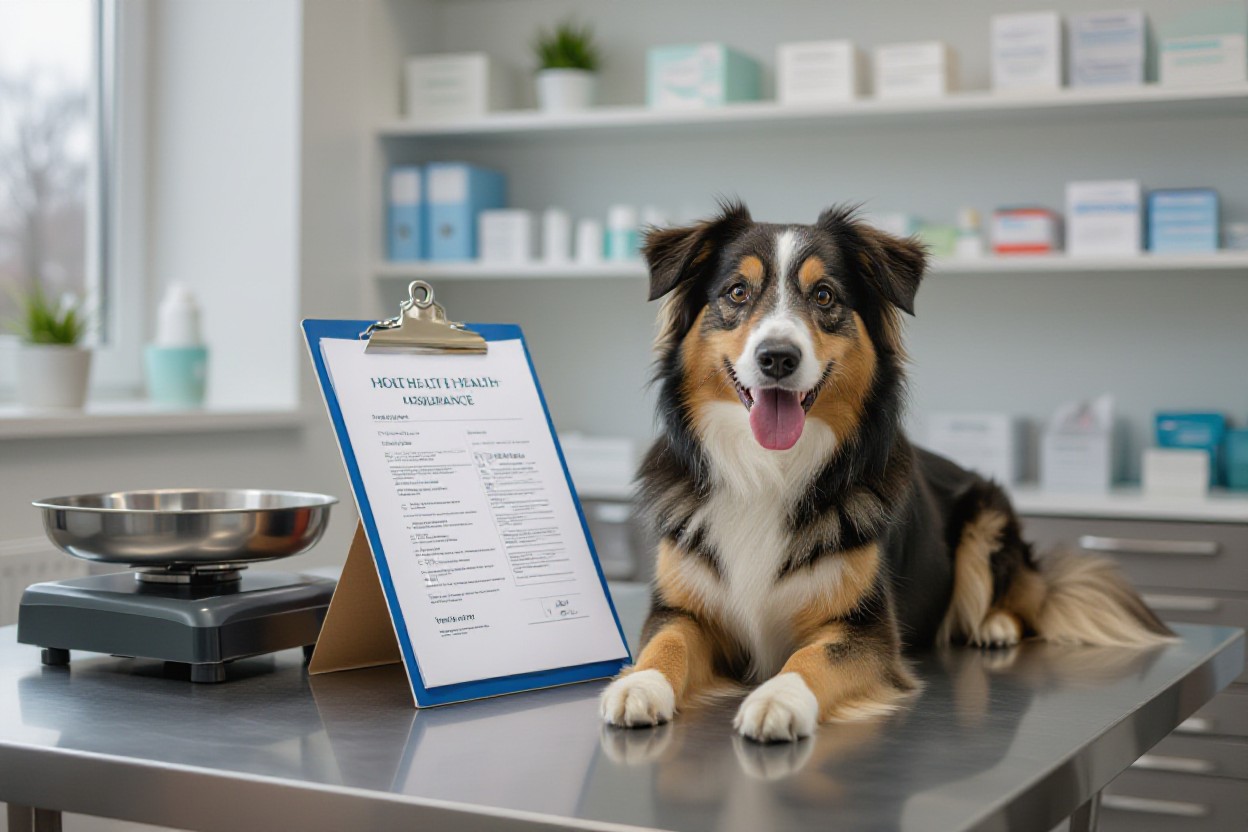
Pet Insurance and Budgeting for Your Dog’s Health
How to Choose the Right Pet Insurance Plan
Compare plans by reimbursement rate (50–90%), deductible amounts, and whether wellness/preventive pet care is included; expect premiums from about $20–$70/month depending on age and breed. You should check exclusions for pre-existing conditions and waiting periods, get sample claim timelines from the insurer, and run quotes for your dog’s breed—large-breed puppies often cost more to insure due to orthopedic risks.
Factors Influencing Overall Health Care Costs
Your dog’s costs hinge on age, breed, and lifestyle: expect higher first-year costs for vaccinations and spay/neuter and rising costs in senior years for diagnostics and chronic care; routine annual care often runs $200–$700, while one-off dental cleanings can be $300–$800 and emergency surgeries $1,500–$5,000.
- Breed & age — genetic risks (hip dysplasia, cardiac) raise long-term costs
- Lifestyle — active outdoor dogs need more parasite prevention and tick checks
- Preventive pet care adherence — regular vaccines and dental care lower emergency risk
- Thou should budget an annual baseline of $500–$1,200 and set aside for emergency care costs.
In practical terms, your dog health maintenance budget should separate predictable line items (vaccines, heartworm prevention at ~$5–$15/month, DHPP boosters, fecal tests) from variable items (diagnostics, imaging, surgery). Puppies often require $300–$800 in the first year for vaccines, microchip, and spay/neuter; seniors may need biannual bloodwork at $150–$300 and medication for arthritis or endocrine disease. You can lower lifetime costs by prioritizing preventive pet care and early screening.
- Vaccination timeline — puppy series vs adult boosters affect first-year spend
- Parasite prevention — monthly heartworm and flea/tick meds vs one-time treatments
- Dental health — professional cleanings every 1–2 years reduce tooth loss and systemic risks
- Thou should revisit your budget annually and adjust for breed-specific risks and aging-related testing.
Tips for Managing Unexpected Veterinary Expenses
Maintain a dedicated emergency fund of at least $500–$1,000, consider a policy with expedited claims for accidents, and compare options like CareCredit or clinic payment plans before you need them. You should keep digital medical records for faster estimates, ask for itemized treatment plans, and know local low-cost clinics and charitable funds to reduce out-of-pocket burden in a crisis.
- Emergency fund — liquid savings to cover initial triage and stabilization
- Pet insurance — fast-claims plans help for surgeries and inpatient care
- Payment options — CareCredit or clinic plans; confirm interest and limits
- Any use of CareCredit or short-term credit should be vetted for fees and repayment timelines.
When an unexpected bill arrives—say a $3,200 emergency surgery—you should request a written estimate, ask for less expensive diagnostic alternatives when safe, and verify what the insurer will reimburse. Setting up an automatic monthly transfer of $50–$100 into a pet savings account builds a $600–$1,200 buffer within a year; combining that with a mid-level insurance plan that covers accidents at 80% after a $250 deductible often keeps your net cost manageable. You can also negotiate payment schedules with your clinic and explore nonprofit grants for qualifying cases.
- Estimate requests — get pre-treatment cost breakdowns to plan cash flow
- Savings plan — automated transfers build an emergency reserve over 6–12 months
- Community resources — local charities and vet-school clinics may offer reduced fees
- Any proactive combination of savings plus appropriate pet insurance reduces the likelihood of deferring needed care.
Conclusion
From above, you can apply a structured dog health care plan—consistent vaccinations, parasite prevention, dental care, tailored nutrition and exercise, and home monitoring—to extend your dog’s quality and lifespan; knowing when to call your vet, budgeting for annual care and insurance, and preparing for emergencies gives you confidence to act promptly and keep your companion thriving at every life stage.
FAQ
Q: What does a complete preventive care schedule look like from puppy to senior, including vaccinations, parasite prevention, dental care, nutrition, exercise, and routine monitoring?
A: A clear, stage-based preventive care plan is the backbone of sustained dog wellness and practical dog health maintenance. Core components and a typical timeline:
– Puppy (0–6 months): Initial wellness visit at 6–8 weeks; fecal exam and deworming at 2, 4, 6, and 8 weeks (or per vet guidance); first set of core vaccines (distemper/parvo/adenovirus—often combined as DAPP) at 6–8 weeks, repeat every 3–4 weeks until at least 16 weeks; rabies vaccine once at 12–16 weeks per local law; start monthly heartworm preventive and monthly flea/tick protection as early as product labeling allows (commonly at 8 weeks). Begin daily tooth brushing habit, gradual introduction to dental chews appropriate for age, and weight/condition monitoring every 1–2 weeks. Exercise: short, supervised play; avoid repetitive high-impact activity until growth plates close (typically 12–18 months depending on breed). Socialization and low-impact training are key for mental health.
– Young adult (6 months–2 years): Spay/neuter timing discussed with vet; core booster at ~1 year after last puppy series, then interval boosters per vaccine type and local regulations (1–3 years). Annual fecal checks, continue monthly parasite control, introduce heartworm testing annually in endemic areas. Start baseline bloodwork (CBC, chemistry) around 1 year to document normal values. Dental care: daily brushing when possible; schedule first professional dental evaluation/cleaning if there are tartar or periodontal concerns. Nutrition: transition to adult diet formulated for life stage and breed/size; set caloric targets and track body condition score (BCS) monthly. Exercise: increase duration/intensity by breed and conditioning; high-energy breeds need structured exercise and mental enrichment.
– Adult (2–7 years): Annual wellness exam including weight, BCS, vaccine review, parasite prevention compliance, and oral check. Annual heartworm test where required. Annual fecal testing or routine parasite screening per risk. Dental cleanings as indicated (usually every 1–3 years depending on tartar and periodontal status). Bloodwork every 1–3 years to detect early disease. Maintain consistent nutrition plan, adjust portion sizes to prevent weight gain, and tailor exercise to breed, size, and individual needs.
– Senior (typically 7+ years small breeds, 6+ years large breeds): Exams every 6–12 months with emphasis on early detection: full physical exam, blood pressure, urinalysis, CBC/chemistry, thyroid testing if indicated, and dental assessment. Increase frequency of bloodwork to annually or twice yearly for breeds at higher risk of endocrine or organ disease. Maintain parasite prevention, adjust calorie/protein/fat levels to manage lean mass and weight, and reduce high-impact exercise while increasing low-impact activity (swimming, controlled walks). Monitor mobility and provide joint supplements or prescription diets when indicated.
Preventive medications and vaccines: Core vaccines (DAPP + rabies) are recommended for most dogs; non-core (Bordetella, leptospirosis, Lyme) based on lifestyle and regional risk. Heartworm prevention is region-dependent but recommended where the parasite exists; intestinal parasite control includes routine fecal testing and monthly broad-spectrum preventives as advised. Flea/tick control should be year-round in many climates and seasonal in others.
Dental maintenance: Daily brushing is best for plaque control; use canine toothpaste and a gentle toothbrush or finger brush. Combine at-home care with veterinary dental exams and professional cleanings under anesthesia for scaling/polishing when periodontal disease or heavy tartar is present. Chews and oral rinses can be adjuncts, not replacements.
Nutrition and weight management: Feed veterinary-formulated food appropriate for life stage; calculate calories by ideal weight and monitor BCS (scale 1–9). Aim for a BCS of 4–5/9. Adjust feeding amounts when activity level changes, after spay/neuter, or with age. Avoid free-feeding with overweight-prone breeds.
Home monitoring: Daily checks of appetite, water intake, elimination pattern, energy level, gait, breathing, eyes/ears, coat condition, and gum color. Weigh monthly and log changes; small but consistent weight gain or loss signals the need for evaluation. Take photos of wounds, rashes, or limps for vet comparison. Track stool quality with a simple scoring system.
Outcome: Following a structured plan reduces preventable disease, lowers emergency visits, extends healthy lifespan, and improves quality of life for both dog and owner. Routine, proactive dog wellness and preventive pet care saves money long-term by catching disease early and minimizing advanced treatments.
Q: What signs of common health problems should I watch for, and how do I decide when to call the vet immediately versus when to monitor at home?
A: Early recognition of illness improves outcomes in dog health maintenance. Key warning signs (call your vet or emergency clinic promptly):
– Respiratory distress: difficulty breathing, open-mouth labored breathing, blue or gray gums, persistent coughing with collapse.
– Neurologic emergencies: seizures lasting more than 2 minutes or repeated seizures, sudden inability to walk/stand, acute blindness, severe disorientation.
– Profuse or uncontrolled bleeding, pale gums, weak or rapid heartbeat, collapse or fainting.
– Ingested toxin exposure (chocolate in large amounts, xylitol, medications, certain plants, rodent bait) or unknown toxin ingestion with vomiting, drooling, tremors—call poison control and your vet.
– Severe vomiting or diarrhea with dehydration signs, especially in puppies, elderly dogs, or immunocompromised dogs; vomiting with abdominal pain or repeated retching.
– Severe trauma (hit by car, bite wounds, obvious fractures).
When to call the vet same day or within 24 hours:
– Persistent vomiting or diarrhea beyond 24 hours, decreased urine output, ongoing pain signs (whining, guarding), new lumps that grow or ulcerate, persistent limping, eye problems (cloudiness, squinting, discharge), fever signs (warm ears, lethargy).
When at-home monitoring is appropriate (with clear recheck plan):
– Mild, isolated vomiting once with normal behavior afterward; brief diarrhea without other abnormalities; one episode of vomiting after dietary indiscretion in a previously healthy adult—provide fasting 8–12 hours, water in small amounts, and monitor. If symptoms persist beyond 24 hours or worsen, call your vet.
Home triage tips and monitoring techniques:
– Check mucous membrane color and capillary refill time (press gum until white, should return to pink within ~2 seconds). Pale/blue/gray = emergency.
– Monitor temperature only with a digital rectal thermometer if comfortable doing so; normal canine range ~100.5–102.5°F (38.0–39.2°C). >104°F often requires immediate attention.
– Track heart rate (pulse) and respiratory rate: resting respiratory rate >40 breaths/min or heart rate outside breed-specific norms warrants evaluation.
– Hydration check: lift skin at the scruff (skin tent should return quickly) and check for tacky gums; delayed return and tacky gums indicate dehydration.
– Keep a symptom log: time of onset, duration, frequency, any potential toxin exposure, recent diet changes, new medications, and photos or videos of the behavior or signs. Videos are especially helpful for intermittent seizures, coughing, or limping.
Emergency preparedness that improves decision-making: Maintain a first-aid kit (gauze, bandage material, digital thermometer, saline eyewash, hydrogen peroxide only under vet instruction for induced vomiting and when specified by a vet/poison control), have local emergency clinic numbers and poison control (ASPCA Animal Poison Control: 888-426-4435 in the U.S.) accessible, and pre-identify a transport plan.
Outcome: Early and appropriate triage prevents deterioration; knowing clear red flags and baseline home-monitoring metrics supports timely veterinary care and reduces unnecessary emergencies.
Q: How should I budget and plan for long-term preventive pet care, including pet insurance, emergency funds, and annual cost estimates for vaccines, parasite prevention, dental care, diagnostics, and food?
A: Financial planning is an imperative part of sustainable dog wellness. Typical annual costs vary by size, region, and health status; use these averages to build a personalized plan and compare insurance options. Preventive care baseline (annual average ranges, U.S. figures as examples):
– Wellness exam and vaccines: $75–250/year (first year higher because of puppy series; adult booster costs typically lower).
– Heartworm, flea/tick, intestinal parasite prevention: $100–400/year depending on product and dog size.
– Annual diagnostics (CBC, chemistry, urinalysis): $100–400/year; seniors may need double frequency.
– Dental care: routine professional cleaning $300–800 under anesthesia every 1–3 years depending on need; at-home supplies (toothbrush/toothpaste) <$50/year. – Food: $250–1,200/year depending on size, life-stage formula, and premium prescription diets. – Grooming and routine supplies: $100–600/year. – Preventive supplements (joint, probiotic): $50–300/year if recommended by vet. – Emergency fund: $1,500–5,000 recommended to cover urgent surgeries or hospitalizations; adjust by risk tolerance and access to credit/insurance. Pet insurance considerations: – Types: Accident-only (cheaper, covers trauma), Accident + Illness (more comprehensive), Wellness riders (covers vaccines and routine care, typically added cost). – Key metrics: reimbursement level (70–100%), annual deductible, reimbursement cap (annual/lifetime), waiting periods, pre-existing condition exclusions, age limits. – Cost: premiums widely vary—$20–70+ per month depending on dog age, breed, location, and plan scope. – When insurance makes sense: Puppies and young adults with unpredictable events or breeds prone to hereditary conditions; owners who prefer predictable monthly costs. Consider the length of coverage and whether conditions diagnosed before enrollment are excluded. Compare projected annual preventive costs plus a portion of potential emergency expenses to premium and deductible scenarios to decide. Annual budget-planning steps: 1. Baseline: List routine annual costs (wellness visits, preventives, diagnostics, food, grooming). Multiply monthly items by 12. 2. Contingency: Set aside an emergency fund or calculate a target insurance deductible and premium trade-off. Aim for a 3–6 month pet expense buffer or $1,500+ emergency minimum for most households. 3. Preventive-first approach: Allocate funds to preventive pet care (vaccines, parasite control, dental care) because preventive spending reduces risk and often lowers total lifetime costs by avoiding advanced disease management. 4. Re-evaluate yearly: Update costs with your vet’s recommendations, life-stage changes, or new regional disease risks (e.g., higher tick-borne disease rates may justify additional testing and prevention). Practical outcomes and benefits to emphasize in communications (use in meta descriptions and page summaries): improved longevity and quality of life, reduced emergency visits, lower lifetime medical cost through early detection, predictable annual budgeting, and peace of mind from preparedness. Suggested meta description example for SEO and conversion (includes benefits and keywords): “Dog Health Care Essentials: Your vet-backed guide to dog wellness and preventive pet care—complete vaccination timelines, parasite control, dental and nutrition plans, exercise by age, home monitoring tips, and budgeting strategies to reduce emergencies and extend your dog’s healthy years.”