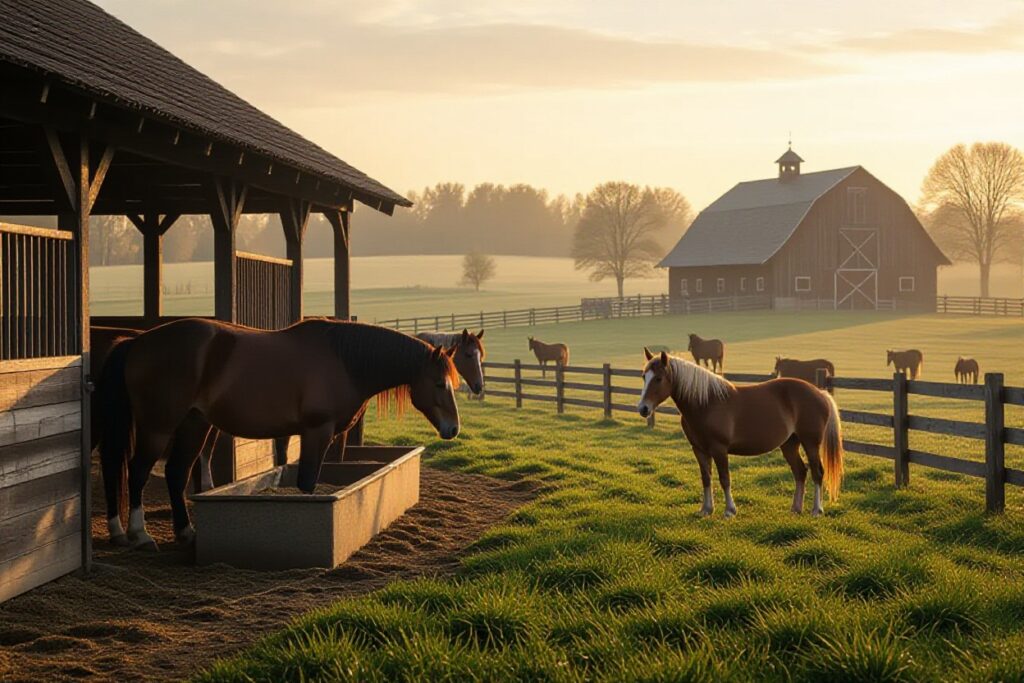
Routines shape how horses fit into farm life; as you learn what do horses do on a farm, you’ll see daily tasks like feeding and turnout, grooming, exercise, and health checks, alongside seasonal roles from plowing to breeding. You plan training and balance work with rest, guard against dangerous hazards such as unpredictable behavior or poor footing, and value the positive benefits of companionship, therapy, recreation, and economic contribution to your farm.
Key Takeaways:
- what do horses do on a farm: historically they were primary draft animals for plowing and hauling; today their roles have shifted toward recreation (riding, trails), therapy, breeding, education, selective farm tasks, and agritourism.
- Daily routines center on consistent feeding, turnout, exercise and training, grooming, hoof and veterinary care, plus scheduled rest; routines and workloads change seasonally to match forage, weather, and breeding cycles.
- Effective farm management balances training and work–rest limits to protect welfare; mechanization reduced routine labor roles but horses continue to provide economic value through specialized work, breeding, services, and visitor-focused activities.
The Role of Horses in Agriculture
Historical Significance
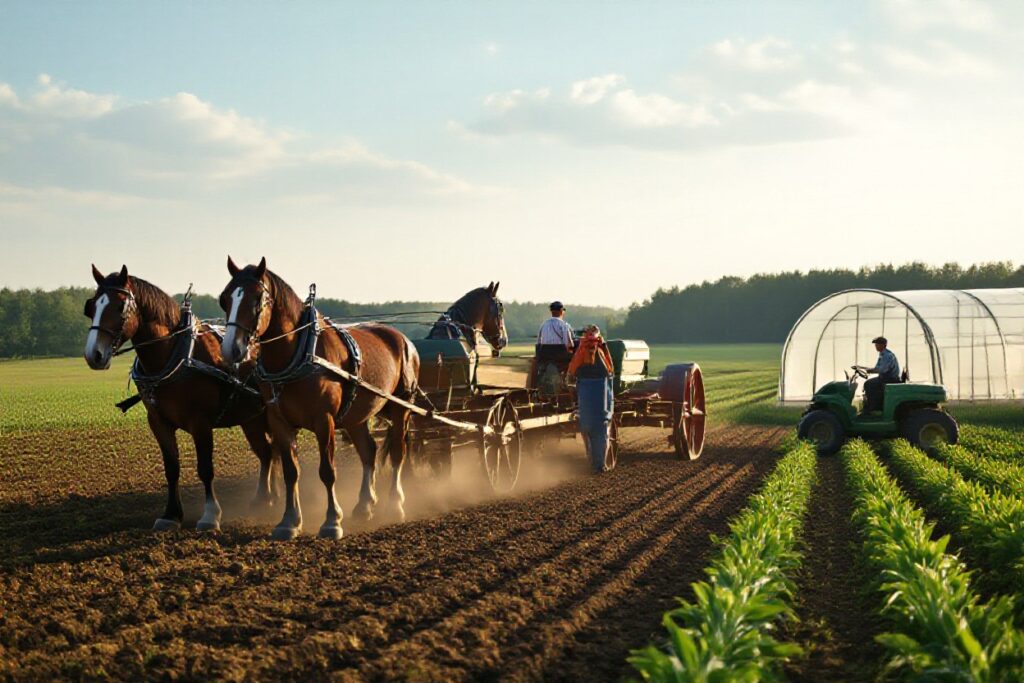
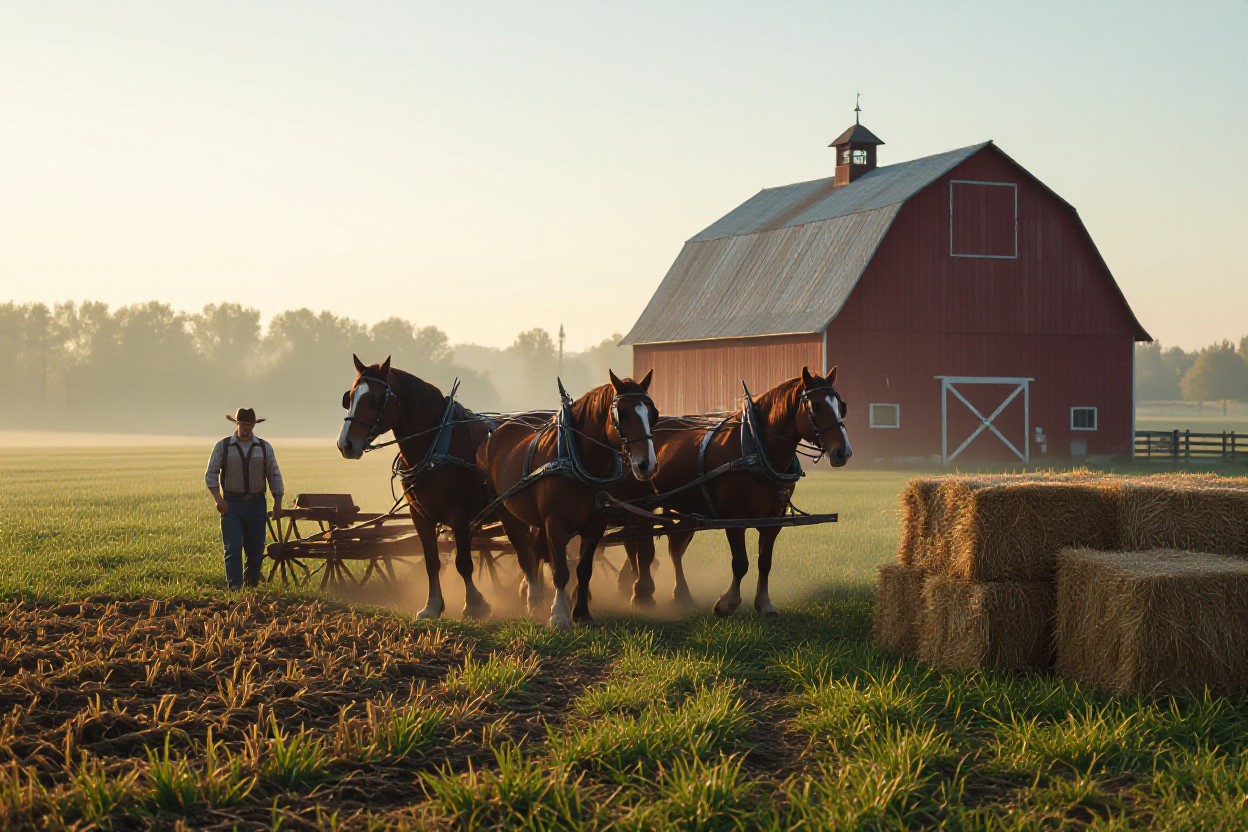
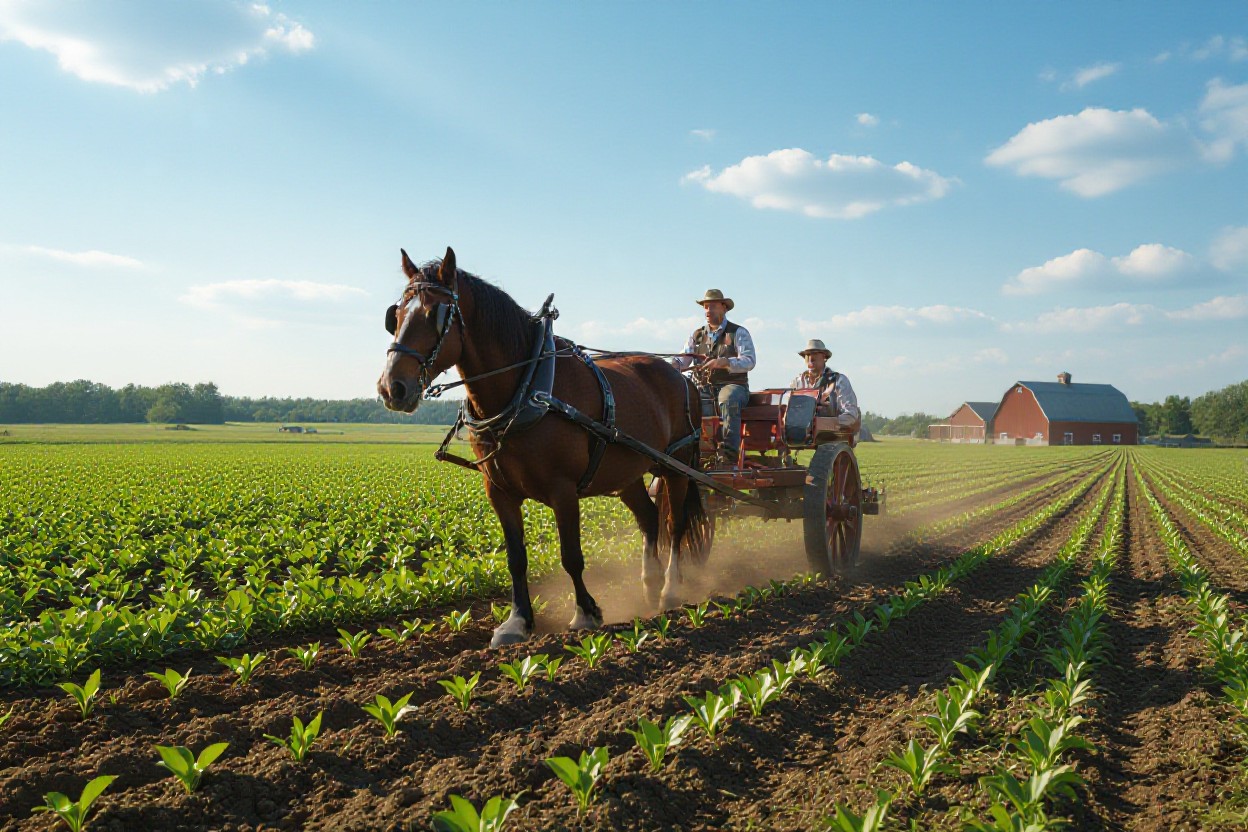
Before tractors, you relied on horses for plowing, hauling and seedbed preparation; draft breeds like Percherons and Clydesdales powered most farms. Farmers often put teams to work for 4–8 hours daily during peak seasons, and whole communities organized around horse care, shoeing and fodder supply. While mechanization between 1910–1950 reduced numbers dramatically, you can still trace modern practices—rotation, harness design and team-handling—directly back to that era, along with persistent risk of injury during heavy work.
Modern Day Roles
Today you see horses used for recreation, education, therapy and niche farm tasks: trail riding, equine-assisted therapy (PATH Intl. programs), breeding and small-scale logging. Many farms combine roles—offering lessons, agritourism and carriage rides—to diversify income. In conservation grazing, horses manage brush where machines struggle, and on family farms you may replace a tractor for under-20-acre plots, gaining lower fuel costs and increased public interest.
Digging deeper, your modern horse program must balance training, health care and economics: a lesson horse often works 3–6 hours weekly, while therapy mounts need steady temperament training and veterinary oversight to avoid lameness and stress-related injuries. Examples include Amish communities in Lancaster County that still use horses daily for fieldwork, and regenerative farms that use draft teams for low-impact tillage and timber extraction on steep slopes. You should budget for feed, farrier, insurance and certified training if you intend to host public activities, since income from rides, clinics and breeding can offset costs but requires consistent animal welfare and safety protocols.
Daily Routines of Farm Horses
Morning Activities
You typically start by checking each horse between 5:30–7:30 AM: groom, pick hooves, and feed hay and any concentrate — about 1.5–2% of body weight in forage daily split across meals. You’ll muck stalls, inspect legs for cuts, and either turnout for pasture or tack up for plowing/pleasure work; a 10–20 minute warm-up reduces injury. Watch for signs of colic after feed changes and be careful moving horses near gates to avoid handling accidents.
Midday Tasks
You use mid-morning to mid-afternoon for turnout, light training, or fieldwork: turnout often runs 4–6 hours, while ridden or driven sessions are usually 30–60 minutes. You monitor water (horses drink ~5–10 gallons/day), check shelters, and apply fly control in summer. Feeding schedules and work/rest balance here directly affect performance and hoof health, so you adjust based on workload and weather.
On mixed farms with 4–10 horses, midday management also includes pasture rotation every 2–3 days to prevent overgrazing and reduce parasite loads; trainers often split skill work into two 20–30 minute sessions to improve retention. In heat above 80°F you shift hard work to cooler hours to lower heatstroke risk, and during breeding season you schedule mare checks and stallion turnout strategically. These small tweaks keep your horses sound and productive.
Evening Care
You finish the day by bringing horses in between 5:00–8:00 PM, offering the second major hay meal, topping up concentrates if used, and doing a final hoof pick and injury check. Blanketing is applied when temperatures drop below ~40°F for clipped or older horses. A steady evening routine reduces stress and helps recovery; prioritize safe handling near feeders to avoid feeding-related injuries.
After lights-out you commonly do a full stall clean and bedding refresh, medicate wounds or give supplements, and set waterers for overnight use; foaling mares or young stock may need checks every 2–4 hours with video monitors. Consistent evening practices lower incidence of respiratory issues and laminitis from sudden pasture access, while also enhancing turnout readiness and overall condition for the next day.
Traditional Tasks Performed by Horses
Plowing and Tilling
When you turn to horse-powered fields, horse teams historically pulled moldboard and sulky plows to cut furrows 6–12 inches deep and prepare seedbeds; a two-horse team commonly handles medium soil while a single horse suits garden plots. You’ll use harrows and cultivators after plowing, and breeds like the Suffolk Punch and Percheron are typical. Powerful and maneuverable on uneven ground, horses still demand attention to footing and workload to avoid strain or injury.
Hauling Equipment and Supplies
On your farm, horses haul feed, fencing, and small hay bales—small square bales weigh ~40–60 lb each—using wagons or sleds; a single draft horse can pull a loaded wagon of several hundred to a few thousand pounds on good roads, while two-horse teams move heavier loads. You’ll favor Belgians or Percherons for steady pulling; keep harnesses fitted and cargo balanced to prevent mishaps. Efficient for short hauls, but hazardous if harness or brakes fail on slopes.
For more detail, you should check load distribution (axle-centered loads reduce strain), inspect traces and breeching before every trip, and use collars sized to the horse—ill-fitting gear increases rubs and reduces pulling power. On many small farms, teams routinely move 500–2,500 lb of supplies over 1–3 miles; choosing wheeled carts for fields and sleds for snow makes long hauls easier. Regular harness maintenance and planning routes avoid dangerous steep grades and tipping.
Logging and Timber Work
You’ll see horses used for selective logging—skidding felled trees 8–20 ft long and weighing several hundred to a few thousand pounds—especially where machinery would damage soils. Teams work with chokers, logging chains, and a forecart or arch to lift one end, using winter snow or skid trails for easier movement. Low ground impact is a major benefit, but you must manage hazards: boggy ground and rolling logs present serious risks.
Digging deeper, your logging setup should include well-placed skid trails (often spaced 20–30 ft apart), an arch to reduce drag, and experienced handlers using taglines to control swing; common skidding distances run 100–300 yards to the landing. On many operations, two horses regularly move 500–2,500 lb logs, and working in frozen conditions further limits rutting. Always plan an escape route, use secure chokers, and protect hooves with shoes or pads for rocky terrain.
Modern Activities Involving Horses
Recreational Riding
When you consider what do horses do on a farm today, many serve as pleasure mounts for trail riding, lessons and arena work; typical lesson rates run between $40–$80 per hour while guided trail rides often cost $25–$60 per rider. You should prioritize safety: require ASTM/SEI helmets, boots and tack checks, and maintain hoof care on a 6–8 week farrier schedule to keep horses sound for regular recreational use.
Agritourism Ventures
You can diversify farm income with agritourism: pony parties, farm tours, carriage rides and overnight stays attract visitors and boost visibility, often adding $5,000–$30,000+ per year depending on scale. Operators must carry liability insurance, have trained staff for public handling and meet local permitting and biosecurity rules to protect horses and guests.
For example, if you run three 1-hour guided rides a day with an average of four riders paying $35 each for a 20-week season, that translates to roughly $16,800 gross revenue (3×4×$35×7×20); you then subtract costs for staff, feed, insurance and maintenance. You will want structured waivers, ADA accommodations where required and clear safety briefings; keeping groups small and supervised reduces incidents and preserves the herd’s temperament.
Breeding and Sales
You may breed for herd improvement or income, knowing a mare’s gestation is about 11 months and foals are typically weaned at 4–6 months. Stallion services and yearling prep affect profitability—stud fees range widely and sales prices vary by breed and discipline—so expect added vet work, paperwork and marketing when you enter breeding and sales.
Digging deeper, a typical cost breakdown might include a stud fee of $1,000–$5,000+, veterinary reproduction costs of $500–$1,500, and annual upkeep while the foal grows; producing a performance prospect can easily total $5,000–$15,000 before sale. You should run health testing, maintain breeding records, time vaccinations and deworming strategically, and plan sales channels—private sales, auctions or consignment—to match your target buyers and maximize return.
Feeding and Nutrition
Types of Feed
You rely on three main feed categories: high-quality forage (hay and pasture), concentrates (grains and commercial mixes) for higher energy needs, and free-choice clean water; typical maintenance intake is about 1.5–2% of bodyweight in forage daily for an average 500 kg horse. Thou must match energy density to workload, age and metabolic status.
- Forage — primary fiber source, 8–12 kg/day for a 500 kg horse
- Concentrates — oats, barley, commercial feeds; 0–4 kg/day depending on work
- Supplements — vitamins, minerals, electrolytes to balance deficits
- Water — 25–45 L/day, more in heat or work
- what do horses do on a farm — feeding patterns and rationing reflect roles from light recreation to heavy work
| Feed Type | Daily Guideline (per 500 kg horse) |
|---|---|
| Grass/Legume Hay | 8–12 kg (1.5–2% BW) |
| Pasture Intake | Variable; 24–48 hr turnout typical; adjust by condition |
| Grain/Concentrates | 0–4 kg depending on workload |
| Salt & Minerals | Free-choice salt block; trace mineral balancer as needed |
| Water | 25–45 L/day; increases with exercise/temperature |
Hay and Pasture Management
You should test hay for protein, energy and NSC; maintenance horses often do well on hay with ~10–12% crude protein, while performance or growing horses need 12–16%. Store hay elevated and covered to prevent mold; moldy hay can cause respiratory issues and colic, so inspect bales and feed clean, dry forage.
Rotate paddocks and aim for a stocking rate of roughly 1.5–2 acres per horse in many temperate regions, adjusting for forage productivity; conduct soil tests annually and fertilize based on results to maintain sward quality. Cut hay at appropriate maturity—first cut yields more tonnage but higher fiber, later cuts are richer—test each cutting for NSC and protein, and manage grazing to avoid overgrazing and parasite pressure.
Supplements and Special Diets
You add supplements when forage plus concentrates leave gaps: common additions include vitamin/mineral balancers, electrolytes in hot weather, and joint supplements (glucosamine, MSM). For metabolic horses, target low-NSC rations (<10–12% NSC) and test hay; soaking hay 30–60 minutes can reduce sugars by ~30–45%.
Prescription or therapeutic diets are appropriate for laminitis, EMS, Cushing’s/PPID, or severe ulcers—work with your vet to select a formulated feed. Consider biotin (commonly 10 mg/day) for hoof growth and omega-3 sources for inflammation control; monitor body condition score weekly and adjust rations, because overfeeding concentrates is linked to colic and laminitis, while underfeeding reduces performance and reproductive efficiency.
Health Care and Veterinary Needs
Routine Check-ups
You should schedule veterinary wellness exams at least once a year for healthy adults and every 6 months for seniors or performance horses; these visits include body condition scoring, dental checks, fecal egg counts, and vitals (normal temp 99.5–101.5°F, HR 28–44 bpm, RR 8–16/min). Farrier work every 6–8 weeks and a dental float yearly (or twice annually for older horses) keep your horse sound and eating well, while periodic weight and gait assessments catch problems early.
Preventative Care and Vaccinations
You’ll follow a risk-based vaccination plan: core vaccines—tetanus, rabies, EEE/WEE, and West Nile—are typically given annually, while influenza and EHV (rhinopneumonitis) are administered based on travel, competition, or breeding needs. Timing matters: vaccinate before mosquito season for EEE/WNV and boost performance horses every 6 months for influenza protection.
For foaling mares, you should administer an EHV booster at roughly 5, 7 and 9 months gestation to raise colostral antibody levels for the foal; example protocols start with a 2-dose primary series in youngstock spaced 4–6 weeks apart, then annual boosters. Additionally, coordinate tetanus and rabies shots annually, and plan influenza/EHV boosters within 1–2 weeks of travel or competition. Use fecal egg counts every 8–12 weeks to guide deworming rather than fixed rotation, reducing resistance and targeting high shedders.
Common Health Issues
You need to watch for top farm problems: colic and laminitis are the most dangerous, while respiratory infections, dental overgrowth, parasites, and lameness are frequent. Sudden changes in appetite, rolling, repeated pawing, or heat in a hoof require immediate attention, and tracking body condition, manure consistency, and work tolerance helps you detect trouble early.
Colic prevention on your farm hinges on consistent turnout, regular feeding of high-quality forage, and avoiding abrupt diet changes—studies show management accounts for most colic risk. For laminitis, reduce high-NSC pasture access in spring and test pastures for sugar content when needed; manage weight with controlled grazing and balanced rations. Routine hoof care, quick treatment of rising digital pulses or uneven hoof rings, and targeted deworming based on fecal egg counts dramatically lower the incidence of chronic problems on small farms and large operations alike.
Grooming and Maintenance
Daily Grooming Practices
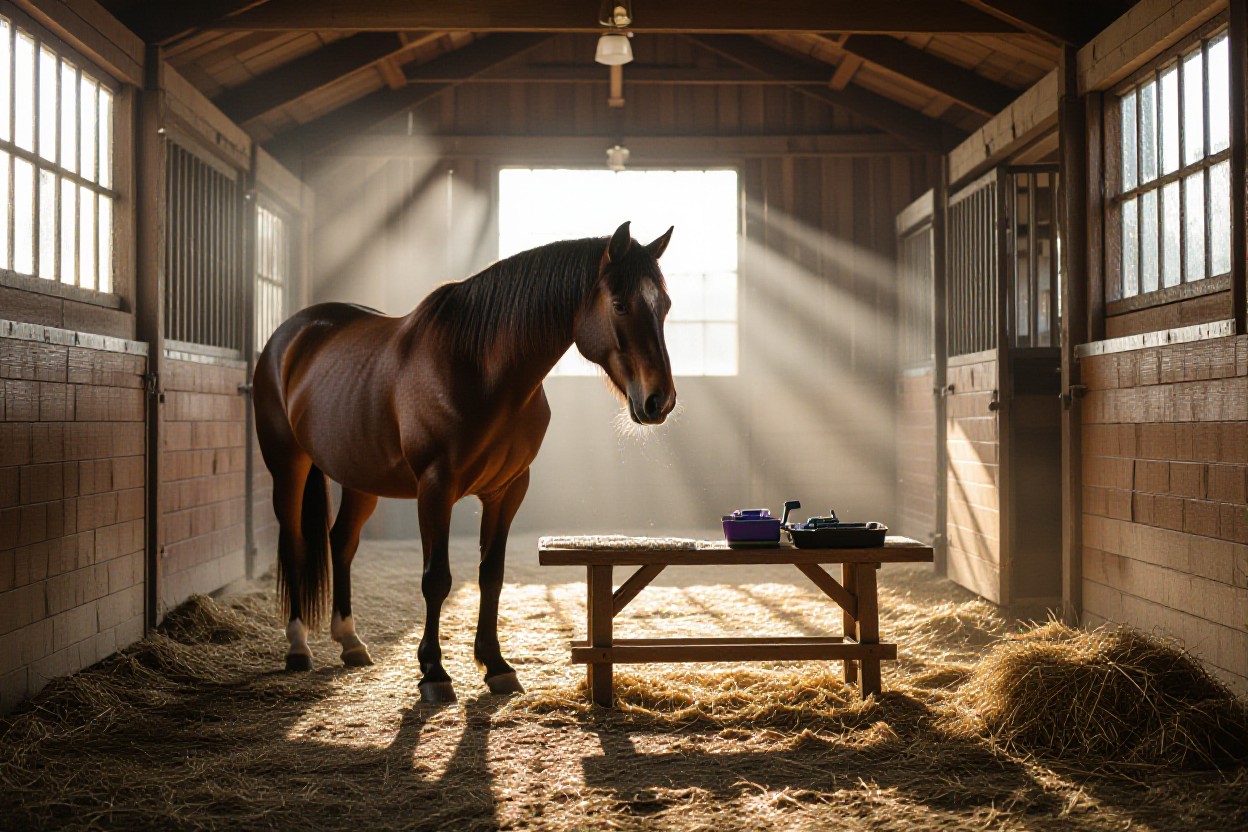
You should spend 10–20 minutes daily currying, brushing, and checking for cuts, ticks, or sweat marks; use a rubber curry to stimulate circulation, a dandy brush to remove dust, and a mane comb for tangles. Pay special attention to pressure points under the saddle and girth area, and inspect legs for heat or swelling after work to catch issues early in what do horses do on a farm routines.
Hoof Care and Maintenance
Pick out hooves each turnout or ride, cleaning the frog and sulcus to remove stones and manure; goal is daily removal to prevent packed debris and reduce risk of thrush and puncture wounds. Schedule a farrier every 6–8 weeks for trims or shoeing, sooner—4–6 weeks—if the horse is in heavy work or on abrasive terrain.
Farrier visits should include a hoof balance check, trimming to correct long toe/low heel angles, and shoe selection: steel for heavy farm work, aluminum for competition, or barefoot trimming for pasture horses. Watch for signs of problems—foul odor, black discharge, sensitivity to hoof testers, or a bounding digital pulse—and call your farrier or vet immediately. Maintain dry standing areas, rotate wet paddocks, and use antiseptic dips or barrier ointments when thrush or white-line disease appears; document hoof growth rates (average 1⁄4 inch/month) to time interventions.
Tack and Equipment Management
Wipe leather tack after every ride, deep-clean weekly with glycerin soap and condition monthly; inspect stitching, billets, buckles, and girth straps for wear and replace frayed parts to avoid sudden failure. Check saddle fit each month or when the horse’s condition changes—an ill-fitting saddle can cause sores, behavioral issues, and long-term back damage.
Store tack in a dry, ventilated tack room and hang saddles on trees to preserve the tree shape and leather. Use a girth cover or fleece to prevent rubs, rotate saddle pads to manage sweat and pressure, and keep a maintenance log noting cleaning dates and repairs. For safety, test stirrup leathers and reins before mounting, and consider a professional saddle fitter annually or after a 10–20 lb change in your horse’s weight or a change in work level.
Training for Farm Activities
Basic Training Techniques
You should start with solid ground manners: leading, tying, picking up feet and standing quietly for 10–15 minutes, 3–5 times per week. Use longeing for balance and voice cues for stop/stand/walk; introduce saddle or harness work in 5–10 minute increments at first. Many trainers begin light harness or under-saddle conditioning at 3–4 years, and maintain sessions under 30 minutes to prevent fatigue. Strong reinforcement with consistent cues builds reliability, while inconsistent handling can produce dangerous spooking or bolting.
Specialized Skills for Work
You’ll teach hitching, backing up under load, and soft mouth contact for draft or cart work; on a cart a well-conditioned horse can move progressively loaded weights of roughly 1,000–3,000 lb depending on terrain and wheel friction. Train on varied surfaces and introduce implements (plow, sled, wagon) slowly, using saddle or breast collar fit checks every session. When you consider what do horses do on a farm, these skills let them shift from recreation to productive hauling or light plowing.
More detailed programs break the work into stages: 2–3 weeks of desensitization to harness noises and straps, followed by 4–8 weeks of in-hand driving and short, light pulls—start with 50–100 lb resistance and increase by ~10% weekly while monitoring gait. Teach team work with one experienced lead horse before pairing two green animals. Pay attention to fit and skin: a poor harness fit or sudden overload can cause saddle/harness sores, lameness, or acute strain, so you should inspect tack daily and consult a saddler or farrier if irregular gaits appear.
Behavioral Management
You’ll manage stable vices and work stress with firm, predictable routines: daily turnout of 4–8 hours, consistent feeding times, and scheduled training slots reduce anxiety and energy spikes. Use positive reinforcement for correct responses and short correction for dangerous acts like kicking or rearing; record sessions so you can spot patterns. Expect most adjustment issues within the first few weeks of new duties and plan gradual increases in workload to avoid behavioral regression.
More practically, you should implement counter-conditioning for specific problems—if a horse balks at the harness, pair the harness with treats and slow lunging until relaxed, then progress to in-hand pulling. Use 10–20 minute focused sessions rather than long, fatiguing rides; rotate tasks (cart one day, light riding another) to balance mental load. When dangerous behaviors persist, engage an equine behaviorist or veterinarian to rule out pain, and document changes in behavior alongside hoof, dental, and saddle fit checks to address underlying causes promptly.
Seasonal Routines and Changes
Spring Activities
As grass greens up you’ll increase turnout to 6–10 hours to rebuild conditioning, introduce concentrates slowly over 7–10 days, and run a fecal egg count to guide deworming; watch for laminitis risk on lush pastures and use strip-grazing or grazing muzzles if needed. You’ll schedule dental checks and spring vaccinations, inspect hooves after muddy thaw, and monitor broodmares closely during foaling season with daily checks and a foaling kit at hand.
Summer Maintenance
During hot months you’ll shift exercise to early morning or late evening, provide constant access to clean water and shade, increase fly control with masks, repellents and traps, and offer free-choice salt or electrolytes after heavy work to replace losses; watch for signs of heat stroke such as prolonged sweating, weakness, or rapid breathing.
Practically, adopt integrated pest management: eliminate standing water, deploy parasitic wasp fly predators in pastures, and rotate manure piles weekly to reduce fly pressure. Install barn fans and consider light body clipping for horses working five+ days weekly to improve cooling. For hydration, ensure troughs are flushed daily and provide a minimum of one free-choice salt block per paddock; when temperatures exceed 85°F limit intense schooling and shorten ridden sessions by 30–50%. Also maintain vaccinations for mosquito-borne threats and schedule hoof checks every 4–6 weeks since soft, wet conditions accelerate hoof wear.
Winter Care
In cold weather you’ll increase forage to maintain body heat, use heated or insulated waterers so water doesn’t freeze, and provide windproof shelter during turnout; check body condition weekly because reduced grazing and wet coats can hide weight loss. Be alert for colic risk from frozen water and signs of hypothermia, and base blanketing decisions on coat, clipping status, and body condition rather than temperature alone.
Operationally, plan hay to supply 1.5–2% of body weight daily (e.g., a 500 kg horse needs ~7.5–10 kg hay) and increase by ~10–20% for hard keepers or clipped animals. Keep stalls well-bedded and rotate turnout to avoid icy, deep-mud paddocks; install tank heaters or check troughs twice daily when freezing is likely. Maintain a 6–8 week farrier schedule to prevent hoof cracking and monitor water intake with buckets or meters to detect early dehydration. Finally, adjust feeding gradually when switching rations to avoid digestive upset and keep turnout times reasonable—short, frequent sessions with access to shelter work best.
Economic Considerations
Cost of Care and Maintenance
You should budget roughly $3,000–$10,000 per horse per year for feed, bedding, farrier, routine vet work and facilities; hay runs about $100–$300/month, shoeing every 6–8 weeks costs $30–$200, and routine vet care $300–$1,000 annually. Factor in emergency vet bills of $1,000–$5,000+, liability insurance, and infrastructure depreciation; small changes in feed or a single colic surgery can swing costs dramatically, so you need a dedicated contingency fund.
Revenue from Farm Horse Activities
You can offset costs with lessons ($25–$75/hour), boarding ($300–$1,200/month per stall), trail or carriage rides ($50–$200/hour), breeding/stud fees ($500–$5,000+), and agritourism events; therapy programs and school mounts also bring steady income. Diversify income streams so one slow season doesn’t leave you exposed, and well-trained horses often earn more than untrained ones.
For example, if you run 10 lessons per week at $40 each you net about $1,600 monthly before expenses; adding three boarded horses at $500/month brings $1,500 more. Breeding can be lucrative—an active stallion with a $2,000 stud fee and 10 covers a season yields $20,000 gross—but you must subtract vet, promotion, and mare-care costs. Also include permit, licensing and liability coverage for public activities; a single rider injury can cost tens of thousands in legal fees and settlements, so risk management and clear waivers are imperative.
Market Trends in Horse Ownership
Ownership has shifted from draft labor to recreation, therapy and education, with the U.S. equine sector contributing over $100 billion to the economy; demand for lesson horses, school mounts and therapy partners is rising while pure working-horse numbers decline. Urbanization and higher upkeep costs mean you may see fewer full-time farm horses but more part-time, higher-value animals.
Online marketplaces, video marketing and virtual vet consults have widened your buyer pool, increasing sale prices for well-trained mounts—typical riding horses commonly sell from $2,000–$20,000 while specialized sport or breeding stock can fetch much more. Demographics show older owners holding established farms while younger enthusiasts favor leasing or lessons, so if you’re positioning your farm expect steady demand for recreational and educational services, plus growth in therapeutic riding programs and agritourism as alternative revenue paths.
Comparison of Historical and Modern Roles
Historical vs. Modern Roles — quick comparison
| Historical Roles | Modern Roles |
|---|---|
| Primary traction for plowing, harrowing, hauling wagons and threshing; teams worked dawn-to-dusk during planting/harvest seasons. | Recreation (riding, showing), therapy programs, breeding, education, and niche work like logging or conservation grazing. |
| Daily routines centered on heavy field labor, shoeing every 4–8 weeks, simple forage-based diets, high seasonal workloads. | Managed turnout, structured exercise, targeted nutrition, regular veterinary care and specialized training for sport or therapy. |
| Equipment: harness, plow, wagon; skills: draft driving, team management; economic value tied to productivity per acre. | Equipment: saddles, trailers, therapy tack; skills: riding instruction, stable management; value often measured in services and experience. |
| Risks: overwork, poor field conditions causing injuries, limited veterinary options historically. | Risks: riding-related injuries, transport stress; benefits: better veterinary care, improved welfare standards. |
Changes Over Time
As you track the arc from pre-mechanized farms to today, horses moved from being indispensable draft power to multifaceted partners: originally used for plowing and hauling across most farms, they were largely displaced by tractors during the early–mid 20th century. Now you see fewer horses doing heavy fieldwork and more involved in riding, therapy, and education, with seasonal labor replaced by predictable turnout and planned exercise schedules.
Technological Advancements
When you compare eras, the biggest shift came from internal combustion tractors and mechanized implements that multiplied field capacity, cutting the need for draft teams; at the same time, advances in veterinary medicine, farriery and feed science changed how you manage horse health and productivity.
Specifically, tractors and combines let a single operator cover what took several horse teams and crews, transforming farm economics and scale. Meanwhile, modern shoeing techniques, vaccines, anthelmintics and balanced concentrates extended working life and performance—so you can plan long-term breeding, sport, or therapeutic programs. GPS-guided implements and electric fencing also let you integrate horses into mixed-use systems, using them for low-impact tasks like selective logging or targeted grazing where soil compaction is minimized and ecosystem benefits are maximized.
Impact on Farming Practices
You’ll find that farms adapted by reallocating labor, altering land use, and redefining horses’ economic roles: many small or diversified farms retain horses for specific tasks, public engagement, and value-added services rather than bulk fieldwork.
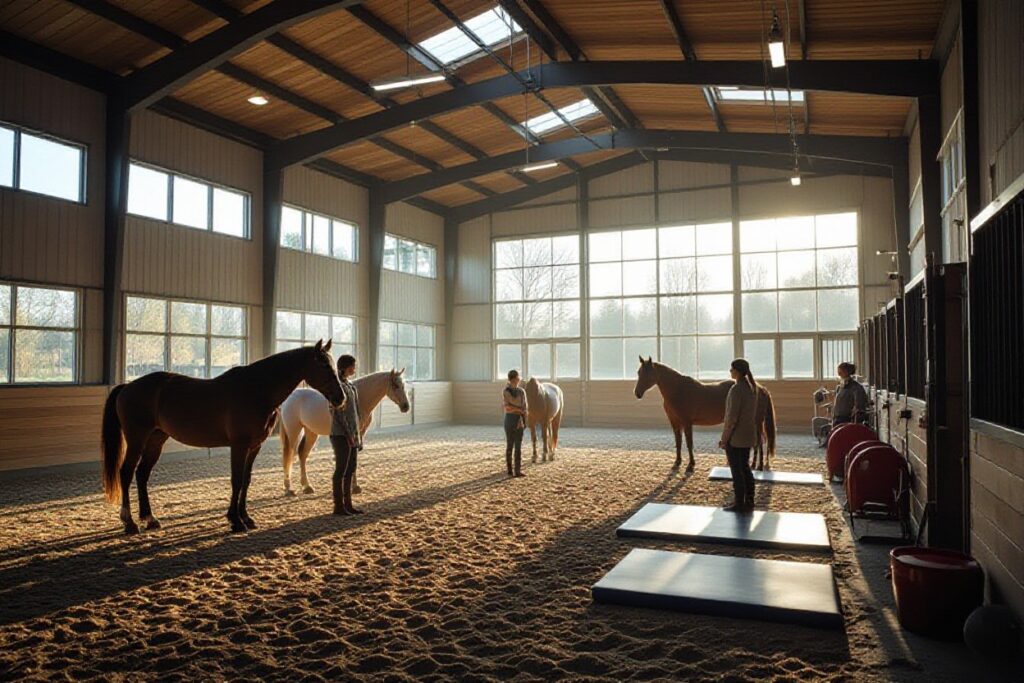
On operational levels, this means different training regimens, seasonal scheduling, and infrastructure: stables designed for turnout, arenas for exercise, and handling facilities for visitors and therapy clients. Economically, horses now often contribute through lessons, trail riding fees, and agritourism rather than crop acres harvested; practically, you must balance work vs rest carefully to avoid lameness or overuse injuries. Case examples include sustainable forestry operations that use draft horses for low-impact log extraction and educational farms that run income-positive programs highlighting equine care and history, showing how your farm can blend tradition with modern revenue streams.
Community and Social Aspects
Interaction with Other Animals
You’ll see horses cohabiting with cattle, sheep and goats on mixed farms, often forming herd bonds that reduce stress; positive social grooming between species is common. Introduce newcomers slowly over 2–4 weeks with shared fence time, and schedule parasite control every 8–12 weeks to limit cross-species transfer. Watch for stallion aggression or herd-ranking fights—those are dangerous and can cause kicks, bites or lameness requiring vet care.
Horses and Agricultural Festivals
You’ll find horses featured in plowing matches, draft shows and parades, often in classes for singles, pairs or teams of 4–6 animals; these events draw local crowds and preserve historical skills. Farmers use festivals to demonstrate traditional tasks like harness plowing, and trainers typically condition horses with 2–4 weekly sessions before public demos to ensure calm performance.
Events like county fairs and regional ploughing championships attract 5,000–20,000 visitors, turning demonstrations into revenue and outreach for farm programs. Teams of draft breeds (Percheron, Clydesdale, Belgian) may pull sleds or logs in controlled setups—Clydesdales and Belgians are often shown in singles, pairs or four-horse teams, and handlers follow strict safety plans, crowd barriers and insurance requirements. You should plan at least 3–5 months of harness conditioning and desensitization for horses new to festivals to mitigate dangerous noise- and crowd-induced spooking.
Role in Family Farms
You’ll commonly find 1–3 horses on family farms used for light draft work, hauling firewood, transporting produce to markets and providing riding lessons for children; they also deliver educational value about land stewardship. Expect monthly upkeep of roughly $150–$500 per horse depending on feed and hay, and plan for one foal per breeding mare per year if you run a small breeding program.
On small-scale mixed operations, horses reduce reliance on heavy machinery for sensitive soils and support diversified income through lessons, trail rides and occasional hire for historical demonstrations. Case studies from conservation-minded farms show teams of two horses managing 0.5–1 acre per hour in demonstration plowing, while family-run breeding programs can net varied returns—mare care and stud fees often dictate economics. You should weigh labor, veterinary care and fencing upgrades against benefits when deciding how horses fit into your farm model.
Challenges Faced by Farm Horses
Physical Strain and Injuries
You’ll see the wear from repetitive work: lameness, tendon strains, hoof damage and joint arthritis are common when horses pull heavy loads or work on hard ground. Draft breeds like Belgians tolerate weight but still develop chronic joint wear after years of plowing or logging. Monitor gait daily, rotate tasks, and expect veterinary checks; early intervention can prevent long-term disability and loss of use.
Evolving Farm Practices
As you shift from traditional plowing to mixed-use farms, horses often move into roles like education, traction for specialty crops, or agritourism; farms that once ran teams now retrain animals for carriage rides, therapy sessions, or riding programs. Some communities, such as Amish farms, still use horses daily, showing how adaptation preserves both heritage and practical utility.
Mechanization replaced most commercial draft work during the 20th century—tractors became dominant by the 1940s—but you can still find horses on small-scale and niche operations. Contemporary practices favor rotational grazing, low-till systems and targeted horse labor for tasks where soil compaction or fuel costs make machinery less desirable. Consequently, you may need to retrain horses for lighter, more varied duties and invest in education programs that teach harness reuse, carriage safety, and public-facing handling for farm tours or therapy work.
Competition with Machinery
Your horses face direct competition from tractors and ATVs that do the same jobs faster and cheaper for many farms. A basic utility tractor typically ranges from $10,000–$30,000, and it can plow or haul in hours what a team might take a day to finish; that efficiency often tips economic decisions away from using horses for routine fieldwork.
When you compare costs, weigh upfront machinery purchase against ongoing horse expenses: feeding a horse can run roughly $1,200–$3,000 per year depending on hay and grain needs, while routine vet and farrier care commonly add several hundred to a few thousand dollars annually. Conversely, tractors incur fuel, insurance and maintenance costs—often $1,000–$5,000 per year—plus depreciation. Your choice hinges on workload intensity, land sensitivity (horses cause less soil compaction), and non-monetary values like education, tourism appeal, or preserving traditional skills.
Conclusion
Presently you know the answer to “what do horses do on a farm”: they combine historical labor like plowing and hauling with modern roles in recreation, therapy, breeding, and education; your daily routines—feeding, turnout, exercise, training, and rest—shift seasonally, and sound farm management balances work and welfare while preserving economic value and cultural heritage.
FAQ
Q: What do horses do on a farm: daily routines and activities?
A: On a typical farm, what do horses do on a farm is a mix of scheduled care, movement, social interaction, maintenance work and specific job tasks depending on their role. Daily routines usually revolve around feeding and watering, turnout or stall time, exercise or work, grooming and health checks, and evening management. Feeding is scheduled twice or more daily: forage (hay or pasture) is the foundation of the diet, supplemented with concentrates, vitamins or electrolytes when workload or body condition requires it. Clean, accessible water is offered continuously; automated systems or buckets are checked and cleaned daily. Turnout patterns vary by farm and horse: many horses enjoy several hours of pasture or paddock turnout to graze, socialize and move freely, which supports digestion, hoof health and mental well-being. Stall-kept horses receive mucking out and fresh bedding at least once daily; manure and soiled bedding are removed and used for compost or removed from the property as part of pasture and parasite management. Exercise and work differ widely: riding horses may be schooled, trail ridden, or used for lessons; draft or driving horses might perform light hauling, field tasks on small or specialty farms, or be used for demonstration. Conditioning programs are tailored to workload—warm-up and cool-down, varied gaits, and progressive fitness sessions reduce injury risk. Grooming is a daily ritual that includes brushing, mane/tail care, hoof picking and tack checks to prevent rubs and pressure sores. Daily health checks look for changes in appetite, manure consistency, lameness, wounds, respiratory issues or behavioral shifts; any concerns prompt immediate evaluation by staff or a vet. Farrier and dental schedules aren’t daily but are integrated into the routine year-round: trimming/shoeing every 4–8 weeks and dental floats every 6–12 months. Parasite control, vaccinations, and deworming are managed on a schedule informed by fecal egg counts and veterinary advice. Seasonal adjustments alter daily practices—more hay and blanketing in winter, fly control and increased water access in summer, and grazing management in spring to prevent laminitis from lush growth. For horses used for work or lessons, rest days and light maintenance rides are built in; young horses have progressive training days with frequent rest to allow musculoskeletal development. Farm staff maintain records for feeding, health events, farrier and vet visits, breeding, and work schedules to manage welfare and economics. In short, daily life on a farm blends consistent husbandry tasks with the physical and social needs of the horse, adapted to each animal’s role, age and health status.
Q: How have horses’ roles on farms evolved from historical work to modern activities?
A: Historically, horses were central to farm labor: plowing fields, pulling harrows, hauling crops and timber, powering mill machinery and transporting people and goods. Draft breeds and sturdy work horses were selectively bred for strength, endurance and docile temperaments. Before mechanization, nearly every sizable agricultural operation relied on horses for seedbed preparation, carting harvested crops from field to yard, and moving heavy loads around the farm. The rise of steam power in the 19th century and the internal combustion tractor in the early 20th century gradually replaced horses for many large-scale, repetitive field tasks, because engines could work longer with fewer handlers and at greater speeds. As mechanization spread, the number of working horses declined, but horses remained valuable on small farms, in regions where machinery was unaffordable or impractical, and for specialized uses like logging in sensitive terrains. Modern roles have diversified rather than vanished. On contemporary farms horses commonly serve recreational and educational purposes: riding lessons, trail riding, mounted games, and competitive disciplines (dressage, show jumping, eventing) provide income and community engagement. Horses support agritourism—farm visits, carriage rides and demonstration plowing attract visitors and preserve agricultural heritage. Equine-assisted therapy and learning programs for people with physical, emotional or developmental needs have expanded the horse’s social role. Breeding and bloodstock operations are sophisticated businesses focused on performance, temperament and market demands. Some farms still use draft or driving horses for sustainable, low-compaction agriculture, organic operations, and in regions with small fields or narrow terrains where tractors are impractical. Comparison to past roles: historically horses were indispensable work engines; today they are multifunctional—workers in niche agricultural roles, partners in sport and leisure, therapeutic animals, and living links to rural history. Economically, the balance shifted: the value derived from horses now often comes from services (lessons, rides, shows, breeding) and intangible benefits (heritage, tourism, welfare programs) rather than routine crop production. This change also altered management priorities—welfare, training for varied disciplines, and biosecurity have risen, while the logistics of feed, housing and healthcare have become more standardized and regulated. The result is a broader set of roles that play to the horse’s strengths—intelligence, trainability and social nature—while mechanized power handles the heavy, repetitive tasks that once defined equine labor.
Q: How do training, work/rest balance, seasonal changes and farm management practices affect a horse’s productivity and welfare on a farm?
A: Effective training, carefully scheduled workloads, seasonal adaptations and thoughtful farm management collectively determine how well horses perform and how long they remain healthy contributors to farm life. Training programs are tailored to intended use: draft horses gain conditioning through progressive pulling and harness work with emphasis on strength and joint health; riding and sport horses follow structured flatwork, conditioning, and skill training with progressive intensity and cross-training to reduce repetitive strain; young horses follow incremental exposure to tack, ground manners and short supervised sessions to build confidence without overloading growing bones and tendons. Work/rest balance is crucial: routines typically include one to two rest days per week for actively worked horses, with light hacking or turnout on rest days to promote circulation and mental wellbeing. Heavy work demands more recovery—interval training, lower-intensity warm-ups, and active recovery rides prevent fatigue accumulation. Monitoring tools—heart rate, stride symmetry, behavioral cues, appetite and manure—help managers detect overwork early. Seasonal variations require operational changes: in winter, increased caloric needs demand more hay and possible blanketing, while footing management (indoor arenas or arena harrows) prevents injury; spring pasture management limits access to lush grass that can trigger laminitis, using strip grazing or delayed turnout; summer focuses on fly control, shade and hydration, and autumn often includes veterinary checks before breeding or competition seasons. Farm management practices influence welfare and productivity: appropriate housing (pasture, paddock, stall rotation), pasture rotation to reduce parasite loads, manure management to minimize environmental impact, and safe fencing and handling facilities reduce injury risk. Veterinary and farrier planning keeps horses sound—scheduled shots, dental care, deworming based on fecal egg counts, and routine hoof care aligned to workload ensure long-term soundness. Economic management also matters: budgeting for feed, bedding, vet, farrier and labor clarifies the return on investment in riding programs, breeding, boarding, or demonstration work. Record-keeping—work logs, medical records, breeding and performance data—allows managers to adapt plans based on measurable outcomes. For farms that use horses for light fieldwork or heritage demonstrations, matching the horse’s build and temperament to the task reduces injury and increases efficiency; lighter workloads with frequent breaks and year-round conditioning preserve longevity. For therapeutic programs, training emphasizes desensitization, steady temperaments and predictable behavior, and schedules include many short sessions and strict health protocols to protect vulnerable clients. In all contexts, staff training in low-stress handling, emergency protocols and basic health assessment improves outcomes. Balancing productivity and welfare is not a single action but an integrated set of practices: progressive training, workload monitoring, responsive seasonal adjustments, veterinary and hoof care schedules, pasture and manure management, and economic planning together ensure horses remain healthy, useful and engaged members of the farm community.