You can prevent and respond to night fright in pet birds by understanding how sudden sounds, shadows, and predator instincts trigger panic; you will learn which species are prone, how cage placement and gentle lighting reduce episodes, and how quick, calm emergency response minimizes serious injuries, while consistent routines and targeted training offer positive long-term management for your bird’s safety.
Key Takeaways:
- Night fright in pet birds is a sudden panic episode triggered by sounds, shadows or predator instincts; signs include frantic flapping, loud vocalizing, freezing, and potential self-injury from thrashing.
- Prevent episodes by eliminating triggers: steady low-level warm night lighting, secure cage placement away from windows/doors and drafts, consistent bedtime routines, visual barriers at night, species-appropriate enrichment, and gradual desensitization for prone species (cockatiels, conures, lovebirds, small parrots).
- Emergency response: stay calm, switch on a muted warm light, approach slowly, reduce drafts and noise, cover the cage gently if it calms the bird, inspect for injuries (bleeding, bruising, broken nails/wings) and seek an avian vet for any trauma; manage long-term with training, consistent lighting schedules, medical checks, and environmental adjustments to prevent recurrence.
Understanding Night Fright in Pet Birds
Definition of Night Fright
Night fright in pet birds is a sudden, intense panic episode that occurs after lights-out, triggered by unexpected sounds, moving shadows, or instinctive predator responses; you’ll see frantic wing-flapping, explosive squawking, and rapid movement as the bird tries to escape perceived danger. These episodes can lead to violent thrashing and self-injury, especially in smaller parrots like cockatiels, budgerigars, and conures, and often happen within the first one to two hours of darkness.
Importance of Recognizing Symptoms
You need to spot early signs—repeated startles, persistent shrieking, frantic pacing, torn or blood feathers, and refusal to settle—so you can act before damage worsens. Bleeding, labored breathing, or an immobile limb indicate an emergency and warrant immediate intervention.
Watch for secondary cues the morning after an episode: reduced appetite, fluffed posture, altered droppings, or reluctance to perch can signal pain or shock. In one common case, a budgie that slammed into cage bars during a thunderstorm showed a broken blood feather and became lethargic for 48 hours; quick recognition and basic first aid prevented heavier blood loss and the need for emergency surgery. Early detection lowers the risk of complications and shortens recovery time.
The Impact on Bird Health
Repeated night fright episodes put your bird at risk of physical injuries—broken wings, torn blood feathers, head trauma, and heavy bleeding—and physiological stress that disrupts sleep and immune function. Even a single severe episode can trigger long-term behavior changes like increased fearfulness or feather damage.
Over weeks, chronic night frights can lead to sleep deprivation, weight loss, and elevated stress hormones that suppress immunity, increasing susceptibility to respiratory or skin infections. Small species with high startle reflexes—cockatiels, budgies, and small conures—are particularly vulnerable; altering lighting, eliminating night noise sources, and improving cage placement often prevents recurrence and improves long-term health outcomes.
Causes and Triggers of Night Fright
Environmental Factors
Sudden shifts in the room — loud bangs, flickering bulbs, drafts, or moving shadows — commonly precipitate night fright in pet birds. You’ll see typical triggers at home:
- Sudden noises (door slams, thunder, TV spikes)
- Flickering lights or flashing screens
- Temperature drops or cold drafts
- Moving shadows from people, pets, or curtains
The more unpredictable the environment, the higher your bird’s chance of panicked thrashing.
Changes in Routine
Shifts to meal times, bedtime, travel, or overnight guests often trigger episodes within the first night or two; younger and recently rehomed birds show the strongest reaction. You may notice increased pacing, vocal alarm, or sudden flight attempts after even a single schedule change.
Mitigate risk by reintroducing changes gradually: adjust lights and sleep times by 10–15 minutes per night and maintain a 20–30 minute pre-bed ritual (quiet talk, dimming, cover). Allow at least 7–14 days for full acclimation after a move or major schedule shift, and keep feeding and lighting consistent to reduce stress.
Predatory Threats
Visible predators or predator-like cues — cats and dogs near the cage, hawk silhouettes outside the window, reflective surfaces creating false movements — instinctively trigger night fright in pet birds. Small parrots like budgies and cockatiels react fastest, often within seconds of detecting a threat.
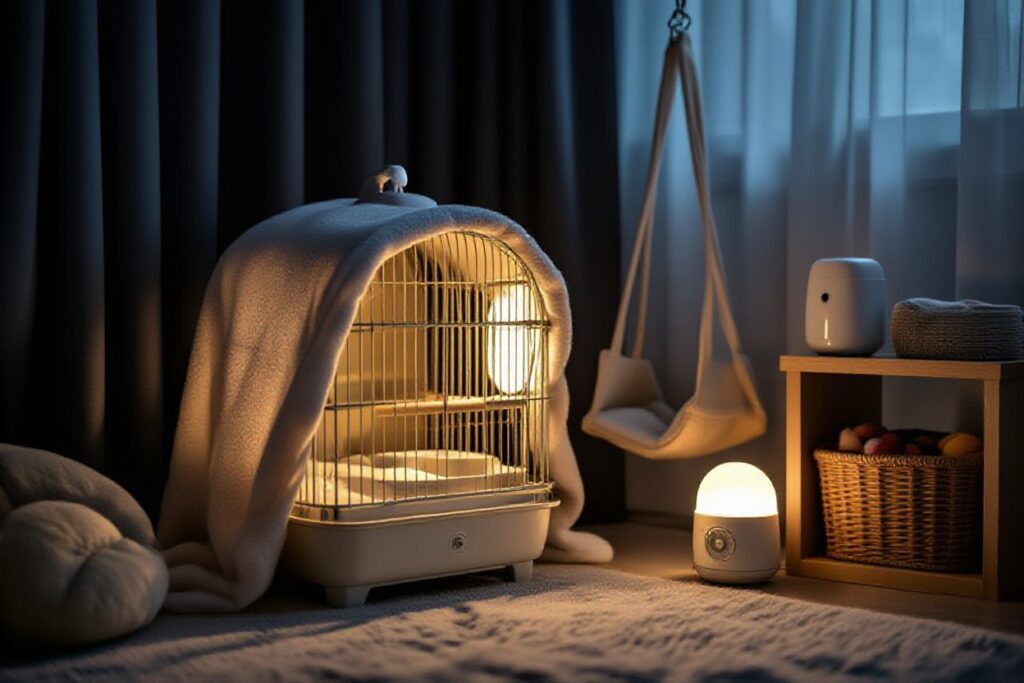
Reduce exposure by moving the cage at least 3–5 feet from windows, closing curtains at dusk, and covering reflective surfaces; secure screens and supervise household pets. Use a breathable cage cover at night and a low, steady night light to minimize startling contrasts. If your bird has injured feathers from thrashing, treat bleeding immediately and consult your avian vet — injury from frantic flight is the most dangerous outcome of these predator-triggered episodes.
Species Most Affected by Night Fright
Common Bird Species Prone to Night Fright
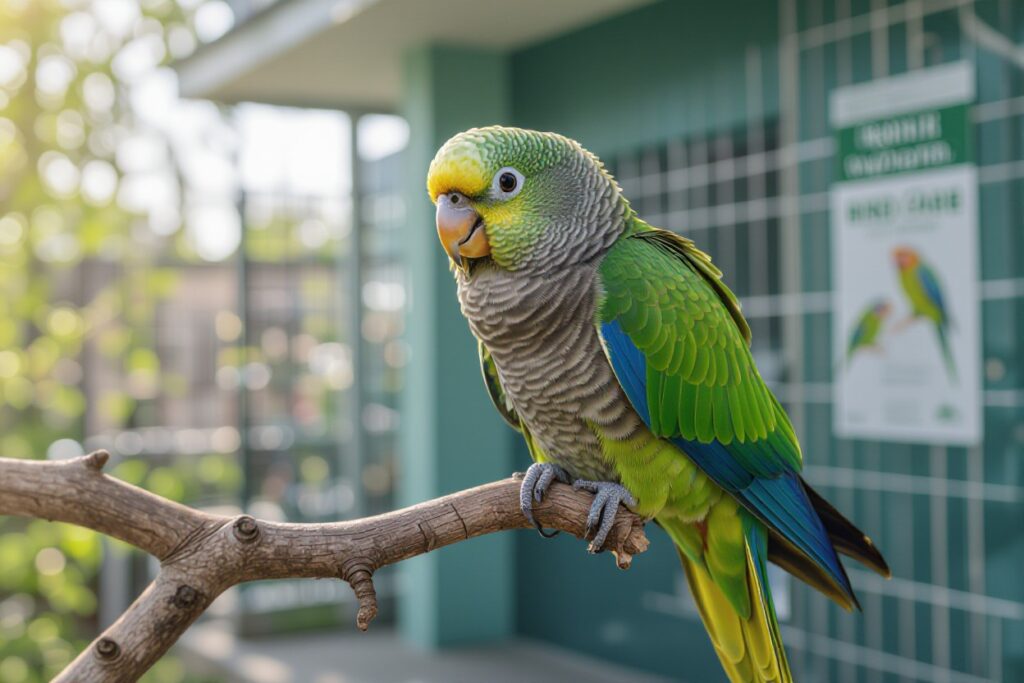
You’ll see night fright in pet birds most often in psittacines: larger parrots like cockatoos, African greys and smaller species such as cockatiels and budgerigars. Owners and vets report these species react strongly to sudden low-frequency noises and unexpected shadows; their strong flight muscles and high alertness mean frantic thrashing can cause injury or feather damage more often than in finches or canaries.
Breed-Specific Vulnerabilities
Certain breeds have anatomical or behavioral traits that raise risk: cockatoos’ high social needs and hormonal surges increase night panic frequency, while long-winged parrots can power into cage bars and sustain wing fractures. You should tailor cage safety and night routines to each breed’s tendencies to lower risk.
Breed-focused cases show patterns you can use to prevent harm: smaller conures often injure toes when scrambling; large cockatoos can split beaks on impact. Key factors include feather type, wing loading and hormonal cycles; monitor breeds known for nocturnal skittishness and adjust lighting and cover.
- night fright in pet birds
- cockatoos
- cockatiels
- wing fractures
This helps you prioritize breed-specific safety changes and veterinary checks.
Behavioral Factors in Different Species
Species differ in fear thresholds: flocking birds like budgies may unsettle each other, while solitary parrots can escalate panic alone; predators turned prey by sudden stimuli show more violent escapes. You must watch social context, perch placement and pre-bedtime behavior to reduce episodes.
Behavioral studies and clinic reports indicate that social structure, prior trauma and enrichment levels alter night-flight risk; birds deprived of daytime interaction or with past nocturnal scares are more reactive. Practical signs to note include repeated night-startles, pacing, or hypervigilance.
- social structure
- past trauma
- environmental enrichment
- night fright in pet birds
This directs your behavioral interventions and environmental adjustments to prevent recurrence.
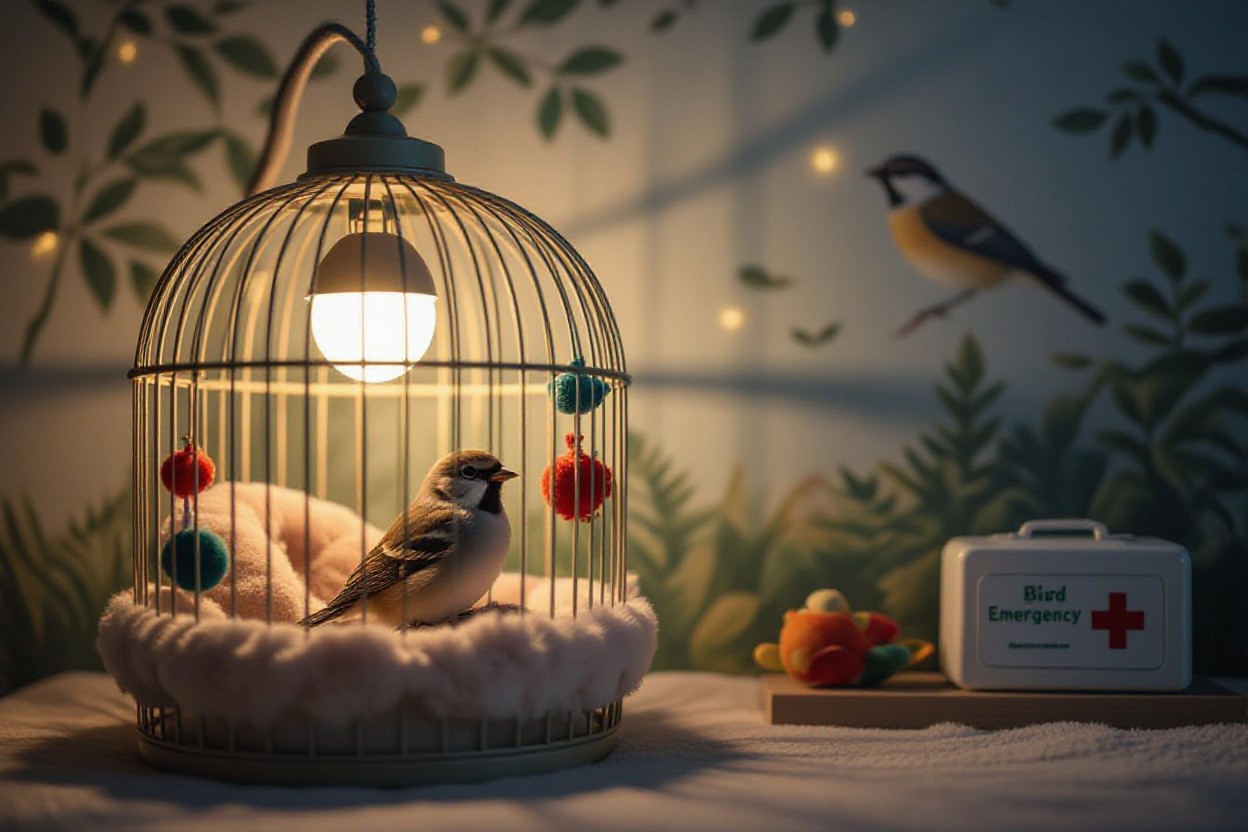
Prevention Strategies for Night Fright
Creating a Calm Environment
You should position your bird’s cage away from windows and exterior doors (aim for 3–6 ft), eliminate reflective surfaces and mirrors that create sudden shadows, and keep ambient noise below ~45 dB with a steady white-noise source if needed. Maintain a stable temperature around 65–75°F, use a breathable cage cover for a consistent bedtime, and secure curtains against passing headlights—sudden shadow or light flashes are common triggers for night fright in pet birds.
Socialization and Training Techniques
Use short, regular desensitization sessions—3–5 minutes, 2–3 times daily—pairing mildly challenging stimuli (soft shadow or muted sound) with high-value treats and a clicker or verbal marker; target training and rewarding calm perched behavior helps you build predictable sleep routines, with smaller species like budgies often improving within 2–4 weeks while larger parrots may need longer.
Begin by logging typical triggers and baseline reactions, then introduce one variable at a time: play a recorded night noise at 20% volume for 30 seconds while you reward calm, increase duration or volume by no more than 10–20% every 3–5 days, and practice brief lights-off intervals (start with 1–2 minutes) before extending. Train a consistent sleep perch using target or step-up cues and only reward when your bird remains calm for progressively longer intervals (add 5–10 seconds each session). Track episodes in a simple chart and stop/seek an avian behaviorist or vet if you observe frantic thrashing, blood, or signs of severe stress.
Use of Night Lights
Choose a low-lumen, warm-spectrum lamp (amber or red) under 5 lumens or a 1–5W LED, install it 3–6 ft from the cage with shielding to prevent direct glare, and run it on a timer for a gradual 15–30 minute dimming period; avoid blue/white LEDs entirely, as they can prolong wakefulness and worsen night fright.
Most pet birds require 8–12 hours of uninterrupted darkness, so use night lights sparingly—prefer timers or very dim, fixed-output bulbs rather than leaving bright lights on all night. For monitoring or emergency care, opt for an infrared camera or short, low-red illumination only while handling. If your bird is particularly light-sensitive, trial an amber lamp at 0.5–2 lumens for a week and log any change in episode frequency; if incidents persist, remove the light and consult your avian vet to rule out medical contributors to nighttime panic.
The Role of Diet in Night Fright Management
Nutritional Deficiencies and Stress
You should prioritize a balanced diet because deficiencies in vitamin A, B-complex, and calcium can weaken immune function and amplify fear responses at night; for example, seed-only diets often lack these nutrients and are linked to poorer sleep quality. Aim for a pellet-based diet making up ~60–70% of intake, with fresh vegetables and limited seeds, since improving baseline nutrition often reduces the frequency and severity of night fright episodes.
Role of Supplements
You may use supplements to fill gaps, but only under avian-veterinary guidance; common additions include a general avian multivitamin, omega-3 fatty acids for inflammation and mood support, and probiotics for gut-brain health. Avoid over-supplementing—administer supplements only after consulting your vet to prevent toxicity or nutrient imbalances that can worsen stress.
When you pursue supplementation, choose formulations made for birds (liquid drops or powdered mixes) and run trials of 4–6 weeks while monitoring behavior and droppings. For stress-related night fright, B-complex support and omega-3s are often recommended by clinicians for mood and nervous-system support; melatonin is sometimes discussed but has limited evidence and potential interactions, so get vet approval first. Stop and report any adverse signs immediately.
Feeding Schedule Adjustments
You should set a consistent feeding schedule to stabilize circadian rhythms: offer the main meal in the morning, light snacks midday, and a final small meal 1–2 hours before lights-out, avoiding sugary treats within 2–3 hours of dark. Consistency reduces nocturnal arousal, while free-feeding seeds can increase nighttime activity and sudden panic.
Practically, for small parrots (budgies, cockatiels) provide pellets plus veggies at 7–9 AM, a supervised foraging session or small seed treat at noon, and a modest pellet/veg meal at 6–8 PM depending on your household lights-out time. For larger parrots (conures, amazons) use the same timing but increase fresh produce volume. Combine schedule changes with gradual light adjustments over 7–10 days to realign sleep cues and watch for reduced night fright incidents.
Emergency Response Protocol for Night Fright
Immediate Actions to Take During an Episode
When your bird panics, stay calm and act quickly: turn off sudden lights, close doors to limit noise, and step back 3–6 feet to reduce visual stimuli. You should cover the cage with a breathable cloth leaving a small gap for ventilation, speak in a low voice, and avoid grabbing the bird unless it’s in immediate danger of injury. Many birds settle within a few minutes if stimuli are removed; keep movements slow and deliberate to prevent escalation.
Assessing the Severity of the Situation
After the episode subsides, assess for open wounds, persistent bleeding, fractures, labored breathing, or unconsciousness. If your bird is alert, perching normally, eating and vocalizing, you can monitor at home for 24 hours; otherwise treat the situation as a potential emergency. Species like cockatiels and budgerigars commonly show night fright and may mask subtle injuries, so check thoroughly.
Approach only once the bird is calm—wait 5–10 minutes—then look for asymmetry (wing droop, head tilt), loss of gripping ability, visible blood, or signs of shock (pale comb/wattles, cold feet). For example, a cockatiel that won’t perch after thrashing often has a wing sprain or fracture. If you see tail bobbing, open-mouth breathing, or continuous bleeding, escalate care immediately.
Deciding When to Seek Veterinary Care
You should seek veterinary attention if there is persistent bleeding (not controlled after 3–5 minutes of firm pressure), suspected fractures, difficulty breathing, seizures, or loss of consciousness. Also contact an avian vet if abnormal behavior, refusal to eat, or fluffed posture persists beyond 24 hours. Call ahead to an emergency avian clinic so staff can prepare for your bird’s arrival.
For transport, wrap your bird gently in a towel, place it in a dark, well-ventilated carrier, and cushion any injured limb. Apply firm pressure to bleeding points for 3–5 minutes, avoid attempting complex splints unless trained, and bring a brief note on the episode, species, diet, and recent behaviors. If in doubt, err on the side of professional evaluation—subtle internal injuries or stress-related complications can appear hours after night fright.
Post-Episode Care for Affected Birds
Monitoring Behavior After an Episode
Watch your bird closely for the next 24–48 hours: check eating, water intake, droppings, activity levels and sleep patterns; species like cockatiels, budgies and lovebirds often show subtle shifts after night fright. Note signs such as persistent fluffed feathers, head tilt, tremors, or reduced vocalization, and log changes every few hours. Seek help if you see labored breathing, continuous bleeding, or inability to perch.
Re-establishing Routine and Comfort
Return to a consistent bedtime and lighting slowly: aim for stable dark periods of 10–12 hours, offer familiar perches and a favorite treat, and sit quietly near the cage speaking softly to reassure without overstimulation. Avoid handling unless necessary; excessive intervention can delay habituation and increase stress.
To reinforce routine, move the cage back to its usual location away from windows and doors, use a low-level night light (warm red or amber, ≤5 lux) for a few nights if shadows triggered the episode, and reintroduce play and training in short, positive sessions over 3–7 days. If your bird responds to predictable cues, like a soft pre-bed sound or cover routine, stick to those to rebuild safety associations.
Assessing for Potential Injuries
Do a calm, hands-on check: look for bleeding, swollen limbs, drooped wing, misaligned toes or feather shaft damage. Gently test wing extension and leg support; if the bird refuses to grip, shows acute pain, or has open wounds, exposed bone, or breathing problems, arrange veterinary care immediately.
When examining, wrap your bird in a towel to prevent further injury and limit struggling. Palpate along the keel and limb bones for heat, deformity or crepitus; inspect droppings for blood or mucus. For active bleeding apply gentle direct pressure for up to 5 minutes; for suspected fractures immobilize the wing against the body with a soft bandage and transport in a dark, warm box to an avian vet without delay.
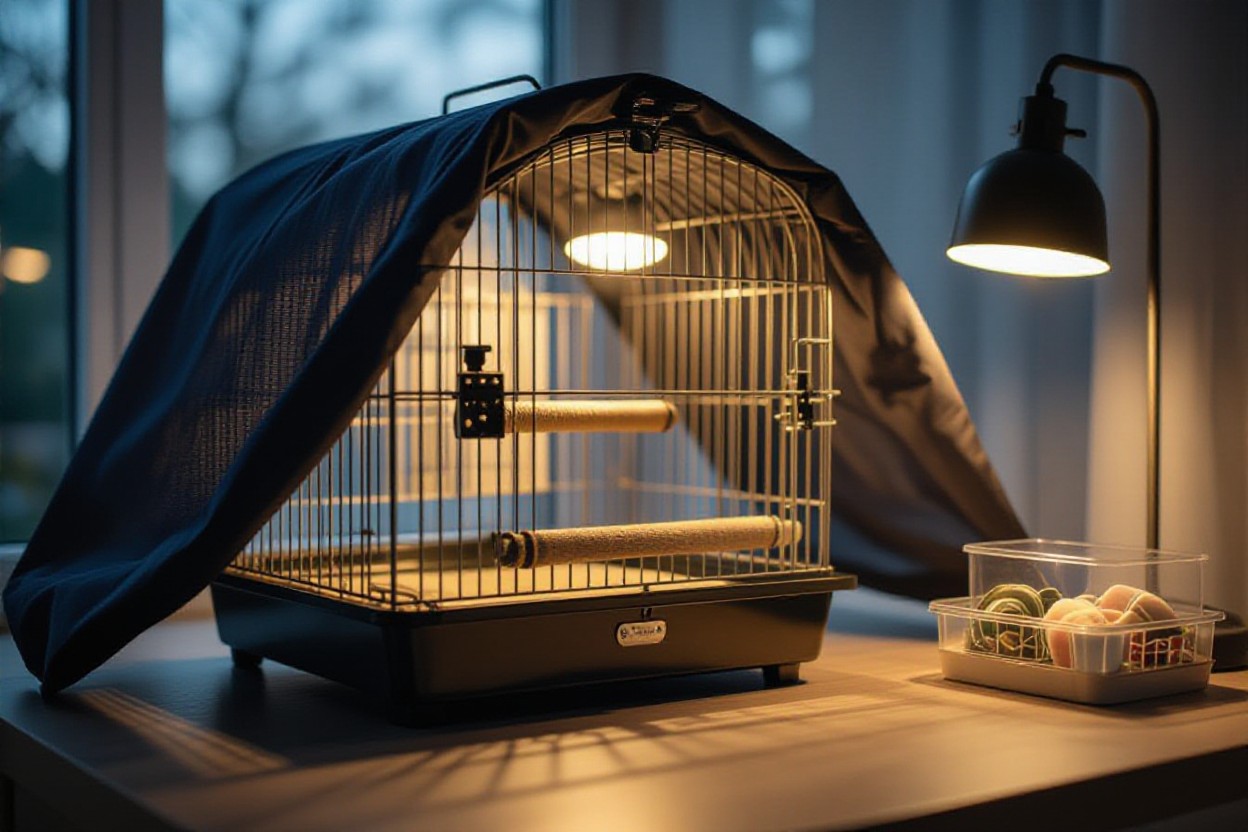
Cage Setup for Safety and Comfort
Choosing the Right Cage Type
You should pick a cage sized so your bird can fully extend wings and take short flights—minimums: budgies/finches 18″x18″x18″, cockatiels ~20″x20″x24″, conures 24″x24″x30″, larger parrots 30″x30″x36″. Favor stainless steel or powder‑coated metal over cheap zinc/galvanized finishes (zinc causes toxicosis). Match bar spacing to species (½” for small birds, ¾”–1″ for medium, 1″–1½” for large), use secure latches, and avoid cages with thin wires that can bend or create sharp edges.
Placement and Location Considerations
Place the cage on an interior wall, away from windows and exterior doors—aim for at least 3 feet of clearance; set cage height at shoulder level (about 4–5 ft) so your bird feels safe, avoid drafts and HVAC vents within 3 ft, and keep it out of high‑traffic or noisy corridors where sudden shadows or noises can trigger night fright in pet birds.
Go further by checking external light sources: motion‑activated porch lights, passing car headlights, and reflections from TVs or mirrors can produce sudden shadows that trigger panic. Move the cage at least 1–2 meters from screens and reflective surfaces, close blackout curtains if streetlights are an issue, and test placement for a week—one owner reduced night fright episodes from three nights/week to once monthly after shifting the cage 6 ft inward and adding a low‑wattage red night light.
Best Practices for Cage Accessories
Use a mix of perches with varied diameters and textures (natural wood preferred), mount food and water bowls in stainless steel and away from perching sleep areas, secure toys with closed fasteners, and avoid long strings or small detachable parts that pose entanglement or choking hazards. Keep heavy toys low to prevent impact injuries during thrashing.
Specify perch diameters to match species—≈3/8″ (10 mm) for finches, ½” (12–14 mm) for budgies, ¾”–1″ (20–25 mm) for cockatiels/conures, 1″–1½” (25–38 mm) for amazons/macaws. Space perches so wings can open without hitting bars; rotate toys every 7–10 days to reduce boredom without overstimulation; remove frayed ropes or loose metal immediately; avoid cedar or pressure‑treated wood and cheap painted toys that can leach toxins; use shallow stainless bowls and consider a soft floor mat or removable tray liner to reduce impact injuries if your bird thrashes during night fright.
Environmental Enrichment and Its Role in Prevention
Importance of Mental Stimulation
You should provide daily cognitive challenges because increased mental activity lowers arousal and helps prevent episodes of night fright in pet birds. Aim for a cumulative 20–60 minutes of structured tasks plus free-play each day; studies of avian behavior recommend at least 2–3 short training or foraging sessions for medium-to-large parrots. When you keep your bird engaged, you reduce startle reactivity and the likelihood of uncontrolled thrashing that can cause injury.
Ideas for Enrichment Activities
Mix foraging (hide 20–30% of meals in puzzle feeders), chewable wood, foot toys, and 10–15 minute target-training sessions two to three times daily to build confidence. Rotate 3–6 toys weekly, tailor challenges to species (cockatiels like shredding; African greys need problem-solving), and use calming background sound or low-level white noise to blunt sudden environmental noises.
Use safe materials: untreated wood, leather, stainless hardware, and unbleached paper. Create DIY foraging by stuffing millet in cardboard tubes, scatter-hiding pellets in shredded paper, or using commercially sold puzzle feeders that dispense one or two kibble pieces at a time. Introduce short, repeatable training games—step-up, touch target, recall—paired with high-value treats to reinforce calm responses. Always inspect toys for wear and remove anything with loose threads, exposed wires, or small detachable parts, since these can cause entanglement or ingestion.
Introducing New Elements Gradually
You should add one new toy, sound, or routine every 3–7 days and pair each change with positive reinforcement so your bird associates novelty with safety. Start with the item visible outside the cage for 24–48 hours, then move it inside for brief supervised sessions, increasing duration only if your bird stays calm; stop immediately if you see persistent pacing, screaming, or frantic wing-flapping.
For sounds, use recorded noises (thunder, door slams) at very low volume and increase by about 3–5 dB every 3–5 days while rewarding calm behavior; sessions of 30–90 seconds initially work well. With toys, place them on the cage rim first, then attach to the interior for short periods, and rotate positioning to avoid territorial stress. Track incidents in a simple log—date, stimulus, response intensity—to measure progress and decide when to slow the pace. Gradual exposure reduces sensitivity and significantly lowers the chance of night-time panic and related injury.
Behavioral Modification Techniques
Understanding Stress Responses
You will notice three common responses when night fright in pet birds occurs: freeze, frantic flapping, or loud vocalization; pupils may dilate and breathing can double within seconds. Watch cockatiels, African greys, and amazons closely since they are often prone to panic at shadows or sudden sounds. Baseline tracking for 7–10 nights helps you spot changes, and if your bird thrashes repeatedly, expect risks like wing fractures, head trauma, or severe soft-tissue injury that demand immediate assessment.
Gradual Desensitization
Begin by mapping triggers and exposing your bird to a very low-intensity version for short bursts: 5–10 seconds of a recorded noise or a faint shadow, 2–3 times daily, increasing duration by about 10–20% only when calm behavior is consistent for three sessions. Use a quiet room, dim lighting, and note progress in a log; over 4–6 weeks many owners halve episode frequency.
Start with a written hierarchy of triggers ranked from least to most provoking (e.g., distant car noise → door slam → silhouette movement). Next, use a controlled playback at 30–40 dB for sounds or a small, slow-moving object for shadows; pair each exposure with calm body language and allow recovery time of 10–15 minutes. If your bird shows stress signs, step back one level. In a small-series case, a cockatiel reduced nightly panics to once weekly after six weeks of graduated exposures combined with consistent rest-period routines.
Reward-based Training Strategies
Use immediate, high-value rewards to reinforce calm responses: offer millet spray, small unsalted nuts, or chopped vegetables within 1–2 seconds of relaxed behavior after a trigger. Employ a clicker or soft verbal marker, run 5–10 one-minute drills twice daily, and aim for a positive reinforcement schedule that shifts from continuous rewards to a variable ratio as reliability improves; this builds resilience without escalating fear.
Implement shaping by rewarding successive approximations—first for looking at the trigger without panicking, then for remaining perched, then for quietly stepping onto your hand. Track metrics: incidents per week, latency to calm (seconds), and reward count per session. For larger species like macaws, use larger but measured food rewards (e.g., walnut halves) and longer inter-trial intervals; for smaller species like budgies, use quick sequences of millet. Expect measurable improvement within 3–8 weeks when you maintain consistent timing, high-value rewards, and accurate marking of the exact calm behavior you want to reinforce.
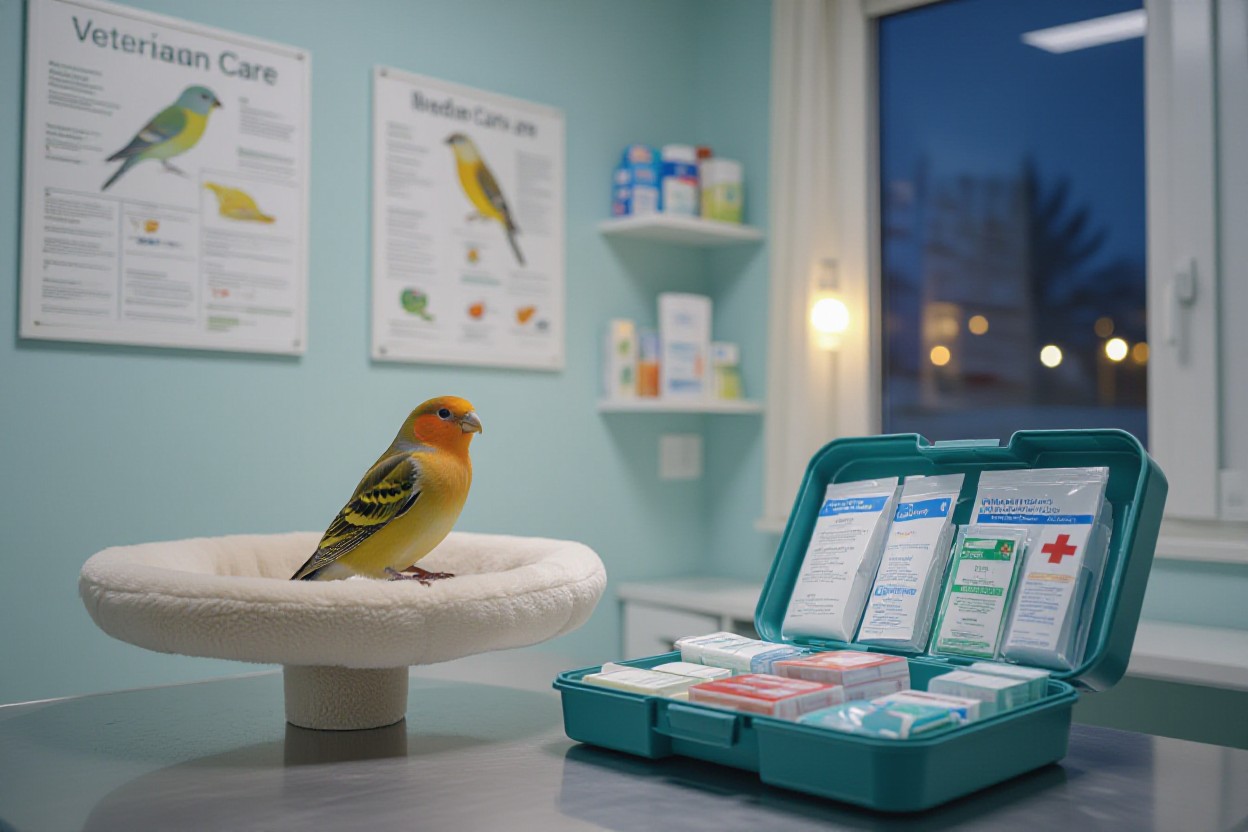
Long-Term Management of Night Fright
Routine Check-ups and Monitoring
Schedule a baseline wellness exam at least once a year and increase to every 6 months if your bird is senior or has recurrent episodes; after an acute night fright episode see your avian vet within 7–14 days to check for hidden injuries. You should weigh your bird weekly on a digital gram scale and log changes—a 5–10% weight loss or altered droppings warrant immediate attention. Tracking behavior, sleep hours, and any new household changes helps spot patterns before they escalate.
Fostering a Stable Environment
Keep a consistent lights-out routine (aim for 10–12 hours of uninterrupted dark), position the cage 1.5–2 meters from windows and exterior doors, and use a breathable cover or dim red/night light (1–5 lux) based on your bird’s response; small parrots like cockatiels and budgies often do better with minimized shadows. Consistency reduces startle responses and lowers the risk of injury from nighttime thrashing.
Implement a predictable evening sequence: dim lights 20–30 minutes before sleep, offer a foraging toy to settle attention, and close heavy curtains to eliminate moving shadows or headlights that trigger predator instincts. One owner reduced nightly panic episodes from nightly to once monthly after moving the cage 2 meters off a hallway and introducing an 11-hour dark period plus a soft white-noise machine at 40 dB. You should test one change at a time for 2–4 weeks to identify what directly lowers episode frequency and avoid abrupt rearrangements that can re-trigger fear.
Continuous Learning and Adaptation
Keep an incident log with date, time, duration, suspected triggers, and post-episode behavior so you can detect trends; review notes quarterly and adjust routines or enrichment accordingly. You can trial a desensitization plan over 4–6 weeks—introduce low-level sounds or shadows gradually while rewarding calm behavior—to reduce sensitivity. High-quality data collection is often the difference between guesswork and targeted intervention, and consistent logging speeds improvement.
Use simple metrics: weekly weight, episode count per month, sleep hours, cage placement, and ambient temperature (optimal range 20–24°C) with humidity near 40–60%. Make single, measured changes (move cage, alter cover, change light) and compare month-to-month; if you see >3 episodes per week, persistent feather damage, or injuries, escalate to an avian vet or behaviorist. This staged, data-driven approach lets you adapt safely while minimizing stress and maximizing the chance of long-term control of night fright in pet birds.
The Importance of a Support Network
Seeking Advice from Avian Veterinarians
You should contact an avian veterinarian for guidance at the first sign of severe night fright in pet birds—especially with bleeding, broken bones, respiratory distress, or prolonged unresponsiveness. Call your clinic immediately and describe symptoms, time of onset, and any witnessed trauma; many clinics triage avian emergencies within 1–2 hours. Vets can advise on wound care, pain control, X-rays, and whether on-site treatment or referral to a specialist is needed.
Community Support for Bird Owners
You can reduce panic and learn practical fixes by tapping local and online communities: avian rescue groups, regional bird clubs, and social media forums often share firsthand solutions for night fright in pet birds and emergency transport options. Peer tips frequently include cage-proofing checklists, blackout curtain setups, and carrier handling techniques that calm a panicking bird.
Local rescues sometimes run monthly meetups or volunteer buddy programs that connect you with experienced owners who have handled severe cases—one owner’s report of stabilizing a thrashing cockatiel with a soft towel and dim red light saved the bird from cage trauma until vet care arrived. Online groups with thousands of members can provide rapid advice, photo assessments, and referrals to nearby avian vets or emergency transport volunteers when you need help fast.
Resources for Further Education
You should build a reference library of evidence-based sources: professional organizations (such as the Association of Avian Veterinarians), the Merck Veterinary Manual, and the Journal of Avian Medicine and Surgery offer practical protocols for emergency response, handling, and long-term management of night fright in pet birds.
Take focused courses—many first-aid modules are 1–3 hours—that teach step-by-step wound care, airway assessment, and safe restraint. Recommended texts like Avian Medicine and Surgery (for clinicians) and vetted online workshops give you both depth and quick-reference checklists. Keep printable guides and video demonstrations on hand so you can act calmly and correctly during a nighttime panic episode.
FAQs about Night Fright in Pet Birds
Common Concerns and Questions
You’ll often ask whether night fright is a sign of illness — usually it’s fear-driven, triggered by sounds, shadows, or instinctive predator responses. If your bird thrashes violently, check immediately for bleeding, broken feathers, or labored breathing; seek emergency veterinary care for open wounds or respiratory distress. Simple steps you can take at home include covering the cage, moving it away from windows, and using a night perch to reduce falls.
Misconceptions About Night Fright
You might hear that night fright is just bad dreams or that it will resolve without intervention; in truth, it’s often a learned or environmental response and can recur if triggers persist. Many owners think sedation, constant lighting, or punishment will help, but those approaches can worsen sleep disruption or mask underlying injury. Instead, focus on secure placement, gradual desensitization, and safety-proofing the cage.
More detail: veterinarians and avian behaviorists warn against common fixes that seem easy but are risky. For example, leaving a light on interferes with melatonin cycles and can increase nocturnal activity, while over-the-counter sedatives and human medications can be toxic or depress respiration. Smaller species like budgies and cockatiels often respond best to steady routines and environmental edits—secure perches, padded cage bottoms, and blocking exterior noise—whereas larger parrots may need behavioral desensitization over weeks. If you suspect pain, neurological signs, or repeated severe episodes, document them on video and take it to an avian vet rather than trying untested treatments.
Resources for Additional Help
You should contact an avian veterinarian or a certified behaviorist for persistent night fright; an avian emergency clinic is warranted for bleeding, respiratory issues, or suspected fractures. Useful organizations include the Association of Avian Veterinarians (AAV) and the International Association of Animal Behavior Consultants (IAABC), plus owner forums and local rescue groups for peer support and referral.
More detail: when you call or visit, bring a video of an episode, a photo of the cage setup, and a brief history (age, species, recent changes). An avian vet can rule out medical causes and advise on diagnostics like X-rays if trauma is suspected. A certified behaviorist can create a stepwise desensitization plan and recommend environmental changes—soundproofing, timed blackout curtains, or motion-free lighting. For immediate guidance after an injury, many clinics offer telemedicine triage; use that to determine if transport is needed now or if home modifications will suffice.
To wrap up
With this in mind, when you face night fright in pet birds, act calmly: shield your bird from sudden noises and shadows, provide low, consistent night light, secure and well-placed cage, stop immediate thrashing injuries, assess for wounds, seek vet care for bleeding or shock, and implement gradual desensitization and predictable bedtime routines to reduce recurrence. By combining prevention, safe emergency response, and long-term management you will protect your bird and restore nightly calm.