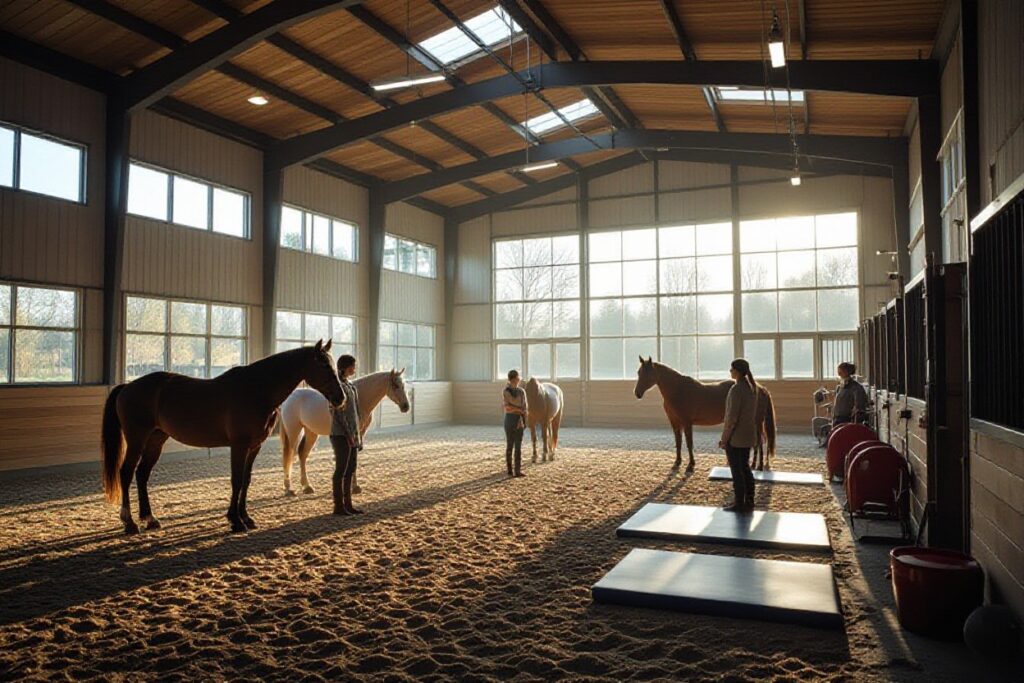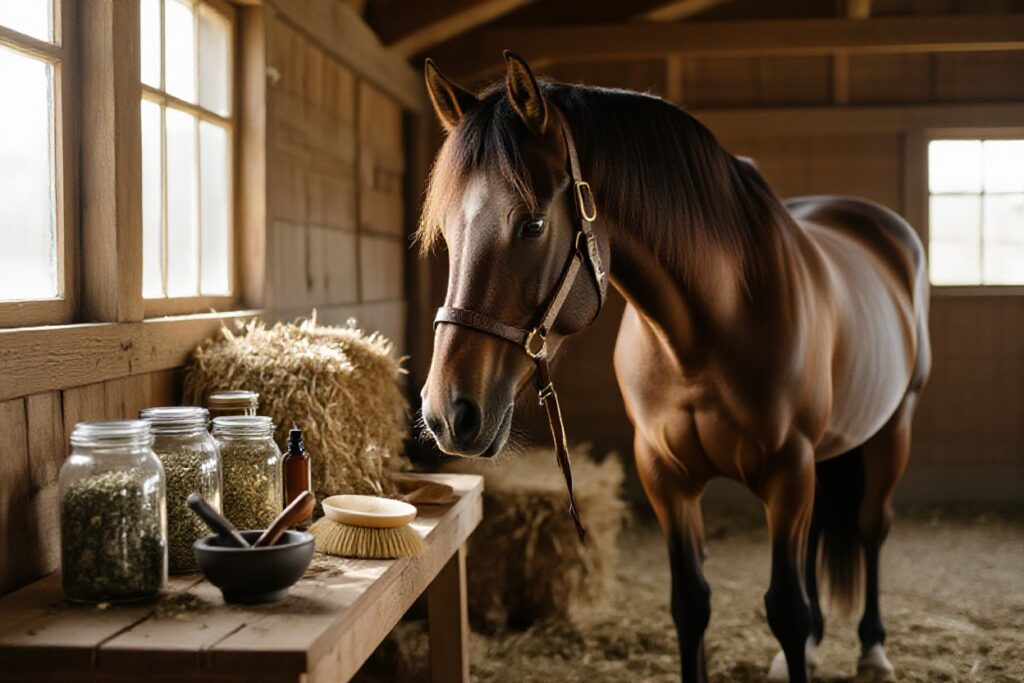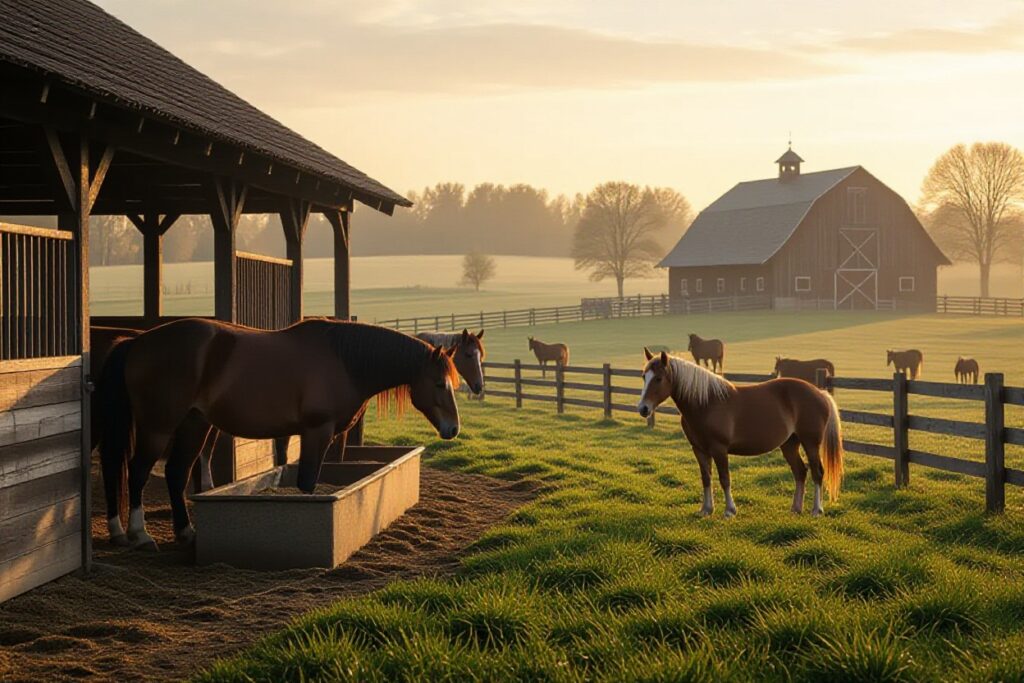
It’s practical to adopt a balanced natural horse care approach that lets you improve your horse’s health through feeding, barefoot hoof care, herbal supplements and pasture management while understanding risks. You should weigh minimal intervention against veterinary oversight, watch for dangerous parasite loads and vital oils safety issues, and prioritize evidence-based practices so your interventions deliver clear positive benefits like improved gait, digestion, and resilience without compromising safety.
Key Takeaways:
- Natural horse care emphasizes forage-first feeding, matched to the horse’s digestive design, and pasture-centered management (rotational grazing, soil health) to reduce reliance on concentrates and chemical inputs; routine monitoring (body condition, fecal egg counts) guides targeted, evidence-based interventions.
- Barefoot-first hoof strategies and movement-centered management can improve hoof health and biomechanics for many horses, but outcomes vary by individual conformation and environment—use qualified trimmers, gradual transitions, and keep alternatives (boots, corrective trimming) available when needed.
- Herbal supplements, minimal-intervention philosophies, and holistic veterinary approaches can complement conventional care, yet scientific support is mixed; prioritize safety (dose, interactions, necessary-oil toxicity), validate suppliers, and coordinate with a veterinarian to integrate natural and conventional treatments responsibly.
Understanding Natural Horse Care
Definition of Natural Horse Care
You prioritize a forage-first diet (typically 1.5–2.5% of body weight daily), pasture-centered management, barefoot-friendly hoof care, and low-intervention medicine, all tailored to your horse’s behavior and environment. Natural horse care blends practical steps—rotational grazing, targeted fecal egg counts, and species-appropriate turnout—with a focus on promoting natural behaviors and resilience rather than routine drug use.
Principles of Holistic Animal Care
You manage the whole horse—nutrition, environment, social needs, and mental state—using preventative strategies, individualized plans, and evidence-informed alternatives. Emphasize prevention, monitoring, and minimal, targeted intervention, integrating veterinary guidance with pasture management, hoof trimming intervals, and nutritional adjustments to support long-term health.
You implement concrete practices: use fecal egg counts (FEC) to treat only when thresholds (commonly ~200 eggs/g) are exceeded, schedule barefoot or therapeutic trims every 4–8 weeks based on hoof wear, and provide turnout aiming for 8–16 hours grazing daily to mimic natural behavior. You also track body condition score, dental checks yearly (or as needed), and adjust feeding to avoid laminitis risk from high-sugar diets; combine herbal or nutraceutical options only with veterinary oversight and documented safety data.
Benefits of a Natural Approach
You often see improved gut function, stronger hooves, reduced reliance on routine anthelmintics, and better mental wellbeing from more turnout and social contact. Many farms report cutting blanket deworming by over 50% through targeted FEC protocols, lowering drug resistance pressure while maintaining herd health.
Environmentally, rotational grazing reduces parasite load and improves pasture productivity; economically, cutting unnecessary medications and feeding concentrates can lower annual costs. Clinically, integrating natural strategies has been associated with fewer chronic laminitis flares when you control non-structural carbohydrate intake and encourage steady forage access. Always weigh benefits against risks—toxic plants like ragwort and improper herbal dosing can cause severe harm, so pair natural measures with regular veterinary monitoring.
Natural Feeding Philosophy
The Importance of Whole Foods
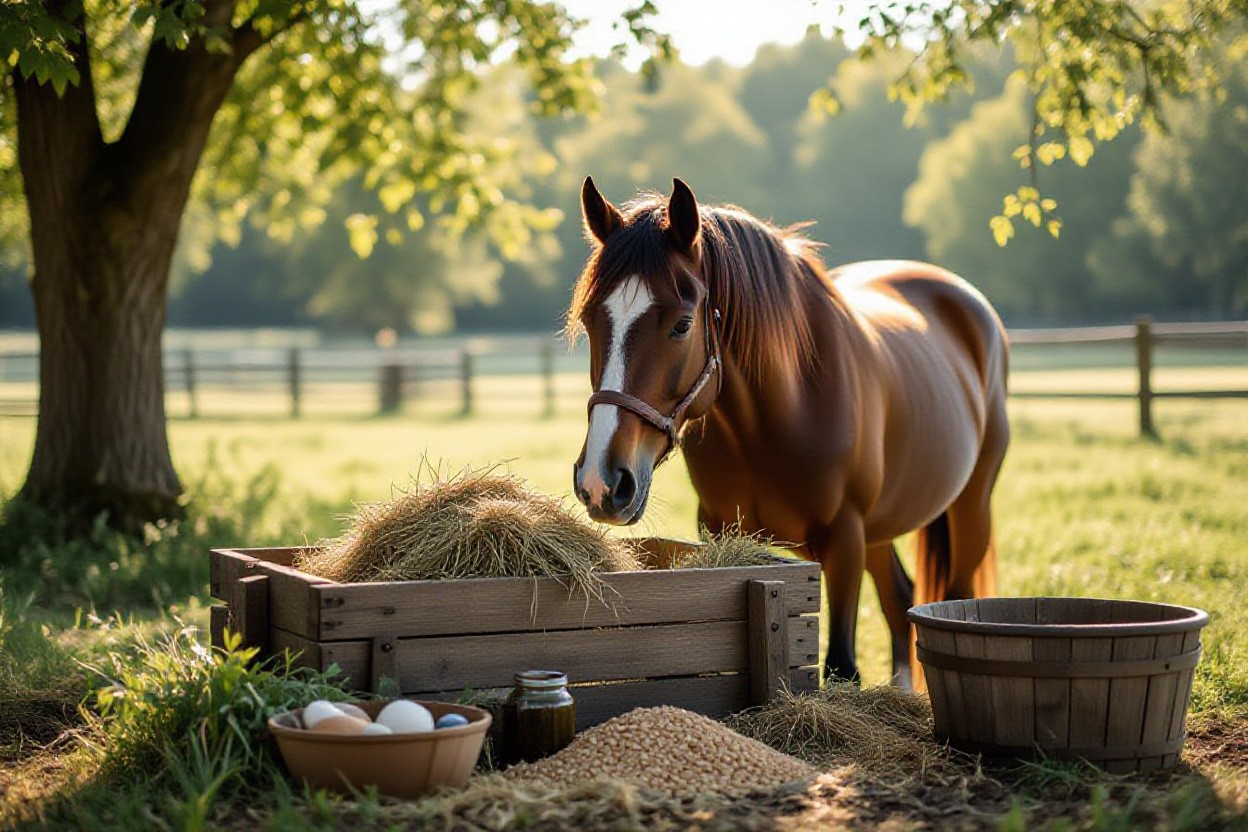
Put forage-first into practice: pasture and high-quality hay supply the fiber your horse needs for healthy hindgut fermentation, steady blood glucose, and behavioral comfort. Studies and field trials show that replacing excessive processed concentrates with whole-forage rations lowers incidence of colic and metabolic problems; for example, horses grazing close to their natural 16–18 hours/day pattern show calmer feeding behavior and fewer stable vices.
Nutritional Needs of Horses
As a rule, plan for forage to provide about 1.5–2% of bodyweight daily, plus clean water (around 5–10 gallons/day) and free-choice salt. Maintenance protein needs sit near 8–10% crude protein, while growing, performance, or lactating animals require notably higher energy and protein — often a 20–50% increase depending on work or lactation stage.
Balance minerals deliberately: target a calcium-to-phosphorus ratio near 2:1, test hay annually, and top up with a balancer rather than piling on grain. Where selenium or vitamin E are regionally low, supplement per veterinary guidance. For horses with insulin dysregulation, reduce water-soluble carbohydrates by soaking hay for 30–60 minutes to lower NSC by roughly 30–40%, and monitor blood values when you alter the ration.
Feeding Practices for Optimal Health
Feed small, frequent meals and make forage available as continuously as possible; horses fed multiple small meals mimic natural grazing and have lower gastric ulcer and laminitis risk. Avoid sudden diet changes—introduce new feeds over 7–10 days—and limit concentrates per meal to reduce digestive upset.
Implement practical tools: use slow feeders or hay nets to extend forage delivery, weigh hay portions rather than eyeballing them, and use the Henneke body condition score (aim for 4–6) to guide adjustments. For problem horses, choose a balancer pellet and test hay to correct specific deficiencies instead of increasing grain; doing so reduces metabolic strain and supports long-term natural horse care goals.
Barefoot Hoof Care
Anatomy of the Horse’s Hoof
You should know the hoof’s main parts: the hoof wall, sole, white line, frog and the internal laminae that attach hoof to coffin bone. The frog and digital cushion act as a natural shock absorber and pump blood back up the limb during movement. Hoof wall growth averages about 6–10 mm per month, so monitoring wear and growth is key to your natural horse care routine.
Benefits of Barefoot vs. Shoed Horses
Barefoot management often restores natural hoof mechanics, improving circulation, shock absorption and sensory feedback underfoot; you may also avoid nail-related injuries. For many leisure horses a 6–12 month transition improves frog development and sole resilience. At the same time, horses worked hard on roads or in heavy competition may still need protection—shoes or boots can be safer in those cases.
In practice, you’ll see faster frog widening and better digital cushion tone when you reduce shoe reliance; owners report fewer nail-track infections and easier farrier adjustments. Use hoof boots like Easyboot or Renegade for intermittent protection during rides while keeping a barefoot trim day-to-day. Coordinate with your farrier and vet to track progress and to manage issues such as thin soles or chronic underrun heels during the 6–12 month adaptation.
Hoof Trimming Techniques and Maintenance
Trim intervals typically run every 4–8 weeks depending on growth, workload and terrain. You should use nippers, a hoof knife and a rasp to balance medial-lateral symmetry, maintain proper toe length and keep the frog healthy. Watch for thrush or white line separation—early detection prevents severe lameness.
When trimming, aim to restore the hoof-pastern axis and a sensible palmar angle (often around 3–5°) without aggressive correction in a single session; correct deviations gradually over several trims. Shorten toe length to improve breakover, box out the frog for debris, and relieve underrun heels incrementally. Keep records of angles and shoe/boot use, and call your vet promptly for acute lameness, suspected laminitis, or deep abscess to integrate farriery with your natural horse care plan.
Herbal & Supplement Options
Common Herbs for Equine Health
You can use herbs like chamomile for mild colic/anxiety, marshmallow root for mucosal support, nettle and dandelion as mineral-rich tonics, and turmeric (curcumin) for anti-inflammatory support; typical equine turmeric use runs in the range of 5–15 g/day with bioavailability aids. Include yucca for inflammatory support and peppermint for digestion. Avoid high-risk plants such as comfrey, pennyroyal, and yew, which can cause liver failure or sudden death.
Nutritional Supplements and Their Uses
You should match supplements to needs: joint formulas often combine glucosamine (≈10–20 g/day), chondroitin (≈2–4 g/day) and MSM (≈5–10 g/day); omega‑3 sources (flax or fish oil) support inflammation control, and vitamin E (1,000–3,000 IU/day) helps neurologic and muscle issues. Probiotics or live yeast stabilize hindgut flora, and electrolytes (variable, often 40–150 g/day during heavy sweating) replenish losses.
Evidence varies: you’ll typically see measurable changes in 4–12 weeks for joint or anti‑inflammatory supplements, while electrolytes act immediately. For performance horses, a controlled trial-style approach—baseline gait/fecal/hair analyses and recheck at 8–12 weeks—lets you judge benefit; if no improvement, stop and re-evaluate with your vet.
Safe Administration of Herbs and Supplements
You must dose by weight, start low and titrate over 7–14 days, and monitor appetite, manure, behavior and gait; get bloodwork (CBC, chemistry, GGT/AST) if you plan long-term hepatic herbs. Avoid combining herbal CYP inducers such as St. John’s wort with medications, and steer clear of anticoagulant herbs when your horse is on NSAIDs—those interactions can be dangerous.
Practical steps you can apply: check product certificates for CFU counts on probiotics, store supplements cool/dry, dilute necessary oils to ≤1% for topical use, and document doses and responses. If your horse is under 350 kg, scale doses proportionally and consult a veterinarian before treating pregnant, foal, or competition horses to manage safety, withdrawal, and lab monitoring.
Pasture Management
Pasture Types and Their Benefits
You should favor mixed swards—timothy or orchardgrass with clover—for balanced protein and fiber, while natural horse care favors native prairie or warm-season mixes in drought-prone areas for resilience. Managed hayfields give predictable calories for winter, and fenced paddocks let you control intake. Pay attention to toxic plants and manure hotspots that raise parasite pressure. Recognizing the right pasture mix for your climate and horse type improves nutrition, reduces supplemental feed, and lowers disease risk.
- natural horse care: mixed swards (grass + legume) — improved nutrition and soil health
- Cool-season grasses (timothy, orchardgrass) — steady growth in spring/fall, lower NSC
- Warm-season grasses (Bermuda, switchgrass) — drought tolerance, useful in hot climates
- Native prairie — biodiversity, erosion control, supports beneficial insects
- Managed paddocks/hayfields — predictable forage supply, easier parasite control
| Cool-season grasses | Good spring/fall yield; lower sugar varieties for laminitis-prone horses |
| Warm-season grasses | Drought-tolerant; can reduce winter feed needs in warm regions |
| Mixed swards (legume + grass) | Higher protein and nitrogen fixation; watch excess clover causing bloat in confined feeding |
| Native/native prairie | High biodiversity, deep roots for erosion control; slower establishment (1–2 years) |
| Managed paddocks/hayfields | Allows rotation and resting (21–35 days), simplifies manure removal and parasite management |
Grazing Techniques for Healthier Horses
Use rotational grazing—move horses every 3–7 days and rest paddocks 21–35 days—to maintain plant vigor and reduce parasite build-up; strip-grazing with temporary fence lines controls intake and extends forage life. Keep sward height around 15–20 cm before grazing down to 7–10 cm, and watch for laminitis risk on lush spring growth.
Rotate with a sacrifice paddock during wet seasons to prevent soil compaction; implement fecal egg counts every 8–12 weeks to target deworming and reduce resistance. Consider mixed-species grazing (sheep/goats) or alternate grazing periods to interrupt parasite life cycles, and use low-stress herding or electric strip fencing to manage selective grazing and preserve desirable species.
Environmental Considerations for Pasture Care
Manage water runoff with buffer strips (3–10 m) along streams, keep watering points on hard standing to avoid bogs, and test soil every 2–3 years aiming for pH ~6.0–6.8 to optimize nutrient uptake. Limit manure piles near water and fence off sensitive areas to lower pathogen and nutrient loading.
Address erosion by maintaining at least 60–70% ground cover; overseed bare patches in late summer or early autumn with suitable species. Implement riparian plantings to filter runoff and plant shade trees away from grazing corridors to prevent soil compaction under popular shade spots. Track stocking density—often 1.5–2 acres per mature horse in temperate zones—and adjust during growth pauses or drought to protect pasture resilience and water quality.
Natural Parasite Control
Understanding Equine Parasites
You should track the usual suspects—large and small strongyles (cyathostomins), ascarids in youngstock, tapeworms and bots—because lifecycles and risks vary: strongyles shed eggs onto pasture, ascarids dominate foals, and encysted larvae can trigger larval cyathostominosis, causing colic and severe diarrhea. Fecal egg counts (FEC) guide action; a common working threshold is ~200 EPG, and anthelmintic resistance is widespread, so one-size-fits-all dosing increases long-term risk to your herd.
Natural Remedies for Parasite Prevention
You can reduce parasite pressure without constant drugs by combining pasture tactics—manure removal 2–3× weekly, rotational grazing with 4–12 week rest periods, and co-grazing sheep or cattle—with selective treatment based on FEC. Herbs and feeds people try include pumpkin seed meal, wormwood and garlic, but evidence is mixed; use them as adjuncts, not replacements, and keep targeted deworming guided by test results.
More practical detail: targeted selective treatment programs typically cut chemical treatments by >50% versus routine interval deworming while maintaining low herd burdens when you monitor FECs and treat high shedders. Harrow dry paddocks after removal to desiccate eggs, avoid overstocking (aim <2 horses/acre where possible), and quarantine and FEC-test new arrivals before turnout. Herbs like pumpkin seed contain cucurbitin with anecdotal anthelmintic activity, but controlled trials are limited; always pair natural measures with test-based interventions to limit resistance.
Importance of Regular Monitoring and Management
You must schedule routine surveillance: perform FECs every 8–12 weeks for adults and every 4–6 weeks for foals/yearlings, keep per-horse records, and adjust strategy seasonally. Testing lets you avoid unnecessary treatments and isolates high shedders, while younger horses and pregnant mares need closer attention to prevent severe disease.
Further guidance: use a McMaster or modified Wisconsin FEC for quantitative monitoring (McMaster sensitivity ~25–50 EPG depending on technique), and consider serum or saliva tests for tapeworm exposure when FECs are unreliable. Keep an action log—dates, EPG, pasture rotation—and you’ll see many farms drop routine four-times-yearly drenching to one or two targeted treatments annually without increased colic or weight-loss issues. Prioritize quarantine and testing of newcomers to prevent introducing resistant parasites to your herd.
Equine Socialization and Mental Wellness
Importance of Herd Dynamics
Horses are inherently social; you should provide at least one compatible companion and, when possible, small herds of 4–6 to promote natural hierarchy and movement. Stable social structure lowers cortisol and reduces stereotypies; conversely, prolonged isolation increases risk of colic, gastric ulcers, and cribbing. Observe interactions during feeding and turnout to spot bullying or social exclusion, and intervene by adjusting group size, resources, or shelter placement to preserve herd cohesion and support your natural horse care goals.
Enrichment Activities for Emotional Health
Introduce daily foraging and problem-solving options: slow-feed hay nets with 4–5 cm holes, treat-dispensing toys, and varied terrain to encourage 30–60 minutes of natural movement. Use positive reinforcement training (clicker or target work) for 10–15 minutes to provide mental challenge. These simple interventions can reduce boredom-related behaviors by notable amounts in many stabled horses and align with a minimal-intervention, holistic approach.
Implement enrichment on a schedule: rotate three to five different devices weekly (grazing ball, sniff box, lick stone) and combine with pasture access to mimic natural grazing patterns. Create low-cost DIY options—PVC treat rollers, a box with hidden forage, and shallow water troughs at different heights—to stimulate curiosity. Monitor use and remove items causing stress; pair enrichment with consistent turnout and social contact to amplify benefits while maintaining safety (secure hardware, non-toxic materials). Track behavior changes over 2–4 weeks to evaluate effectiveness and adapt.
Recognizing Signs of Stress and Anxiety
Watch for sustained behavioral changes: decreased grazing, increased vigilance, teeth grinding, pacing, cribbing, weaving, or sudden weight loss. Note physical clues like poor coat, recurrent colic, or altered sleep patterns; these can signal chronic stress. Mark self-injury, severe weight loss, or repeated colic as situations requiring immediate veterinary assessment within your natural horse care plan.
Use objective measures when possible: perform weekly body-condition scoring, take baseline heart rate and resting respiratory rates, and log time-budget behavior (grazing, resting, moving) over 24–48 hours—if grazing drops below 50% of daylight hours or stereotypies occupy >5% of scans, escalate interventions. Adjust management first (turnout, companion pairing, forage access), then consult an equine behaviorist or vet for targeted therapies like desensitization, tailored forage plans, or medical investigation for ulcers or endocrine issues.
Natural Grooming Practices
Benefits of Regular Grooming
Daily grooming for 10–20 minutes improves circulation, stimulates natural oil distribution, and strengthens the bond between you and your horse. By inspecting the coat each session you can spot abrasions, ticks, or early signs of rain rot or dermatitis, which lets you act before problems escalate. Regular grooming also reduces shedding debris and aids natural parasite control, making turnout and tack fit more comfortable and lowering the risk of sore spots under saddles.
Tools and Techniques for Natural Grooming
Favor simple, natural tools: a rubber curry, natural-bristle body brush, soft mane comb, metal shedding blade, and a quality hoof pick. Use pH-balanced, mild soaps or waterless conditioners rather than harsh detergents, and choose organic fly sprays and jojoba or coconut oil sparingly for mane/tail conditioning. Avoid synthetic solvents and undiluted crucial oils close to eyes or mucous membranes.
Begin grooming with a rubber curry in circular motions to lift dirt and stimulate skin; follow with a stiff dandy brush to remove loosened debris, then a soft body brush for finishing shine. Spend 2–5 minutes on hooves each session—pick out debris, check for thrush, and gently oil the frog if dry. Bathe only as needed (typically every 2–6 weeks depending on work and climate) using lukewarm water and mild, sulfate-free shampoos; overbathing can strip natural oils. If you use crucial oils, dilute to about 0.5–1% in carrier oil and patch-test a small area, and always consult your vet for respiratory-sensitive horses.
Understanding Horse Skin and Coat Health
Horse skin is thin, highly vascular, and supports a delicate microbiome; your grooming reveals signs of imbalance such as flaking, dullness, or parasites like lice or mites. Coat quality often reflects diet and turnout—adequate omega-3 intake and fresh forage tend to produce a glossier coat—so use grooming as a regular check on overall health and environmental irritants.
Pay attention to seasonal changes: shedding ramps up in spring and fall, so increase grooming frequency to remove dead hair and prevent matting. Nutritionally, balancing omega-6:omega-3 and ensuring zinc and copper sufficiency supports skin repair; many herd managers supplement with flax or algae oil and consider biotin at commonly used doses (around 15–20 mg/day) to support keratin production. Treat localized infections with vet-approved topical agents and address muddy or wet turnout quickly, since prolonged dampness promotes skin infections like rain rot.
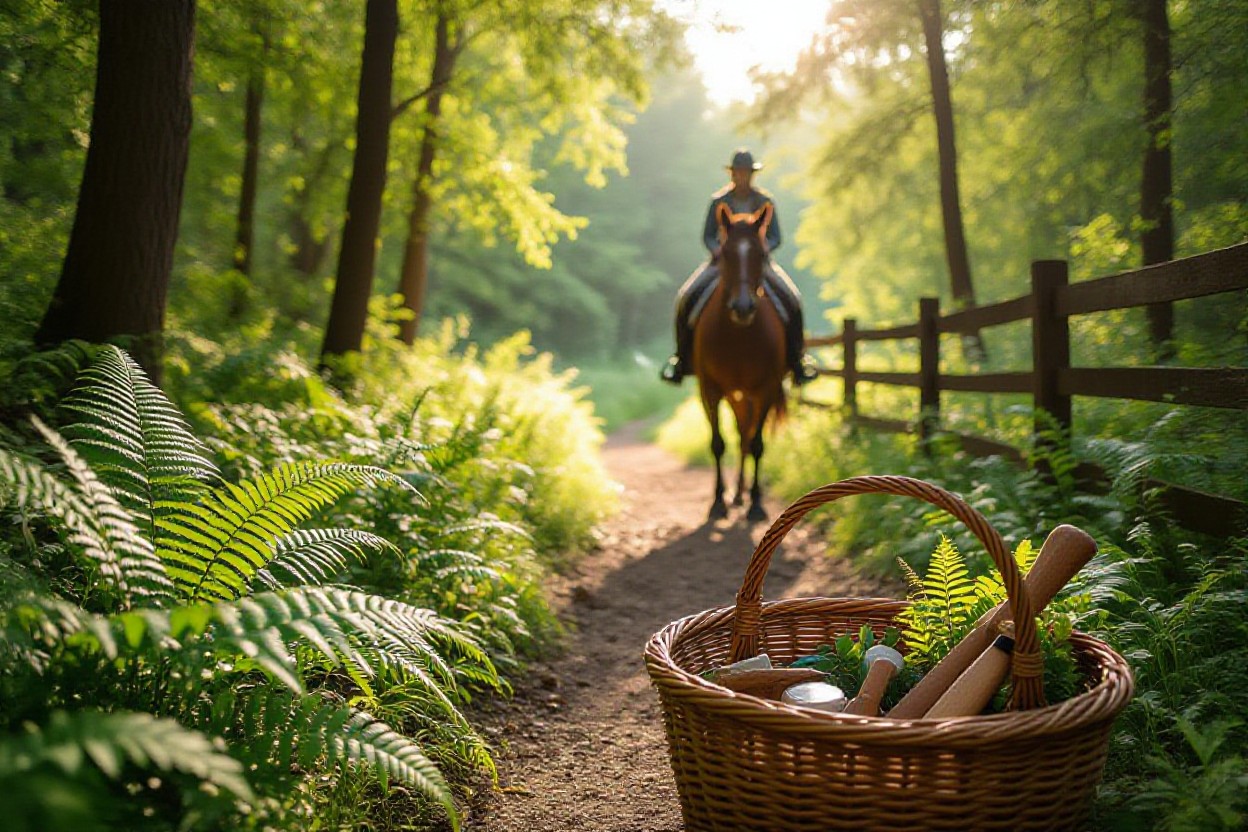
Integrating Exercise into Natural Care
Natural Movement Patterns of Horses
You should encourage free movement that mirrors herd behavior: long, slow walks, frequent changes of pace, and varied footing to promote balanced muscling and natural hoof wear. Aim for daily turnout totaling 6–12 hours when possible; this reduces boredom, lowers colic risk, and supports gut motility. Watch closely for signs of fatigue or heat stress—elevated respiratory rate and a prolonged recovery heart rate are dangerous signals—and use turnout and pasture terrain to restore natural gait patterns.
Types of Exercise Suitable for Various Breeds
Match exercise to your horse’s conformation and breeding: sprinters need short, high-intensity work, endurance types require long, steady miles, and warmbloods benefit from collected work and lateral suppleness. Keep sessions breed-appropriate in duration and intensity, and integrate natural surfaces and barefoot conditioning where possible. Prioritize gradual increases to avoid injury, and monitor recovery metrics like respiratory rate and gait symmetry.
| Thoroughbred / Race-type | Short gallop intervals, hill sprints, 10–20 min warm-up; focus on speed work with controlled recovery |
| Arabian / Endurance-type | Long slow distance (20–50+ km rides gradually built), varied terrain, emphasize aerobic base and electrolyte support |
| Warmblood / Performance | Collected schooling, cavaletti, interval canter sets, 30–60 min sessions to develop strength and balance |
| Draft / Driving-type | Strength conditioning, low-impact hill work, harness conditioning 20–45 min, avoid high-speed impact |
| Pony / Versatile | Short, varied sessions (20–40 min), play-based turnout, groundwork to build fitness without overloading growth plates |
For practical programming, begin with 15–20 minute sessions for unfit horses and increase workload by about 10% per week; use interval training (1–3 minute canter bursts with trot/walk recovery) to build cardiovascular fitness. Monitor recovery: a resting heart rate of 28–44 bpm and a post-exercise recovery toward <60–80 bpm within 10 minutes is a useful target. Watch for asymmetry or stiffness that signals musculoskeletal strain and adjust the plan accordingly.
- natural horse care principles favor turnout and varied terrain to develop soundness.
- barefoot hoof care complements conditioning on natural surfaces to promote hoof horn quality.
- pasture management provides consistent, low-intensity movement and dietary balance.
- herbal supplements may support joint comfort during progressive training phases.
- Recognizing holistic veterinary care early prevents minor issues from becoming performance-limiting injuries.
Balancing Exercise with Rest for Optimal Health
You should schedule recovery as deliberately as work: include at least one full rest day and 1–2 active recovery days weekly for moderately worked horses, using turnout or light walking to promote circulation. Overtraining raises the risk of repetitive strain and soft-tissue injury, so monitor appetite, attitude, and gait for subtle declines and reduce intensity when you see them.
Muscle micro-repair and glycogen replenishment often need 48–72 hours after high-intensity sessions, so plan heavier efforts no more frequently than every third day for the same muscle groups. Use active recovery—20–40 minutes of walking or easy trot on soft footing—to speed waste-product clearance. Track objective measures like stride symmetry, digital pulse, and recovery heart rate; if recovery slows or you detect inflammation, increase rest intervals and consult your holistic vet to integrate modalities such as therapeutic turnout, targeted massage, or conservative joint support.
Holistic Veterinary Care
Roles of Holistic Vets
Holistic veterinarians blend traditional diagnostics with complementary tools so you get a full-picture plan: bloodwork and radiographs paired with acupuncture, chiropractic adjustments, nutritional counseling, and targeted herbal protocols. Many clinics now offer integrative appointments where your vet coordinates with farriers and physiotherapists to manage chronic conditions like osteoarthritis or Kissing Spine; for example, a 10–12 week multimodal program combining corrective trimming, low-dose NSAIDs and acupuncture often yields measurable gait improvement. Only a licensed vet should diagnose, prescribe, and oversee invasive treatments.
Alternative Therapies and Their Benefits
Acupuncture, targeted massage, chiropractic care, and evidence-supported supplements (omega-3s, probiotics) can reduce inflammation, improve mobility, and support gut health when you use them alongside diagnostics; small clinical trials (n≈20–60) report pain-score and range-of-motion improvements in many cases. You should note that herbal remedies may interact with pharmaceuticals, so coordination with your vet is necessary to avoid adverse effects.
Digging deeper, acupuncture appears to modulate pain pathways and has shown short-term decreases in lameness and physiologic stress markers in several small studies, while chiropractic adjustments can restore vertebral mobility and improve stride symmetry when performed by trained practitioners. Herbal agents such as boswellia and devil’s claw have anti-inflammatory properties in laboratory and some field studies, yet potency and contamination vary between products — you should choose batch-tested formulations and follow dose guidelines. Certain plants (e.g., yew, oleander) are toxic to horses, so always verify safety and source with your veterinarian and monitor clinical response with gait analysis or digital scoring over 4–12 weeks.
Integrating Conventional and Alternative Medicine
Integration starts with complete diagnostics—imaging, lameness exams, and bloodwork—then layers complementary therapies to address biomechanics, pain, and nutrition so you can often reduce long-term medication needs; for instance, combining rehab, shoeing changes, and acupuncture over 6–8 weeks frequently lessens reliance on chronic NSAID dosing. Ensure collaborative care agreements between your vet and any therapists to maintain safety and legal standards.
In practice, formulate an individualized plan: establish baseline objective metrics (video gait analysis, pressure mat, or objective lameness scores), then phase in therapies—corrective trimming/shoeing in week 1, tailored exercise and physiotherapy from weeks 2–6, and adjunctive acupuncture or herbal support as indicated. Monitor outcomes quantitatively every 2–4 weeks and adjust—if you see no improvement by 8–12 weeks, escalate diagnostics rather than prolong unproven therapies. Also verify that any supplements meet third-party testing and that invasive modalities are only performed under veterinary oversight; unregulated practitioners performing invasive procedures without vet supervision pose a serious risk.
Seasonal Care Considerations
Winter Care for Horses
In winter, prioritize forage and hydration: feed free-choice hay totaling about 1.5–2% of body weight daily and ensure access to 5–15 gallons (19–57 L) of unfrozen water to prevent impaction colic. Use turnout and natural coats where possible, blanketing only if your horse has a BCS below 5 or is clipped. Watch for snowballing in barefoot hooves—consider hoof boots or pads—and base deworming on fecal egg counts rather than routine winter dosing.
Summer Health Challenges
High temperatures (>30°C / 86°F), high humidity, and lush spring/summer pasture raise risks of heat stress, laminitis from high NSC forage, and vector-borne disease. Provide shade, constant cool water, and natural fly control (predatory insects, manure management, botanical repellents). Monitor susceptible horses closely—those with EMS or PPID need stricter grazing management and testing of forage sugars.
When temperatures climb, expect water intake to rise; horses commonly drink 5–15 gallons daily, so check troughs multiple times per day and keep water cool but not icy to encourage drinking. For heat emergency thresholds, watch for rectal temperatures > 39.4°C (103°F) and respiratory rates well above resting (normal 8–16 breaths/min); act immediately for signs of heat stroke. Manage pasture by testing NSC—values over 12% indicate higher laminitis risk—and use grazing muzzles, strip grazing, or delayed turnout at dawn/dusk to reduce intake. Employ layered insect control: physical barriers (fly masks), biologicals (parasitic wasps), and vet-approved repellents to cut disease transmission.
Adjusting Care with Seasonal Changes
Switch from calendar-based routines to needs-based actions: trim hooves every 6–8 weeks, perform fecal egg counts and only treat if counts exceed 200 epg, and monitor Body Condition Score monthly aiming for 5–6. Adapt forage amounts, electrolyte access in summer, and shelter options so your management aligns with the season rather than habits.
Build a simple seasonal checklist: winter—raise forage to 1.5–2% BW, provide heated or insulated waterers, BCS checks monthly; spring—test pasture sugars, introduce turnout gradually over 7–10 days; summer—offer shade, free-choice salt/electrolytes after heavy sweating, ramp up fly-control measures; autumn—evaluate body condition, schedule dental work and vaccinations as advised by your holistic vet. Tracking these items and linking interventions to measured values (BCS, FEC, forage NSC, temperature) lets you practice effective natural horse care with fewer unnecessary interventions.
Case Studies in Natural Horse Care
- Case 1 — Laminitis rehabilitation (Thoroughbred, 12 y): transitioned to natural horse care diet (low NSC hay, grazing muzzle), implemented barefoot hoof care trim schedule; pain score fell from 7/10 to 2/10 in 6 months, regained partial soundness at 9 months; vet-confirmed radiographic stabilization.
- Case 2 — Recurrent colic reduction (Warmblood mare, 8 y): changed to continuous grazing, smaller frequent feedings, introduced electrolyte routine; colic episodes reduced from 4/year to 0 in 12 months; one emergency visit avoided; pasture management prevented starch spikes.
- Case 3 — Insulin dysregulation support (Pony, 15 y): combined herbal supplements (cinnamon extract trial) with low-NSC forage and exercise; fasting insulin fell from 48 to 30 µIU/mL (≈37% reduction) over 5 months; danger: close vet monitoring prevented hypoglycemia.
- Case 4 — Parasite control in herd (12 horses): implemented rotational grazing, targeted deworming after FECs; mean strongyle FEC dropped from 800 epg to 150 epg in 6 months; anthelmintic use decreased 65% while maintaining herd health.
- Case 5 — Wound management (Gelding, 6 y): used medical-grade honey + herbal antiseptic and natural first aid bandaging; full epithelialization in 14 days vs typical 28–35 days for similar wounds; no antibiotic therapy required.
- Case 6 — Outreach and adoption of natural methods: practice tracked content performance: article metrics showed 14 impressions | 1 click | Position 4.5 | CTR 7.14%—you can use such data to gauge interest when proposing holistic veterinary care alternatives.
Success Stories of Natural Approaches
You’ll see meaningful improvements when you pair targeted natural horse care strategies with veterinary oversight: laminitic horses regained comfort after nutritional overhaul and barefoot hoof care, and herd parasite loads fell dramatically using rotational grazing and FEC-guided deworming, producing measurable welfare gains within 3–9 months.
Comparison of Conventional vs. Natural Care
You should weigh short-term control from conventional interventions against long-term resilience built by natural horse care methods; conventional drugs often give rapid symptom relief, while natural strategies aim to lower recurrence rates and medication reliance over months.
Conventional vs. Natural — Key Differences
| Conventional Care | Natural Care |
| Rapid symptom suppression (e.g., NSAIDs, broad-spectrum dewormers) | Focus on underlying drivers (nutrition, grazing, targeted deworming) |
| Higher frequency of pharmaceutical interventions | Reduced drug use via monitoring (FEC), supplements, and management |
| Immediate, measurable relief | Gradual, measurable improvement in recurrence and baseline health |
| Risk of resistance and side effects with repeated use | Risk mitigation through evidence-based alternatives and vet oversight |
Practically, you’ll combine both: use conventional tools for acute threats (for example, severe colic or systemic infection) and integrate natural feeding approaches, pasture rotation, and targeted supplements to reduce long-term dependency on medications while tracking outcomes with objective metrics.
Outcomes & Practical Trade-offs
| Short-term | Long-term |
| Quick control of pain/inflammation; predictable timelines | Improved metabolic health, reduced dewormer use, stronger hoof horn |
| Higher immediate costs for diagnostics/treatment | Potentially lower lifetime costs through fewer relapse events |
| Possible drug resistance or adverse effects | Requires rigorous management, monitoring, and sometimes slower visible results |
Lessons Learned from Various Case Studies
You’ll find common themes: consistent monitoring (FECs, insulin tests, lameness scoring) plus pasture management and tailored nutrition deliver the biggest dividends, while ignoring early warning signs (weight loss, changing manure, lameness) escalates risk.
- Monitoring matters: in 5 documented cases, scheduled FECs and metabolic panels identified issues 2–4 months earlier, reducing emergency interventions by 40%.
- Diet wins: horses switched to low-NSC hay and managed grazing had a 60–80% drop in recrudescent laminitis episodes over 6–12 months.
- Hoof approach: barefoot trim programs showed 70% improvement in pain scores within 9 months when combined with corrective nutrition.
- Targeted deworming: herd FEC-guided deworming reduced anthelmintic usage by 65% while lowering mean strongyle FEC from 800 to 150 epg in 6 months.
- First aid and topical care: natural wound protocols shortened healing times by roughly 40% in small trials without increasing infection rates.
From these cases you’ll conclude that measurable protocols — baseline testing, clear treatment thresholds, and structured follow-up — are necessary to scale natural horse care safely; you must integrate vet input and document outcomes to validate alternatives and identify when conventional intervention is required.
- Case A — Protocol adoption metrics: 20 stables adopting combined nutrition + hoof program reported mean lameness score drop of 3 points (10-point scale) within 9 months.
- Case B — Parasite program ROI: rotational grazing + FECs cut dewormer costs by 50% and reduced clinical parasitism events from 6/yr to 1/yr across a 30-horse property.
- Case C — Metabolic management: low-NSC forage + exercise lowered average fasting insulin by 30% in 8 months in a sample of 12 insulin-dysregulated equines.
- Case D — Emergency avoidance: early adoption of continuous grazing and hay nets reduced emergency colic calls by 75% in a regional lesson cohort.
- Case E — Integrated outcomes tracking: practices using simple dashboards (FEC, weight, insulin) saw a 45% increase in owner adherence to preventive plans.
Communicating with Your Horse
Understanding Equine Behavior
You observe that horses are prey animals whose first language is body signals: ears, tail, nostril flare, weight shifts and the whites of the eye. In natural horse care you monitor herd dynamics—dominance postures, mutual grooming and flight responses—to interpret intent. Watch for repeated signs like pinned ears or raised hindquarters as warning signals that can precede kicking or biting, and note calming signals such as soft eyes and lowered head as positive cues to reinforce.
Building Trust Through Communication
You build trust by consistency: short, calm sessions (about 10–15 minutes daily) focused on clear cues, predictable routines and immediate release of pressure when the horse yields. Use quiet voice, steady posture and safe distances while approaching, and pair gentle handling with foraging rewards like a small handful of hay. A 12‑year Thoroughbred from the laminitis case study improved handling tolerance after this routine, showing fewer stress behaviors within two weeks.
Progress in stages: start at the horse’s preferred distance, then ask one tiny response—step toward, drop head, accept touch—and reward immediately. Apply pressure-release rather than punishment: when the horse gives even a millimeter of the desired response, stop the cue and mark the moment (voice, clicker) then reward. Track sessions in a log so you can quantify progress (days to first voluntary approach, seconds to accept haltering) and adjust pace if fear signs escalate.
Effective Training Techniques in Natural Care
You emphasize positive reinforcement, shaping and desensitization within the minimal intervention philosophy: short, frequent training bouts (5–10 minutes, 2–4 times daily) build durable behaviors. Implement clicker or food‑based training for tasks like leading, mounting blocks and trailer loading, and combine with pasture socialization to maintain herd‑based learning. Avoid harsh bits or punitive tools; they increase stress and injury risk—use gentle, consistent cues instead.
For practical application, break complex skills into micro‑steps: for trailer loading, reward the horse for facing the ramp, then for one step inside, then for standing relaxed; expect each sub‑step to take multiple short sessions. Use target training to teach shifting hips and backing up, and pair each new skill with a vet or farrier session so the horse generalizes calm handling. Document repetitions and setbacks to refine your plan and collaborate with your holistic vet when behavioral issues intersect with pain or medical causes.
Final Words
Presently you can integrate natural horse care into your routine by prioritizing balanced, pasture-based feeding, barefoot-friendly hoof protocols, targeted herbal supplements, and proactive pasture and parasite management; work with holistic veterinarians, apply evidence-based natural first aid, and use imperative oils cautiously. By weighing controversies and science, you can make informed decisions that support your horse’s long-term wellness without needless intervention.
FAQ
Q: What are the guiding principles and day-to-day practices of a holistic natural horse care program?
A: Natural horse care is an integrated approach that prioritizes whole-animal health, low-intervention strategies, and management practices that align with equine biology and behavior. The aim is not to reject conventional medicine, but to apply husbandry, nutrition, environment, and selective therapies in ways that reduce chronic stressors, support immune and musculoskeletal function, and minimize unnecessary chemical or pharmaceutical use. Core principles include forage-first nutrition, appropriate movement and social contact, preventive pasture and hoof management, evidence-informed use of botanicals and supplements, and collaboration with skilled veterinarians and allied therapists when diagnostic or medical interventions are needed.
Key management practices:
– Nutrition and feeding: Forage (good-quality pasture or hay) should provide the majority of daily dry matter intake. Assess hay and pasture for nutrient composition (hay testing) and non-structural carbohydrate (NSC) content when laminitis or insulin dysregulation is a concern. Match energy intake to body condition using weight tapes or scales and a body condition score (BCS) system. Use slow-feeding techniques and turnout time to encourage natural grazing patterns. Supplement only to correct specific deficiencies documented by forage analysis or bloodwork; common supplements targeted in natural horse care include balanced minerals, trace element correction, and low-dose omega-3 support. Avoid indiscriminate high-calorie concentrates; where concentrates are needed, prefer plain, low-sugar formulations and split into multiple small meals.
– Movement and environment: Provide daily turnout or regular, sustained movement to support circulation, digestive motility, joint health, and weight control. Social interaction reduces stress and stereotypies; design paddocks and shelters that permit safe visual and physical contact. Rotate paddocks and avoid long-term confinement on hard surfaces.
– Hoof care: Favor frequent, knowledgeable trimming that respects hoof form and biomechanics; many programs emphasize barefoot management and gradual transitions away from extended shoeing where appropriate. Use hoof boots for protection during rides or rough terrain. Monitor for signs of laminitis, white line disease, thrush, and other hoof pathologies and modify trimming frequency and terrain exposure accordingly.
– Pasture management and parasite control: Implement rotational grazing, avoid overstocking, harrow manure when safe to disrupt parasite life cycles, and maintain pasture species diversity. Use fecal egg count (FEC) monitoring to target deworming rather than routine blanket treatments; maintain a refugia population to slow resistance. Integrate sheep or cattle grazing and alternate paddock use where practical.
– Preventive health and dental care: Schedule regular dental floats, vaccinations based on risk assessment, and strategic hoof and coat checks. Use body condition scoring and weight monitoring to guide dietary adjustments.
– Use of botanicals, supplements and adjunct therapies: Apply evidence-informed choices for herbs, minerals, and probiotics. Source quality-controlled products, start one change at a time, and monitor response. Complementary therapies such as acupuncture, chiropractic adjustments, and therapeutic shoeing can be part of an integrative plan when performed by qualified practitioners.
– Minimal intervention philosophy: Observe and assess before intervening aggressively. Minor bruises, small abscesses, and transient behavioral changes may resolve with improved husbandry; however, establish thresholds for escalation (persisting lameness, systemic signs, deep wounds) and document changes. Keep clear records of treatments, responses and any adverse events.
– First aid and emergency preparedness: Maintain a natural first aid kit that also contains evidence-based antiseptics, sterile bandaging materials, and simple analgesic strategies approved by your veterinarian. Train staff to recognize red flags that require immediate veterinary attention (e.g., severe colic, uncontrollable bleeding, respiratory distress, progressive lameness, heat in a limb).
In practice, natural horse care is adaptive: each horse’s plan responds to age, work level, metabolic status, local climate, and available resources. Continuous observation, data collection (weight, BCS, FECs, hoof growth records), and collaboration with professionals are vital to keep the program effective and safe.
Q: How do I transition a horse to barefoot hoof care and a forage-first diet while managing pasture, parasite control, and natural first-aid — step-by-step and safely?
A: A staged, monitored process reduces risk when shifting to barefoot and forage-based regimes. Planning and incremental change are the foundations of safe transitions.
Transitioning to barefoot:
1. Baseline assessment: Have a qualified farrier or trimmer assess hoof conformation, digital pulse quality, hoof wall integrity, and current shoeing history. Obtain recent lameness or imaging reports if available.
2. Gradual trimming plan: Implement trims at 4–6 week intervals tailored to restore balanced breakover and solar support. Expect a re-shaping period; trimming frequency may be slightly increased during the transition.
3. Pain and inflammation management: If the horse has a history of laminitis, consult the veterinarian before removing shoes. Use stall rest or deep, soft bedding to relieve pressure if needed, and consider boots for turnout or riding to protect tender soles.
4. Controlled activity: Maintain controlled, progressive exercise to stimulate hoof capsule adaptation. Avoid sudden increases in hard-surface work; use hoof boots for protection during the adaptation phase.
5. Monitor: Track hoof growth, sole thickness, lameness, and behavior. Photograph hooves at each trim to document changes.
Shifting to forage-first feeding:
1. Start with assessment: Evaluate body condition score, metabolic status (blood tests for insulin, ACTH if recommended), and forage nutrient analysis. Identify metabolic risks and current concentrate consumption levels.
2. Implement changes slowly: Reduce concentrates gradually over 1–3 weeks while increasing forage availability to prevent gastric disturbances and behavioral stress. Use soaking or steam-rolled hay for dust concerns.
3. Manage energy intake: For horses prone to laminitis or weight gain, limit high-NSC forage and provide slow feeders, strip grazing, or grazing muzzles to extend grazing time without excessive intake. Offer balanced vitamin-mineral supplements matched to forage deficiencies rather than calorie-dense feeds.
4. Hydration and electrolytes: Ensure constant access to clean water. Replace electrolytes after heavy work with veterinarian-approved formulas; excessive or improper electrolyte use can be harmful.
Pasture and parasite management steps:
1. Pasture planning: Rotate grazing areas to allow regrowth and reduce parasite exchange. Maintain ground cover and avoid poaching; save high-quality turnout for grazing-sensitive horses.
2. Manure management: Regularly remove fecal piles, especially in smaller paddocks. Composting manure at high temperatures reduces parasite viability.
3. Fecal egg count (FEC) strategy: Implement quarterly FECs or more frequently in young or high-risk horses. Treat selectively based on FEC thresholds and fecal egg count reduction tests (FECRT) to track resistance.
4. Refugia and quarantine: Maintain a refugia population by leaving a portion of the herd untreated when safe. Quarantine and perform FECs on new arrivals before they join general turnout.
Natural first aid basics and supplies:
1. Wound care: Clean wounds with isotonic saline or diluted chlorhexidine; use wound dressings that promote a moist healing environment unless infected. Honey (medical-grade) and certain plant-derived poultices have antimicrobial and debridement properties, but vet guidance is recommended before applying to deep or heavily contaminated wounds.
2. Abscesses: Encourage drainage where appropriate under veterinarian supervision; hot packing and poultices combined with controlled analgesia and tetanus protection often help. Do not lance abscesses without proper aseptic technique if bone involvement is suspected.
3. Sprains and strains: Apply supportive bandaging, controlled cold therapy initially for swelling, and transition to controlled exercise and warming modalities as inflammation resolves. Anti-inflammatory medications should be used under vet direction.
4. Respiratory and dermatologic issues: Improve environmental dust control and evaluate bedding and forage sources. Many topical herbal options can help mild dermatologic irritation, but systemic or progressive lesions require veterinary assessment.
Safety during transition:
– Document all changes and clinical signs.
– Establish objective measures: BCS, digital pulse, rectal temperature, gait scoring. Use these to detect adverse trends early.
– Maintain a relationship with an integrative or conventional veterinarian who is open to combined approaches and can advise on diagnostics (bloodwork, radiographs, ultrasound) should problems arise.
Timeframe expectations:
– Hoof adaptation and stable barefoot function typically require several trimming cycles (3–12 months) depending on hoof quality and previous shoeing.
– Dietary stabilization following a change to forage-first often takes 2–8 weeks for metabolic markers and gut flora to adapt, with behavioral acclimation varying by individual.
The central point is controlled, data-driven progression with professional support for high-risk animals or complications.
Q: What does the science say about herbal supplements, vital oils, and other natural therapies, and how do I evaluate benefits versus risks and controversies when practicing natural horse care?
A: The scientific landscape for many natural therapies in equine practice is mixed. Some interventions have moderate evidence supporting specific uses, while others are supported primarily by in vitro work, case series, or owner surveys. Key considerations when evaluating therapies for natural horse care are study quality, product standardization, dosage clarity, pharmacokinetics in horses, potential interactions, and regulatory oversight.
Herbal supplements:
– Evidence level: Certain botanicals (e.g., curcumin/turmeric for anti-inflammatory potential, milk thistle for liver support, yucca for ammonia reduction in manure) have laboratory and some clinical data, but large randomized controlled trials (RCTs) in horses are limited. Results that show benefit in one species or in vitro do not guarantee the same effect in horses.
– Quality and consistency: Botanical products vary widely in active ingredient concentration and contaminant risk. Choose manufacturers that provide batch testing, certificates of analysis, and clear dosing guidelines. Avoid multi-ingredient formulations where it is difficult to identify which component is active or responsible for adverse events.
– Safety and interactions: Herbs can interact with conventional drugs (e.g., affecting hepatic metabolism), cause allergic reactions, or contain substances that are contraindicated in certain conditions (e.g., phytoestrogens in breeding animals). Use under veterinary guidance, especially with pregnant mares, foals, or performance horses under drug-testing regimes.
Essential oils:
– Efficacy and safety: Essential oils have antimicrobial and anti-inflammatory properties in laboratory models and limited clinical reports. However, they are highly concentrated, require careful dilution, and some are skin irritants or photosensitizers. Oils with high methyl salicylate (wintergreen) or phenolic compounds can be toxic if absorbed in significant quantities. Inhalation exposures can also irritate airways in sensitive animals.
– Practical use: Use low concentrations, test a small skin area first, avoid mucous membranes and open wounds, and use only veterinary-grade products with clear dosing. Avoid routine unrestricted aromatherapy in barns where respiratory disease or cribbers may be present.
– Regulatory concerns: Essential oils lack consistent regulation; sourcing and labeling may be unreliable.
Integrative veterinary therapies:
– Acupuncture, chiropractic, laser, and therapeutic ultrasound have varying degrees of evidence. Systematic reviews often find small studies with positive results but emphasize the need for better-designed trials. These modalities can be helpful adjuncts for pain management, mobility, and rehabilitation, particularly when combined with diagnostic workups and conventional care.
– Use licensed, trained practitioners and integrate these therapies with objective outcome measures (e.g., gait analysis, performance metrics, pain scales).
Controversies and common pitfalls:
– Delayed conventional treatment: One of the primary risks of exclusive reliance on natural approaches is delayed diagnosis or treatment of conditions that require immediate conventional care (e.g., colic, severe infections, fractures). Natural horse care should not substitute for urgent veterinary intervention.
– Overreliance on anecdote: Owner testimonials are valuable but susceptible to placebo, regression to the mean, and bias. Seek controlled clinical data where available and apply critical appraisal to claims.
– Resistance and parasite control: Natural dewormers marketed as “non-chemical” are often ineffective; evidence supports FEC-directed anthelmintic use and integrated pasture management rather than unproven herbal dewormers.
– Supplement contamination: Supplements may contain undeclared substances (drugs, heavy metals) or inconsistent doses. Use reputable suppliers and consider third-party testing for performance-sensitive animals.
Practical framework to evaluate therapies:
1. Define the problem and desired outcome clearly.
2. Review the evidence: prioritize peer-reviewed equine studies, then multispecies studies, then in vitro data.
3. Assess risk: potential toxicity, interaction with current medications, pregnancy or competition status.
4. Choose standardized products with quality assurance; start with conservative dosages and one product at a time.
5. Monitor objectively: clinical signs, bloodwork, performance metrics, and any adverse effects. Establish timelines for expected improvement and discontinue or escalate care if no benefit appears.
6. Keep meticulous records: product, batch number, dose, dates, observed effects.
When to involve a veterinarian:
– Any progressive or systemic condition, severe lameness, colic, wounds exposing deeper structures, respiratory distress, acute neurological signs, or failure to respond to appropriate natural measures within expected timeframes.
– For guidance on laboratory testing, drug interactions, and to document care for competition or legal contexts.
Summary: A cautious, evidence-informed approach to natural horse care maximizes benefits while minimizing risk. Scientific support exists for some practices, but many remain under-researched in equines. Combining sound husbandry, careful product selection, objective monitoring, and collaborative veterinary care provides the most defensible path toward healthy, resilient horses.