Why Indoor Activities are Crucial for Our Feline Friends
With all the viral videos of cats solving food puzzles and running on tiny treadmills, you’re seeing in real time how much built-up energy indoor cats actually have. In a small apartment, there’s no backyard to patrol and no real hunting to do, so your cat’s brain and body quietly stall out unless you give them jobs like indoor hunting games, DIY puzzle feeders, or short play bursts that mimic stalking and pouncing.
The Real Deal About Boredom in Cats
What looks like a “chill” cat sleeping 18 hours a day is often a bored cat with nothing better to do, especially if you’re out at work or school. You’ll notice they perk up the second you crinkle a treat bag or drag a string because their brain is wired to problem-solve and chase, not just sit on the couch like a furry throw pillow.
The Hidden Dangers of a Bored Cat
When your cat has zero structured indoor activities, you usually pay for it somewhere else – shredded furniture, night zoomies, or that classic 3 a.m. yowl session. Vets see bored indoor cats sliding into obesity, stress-related cystitis, and even diabetes because they graze on food all day but barely move, so your “lazy” cat is often just an under-worked athlete stuck in a studio.
Behaviorists actually track this: cats in enrichment programs, even basic ones like 10-minute wand sessions twice a day plus a couple of puzzle feeders, show fewer stress behaviors and less aggression toward people and other pets. Without that outlet, your cat starts inventing their own “games” – like ambushing your ankles, chewing charging cables, or obsessively over-grooming until bald patches show up. That’s why every silly little game you set up, from paper-bag tunnels to food-scatter hunts, quietly protects your cat from long-term health issues and saves you money on vet and behavior consults later.
My Take on the Importance of Mental and Physical Stimulation
From what I’ve seen (and what studies keep backing up), you don’t need fancy cat tech, you just need consistent daily play that gets your cat thinking and moving. Even in a tiny one-bedroom, rotating 3 or 4 simple activities – wand play, box mazes, treat “treasure hunts”, clicker tricks – has more impact than one huge burst of chaos on the weekend.
I’m a big believer that you treat your cat like a tiny house predator, not living decor, so every day you ask: how do I let them stalk, chase, pounce, and “win” in this small space. Cats given just 15 minutes of focused play before meals tend to eat better, sleep deeper, and bug you less at night because their natural hunt-eat-groom-sleep cycle is finally satisfied. So yeah, those goofy indoor games you set up between meetings or while the kettle boils are not just cute content, they’re your best tool for building a calmer, healthier, longer-lived cat that actually thrives in apartment life.
A Quick Look at Different Types of Activities for Cats
You’ll get way more mileage out of your tiny living room if you mix different activity types instead of doing the same toy routine every day. Think focused interactive play, brainy puzzle games, chill foraging activities, crafty DIY projects, and low-effort solo play your cat can run on repeat. Perceiving how your cat rotates through these in a single day tells you exactly where their energy and curiosity really live.
- Interactive play
- Solo play
- DIY cat projects
- Puzzle feeders
- Hunting-style games
| Interactive Play | Wand toys, chase games, and short 5-10 minute sessions that mimic real hunting to burn serious energy fast. |
| Solo Play | Battery toys, kicker toys, and tunnels that let your cat zoom around while you work, cook, or sleep. |
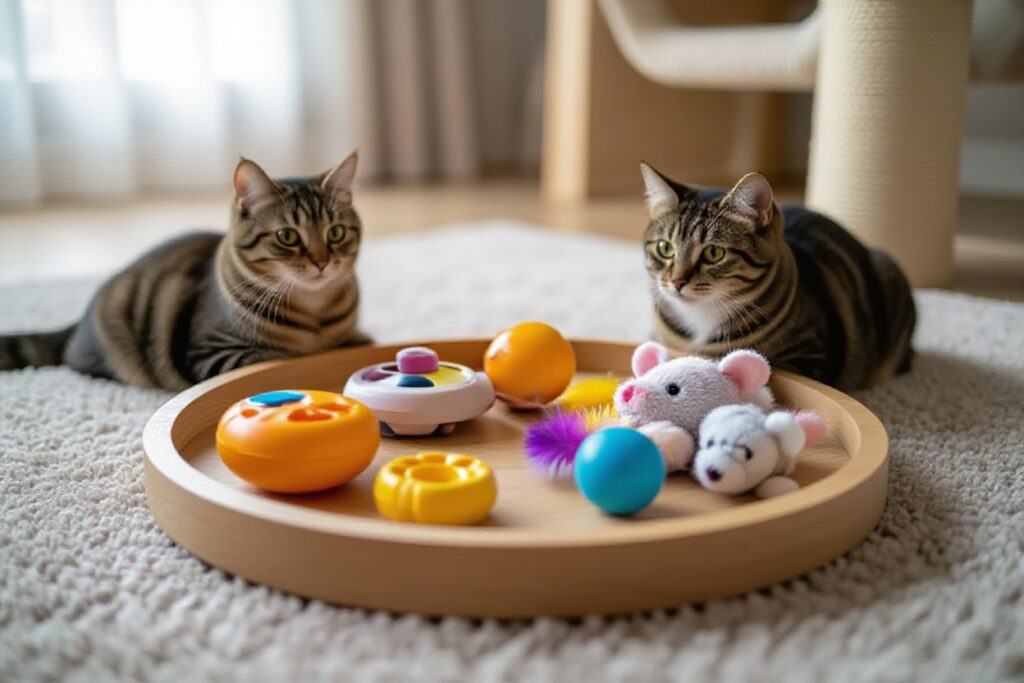
| Puzzle & Foraging | Snuffle mats, treat balls, and muffin-tin puzzles that keep your cat’s brain busy as they “work” for food. |
| DIY Projects | Cardboard forts, paper bag hideouts, and homemade wall climbers that cost almost nothing but feel epic. |
| Calming & Rest | Window perches, cozy boxes, and scent games to help your cat reset between higher-intensity activities. |
Solo Play – Fun Without You
Some of the best indoor activities for cats happen when you’re not even in the room. With a couple of rotating toys – a tunnel, a kicker, maybe a track ball – your cat can rack up 20-30 mini play bursts across the day in a tiny apartment. Perceiving which toy ends up in the middle of the floor every night tells you exactly what they secretly love.
Interactive Play – Bonding Time with Your Cat
Short, intense interactive play sessions can burn more energy than an hour of your cat wandering around bored. When you work a wand toy properly – low, fast, hiding behind furniture – most cats hit that panting, satisfied hunter mode in under 10 minutes. Perceiving that post-play flop and slow blink is your sign you finally hit their “I’m done” button.
Most people wave the toy in the air and wonder why their cat stares like you’ve lost the plot, but once you move it like prey – dart, freeze, hide, repeat – everything changes. Try running 3 mini rounds: stalk, chase, catch, then let your cat “win” hard at the end so they can chew and kick for 30-60 seconds. You’ll often see fewer 3 a.m. zoomies on nights you do this, because that hunting cycle finally got completed properly. Perceiving your cat’s timing, like when they start wiggling before a pounce, helps you sync your movements so the game feels insanely real to them.
DIY Projects – Get Creative Together
Some of the most effective cat games for indoor cats are literally built from your recycling bin. A cardboard maze, a paper bag tunnel, and a DIY puzzle box can turn a 400-square-foot studio into an adventure park without spending more than a couple of dollars. Perceiving how fast your cat explores a new setup tells you how brave or cautious their natural style really is.
You don’t need fancy tools to make stuff your cat thinks is top-tier entertainment, just scissors, tape, and a bit of floor space. Try stacking 3-4 boxes with cut-out doors to create a mini “apartment complex”, then drop treats or toys in random rooms so your cat has to search. Rotating layouts every week or two keeps it feeling new even if you reuse the same boxes for months. Perceiving which paths your cat chooses first – high holes, side doors, tight tunnels – gives you clues about the kind of vertical or hiding spaces they’ll enjoy most elsewhere in your home.
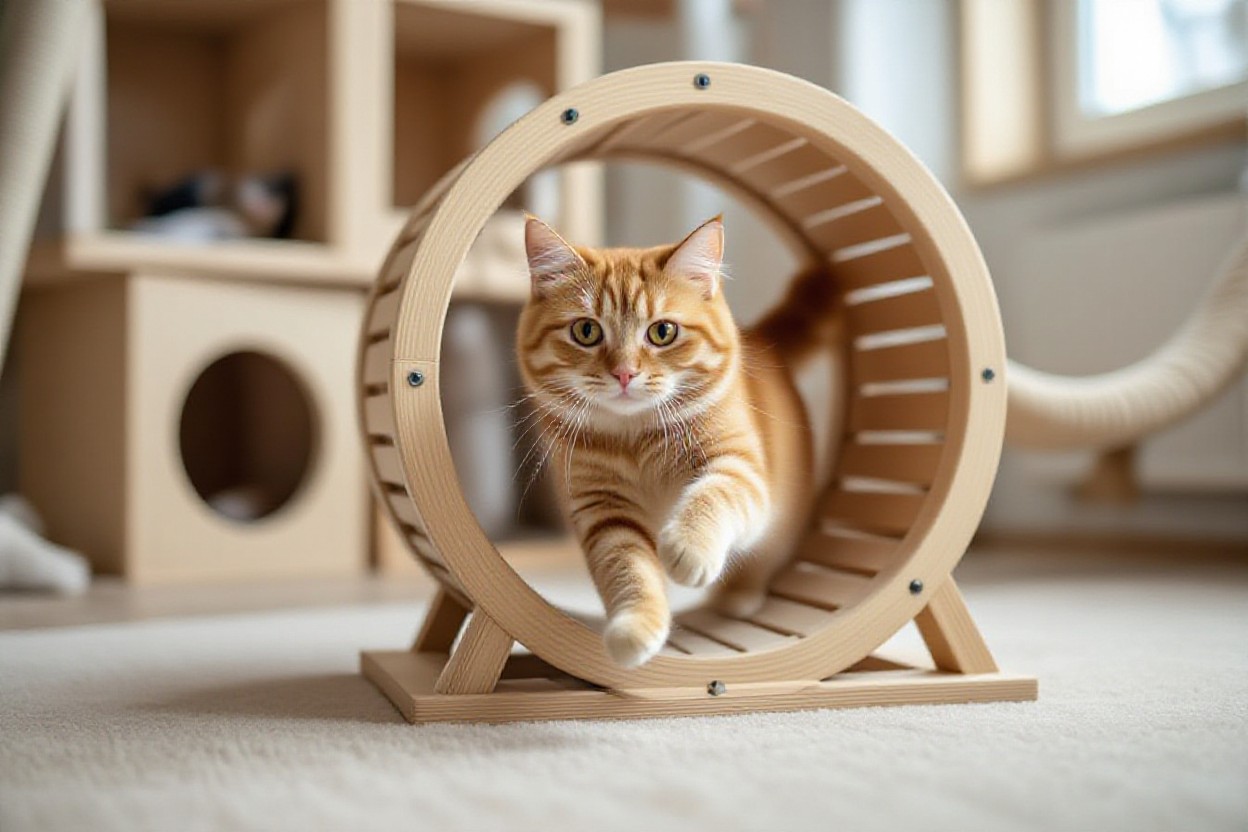
The Benefits of Keeping Your Cat Active
People often assume indoor cats are perfectly fine just napping all day, but your cat’s body and brain are wired for hunting, chasing, and problem-solving. Regular activity helps protect joints, supports a healthy heart, and keeps boredom from turning into destructive behavior. Even in a studio apartment, a few short play sessions can mimic that hunt-catch-kill cycle and give your cat a real job to do. Over time, you’ll see better sleep, fewer zoomies at 3 a.m., and a generally happier, more balanced cat.
Energy Burn: Why It Matters
It’s easy to think a sleepy cat is just “low energy”, but a lot of that laziness is actually unspent energy with nowhere to go. Quick 5-10 minute play bursts a few times a day help use up that mental and physical fuel so it doesn’t come out as biting, yowling, or midnight parkour. Even simple indoor cat games like feather wands, DIY box mazes, or chasing a crinkly ball can burn more energy than you’d expect in a small space.
Stress Relief – A Calm Cat is a Happy Cat
Most people don’t realize how stressed indoor cats can get, especially in apartments with noise, neighbors, and zero control over their territory. When you give your cat structured play, puzzle feeders, or climbing routes, you’re not just entertaining them, you’re bleeding off anxiety. That built-in “hunt” time helps reduce tension that would otherwise pop up as hiding, over-grooming, or random swats at your ankles.
Think about those evenings when your cat suddenly bolts down the hallway for no reason – that’s often pent-up stress trying to escape. By adding daily indoor activities like scheduled wand play, clicker training, or food-dispensing toys, you give your cat predictable outlets and a sense of control. Because your cat “works” for rewards, their nervous system gets to complete a full cycle: search, chase, catch, eat, groom, sleep. That pattern tells your cat’s brain that the world is safe, and a cat that feels safe is way less likely to pee outside the box, cry at the door, or pick fights with other pets.
Combatting Obesity – Keeping Your Cat Fit
Weight gain in indoor cats creeps up quietly, then suddenly you’ve got a 13-pound potato who hates the vet scale. Activity is your secret weapon: just two or three 10-minute play sessions can help your cat burn extra calories and maintain lean muscle. Pair those sessions with controlled meal feeding or puzzle feeders and you’ll drastically cut the risk of obesity-related issues like diabetes and joint pain, even if you live in a tiny place.
Instead of trying to force your cat into some intense workout routine, you sneak exercise into normal cat stuff. Use vertical space so every nap spot requires a little climbing, scatter a few low-cost toys that roll or crinkle to trigger quick sprints, and rotate games so your cat has to work for at least part of their daily calories. Over weeks, that steady movement helps preserve muscle, supports healthy joints, and keeps metabolism from tanking – which means fewer vet bills and a cat who can still jump onto the back of the sofa without huffing.
Tips to Make Indoor Playtime a Blast
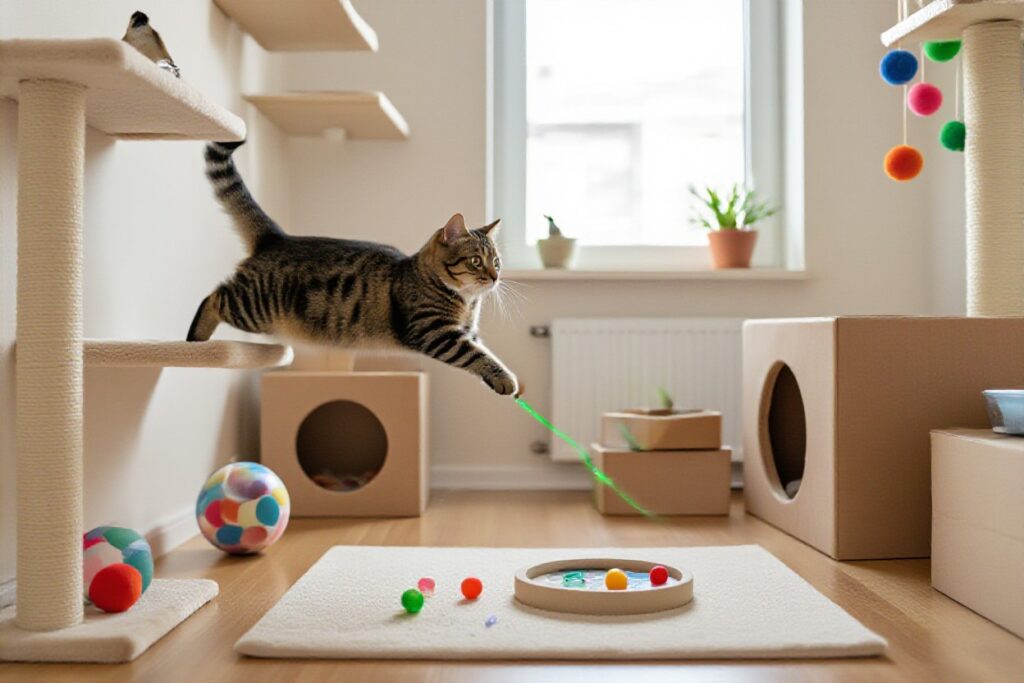
Your cat sprinting across 400 square feet like it’s a racetrack is proof that indoor activities for cats can be wildly effective with just a few tweaks. Rotate 3 or 4 toys, mix solo play with interactive cat games for indoor cats, and cap sessions at 10-15 minutes so they stay hungry for the next round. Toss in vertical spots, scent games, and simple DIY toys from boxes or paper bags to stretch their brain too. Knowing how to layer variety into a tiny space turns your home into your cat’s personal playground.
- Rotate toys often so they feel new and exciting.
- Combine mental and physical play for deeper tiredness.
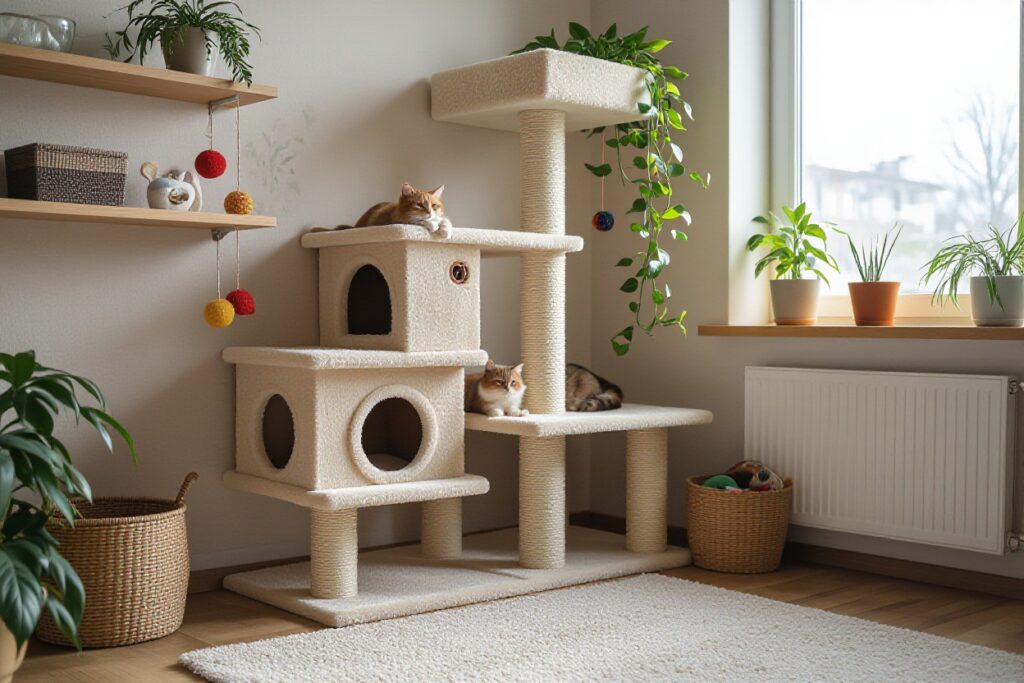
- Use vertical space to expand a small apartment.
- Keep sessions short but frequent for daily energy burn.
- Mix DIY and store-bought toys to stay low-cost.
Creating a Play-Friendly Environment
That moment your cat suddenly zooms at 11 p.m. is your sign that your space needs a bit more play-friendly layout. Clear one safe “runway” (even 6-8 feet helps), add a stable scratching post, plus 1-2 vertical spots like shelves or a window perch. Hide 2 small toys under a rug edge or inside a paper bag so your cat can “hunt” throughout the day. Knowing you’ve baked play into your setup means even tiny apartments can feel like adventure parks.
Choosing the Right Toys – What Works Best?
That one ratty feather wand your cat is obsessed with tells you a lot about their play style. In tight spaces, you’ll get the best results from wand toys (for big movements in a small area), interactive puzzle feeders, and a couple of lightweight balls that roll quietly at night. Rotate only 5-7 toys so they stay novel without cluttering your living room. Knowing which toys your cat actually chases, pounces, and kicks keeps your budget low and their energy output high.
Some cats go feral for anything that mimics prey – so if yours is a “bird” hunter, feather wands, ribbon toys, and toys that dart unpredictably will win every time, while “mouser” types love kicker toys, crinkle mice, and things they can grab and bunny-kick under the couch. Battery toys are fun, but in a small apartment you usually get more mileage out of 2 wands, 2 kickers, 2 puzzle feeders, and a cheap crinkle tunnel. Swap them every 3-4 days and you’ve basically hacked endless cat games for indoor cats without buying a new gadget every month.
Timing’s Everything – When to Play
Those early morning pounces on your toes are your cat politely saying, “this is my prime play window.” Cats are naturally crepuscular, so 10-15 minute play bursts right before breakfast and again before bed line up with their instinctive hunt-eat-groom-sleep cycle. Even 2-3 short sessions can cut down on 3 a.m. zoomies in a studio apartment. Knowing when your cat is already wired for action makes your indoor activities for cats way more effective with way less effort.
If you track your cat for a week, you’ll probably spot the pattern: big energy spikes around sunrise, another in the late afternoon, then a zoomie session in the evening. Use those exact windows for your wand toy marathons and food puzzle time, and keep midday play lighter, more like solo toys and puzzle feeders they can poke at between naps. Over a few days, a consistent “play then meal” routine before bed often shifts that wild 2 a.m. hallway sprint into a solid sleep block, which is a win for your cat and your sanity.
Step-by-Step: Setting Up Your Cat’s Play Area
| Finding the Right Space – Indoor Design Tips |
Finding the Right Space – Indoor Design TipsYou get the best play results when your setup fits how your cat naturally moves, so focus on vertical and horizontal flow. Aim for a spot where your cat can sprint 2-3 body lengths, then hop up to a shelf or cat tree. Avoid heavy foot traffic, loud TVs, and wobbly furniture. This simple layout makes your tiny living room feel like a full-on cat playground.
|
| Essential Gear – What You’ll Need |
Essential Gear – What You’ll NeedEven in a studio apartment, you can build a legit cat play area with just a few smart pieces. Think 1 climbing option (cat tree or shelves), 2-3 hunting toys (wand, kicker, small balls), 1 scratch target, and 1 puzzle feeder for slow, brainy play. This compact kit covers climbing, chasing, scratching, and problem-solving without taking over your whole home. When you pick gear, go for variety more than volume, because 4 well-chosen items will beat 15 random toys every time. A sturdy vertical post works for both scratching and climbing, a wand toy mimics prey so you can rotate different attachments, and cheap ping-pong balls or crinkle toys keep solo play going between sessions. Puzzle feeders and lick mats stretch meals into 10-15 minute indoor cat games that quietly burn energy while you answer emails or binge a show. |
| Safety First – Making It Cat-Safe |
Safety First – Making It Cat-SafeBefore you unleash serious zoomies, you want that play zone as cat-safe as you can make it. Anchor tall furniture, tape down cords, and keep string toys or hair ties out of reach when you are not actively supervising, since vets see tons of gut blockages from swallowed string. This quick safety sweep means your cat can go full gremlin mode without you hovering in panic. Small spaces can hide sneaky hazards, so check gaps behind washers, sticky cabinet doors, and tippy floor lamps that might topple during a chase. Any toy with feathers, bells, or elastic should be “with-you-only” gear, then stored in a box or drawer afterward. Soft landings also matter, so add rugs or mats near jump points to protect both your cat’s joints and your floors during those daily indoor cat parkour sessions. |
Let’s Talk About Solo Activities!
Not every play session needs you on the other end of the toy, so giving your cat a few smart solo activities means they can burn energy while you answer emails or binge a show. You’re basically setting up tiny “missions” around your small space, so your cat has stuff to stalk, chase, bat, and problem-solve even when you’re not actively playing. That’s how you prevent boredom blowups like nightly zoomies or random furniture assaults.
The Window Perch – Bird-watching Fun
Compared to fancy electronic toys, a solid window perch is like a free all-day TV channel for your cat, especially if you’ve got birds, trees, or a busy street outside. You can stick a suction-cup perch right on the glass or use a shelf with a soft blanket, then boost the entertainment by adding a bird feeder or planter box outside if you can. Even 15 minutes of “cat TV” several times a day can tire out a high-energy indoor cat surprisingly fast.
Puzzle Feeders – Meal Time Just Got Interesting
Instead of dumping kibble in a bowl, you can turn every meal into a mini brain workout with puzzle feeders that make your cat roll, bat, or paw at compartments to earn each bite. This slows fast eaters, helps manage weight, and gives bored indoor cats something mentally heavy to chew on. Most cats figure out simple puzzle toys in 1-2 days, then you can gradually level up the difficulty.
For more impact, you can rotate 2 or 3 different puzzle feeders so your cat never fully predicts how breakfast works today. Start with easy ones like ball-style dispensers or simple sliders so your cat gets quick wins and doesn’t just give up. Because food is a powerful motivator, even lazy cats usually engage, especially if you use higher value treats or mix a few freeze-dried bites into regular kibble. If you’ve got a food-obsessed cat, puzzle feeding can replace the traditional bowl entirely and double as daily enrichment.
Foraging Boxes – A Treasure Hunt for Snacks
Compared to store-bought toys, DIY foraging boxes are ridiculously cheap and just as fun, since your cat gets to dig, sniff, and “hunt” for treats hidden inside paper, egg cartons, or old shipping boxes. You can cut a few paw-sized holes, toss in crumpled paper balls, then sprinkle in 5-10 tiny treats or kibble pieces. Short 5 minute foraging sessions a couple of times a day can seriously drain energy, especially for young or anxious indoor cats.
To keep things interesting, you can change the box size, hole shapes, or filler material every few days so it feels like a brand new hunting ground. Some cats love shallow boxes filled with paper and toilet paper rolls, others prefer a deeper dig with tissue paper, ping pong balls, or even empty cardboard cup holders. And if your cat seems confused at first, you can half-bury a few treats so they’re visible, letting them “win” early and build confidence. Over time, you basically create a customizable little foraging course that fits in any apartment corner.
Interactive Games You Can Try
On those days when your cat is doing zoomies across all 12 feet of your living room, interactive games are your secret weapon. You can rotate just 3-4 simple activities and still keep your cat mentally sharp and physically tired, which is exactly what most bored indoor cats are missing. The goal is simple: get your cat to use their brain and body together, even if you’ve only got a studio apartment and a tiny budget.
Wand Toys – Get Them Moving
In a small space, a wand toy is basically your cat’s personal workout machine, and you control the intensity. You can mimic prey by dragging it slowly along the floor, then making it “escape” with quick vertical jumps. Short sessions of 5-10 minutes, a few times a day, can burn a surprising amount of energy and reduce nighttime zoomies and ankle attacks so you both sleep better.
Fetching Fun – Seriously, Cats Can Do This!
If you’ve never tried it, fetch can become your go-to game for high-energy indoor cats, especially young ones. You can start with a soft ball or crinkly toy, toss it just a few feet, then reward any interest with praise and a treat. Some cats naturally bring the toy back, others need a little shaping, but even partial fetch still burns energy and builds your bond.
To get fetch going in a tiny apartment, you can use a hallway or even the couch-to-coffee-table gap as your “field”. You toss the toy low and slow at first, so your cat tracks it rather than getting startled, then gradually increase distance as they get into it. Lots of cats respond best to light toys like foil balls, kicker sticks, or even hair ties (only under supervision, since string-like items can be dangerous if swallowed). When your cat touches or picks up the toy, you can mark that moment with a happy voice and a treat, so they realize this goofy little game is very worth their effort.
Hide-and-Seek – A Twist on Treats
For food-motivated cats, hide-and-seek with treats is basically a puzzle game plus cardio. You can start by placing 5-10 tiny treats in easy spots around one room, then gradually make it trickier by hiding them under boxes, on low shelves, or inside puzzle toys. Over time, this simple game can double as a slow-feeding system that cuts down on boredom snacking and begging.
When you level this game up, you can hide dry food in toilet paper rolls, egg cartons, or small cardboard boxes with a few holes cut in the top. You spread these around your small space so your cat has to walk, sniff, and paw to earn each bite, which mimics natural foraging. Just keep treats tiny and factor them into your cat’s daily calories, because indoor cats can pack on weight shockingly fast and extra pounds raise the risk of diabetes and joint problems, especially in low-activity homes.
DIY Indoor Activities – Unleash Your Creativity!
Ever stare at your tiny apartment and wonder how you’re supposed to make it fun for a high-energy cat? DIY indoor activities turn old boxes, blankets, and recycling into seriously effective cat games for indoor cats. You’re basically building a mini playground for the price of tape and treats. Simple setups like tunnels, forts, and food puzzles keep your cat moving, thinking, and hunting, without needing a ton of square footage. And since you control the materials, you can tweak everything to match your cat’s age, mobility, and confidence level.
Cardboard Mazes – Crafty Cat Playgrounds
Ever finish an online shopping spree and think, “What am I supposed to do with all these boxes?” Turn them into a cardboard maze your cat can sprint, stalk, and sneak through. Cut doors, side holes, and top openings so your cat has multiple escape routes, then toss in a few treats or balls. You can stack levels, change the layout each week, and keep it compact so it actually fits your small living room without taking over your entire life.
Blanket Forts – Who Doesn’t Love a Hideout?
When was the last time you let your inner 8-year-old loose and built a fort? Blanket forts give your cat a safe, dark little den that doubles as a play zone. Drape a blanket over two chairs or the couch, leave a couple of side openings, then add crinkly paper, kicker toys, or a wand toy peeking through the entrance. You get an instant hide-and-seek arena that works perfectly in tight spaces and folds away in 10 seconds.
Because cats are both predator and prey by instinct, your blanket fort basically becomes their home base, their little “safe room” in the middle of your apartment chaos. You can rotate blankets with different textures, like fleece vs cotton, to see what your cat prefers, and toss in a T-shirt that smells like you for extra comfort. Try luring your cat in with treats the first few times, then play by fluttering a wand toy just outside the entrance – that moment when a single paw shoots out to grab it is your sign you’ve created a mentally enriching, low-cost hideout.
Quick Food Puzzles – Simple Solutions for Busy Minds
Ever wish you could tire your cat out while you answer emails or clean the kitchen? Quick food puzzles turn treat time into brain work and mini hunting sessions. Use a muffin tin with a few treats under ping pong balls, or cut holes in a toilet paper roll and seal the ends so your cat has to bat it around. You’re slowing down eating, adding exercise, and giving your cat something to “figure out” in a very small footprint.
Because food puzzles tap into your cat’s natural foraging behavior, even a 3-minute puzzle can burn way more energy than free-feeding from a bowl. Start super easy: one or two treats barely covered, then level up by adding more obstacles or smaller openings so your cat has to really work that nose and paws. You can rotate between 2 or 3 quick DIY designs – like a snuffle mat, a cardboard egg carton, and a bottle-style puzzle – to prevent boredom and keep these indoor activities for cats feeling fresh and challenging, even if your home is tiny.
Got a Hyperactive Kitty? No Problem!
Your cat doing parkour off your couch at midnight is basically shouting, “I need a job!” and you can give them one with structured indoor activities. Short, focused sessions with toys, DIY puzzles and quick training drills help funnel that excess energy into safe, controlled play so you get fewer surprise ankle attacks and zoomies across your tiny apartment at 2 a.m.
Structured Play for the Energizer Bunnies
Think of your hyper cat like a kid in gym class – they do better with a start, middle and end. You can run 10-15 minute play blocks twice a day using a wand toy, then a chase toy, then finish with a quick food puzzle so your cat learns, “we hunt, we catch, we eat, we rest.” That pattern gives high-energy cats a predictable outlet and keeps chaos off your shelves.
Short Bursts vs. Long Sessions – What’s Best?
Most indoor cats do best with 3-5 short play bursts instead of one giant marathon session. Those little 5-10 minute chunks match how cats actually hunt in the wild and they fit into your day way easier than a 45 minute workout, especially if you live in a tiny space and share walls with neighbors who don’t love 3 a.m. zoomies.
What works really well is stacking micro-sessions around your existing routine: 7 minutes of wand play before breakfast, a fast hallway chase when you get home, then a final slow, low-energy game before bed. You might find that total daily playtime is 20-30 minutes but it feels lighter because it’s broken up. Hyper kittens usually need more bursts, older cats fewer but slightly longer so they can warm up gently. Test both styles for a week each and actually track it – no guesswork – you’ll spot your cat’s sweet spot pretty quickly.
Calming Techniques for After Play
Right after a wild play session, your cat’s brain is still buzzing, so you want a cool-down routine, not an abrupt stop. A few slow wand movements, then a stuffed kicker toy, then a small snack or lick mat helps their body shift from chase mode into chill mode so you don’t get that post-play random attack out of nowhere when you walk past the couch.
Think of it like your cat doing a mini yoga class after cardio. Soft talking, gentle petting on their favorite spots (usually cheeks or base of the tail, not the belly) and something to lick or chew tells their nervous system, “we’re safe now.” You can even pair a specific phrase like “all done” with this calm routine so over time your cat hears it and starts winding down faster. Lights a bit dimmer, TV quieter, toys put away – all tiny signals that tell a hyper brain it’s officially nap o’clock.
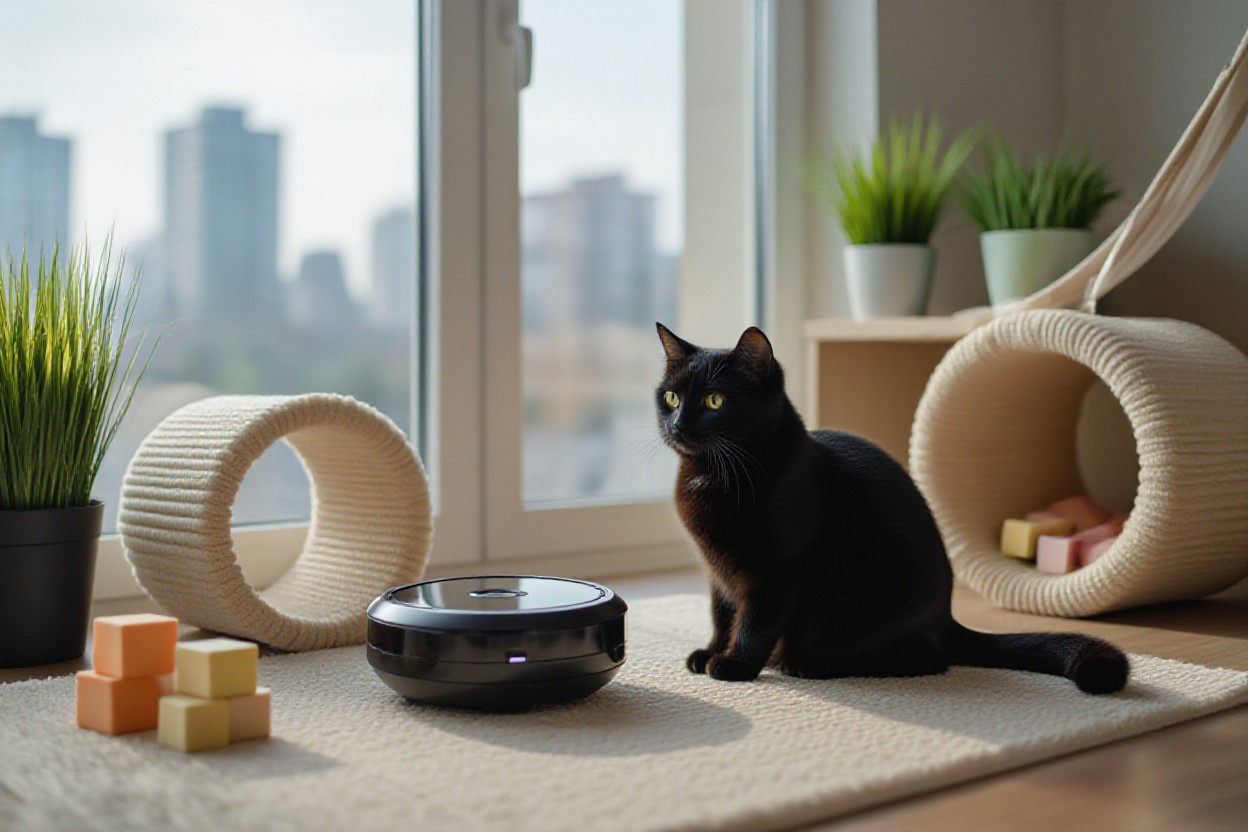
My Weekly Activity Schedule – Let’s Get Started!
People tend to think you need a massive house to have a “schedule” for cat play, but in a studio apartment you actually benefit more from structure. When you map out short bursts of play – say 10 to 15 minutes, 2 or 3 times a day – your cat starts to anticipate action and uses up loads of energy in your tiny space. A simple written plan on your fridge can turn random toy chaos into a consistent routine that cuts zoomies, night yowling, and boredom scratching.
Sample 7-Day Fun Plan
Plenty of people wing it with cat games then wonder why their indoor cats still climb the curtains, so try a loose 7-day plan instead. For example, Monday could be wand toy chases, Tuesday food puzzles, Wednesday box fort hunting, Thursday clicker tricks, Friday laser sessions, Saturday DIY agility, Sunday calm grooming and scent games. Keeping it under 20 minutes per session means your cat burns energy without overheating, and you still have a realistic, low-cost routine you can actually stick to.
Rotating Activities for Variety
Most owners get stuck using the same wand toy every day, then blame their cat for getting “lazy”, when really the game got stale. If you rotate 3 to 5 core activities – hunting games, puzzle feeders, climbing time, training, scent play – your cat’s indoor world stays fresh even in a 400-square-foot apartment. Just by swapping toys every 2 or 3 days, you trigger new curiosity and extend the life of cheap, simple cat games for indoor cats.
With rotation, you don’t need a mountain of gear, you just need to show things in a new order. You might pair a cardboard box maze with treats on Monday, then tuck that box away and bring out a crinkle tunnel midweek, finishing with a “hunt the mouse” under a blanket game on Friday. Because cats are pattern experts, this shuffle breaks the predictability that kills interest, and it turns one or two basic toys into a whole week of different indoor activities for cats without spending extra cash.
Keeping Cats Guessing – The Element of Surprise
People assume cats want the exact same game at the exact same time every day, but what really fires them up is a little unpredictability. So you might hide a favorite kicker toy under the bed one day, toss treats into a laundry basket hunt the next, then suddenly launch a 5-minute hallway sprint session right before dinner. When your cat can’t fully predict what happens next, play becomes more intense and short sessions burn way more energy in your small space.
Think of it like TV spoilers – once your cat “knows the script”, they’ll half-heartedly bat once or twice then wander off. But if you randomly change where toys appear, swap which room you play in, or suddenly introduce a new scent on an old toy (like silvervine powder or a bit of catnip tea), their brain has to work harder to figure things out. That mental puzzle is gold, because mental fatigue plus physical movement is what finally gives you a happily zonked-out indoor cat who naps instead of plotting 3 a.m. parkour.
Safety Tips for Trouble-Free Indoor Play
Keeping indoor cat games safe means your tiny space doesn’t turn into a mini emergency room, especially when your cat hits zoomie mode at 2 a.m. Swap long, string toys for wands you can stash away, tape down electrical cords, and skip tiny pieces that can be swallowed in one gulp. Any time you add a new game, watch how your cat actually uses it, not how the box says they should.
- Put away string, ribbon, and yarn after play
- Skip toys with small detachable parts
- Secure heavy furniture near jump zones
- Use breakaway collars if your cat wears one indoors
- Check toys weekly for damage or loose pieces
Supervision Matters – Don’t Let Them Go Solo
Active indoor play sessions are not set-and-forget, especially in apartments stuffed with shelves, cables, and plants. You don’t need to hover, but you should be in the room for anything involving wands, tunnels, or climbing, ready to untangle or redirect. Any toy that moves fast, dangles, or hangs should be a supervised-only deal.
Avoiding Dangerous Toys and Materials
Plenty of common household items look like fun cat toys but can cause real trouble in a small space. Skip plastic bags, hair ties, rubber bands, tinsel, and loose string, since they’re classic blockage material at the vet. Any time you’re unsure, stick to sturdy, vet-approved indoor cat toys that don’t shred into tiny bits.
Because you’re probably working with limited square footage, your cat is way closer to hazards than you think – toy box, trash can, craft drawer, all right there. Aim for toys made from tougher materials like woven fabric, thick rubber, or solid plastic that doesn’t splinter, and avoid anything with glued-on eyes or bells that can pop off during high-energy play. Check labels for non-toxic dyes, skip cheap feather toys that shed fast, and rotate in just a few safe cat games at a time so you can actually keep track of what your cat is chewing on.
How to Spot Unsafe Play Situations
Weird little signs during indoor activities for cats often show you a game is crossing the line from fun to risky. Watch for frantic chewing, panting, hiding, or constant jumping at one wobbly shelf as red flags. Any time your gut goes “hmm, that looks sketchy”, it’s usually right, so pause the game and tweak the setup.
Some easy tells: your cat is getting tangled in wand strings, trying to drag toys under doors, climbing curtains to reach a teaser, or fixating on wires instead of the actual game. If your cat keeps slipping on slick floors during chase games, add rugs or shorten the sprint distance so they’re not crashing into furniture every two minutes. Pay attention to body language too – dilated pupils, tail lashing, or sudden growling can mean the cat play session is tipping into overstimulation, and that’s your cue to switch to calmer nose-work or puzzle toys.
What If Your Cat Isn’t Into Toys?
Some cats act like every store-bought toy is beneath them, and that can feel a bit personal when you’ve spent money and time picking them out. Your cat’s not being a snob though, they’re just wired to respond to certain sounds, textures, and movement patterns that mimic real prey. You might find your cat goes wild for a crumpled receipt, a shoelace, or the sound of a treat rattling in a cardboard box, while totally ignoring that fancy interactive puzzle you bought last week.
Understanding Cat Preferences – It’s Not Personal
When your cat ignores toys, it usually means you’re just not hitting their specific prey drive, not that you’re failing as an owner. Some cats are visual hunters, some are all about sound, others prefer things they can bite and kick. In small apartments especially, your cat might be more into quiet stalking games than loud, bouncy toys. You start to see patterns when you test one thing at a time – feathers, crinkly paper, slow crawling movement, or quick darting action.
Finding Alternatives That Spark Interest
Plenty of cats are bored by typical pet-store toys but go absolutely wild for “trash” items from your home. Think paper bags, tissue paper, ice cubes in a bowl, or a treat trail across the hallway. In a tiny space, simple stuff like a rotated set of cardboard boxes becomes a whole obstacle course. When you match your cat’s natural style – ground hunter, climber, ambusher – even low-cost setups suddenly feel like the best indoor activities for cats you’ve ever tried.
Instead of forcing toy play, you can use what your cat already loves as a starting point. If they chase shadows, play with a phone flashlight on the wall for a few minutes a day; if they stomp on crunchy things, layer packing paper under a blanket so it crackles when they walk. A lot of cats in small apartments get a ton of mileage out of one big cardboard box with 3 or 4 hand-cut holes because it becomes hideout, hunting blind, and wrestling ring in one. When you rotate simple setups every 2-3 days, you keep that “new” feeling without buying anything, and your cat stays mentally tired, not just physically tired.
Encouraging Engagement – Tips That Work
Many cats won’t jump into a game just because you dropped a toy in front of them, they need a bit of coaching at first. Short, predictable play windows – like 5 to 10 minutes before breakfast and dinner – work better than random, long sessions that overwhelm them. You can make toys seem “alive” by hiding them, dragging them slowly behind furniture, or only bringing the best ones out at certain times so they feel special. In small apartments, that structure often turns ignored toys into reliable cat games for indoor cats that your cat actually waits for.
- Rotate toys weekly so they feel new instead of background clutter.
- End play with food or a treat to mimic hunt-catch-eat and build routine.
- Use timing: play right before meals or bedtime when energy naturally peaks.
- Keep sessions short, 3-10 minutes, to avoid overstimulation and shutdown.
- Thou mix interactive and solo play so your cat isn’t dependent on you but still gets that vital human-guided “hunt” every day.
Instead of pushing your cat to play harder, you can focus on making it easier for them to say yes. Start with super low-effort moves like gently twitching a wand toy under a blanket while you sit on the couch, or tossing 3 kibbles down the hallway one by one so they have to sprint and search. Cats that shut down with noisy toys often respond better to calm, slow-moving targets, especially in echo-y apartments. When you quietly pair these play bursts with daily routines – like always doing 5 minutes of chasing before dinner – your cat starts anticipating the game, and that’s when indoor activities for cats really begin to stick.
- Match intensity to your cat’s style: mellow cats need softer, slower games.
- Use vertical space like chairs and shelves to turn tiny rooms into multi-level playgrounds.
- Reward curiosity with a treat anytime your cat sniffs, taps, or follows a toy.
- Stop on a high note so your cat stops thinking play is exhausting or stressful.
- Thou treat play like a habit, not a random bonus, and you’ll see even “lazy” cats start seeking out their own little games between your sessions.
FAQ: All Your Burning Questions About Indoor Cat Play
You’ve probably noticed that the more you entertain your cat, the more questions pop up about what’s “normal” play. How long should you play, does age really matter, and what if your cat also goes outdoors? These quick answers keep you from guessing and help you fine-tune those indoor activities so your cat stays mentally sharp, physically tired, and way less likely to turn your apartment into a chaos zone.
How Much Playtime Does Your Cat Actually Need?
Most healthy adult cats do best with at least 2 play sessions of 10-15 minutes every day, ideally spaced out morning and evening. High-energy cats, kittens, and some Bengals or Siamese might need 3-4 bursts of activity, while seniors are often happier with shorter, gentler sessions. If your cat starts panting, walking away, or grooming mid-play, that’s your cue they’ve hit their limit for now.
What’s the Deal with Cat Age and Playfulness?
Age absolutely changes how your cat plays, but it doesn’t mean play should stop. Kittens may need 4-6 mini play sessions, while adults often settle into 2-3, and seniors might prefer slower wand toys or puzzle feeders over wild zoomies. You’re not aiming for kitten-level chaos forever – just age-appropriate activity that keeps joints moving and brains busy.
With kittens, you’re basically managing tiny parkour athletes, so short, frequent toy chases and simple indoor cat games drain that fire without letting them rehearse bad habits like attacking feet. Adult cats usually thrive on more structured play, like 15 minutes of wand toy “hunting” followed by a meal, which mimics a natural hunt-eat-sleep cycle. Seniors still benefit hugely from indoor activities, but you’ll shift to low-jump setups, soft toys, and food puzzles that work stiff joints more gently. And if you’ve got an older cat that seems “over it”, try playing at their eye level on the couch or bed instead of asking them to leap or sprint.
Can Outdoor Cats Still Benefit from Indoor Activities?
Even if your cat roams outside, indoor play still fills gaps that random yard exploring doesn’t cover. Structured indoor activities let you control intensity, work specific muscles, and add brain games like puzzle feeders that outdoor life alone won’t provide. Plus, on bad weather days or after vet-ordered rest, that indoor play habit is already built in.
Outdoor cats often do a lot of slow wandering, sunbathing, and casual sniffing, which is fine but not the same as 10 minutes of focused chase with a wand toy that actually elevates heart rate. Indoor activities also give you safer outlets for prey drive so your cat’s not obsessively hunting birds or small wildlife as their only “sport”. Think of it like cross-training: outside time is one type of movement, while your apartment play sessions target speed bursts, coordination, and problem solving. And if your cat ever has to be indoors-only due to illness, moving, or city rules, that existing indoor play routine will make the transition way less stressful for both of you.
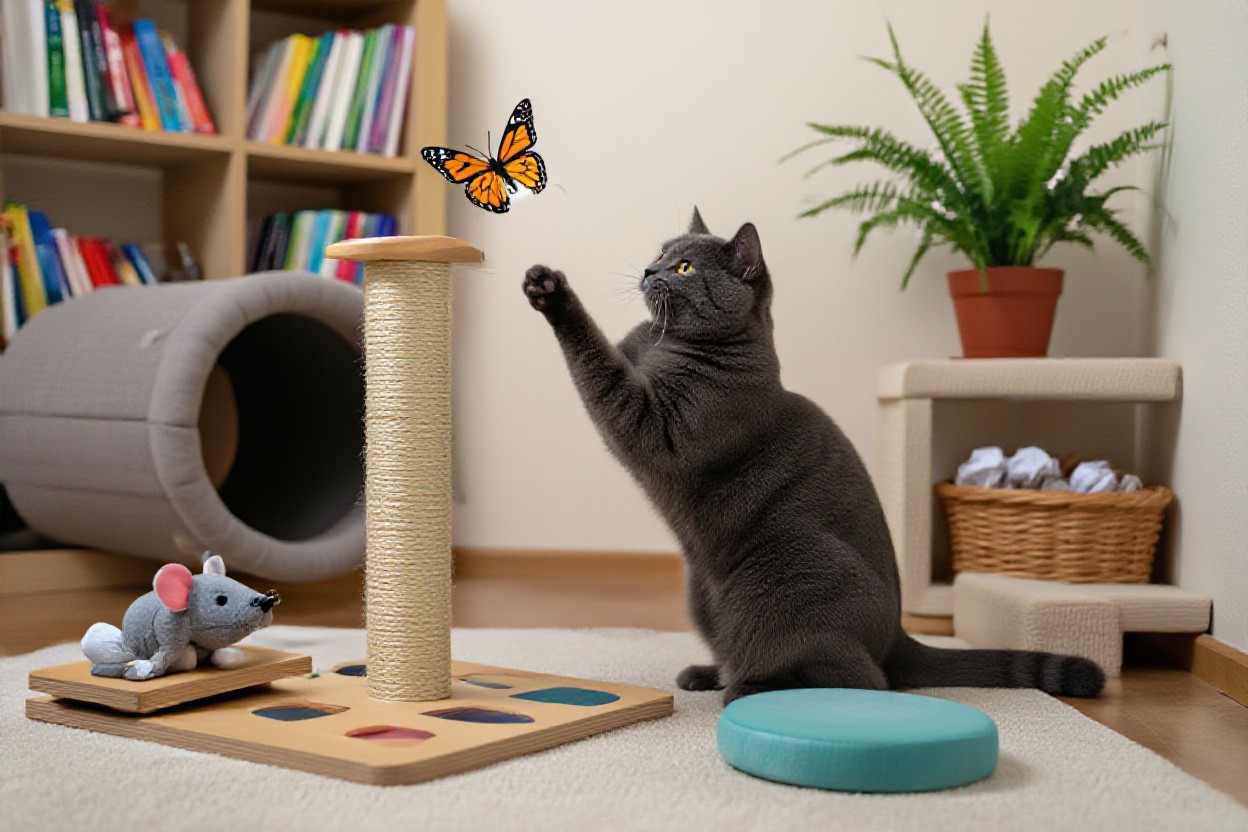
My Favorite Resources for Cat Activities
When your tiny living room has to double as a cat gym, the right resources save you so much trial and error. You can lean on books, websites, and YouTube channels that are packed with tested indoor cat games, enrichment ideas, and DIY projects that actually work in small spaces. I’m talking super practical stuff: puzzle ideas using toilet paper rolls, 10-minute play routines, and smart ways to rotate toys so your cat doesn’t get bored after day two.
Books That Inspire Playful Cats
Some books really get what it’s like to keep an indoor cat busy in a small apartment, and those are the ones worth your shelf space. You’ll find step-by-step photos, enrichment checklists, and simple game ideas you can set up in under 5 minutes. I especially love books that include behavior explanations, so you actually understand why your cat goes wild for one activity and ignores another.
Websites for Cat Lovers – Where to Connect
Good cat sites feel like a massive group chat of people who also live with zoomies at 2 a.m. You’ll find activity guides, Q&A forums, and real-world solutions for bored indoor cats in tiny homes. The best part is seeing what actually worked for other people: hallway obstacle courses, DIY puzzle bowls, balcony-safe “catio” ideas, and nighttime play schedules that burn energy without waking the whole building.
When you dig into these websites, you start collecting go-to ideas for different moods and energy levels. On a busy day, you might grab a 5-minute “hunt the treats” game; on weekends, you try one of those multi-step cardboard maze builds that look extra on paper but your cat uses every single day. Comment sections and forums are gold too, because you can post your space setup, ask, “What would you add here?” and steal ideas from cat parents in studio apartments just like yours.
YouTube Channels – Visual Inspiration for Pet Parents
Some days you just need to see the setup to copy it, and that’s where YouTube shines for cat activities. You get walk-throughs of small-apartment play zones, wall shelves, and DIY puzzles that look way more complicated in photos than they are in real life. Plus, watching someone’s cat actually use the thing gives you a realistic sense of whether your own little couch potato will go for it.
When you follow a few solid channels, you basically get a rotating feed of new ideas without having to brainstorm anything yourself. You’ll see creators turning IKEA shelves into vertical playgrounds, testing “10 cat games for indoor cats” in one afternoon, or timing how long a DIY foraging toy keeps their cat busy (sometimes a full 20 minutes of solid, focused play). And if you replay a clip to copy the layout toy by toy, yep, that’s exactly how most of us use those videos in real life.
To wrap up
With this in mind, indoor life doesn’t have to be second-best for your cat – it can actually be their playground if you set it up right. You’ve now got a whole toolkit of simple, low-cost indoor activities to mix and match so your cat stays active, sharp, and way less bored.
So try a few ideas, see what your cat actually goes nuts for, then double down on those. When you keep your cat’s body busy and their brain buzzing, you’re not just burning energy, you’re building a happier, more relaxed buddy for the long haul.