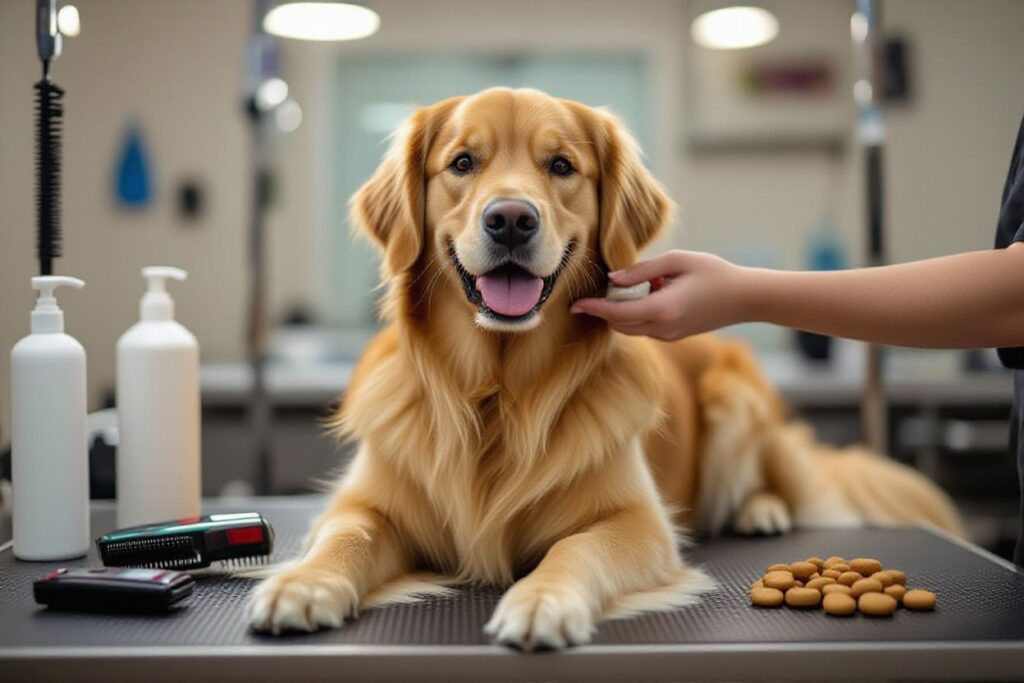
Grooming can be stressful for anxious or uncooperative dogs, but you can make sessions calmer and safer by applying practical tricks to help your dog during grooming like positive reinforcement, desensitization and short pre-groom exercise. Use gentle handling of sensitive areas, effective distraction methods and a clear reward system to build trust, and watch for stress signs so you can pause before situations escalate.
Key Takeaways:
- Start with gradual desensitization and short, frequent practice sessions to build trust and gently accustom your dog to tools, touch, and handling of sensitive areas.
- Use positive reinforcement—high-value treats, praise, and distraction methods—combined with pre-groom exercise to lower anxiety; these tricks to help your dog during grooming make sessions smoother and faster.
- Watch for stress signals and respond with calming techniques (breaks, soothing touch, pheromone products) while training safe positioning on a grooming table to keep grooming safe and low-stress.
Understanding Grooming Resistance
Common Reasons Dogs Resist Grooming
Noise from clippers, the unfamiliar restraint of a grooming table, and painful mats or skin conditions are frequent causes; up to 40% of dogs show some grooming-related anxiety in shelter or clinic settings. You’ll also see resistance from dogs with past negative handling, undiagnosed pain (arthritis, ear infections), or sensory sensitivities. In practice, a dog that snaps at scissors often has a hidden mat or sore spot, while one that freezes may be overwhelmed rather than defiant.
Importance of Addressing Grooming Aversion
Left unchecked, aversion escalates: avoidance becomes aggression, and simple trims turn into forceful, stressful sessions. You protect both your dog and handlers by intervening early; regular, gentle grooming prevents skin infections, mat-related pain, and bite incidents, and reduces long-term veterinary and behavior costs.
For example, a lightly matted coat left for months can hide hot spots and parasites, leading to vet visits that cost hundreds. When you desensitize and use positive reinforcement over several short sessions, you often reduce the need for sedation or multiple groomer visits, making grooming safer and less expensive over time.
Behavioral Signals of Stress in Dogs
Look for micro-signals like yawning, lip licking, whale eye, tucked tail, pacing, and prolonged panting—these precede escalation. More overt signs include trembling, freezing, growling, or snapping; growling and snapping are red flags indicating you must stop and change approach. Early detection helps you apply calming tricks to prevent escalation.
Signals escalate predictably: subtle avoidance (turning head) → displacement behaviors (yawning, lip licking) → active avoidance (moving away) → defensive actions (growl, snap). When you see early cues, pause the session, reduce pressure, offer high-value treats, or break into shorter, reward-rich steps. If aggression appears, retreat to safety and consult a trainer or veterinarian before continuing grooming.
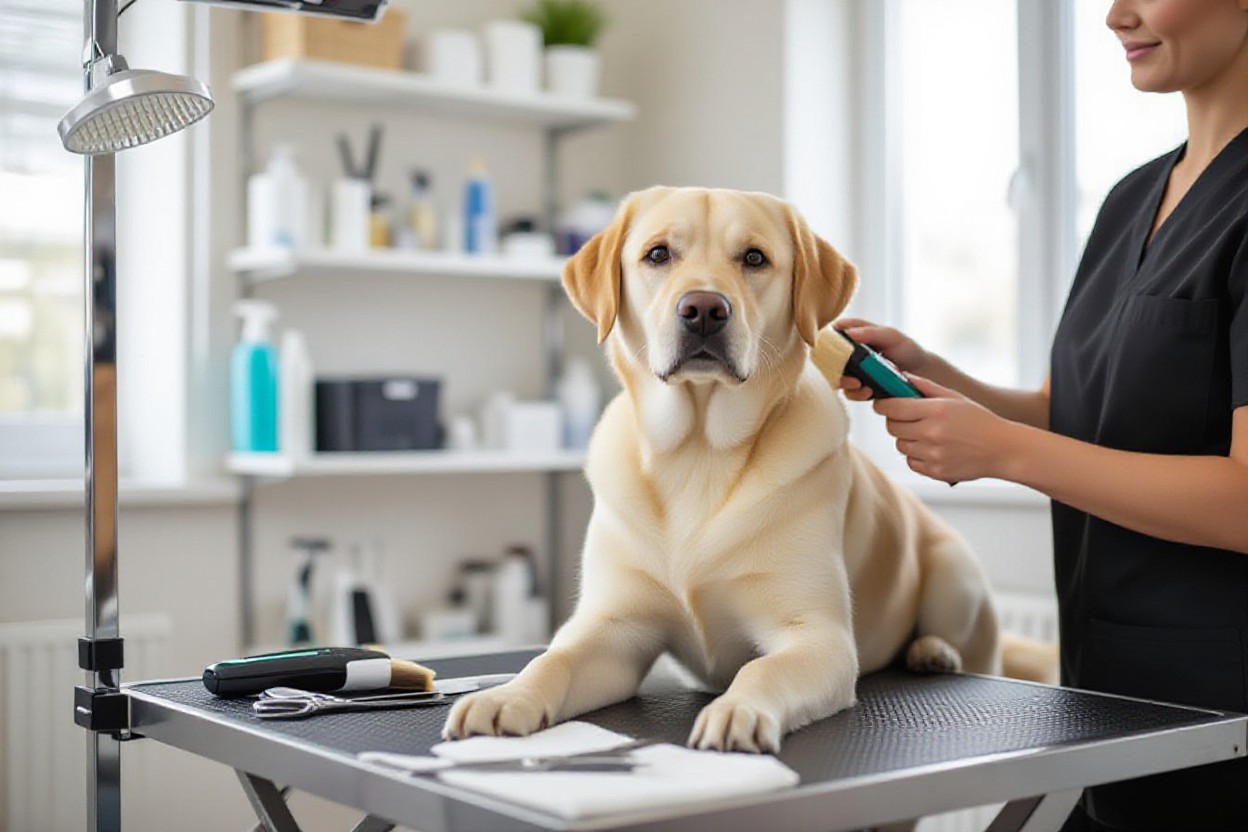
Trick 1: Pre-Grooming Exercise for Calm Energy
Benefits of Exercise Before Grooming
Short bursts of activity lower arousal so your dog is easier to handle; 15–30 minutes of moderate exercise can reduce hyperactivity and drop cortisol levels, making grooming faster and safer. You’ll see fewer escapes, less mouthing, and a calmer dog that accepts touches around sensitive areas. Watch for panting or slowing as signs to stop, and give a 5–10 minute cool-down before grooming to let your dog settle.
Types of Pre-Grooming Activities
Choose activities that match fitness and age: brisk walks for 15–30 minutes, 10–15 minutes of fetch for high-energy dogs, scent games for mental tiredness, 5–10 minute training rounds for focus, and treadmill or supervised play for rainy days. For puppies and seniors, reduce intensity to 5–10 minutes and prioritize low-impact options to avoid injury.
- tricks to help your dog during grooming — include a short training session as exercise and focus work.
- pre-grooming exercise — use 10–20 minutes of play to lower stress and increase compliance.
- calming techniques — pair exercise with deep petting and soft praise during cool-down.
- desensitization training — incorporate brief handling drills into the warm-up.
- Assume that short, targeted activity before grooming will improve behavior and reduce session length.
| Brisk Walk | 15–30 min; reduces general arousal and is low risk for most dogs |
| Fetch | 10–15 min; excellent for high-energy dogs—stop before exhaustion |
| Scent Games | 5–15 min; mentally tiring, ideal for anxious dogs who won’t run |
| Training Drills | 5–10 min; reinforces focus and positive reinforcement before handling |
| Controlled Play | 10–20 min; supervised social or indoor play for rainy days |
Adapt activities to health: if your dog has joint issues, favor scent work or short obedience games over high-impact play; for young working breeds, combine 10 minutes of physical play with 5–10 minutes of mental puzzles. Use a smartwatch or phone timer to stick to recommended durations, and always let your dog cool down with water and calm praise before touching the face or paws.
- handling sensitive areas — practice brief, gentle touches during the warm-up so grooming feels familiar.
- reward systems — feed small treats during cool-down to pair calm with positive outcomes.
- grooming table training — include a short lift/stand practice as part of exercise for table-ready dogs.
- recognizing stress signs — watch yawning, lip-licking, and slowing pace to avoid overworking your dog.
- Assume that consistent pre-grooming routines will reduce fear and build cooperative behavior over weeks.
| Activity | How to run it (duration and notes) |
| Brisk Walk | 20 min; steady pace, avoid hot surfaces, stop if panting excessively |
| Fetch | 10 min bursts; limit to 2–3 rounds, use soft toys for safety |
| Scent Work | 5–15 min; hide treats around the room, great for anxious dogs |
| Short Training | 5–10 min; 5 reps of sit/stay/stand for grooming focus |
| Calm Cool-down | 5–10 min; petting, deep breathing, and water to normalize heart rate |
Integrating Exercise into Your Routine
Slot exercise 20–30 minutes before grooming on grooming days, and keep shorter sessions (10–15 minutes) on bath-only days; consistency matters, so aim for 3–5 pre-grooming sessions per week to build reliable behavior. Use timers and notes in your calendar so you don’t skip the warm-up that sets up a calm grooming session.
Plan a weekly cadence: three full 20–30 minute outings and two short 10–15 minute mental or play sessions for maintenance. Combine physical and cognitive work—e.g., a 15-minute walk, then five minutes of scent puzzles—so your dog expends both energy types. Monitor recovery: if heart rate or respiration stays elevated after 10 minutes, allow extra cool-down and skip intense grooming that day; this protects joints and prevents stress-related incidents.
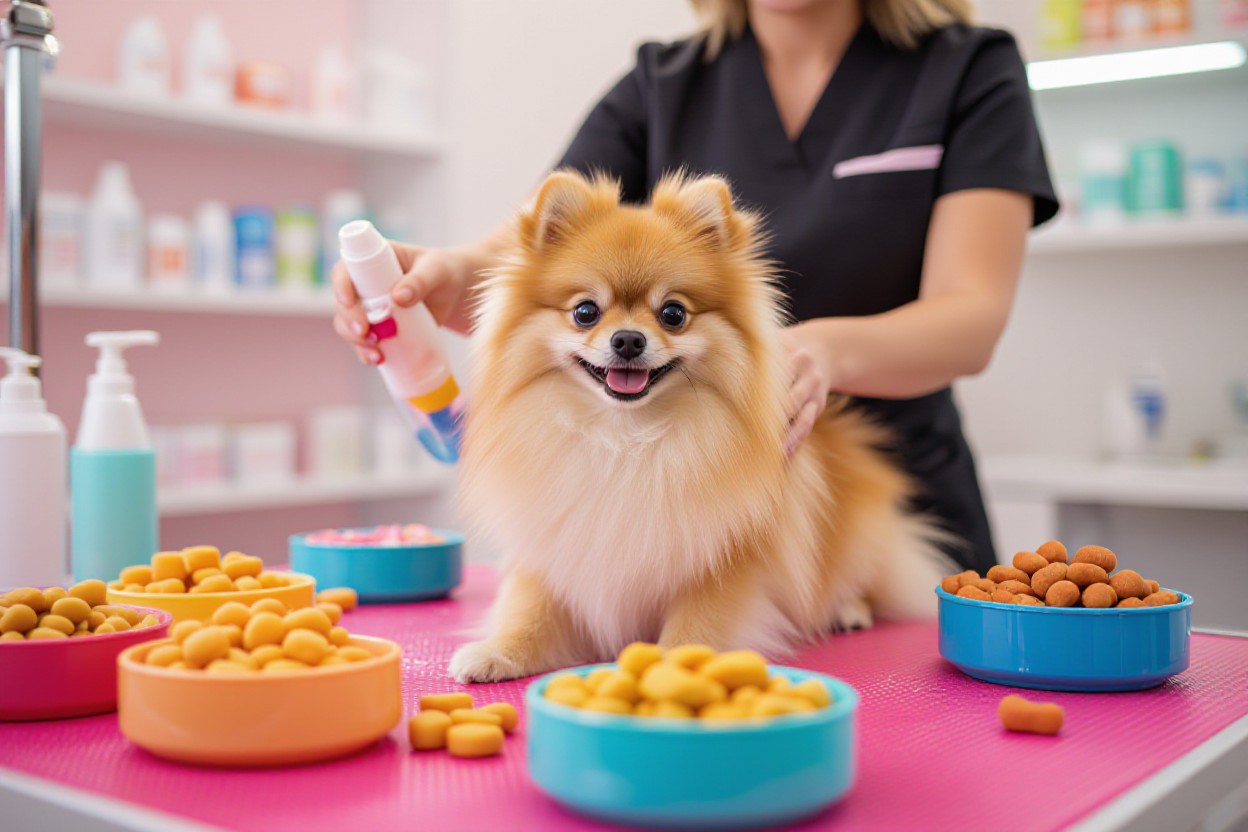
Trick 2: Positive Reinforcement with High-Value Treats
Choosing the Right Treats
Use truly high-value options like freeze-dried liver, cooked chicken, or soft cheese cut into pea-sized pieces so you can reward often without overfeeding; for small dogs aim for pieces <5 kcal each and keep treats to 10% of daily calories. Check for allergies, avoid bones or hard chews that can fracture teeth, and swap to low-fat choices if your dog has pancreatitis or other dietary limits.
Timing and Techniques for Reinforcement
Deliver the treat within 1 second of the calm behavior or desired tolerance—immediacy matters more than volume—use a marker word or clicker to link action to reward, and start by rewarding every few seconds during exposure, then move to a variable schedule as your dog stays relaxed longer.
Shape tolerance by rewarding successive approximations: when introducing clippers, give a treat for looking at them, then for sniffing, then for remaining still while they’re on, then for short contact. Run 3–5 short sessions daily of 2–5 minutes early on; if you use a clicker, click first then deliver a tiny treat within one second. Watch for signs of food guarding or escalation—if your dog lunges or stiffens, pause and back up to the previous step. For medical concerns like pancreatitis or obesity, consult your vet and use low-calorie alternatives such as steamed zucchini or commercial mini-rewards.
Gradually Increasing Grooming Duration
Begin with very short interactions—30–60 seconds of handling or tool exposure—and increase by about 10–30 seconds each successful session, aiming to build to full grooming in staged blocks rather than one long stretch; frequent, consistent sessions (daily or every other day) speed progress.
Use a simple schedule: days 1–3 keep sessions at 30–60 seconds, days 4–7 move to 2–3 minutes, and in week 2 target 5–7 minute blocks, eventually combining blocks to reach a 10–15 minute full groom. Track stress signals and if you see yawning, lip-licking, or freezing increase, cut the duration by half and rebuild slowly. Log each session’s duration and stress level so you can spot patterns and avoid pushing too fast, because setbacks often come from increasing time too quickly.
Trick 3: Gradual Desensitization Training
Steps for Successful Desensitization
Break grooming into tiny, repeatable steps: begin with 5–10 second exposures, work up to 1–2 minute sessions, and do short practices 2–3 times daily. Pair each step with high-value treats and a calm voice, and only advance when your dog shows relaxed body language for at least three consecutive reps. Use a clicker or a consistent marker word, keep sessions under 5 minutes, and log progress so you can spot setbacks quickly.
Identifying Triggers in Grooming
List specific triggers like clipper noise, paw handling, restraint on a table, or wet bathing; watch for signs such as lip licking, yawning, whale eye, freezing, or growling. Note context and intensity—whether the reaction starts at 2 meters or only when touched—and mark dangerous cues like lunging or snapping so you can adjust training safely.
For example, a spaniel that flinched at clippers improved when you recorded the sound at 20% volume and played it during calm times while feeding treats. Increase volume by 10–15% every 3–4 sessions only if your dog stays calm; typical progress takes 1–3 weeks per trigger. Track frequency and duration of stress signs so you can modify pace and avoid forcing reactions that escalate to aggression.
Gradually Introducing Grooming Tools
Start by leaving brushes, clippers, and nail files in your dog’s environment for scent familiarization, then let your dog sniff and investigate on their terms. Next, simulate use without contact—run clippers in another room, then at distance, rewarding calm behavior at each step. Emphasize positive associations and stop if your dog shows escalating stress.
Practical steps: place the brush near meals for 3 days, touch the brush to the coat for 2–3 seconds paired with treats, then slowly increase contact to 30–60 seconds. With clippers, run them off, then on at low volume 5–10 seconds while treating, extending duration over 2–4 weeks. If you see growling, snapping, or intense freezing, pause and regress one step to rebuild calm responses.
Trick 4: Distraction Techniques (Peanut Butter, Lick Mats)
Using Peanut Butter: Tips and Precautions
Use a small smear of natural peanut butter (no xylitol) on a grooming tool, lick mat, or Kong to occupy your dog for 3–10 minutes while you work on ears or paws. Keep portions small—about 1 tsp for tiny dogs, 1–2 tbsp for medium/large—and choose smooth varieties to prevent choking. Monitor for allergic reactions and high-fat intake that can trigger pancreatitis in susceptible dogs. Thou stop immediately if your dog shows vomiting, diarrhea, or agitation.
- tricks to help your dog during grooming: apply to a Kong or mat to focus attention for short sessions.
- Safety: avoid any peanut butter containing xylitol and check ingredient lists.
- Portion control: small dogs 1 tsp, medium 1 tbsp, large 1–2 tbsp; adjust by activity.
Benefits of Lick Mats
Lick mats extend distraction time by encouraging repetitive licking, which releases calming endorphins and can reduce pacing and panting for 5–20 minutes depending on fill and freezing. You can spread soft foods thinly across textured surfaces so the dog stays engaged while you trim or clean; a frozen layer lasts longer and slows ingestion. Positive grooming outcomes often follow short, consistent use before and during handling.
Choose mats with deep grooves and non-slip backing; a thin spread of yogurt, pumpkin, or dog-safe peanut butter frozen for 30–60 minutes can provide 10–30 minutes of focus. In real-world grooming salons, groomers report calmer entry behavior after 2–3 sessions of pre-groom licking, and using a mat during nail trims often reduces sudden jerks. Clean mats after each use to prevent bacterial build-up and inspect for wear to avoid small pieces breaking off.
Other Distraction Options
Rotate alternatives like Kongs stuffed with kibble and wet food, durable chews that last 10–30 minutes, snuffle mats for foraging, or puzzle feeders to challenge your dog mentally while you handle sensitive areas. Combine tactile distractions with low-volume classical music or pheromone diffusers to compound calming effects; avoid toys that can splinter or pose choking hazards. Positive reinforcement after successful handling speeds learning.
For Kongs, use sizes that match your dog’s mouth—small for small breeds, large for big breeds—and consider hollowing a Kong and freezing it to double distraction time. Puzzle feeders come in levels; start with easy puzzles (level 1–2) and progress as the dog succeeds to maintain engagement. If a dog is highly food-driven, rotate food puzzles and non-food distractions across sessions to prevent reliance and preserve effectiveness.
Trick 5: Short Sessions to Build Tolerance
Importance of Session Length
You should keep early grooming touches very brief—start with 30–90 seconds of calm handling or one short tool introduction, especially for anxious dogs. Short sessions reduce cortisol spikes, let you pair handling with treats, and prevent escalation into fear-biting. Track the length and your dog’s response each time so you can use data-driven steps from the list of tricks to help your dog during grooming.
Structuring Short Grooming Sessions
Begin with 1–3 minutes of gentle petting or collar/lead handling, followed by a 20–30 second introduction of a tool (brush, nail file) and immediate high-value reward; repeat 2–4 times per day. Use no force, end every session while your dog is calm, and keep sessions predictable—this builds trust faster than long, sporadic attempts.
For a practical schedule, run three daily micro-sessions: morning calm handling (60s), midday tool introduction with a lick mat (90s), evening focused on a sensitive area like paws (60–120s). Increase total time by 30–60 seconds every 3–4 days if your dog shows relaxed body language. Work one sensitive area per session so you avoid overwhelming your dog, and swap treats for praise as tolerance rises.
Tracking Progress Over Time
Log session date, duration, what you did, and a simple reaction score (1 = calm, 5 = stressed/aggressive). After 2 weeks you should see longer calm periods or lower scores; if not, adjust rewards, reduce stimuli, or slow progression. Consistent logging helps you spot patterns and informs when to apply other tricks from the article.
Use a one-line daily note or a simple spreadsheet: time, activity, reaction score, and a quick note (e.g., “paw tolerated 90s, wagging”). Aim for steady gains—adding 2–5 minutes total grooming time over 2–3 weeks. If you observe escalating stress, lunging, or repeated freeze responses after 4–6 weeks of consistent short sessions, seek help from a professional trainer or veterinary behaviorist.
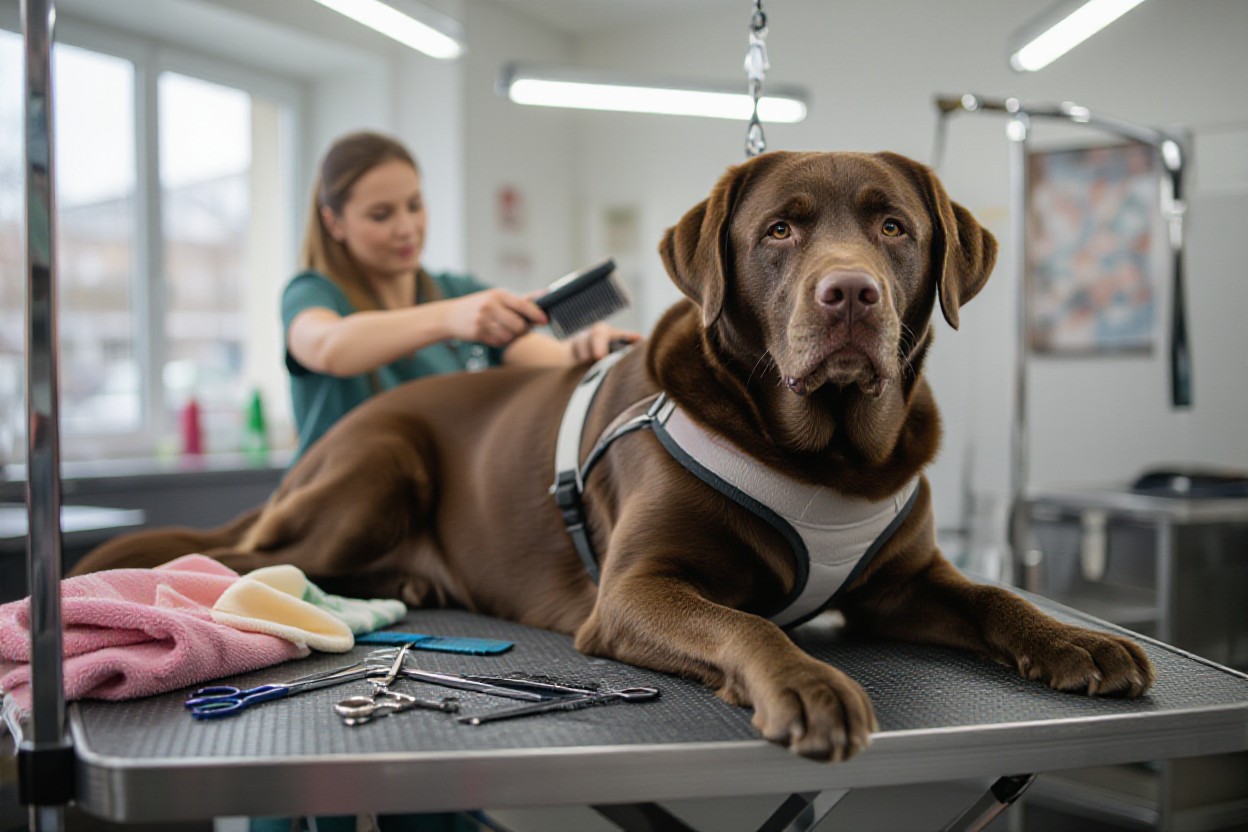
Trick 6: Proper Restraint Without Force
Understanding Restraint Techniques
You should use restraint that limits sudden movement while keeping your dog calm: a grooming loop at chest level, a towel wrap for small breeds, or a steady hand on the shoulder and hips. Aim for short sessions of 5–10 minutes while reinforcing with treats every 30–60 seconds. Avoid tight holds around the throat and never force the head back; improper pressure can cause injury and escalate fear. These are practical, tested tricks to help your dog during grooming when resistance is the issue.
Tools for Gentle Restraint
Choose a padded grooming loop, a slip lead for clinic-style control, a soft muzzle (basket type) only when necessary, and towels or a Thundershirt for calming pressure. Use padded, non-slip gear and inspect straps for wear; damaged equipment increases risk. Keep a release card or quick-release clip accessible so you can free your dog instantly if they panic.
For correct use: place the grooming loop at the chest—not the throat—and leave about 2–3 inches of slack so your dog can shift weight but not bolt. Fit a slip lead so you can still slide two fingers between collar and neck; that gap prevents choking. When using a towel wrap, roll the towel snugly around the ribcage (not the neck) for brief periods to simulate comforting pressure; remove immediately if your dog struggles more.
Signs of Comfort in Restraint
Watch for soft eyes, a relaxed mouth, normal breathing (roughly 10–30 breaths/min at rest), loose body posture, and voluntary leaning into you—these indicate acceptance of restraint. Treats taken calmly and brief focus on the handler are positive cues. If you see stiffening, whale eye, tucked tail, or frantic struggling, stop and reset.
In practice, score comfort on simple metrics: breathing steady, ears neutral, and voluntary engagement equals a green light to continue; persistent panting, lip licking with tightened jaw, or frantic pawing is amber—pause and try desensitization steps for 2–3 sessions of 5–7 minutes before attempting restraint again. Prioritize gradual progress: incremental tolerance builds reliable, stress-free grooming behavior.
Trick 7: Counter-Conditioning Scary Tools
Identifying Scary Tools for Your Dog
Start by listing what triggers your dog: electric clippers, high-velocity dryers, metal combs, sprays, and the grooming table itself. Many clippers and dryers register around 60–90 dB, which explains sudden flinches or hiding. Observe whether your dog warns with lip-licking, trembling, or avoidance, and mark the items that consistently cause those signs so you can target them first in your counter-conditioning plan.
Counter-Conditioning Techniques
Pair each tool with high-value rewards at increasing proximity: show the tool from 3–5 meters while feeding treats, then move closer over days. Keep sessions short (3–5 minutes), offer 10–20 tiny treats, and repeat 2–3 times daily. Use a calm voice and stop before your dog shows stress so you build trust and gradual tolerance for the specific tool.
For example with clippers: start by showing them unplugged and giving treats for calm attention, then plug them in in another room and reward for looking relaxed, next bring the sound nearer for 10–30 seconds while continuously feeding, and finally let the clipper touch fur briefly while rewarding heavily. Many owners report noticeable progress in 2–3 weeks with consistent daily sessions; adjust speed based on your dog’s thresholds and always prioritize short, positive wins over pushing through fear.
Building Positive Associations
Use known rewards and routines to reframe grooming: give a brisk walk before sessions, offer high-value treats or favorite toys during handling, and turn the grooming area into a predictable, reward-rich zone. You’ll transform the experience by making grooming the prelude to play or snacks instead of a scary event.
Implement specific steps: put a mat on the table and feed 5–10 treats while your dog stands, click or mark calm behavior, then gradually increase handling time of paws, ears, and coat by 5–10 seconds per repetition. Combine play and food—end every mini-session with a 2-minute game—to cement the idea that grooming tools predict good things; track progress with quick notes so you can see which tricks to help your dog during grooming are working best.
Trick 8: Calming Music and Environment
Selecting Calming Music for Dogs
Choose tracks with a steady, slow tempo (about 60–80 BPM) and simple arrangements—classical, soft instrumental, or purpose-made dog playlists work well. Keep volume low (around 50–60 dB) and avoid high-pitched instruments or sudden crescendos that can startle your dog. If your dog responds to a particular song during walks or crate time, use that to build calm associations during grooming.
Creating a Comfortable Grooming Environment
Set up a quiet, clutter-free space with a non-slip surface, stable table at a comfortable height, and a soft towel for traction; reduce echo with rugs or curtains. Turn off noisy appliances, use soft, indirect lighting, and have treats and favorite toys within reach so you can reinforce calm behavior. Keep sensitive areas supported and gentle handling consistent to lower resistance.
Use an Adaptil diffuser or pheromone spray in the room 30 minutes before you start, and keep the temperature between 20–24°C to avoid shivering or overheating. Bring a familiar blanket that smells like home, and plan short sessions—2–5 minutes of focused grooming followed by a break—to prevent escalation. If clippers bother your dog, start with clippers off, let them sniff, then run briefly at a distance before approaching again.
Importance of Ambient Factors in Grooming
Ambient factors like sound, light, scent, and room temperature directly affect your dog’s stress levels and willingness to cooperate; even small changes can shift behavior within minutes. You should monitor how each element alters your dog’s body language and adjust—lowering volume, dimming lights, or changing the surface often reduces tension quickly.
- sound: play calming music at 50–60 dB and avoid sudden noises
- lighting: use soft, indirect light to prevent startle responses
- scent: use familiar bedding or a pheromone diffuser to signal safety
- The tricks to help your dog during grooming you use are amplified when ambient factors are tuned to your dog’s needs
Watch for yawning, lip-licking, pinned ears, or freezing as early stress signs; pause grooming at the first clear cue and offer a 3–5 minute calm-down period with pets or treats. You can structure sessions with a quick 5–10 minute walk before grooming to expend excess energy, and then keep grooming bouts under 10–15 minutes until your dog builds tolerance—this process often reduces resistance across sessions.
- temperature: keep room comfortable (about 20–24°C) to prevent discomfort
- routine: consistent pre-groom cues and order lower anxiety over weeks
- equipment: non-slip mats and quiet clippers minimize reactive behavior
- The tricks to help your dog during grooming become more effective when you control ambient factors
Trick 9: Taking Breaks When Stressed
Recognizing Stress Signals
Watch for subtle cues: lip licking, yawning, whale eye, a tucked tail, trembling, or avoiding your hands often signal rising anxiety, while snarling, growling or snapping are immediate stop signs you must heed. If you see 3 or more mild signs within 30–60 seconds, pause grooming and give space so your dog can reset.
Effective Break Techniques
When stress appears, step back and remove restraint for a short break: offer 3–5 minutes of freedom to sniff, drink, or chew a low-calorie lick mat. Use quiet praise and avoid forced handling; never push through snarling or snapping. Gradually lengthen handling periods by 10–30 seconds across sessions to build tolerance.
Structure breaks like mini training cycles: begin with 30–60 seconds of handled grooming, then a 2–5 minute unstructured break; across 2–3 weeks increase handling time by 10–15 seconds while keeping breaks predictable. During breaks, provide calming aids—a pheromone collar, soft classical music at ~60–65 dB, or a frozen peanut-butter lick mat—to pair relaxation with the pause. Use a visible timer so you don’t unintentionally rush, and log each session’s stress level (scale 1–5) to track progress.
Reinforcing Calm Behavior After Breaks
As you resume, mark calm moments immediately with a clicker or a single, high-value treat delivered within one second, then continue gentle handling. Aim for short wins—if your dog stays calm for 20–30 seconds after a break, reward and release; repeat 4–6 times per session to build association between calmness and positive outcomes.
Use a reward progression: start with high-value treats (small pieces of cooked chicken) on a continuous schedule, then shift to intermittent rewards (every 2–3 calm occurrences) over 7–14 days. Combine a release cue like “all done” to signal safety, and slowly fade food to petting or a favorite toy while maintaining praise. Track success by noting decreases in stress signs per session and increasing calm durations by 10–20% weekly. These targeted tricks to help your dog during grooming turn breaks into predictable, reinforcing tools rather than escapes.
Trick 10: Professional Training When Needed
When to Seek Professional Help
If your dog shows persistent fear, escalating aggression, or refuses handling despite at-home desensitization, consult a pro; signs like prolonged panting, hiding, or growling during touch suggest you need outside support. Expect initial consultations to last 45–60 minutes and to include a behavioral history, live observation, and a tailored plan that complements your at-home tricks to help your dog during grooming.
Types of Professional Services
You can choose from veterinary behaviorists, certified applied animal behaviorists, reward-based trainers, and groomers trained in low-stress handling; each offers different tools, from medical evaluation to stepwise desensitization and hands-on handling lessons that reinforce your tricks to help your dog during grooming.
- Veterinary behaviorist: medical assessment plus behavior modification, useful when pain or neurochemistry may be involved.
- Certified applied animal behaviorist (CAAB): advanced behavior analysis and multi-step plans focused on long-term change.
- Reward-based certified trainer: practical, session-based teaching of grooming cues and reinforcement techniques for owners and dogs.
- Recognizing that combining services—medical, behaviorist, and trainer—often gives the best outcome for complex cases involving your tricks to help your dog during grooming.
| Provider | Typical focus / benefit |
| Veterinary behaviorist | Diagnose medical drivers; prescribe meds + create behavior plan |
| CAAB / behaviorist | Detailed functional analysis; systematic desensitization programs |
| Certified trainer (CPDT) | Hands-on grooming cue training; home practice plans (45–60 min) |
| Fear-free groomer | Low-stress handling, short sessions, and adaptive equipment |
Veterinary behaviorists hold a DVM plus residency and often integrate medication when behavior therapy alone stalls; trainers with CPDT-KA certification typically run 4–8 weekly sessions of 45–60 minutes to teach desensitization and positive reinforcement, while fear-free groomers adapt environment and timing to reduce arousal—combining approaches speeds progress and reduces training time.
- Session length: most behavior/training sessions run 45–60 minutes and include homework for you.
- Number of sessions: many plans take 4–8 sessions before you see consistent improvement.
- Techniques: expect desensitization, counterconditioning, shaping, and low-stress handling methods.
- Recognizing that tracking progress with videos and logs helps professionals adjust your tricks to help your dog during grooming more precisely.
| Service | What to expect |
| Initial consult | 45–60 min history + assessment; owner interview and demo |
| Behavior plan | Stepwise goals, daily exercises, and threshold management |
| Hands-on training | Modeling handling, shaping calm behaviors, and supervised practice |
| Follow-up | Progress checks every 2–4 weeks; plan adjustments as needed |
Collaborating with Professionals for Best Results
You should share video of grooming sessions, keep a short daily log, and practice assigned exercises between appointments so pros can fine-tune methods; clear communication about triggers, medication history, and past responses speeds improvement and supports your tricks to help your dog during grooming work at home.
Attend at least the first session in person to learn handling demos, ask for written step-by-step exercises (e.g., 5–10 minute daily desensitization scripts), and set measurable goals such as “short nail trim within 6 weeks.” Track frequency and intensity of stress signs and send weekly clips; professionals commonly adjust thresholds and rewards based on those data, which reduces setbacks and builds reliable grooming tolerance.
Frequently Asked Questions
How Do I Know If My Dog is Stressed?
Watch for subtle body language: panting or yawning out of context, repeated lip-licking, whale eye (showing the whites), ears back, tail tucked, trembling, freezing, avoidance, or sudden growling. You should treat freezing, snapping, or lunging as danger signs and stop the session immediately. Small cues often escalate, so noting patterns—like stress peaking during nail trims—lets you plan shorter, reward-heavy steps.
What Should I Do if My Dog Bites During Grooming?
Immediately stop the procedure, put distance between you and your dog, and remove sharp tools; stay calm and avoid punishment. If your dog is injured or bleeding, secure them safely and seek veterinary care. For handling, use barriers like a towel or have a second person help, and consider a properly fitted basket muzzle only if your dog is already accustomed to it. Then seek professional help from a trainer or groomer experienced with reactive dogs.
After the incident, check for pain or injury—dental or skin issues often trigger biting—and schedule a vet exam to rule out medical causes. Next, rebuild trust with short, desensitization sessions: begin with 30–60 second touches paired with high-value treats, gradually increase handling time, and add positive reinforcement. When progress stalls, use a certified behaviorist or an experienced groomer to design a stepwise plan rather than returning to full grooming too soon.
Are There Specific Tools Recommended for Nervous Dogs?
Choose gentle, low-stress gear: a soft-bristle brush or rubber curry mitt, a short-handled slicker for sensitive areas, quiet clippers with low vibration, a non-slip mat, and a secure grooming arm or harness to reduce slipping and strain. Calming aids like a Thundershirt or pheromone diffuser can help, and a properly fitted basket muzzle offers safety when introduced slowly and positively.
Introduce any new tool in tiny steps: let your dog sniff and earn treats before use, and keep early sessions under a minute. Prefer clippers with brushless motors and sound-dampening housings to lower noise; pair a Dremel or grinder on low speed for nails if your dog tolerates it. These practical choices enhance the other tricks to help your dog during grooming and speed up successful, stress-reduced sessions.
Final Words
From above, these tricks to help your dog during grooming give you practical steps to reduce anxiety and build trust: use desensitization and positive reinforcement, short pre-grooming exercise, gentle handling of sensitive areas, calming cues, distraction and reward systems, and gradual grooming table training. Apply them consistently and observe stress signals so you can adjust and create calmer, more cooperative sessions for your dog.
FAQ
Q: What are the top 10 practical tricks to help your dog during grooming sessions?
A: For anxious or uncooperative dogs, a reliable set of techniques can turn grooming from a struggle into a manageable routine. Below are 10 actionable tricks to help your dog during grooming sessions, with how-to steps and safety notes so you can apply them at home or in a salon setting.
1) Break sessions into short, positive bursts — Begin with 1–3 minute interactions focused on one grooming action (e.g., petting while holding a brush). Gradually increase time as the dog stays calm. Short sessions reduce overwhelm and build tolerance.
2) Desensitization training — Introduce grooming tools slowly. Let the dog sniff clippers, brushes, and towels. Use a sequence: present tool, reward, touch tool to fur briefly, reward, turn tool on at a distance, reward. Repeat daily until the dog shows relaxed body language.
3) Positive reinforcement — Pair every step with high-value rewards (tiny food treats, favorite toy, or praise). Mark calm behavior immediately so the dog links relaxation with rewards. Use a marker word or clicker to create a clear cue that good things follow.
4) Calming techniques — Use slow, low voice, gentle stroking, and deep pressure (if your dog finds it soothing) during grooming. Try a calming wrap or anxiety vest for short periods to reduce arousal. Incorporate calming scents like lavender in the room but avoid direct contact with the dog’s skin.
5) Pre-grooming exercise — Schedule a brisk walk or short play session 15–30 minutes before grooming to burn off excess energy. A slightly tired dog is often more focused and less reactive.
6) Distraction methods — Offer lick mats smeared with canned pumpkin or peanut butter (xylitol-free) or a durable chew while brushing. Keep the dog engaged with a slow-feeding toy so attention is divided and grooming becomes less intimidating.
7) Grooming table training — If using a table, train the dog to accept the surface gradually. Encourage the dog to jump up for treats, reward for standing still, and practice short stays with increasing duration. Use a non-slip mat and, if necessary, a quick-release grooming loop for safety. Never leave an unsupervised dog tethered.
8) Handling sensitive areas — Gradually accustom the dog to touch on paws, ears, tail, belly and muzzle. Start by briefly touching each area and rewarding. Combine touch with desensitization of the tool used for that area (e.g., the nail grinder for nails). For nail care, use first to touch, then file gently while rewarding, then progress to clipping.
9) Reward systems beyond treats — Incorporate a reinforcement hierarchy: high-value treats for new or scary steps, lower-value treats for maintenance steps, toys or brief play sessions as alternative rewards. Track which rewards the dog prefers and rotate to keep motivation high.
10) Building trust and recognizing stress signs — Be patient and watch for subtle stress cues (yawning, lip licking, whale eye, freezing, shifting weight). Pause or step back when you see escalating signs and offer a small, calming reward. Use a calm routine so the dog anticipates predictable steps. Trust grows with consistent, gentle handling and by avoiding forced restraint that increases fear.
Safety notes: clip nails in a well-lit area, use rounded scissors near the face, and stop if the dog shows escape attempts or aggressive snapping. If progress stalls or behavior intensifies, consult a professional trainer or veterinary behaviorist. These 10 tricks to help your dog during grooming form a toolbox you can customize to your dog’s needs.
Q: How can I create a step-by-step training plan using these tricks so grooming becomes stress-free over time?
A: A structured plan combines desensitization, positive reinforcement, and gradual exposure so grooming becomes predictable and less stressful. Below is a 6-week blueprint you can adapt to your dog’s pace.
Week 0 — Baseline and preparation: Assess your dog’s stress indicators and favorite rewards. Assemble tools: soft brush, grooming mitt, nail file or grinder, clippers (or desensitization cover), towels, non-slip mat, treats/toys. Set up a quiet, low-distraction grooming spot.
Weeks 1–2 — Familiarization and short bursts:
– Day-to-day: 2–4 short sessions (2–5 minutes) per day.
– Activities: Let the dog sniff each tool near the ground. Reward neutral or curious responses. Briefly touch the dog with the tool (no action) and reward. Practice gentle handling of paws, ears, and muzzle for 5–10 seconds followed by a treat and break.
– Goal: Reduce startle response to tools and handling; build positive associations.
Weeks 3–4 — Increase duration and introduce motion:
– Sessions: 2 sessions daily of 5–10 minutes.
– Activities: Start slow brushing in one small area; mark with treats for calmness. Turn on clippers at a distance for a few seconds, reward, then gradually bring closer over several days. Incorporate a 10–15 minute walk before the session to lower energy.
– Grooming table: If using a table, train up/down jumps with treats and practice 30–60 second stands, increasing time gradually.
– Goal: Tolerate motion and noise, maintain calm standing.
Weeks 5–6 — Combine steps and simulate full grooming:
– Sessions: 3 times per week, 10–20 minutes, plus maintenance short sessions.
– Activities: Combine brushing, light trimming of small areas, and nail filing if the dog is ready. Use distraction methods (lick mat, chew) while working on sensitive zones. If progress is steady, practice a full short grooming routine: calm greeting, 10–15 minutes of combined actions, reward and release to play.
– Goal: Complete a short full grooming session with minimal stress.
Ongoing maintenance:
– Keep sessions frequent but short. Continue pre-groom exercise and use your reward system.
– Vary rewards to maintain high motivation. Track progress in a simple notebook: what worked, what triggered stress, and which rewards succeeded.
– For setbacks: scale back to the previous successful level and proceed more slowly.
When to get help:
– If the dog consistently shows escalating fear signals, defensive biting, or panic despite gradual work, consult a certified force-free trainer or veterinary behaviorist. A professional can tailor counterconditioning methods, recommend medication short-term, or supervise desensitization safely. Integrating these tricks to help your dog during grooming into a weekly plan provides structure and measurable gains over time.
Q: What do I do when specific problems arise—fear of the grooming table, sensitive areas, or aggressive reactions—and how can I tell if professional help is needed?
A: Addressing specific problems requires targeted approaches and clear criteria for escalation. Below are strategies for common issues, plus signs that outside help is recommended.
Fear of the grooming table:
– Gradual introduction: Place the table in a familiar room. Feed meals or high-value treats on the table so the dog views it as a positive place. Train “up” and “down” as behaviors rewarded with treats and release.
– Stability and comfort: Use a non-slip mat, keep the surface low or use ramps to avoid jumps, and allow the dog to choose to step down between short stands.
– Incremental exposure: Start with 5–10 second stands, reward, and slowly increase. Pair table training with pre-groom exercise and calming cues.
Handling sensitive areas (paws, ears, face, tail):
– Break down each area into micro-steps: approach, touch, apply light pressure, tool contact, and tool action. Reward at each step.
– Use desensitization tools: give the dog a chew or lick mat while you briefly touch the area so attention is divided.
– Nail care alternatives: If clipping triggers panic, use a nail grinder gradually introduced or soak feet first to relax the dog. If bleeding occurs, apply styptic powder and consult a vet if severe.
Aggressive or defensive reactions:
– De-escalate immediately: Stop the session, give space, and resume only after the dog has calmed. Do not chase or force; forced restraint can escalate aggression.
– Work at an earlier, less challenging step: return to a point where the dog was calm and rebuild with shorter, heavily rewarded steps.
– Management tools: Use muzzles that the dog is trained to accept if needed for safety—never force a muzzle on a fearful dog during a grooming attempt. Practice muzzle acceptance long before a stressful session.
Distractions and environmental adjustments:
– Lower ambient noise, remove unfamiliar people, and give the dog control where possible (allow turning away or stepping down).
– Use pheromone diffusers, calming music, or soft background white noise to reduce arousal. Combine with pre-groom exercise and frequent breaks.
Indicators to seek professional help:
– Aggression that includes lunging, sustained snapping, or intended bites during routine handling.
– Persistent panic that does not improve after weeks of slow desensitization and positive reinforcement.
– Physical injury risk to the dog or handler during grooming despite mindful scaling and safety steps.
– Medical issues causing pain during grooming—sudden flinching, yelping, or sensitivity localized to a certain area may need veterinary assessment.
When consulting professionals:
– Look for force-free trainers certified by reputable organizations and veterinary behaviorists for complex cases. Provide a clear history of what you’ve tried and your dog’s stress signs.
– Behavioral plans may include specialized desensitization, counterconditioning protocols, or short-term medication to lower anxiety during training.
Combining these specific strategies with the earlier listed tricks to help your dog during grooming builds a flexible, humane approach. Progress is often non-linear; consistent, patient application of these methods strengthens trust and makes grooming easier for both you and your dog.